
Post
Structural Acupuncture vs. Meridian Acupuncture: A 2026 Clinical Comparison
Hello. I am Dr. Jeong-hyun Song, a Korean medicine doctor who has specialized in acupotomy and structural restoration for many years.
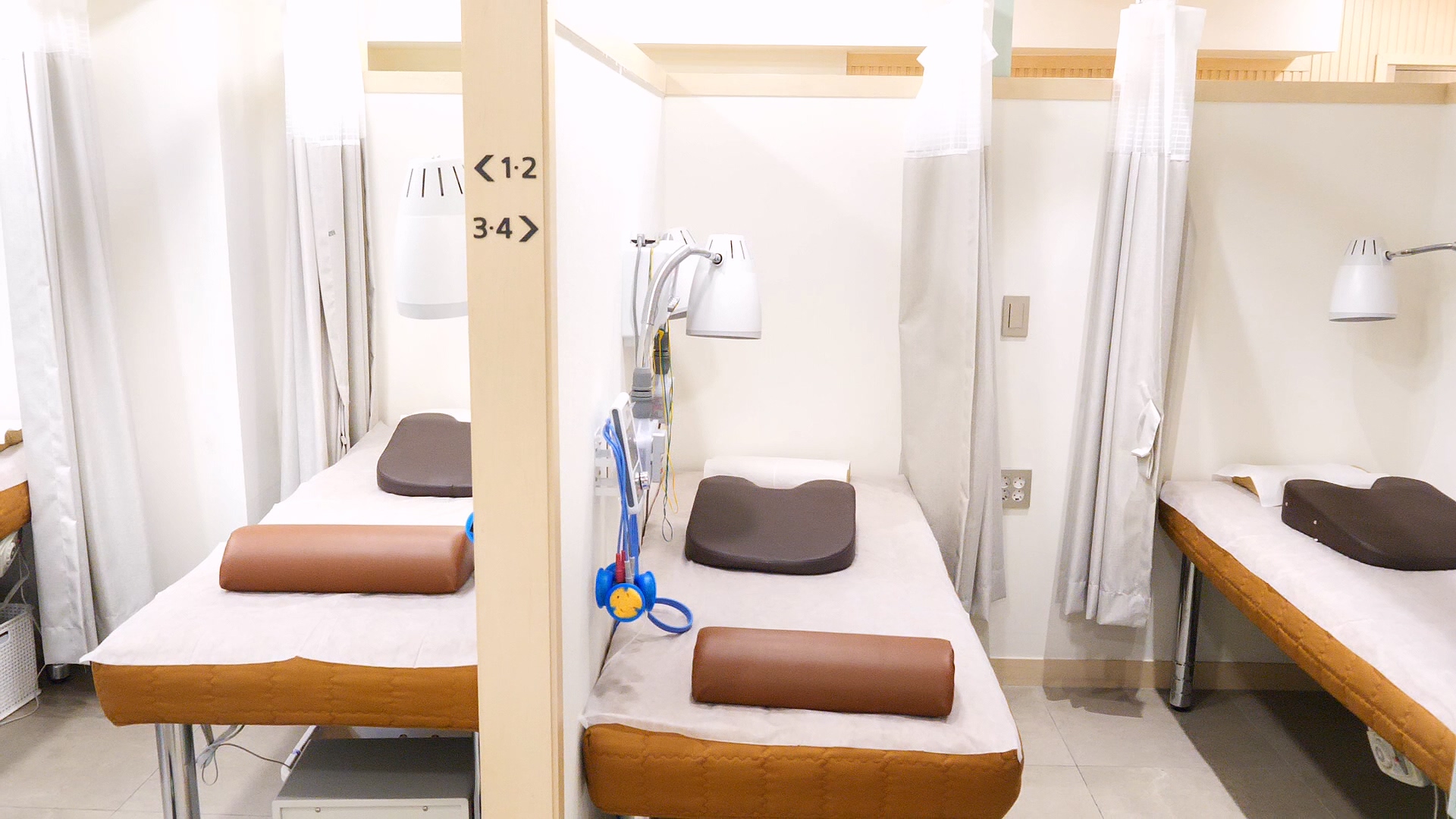
Many patients visit our clinic in Cheongdam asking about the fundamental differences between traditional energy-based treatments and the anatomical approach we provide. This guide clarifies how these methodologies differ and why focusing on physical alignment is essential for long-term recovery and autonomic stability.
Understanding the Fundamentals: Structural Acupuncture vs. Energy-Based Meridian Acupuncture
Structural acupuncture and meridian acupuncture represent two distinct philosophical and clinical paths within the field of Korean medicine. While meridian therapy seeks to balance the internal flow of Qi through specific energy channels, structural acupuncture prioritizes the physical integrity of the musculoskeletal system. At BonCure, we believe that restoring the anatomical blueprint of the body is an effective way to support sustainable health and vitality. Understanding these differences allows patients to choose a treatment path that aligns with their specific recovery goals, whether they seek internal harmony or the correction of a physical deformity that causes chronic pain. Our approach focuses on the fact that when the structure is corrected, the body's natural functions can resume their optimal state without mechanical interference.
What is Meridian Acupuncture? Balancing Energy and Vital Flow
Meridian acupuncture is a traditional practice that focuses on the pathways through which vital energy, or Qi, flows throughout the human body. This approach assumes that illnesses and pain arise from blockages or imbalances within these energy channels. Practitioners use fine needles to stimulate specific points, aiming to regulate the nervous system and improve blood circulation. In many clinical settings, this method is effective for managing stress and improving sleep quality. At BonCure, we view meridian therapy as a supportive tool for stabilizing the autonomic nervous system. By improving circulation and calming the nervous system, it helps create an environment where structural repairs can take hold more effectively. While it provides excellent systemic benefits through signal modulation, it is most powerful when combined with physical restoration that addresses deep fascial adhesions or structural obstructions causing chronic distress.
The Rise of Structural Acupuncture: Focusing on Anatomical Alignment
Structural acupuncture represents a modern evolution that integrates traditional needle techniques with contemporary anatomical knowledge. Instead of focusing solely on energy flow, this method targets physical tissues—muscles, tendons, ligaments, and bones. At BonCure, we utilize this approach to address the root causes of chronic pain, which are often found in physical misalignments or deep tissue adhesions. By identifying where the skeletal structure has deviated from its natural axis, we apply targeted needle techniques to release tension and restore balance. This approach is particularly beneficial for patients who have not found relief through standard physical therapy. It recognizes the body as a mechanical system requiring precise alignment. We utilize diagnostic tools like X-rays to verify structural changes, ensuring that every treatment leads to a visible and felt improvement in the body's physical architecture from the very first visit.
Key Differences in Treatment Goals: Functional Flow vs. Physical Restoration
The primary difference between these two modalities lies in their ultimate clinical objectives. Meridian therapy aims for functional flow, ensuring that the body's internal systems communicate effectively. Conversely, structural acupuncture focuses on physical restoration, aiming to return the spine, pelvis, and joints to their optimal positions. At BonCure, we prioritize the latter because a distorted structure often leads to compressed nerves and impaired circulation, which cannot be fully resolved by energy balancing alone. If a patient has a pelvic tilt or a misaligned atlas bone, the resulting tension in the surrounding soft tissues will persist until the physical structure is corrected. While meridian therapy focuses on systemic balance, structural restoration emphasizes addressing the mechanical triggers of pain. This distinction is crucial for patients with chronic conditions who require a deep, structural solution to their ailments rather than just functional management.
Scientific Mechanisms: How Structural Acupuncture Targets Chronic Pain
Structural acupuncture utilizes mechanical intervention to resolve chronic pain by physically breaking down adhesions and correcting skeletal deviations. This method relies on the principle that the body's physical architecture determines its health. By applying scientific principles of bio-mechanics, we provide treatments that lead to measurable improvements in posture and movement. At BonCure, our focus is on using these mechanisms to ensure that every patient receives a treatment plan rooted in anatomical reality and objective data, aiming for immediate feedback and structural correction.
Acupotomy and Adhesion Release: The BonCure Approach to Tissue Regeneration
Acupotomy is a specialized form of structural acupuncture that uses a knife-shaped needle to perform micro-dissections of adhered tissues. When chronic inflammation occurs, the body often creates scar tissue or adhesions that bind muscles and fascia together, limiting movement. At BonCure, we use this tool to physically release these adhesions, which helps alleviate pressure on the affected nerves. Please note that individual response times and results may vary. In cases of spinal stenosis or chronic back pain, releasing these deep adhesions can significantly improve mobility immediately. While this procedure is highly effective, patients may experience temporary soreness or minor bruising at the treatment site for 1 to 3 days. This process triggers the body’s natural healing response, leading to the regeneration of healthy tissue. By removing physical barriers, we allow the body to heal in a way that traditional needles simply cannot achieve.
Correcting Bone Alignment through Structural Restoration
The correction of bone alignment is a central pillar of the methodology practiced at BonCure. We believe that 'when your bones smile, life smiles,' reflecting our philosophy that a healthy life begins with a well-aligned skeleton. Structural restoration involves more than just joint manipulation; it requires the systematic release of the soft tissues that hold bones in incorrect positions. Through detailed analysis, including whole-spine X-rays, we identify specific areas of curvature or tilt. Unlike traditional protocols that require many sessions to see a change, we focus on ensuring that patients can feel and see the structural shifts back toward the midline starting from their initial sessions. This objective approach ensures that we are actively moving the body back to its ideal state. While individual results vary based on the severity of the condition, most patients observe measurable improvements in their posture and symmetry after each targeted treatment.
From Spinal Realignment to Nervous System Stability
Spinal realignment has a profound impact on the stability of the central nervous system. The spine serves as the primary conduit for nerve signals between the brain and the rest of the body. When the vertebrae are misaligned, they can create mechanical pressure on the spinal cord and nerve roots, leading to symptoms like numbness or autonomic dysfunction. At BonCure, we focus on restoring the natural curves of the spine to alleviate this pressure. Clinical observations suggest that correcting the cervical spine can help resolve issues like chronic tension headaches and vertigo. In cases of chronic tinnitus, improving the structural alignment of the cervical spine may have a positive impact on symptom management for some patients. By stabilizing the physical house of the nervous system, we allow the body's electrical signals to flow without interference. This neurological stability is essential for recovering from conditions like chronic fatigue and autonomic dysfunction, which are often rooted in physical spinal distress.
Comparing Clinical Approaches: Traditional Korean Medicine Treatment Modalities
The choice between meridian and structural approaches depends on the nature of the patient's symptoms. Both have their place in a comprehensive healthcare plan, but they serve different purposes. Meridian therapy is excellent for general wellness and internal regulation, while structural acupuncture is the preferred choice for complex musculoskeletal issues. At BonCure, we integrate these methods to provide a holistic recovery experience that addresses both the internal and external aspects of health. Understanding these modalities helps patients set realistic expectations for their journey toward physical and neurological balance.
Meridian Therapy for Autonomic and Internal Balance
Meridian therapy is frequently utilized to address systemic issues related to the autonomic nervous system and circulation. By focusing on the flow of Qi through the liver and kidney meridians, practitioners can help regulate systemic responses and reduce inflammation. This approach is non-invasive and focuses on restoring the body's internal harmony. In clinical practice, meridian acupuncture has been shown to be effective in reducing symptoms of stress, which are common contributors to internal health problems. For patients looking for acupuncture for stress relief in Seoul, this traditional energy-based method offers a gentle way to recalibrate the nervous system. While it does not physically move bones, the systemic shifts it creates can lead to significant improvements in overall well-being. It is a vital tool for those whose health challenges involve functional imbalances, providing a foundation of stability that supports the body's diverse biological processes when combined with structural alignment.
Structural Acupuncture for Back Pain and Chronic Musculoskeletal Issues
For patients suffering from debilitating back pain, structural acupuncture is the most direct route to relief. This method is specifically designed to tackle mechanical failures. At BonCure, we see many patients who have tried physical therapy alone without success because their underlying structural adhesions were never addressed. By using specialized tools like the acupotomy knife, we penetrate deep into the tissue to release the physical bindings that hold the spine in a painful position. Our goal is to provide immediate, perceptible change. Statistical reviews of our patient outcomes indicate that chronic pain levels can drop significantly after targeted sessions. It is important to understand that while many feel relief after one visit, chronic or severe cases require a dedicated approach to achieve lasting stability. By focusing on the physical architecture of the body, we provide a solution that targets the mechanical root of the pain, offering hope to those who have struggled with recurring injuries for years.
Comparative Table: Energy Balancing vs. Structural Restoration
| Feature | Meridian Acupuncture | Structural Acupuncture (BonCure) |
|---|---|---|
| Primary Focus | Energy (Qi) and Blood Flow | Physical Anatomy and Alignment |
| Core Tool | Traditional Fine Needles | Acupotomy (Knife-type needle) |
| Primary Target | Internal balance and systemic health | Adhesion release and skeletal correction |
| Diagnosis Basis | Pulse, tongue, and meridian paths | X-ray, posture analysis, and palpation |
| Pain Management | Regulating nerve signals | Physical tissue dissection and repair |
| Best For | Stress, sleep, and functional balance | Chronic pain, scoliosis, and disk issues |
The BonCure Methodology: Integrating Science and Tradition in Cheongdam
At our clinic in Cheongdam, BonCure has developed a unique methodology that bridges the gap between traditional wisdom and modern science. We utilize advanced diagnostic technology to create customized treatment plans that prioritize structural restoration. Our goal is to provide every patient with a clear, objective path to recovery, moving away from subjective feelings toward measurable results. By integrating these scientific approaches, we ensure that our patients receive a high standard of care available in the field of Korean medicine.
Clinical Notes: Evidence-Based Outcomes in Spinal Curvature Correction
Our clinical records at BonCure provide evidence for the efficacy of structural restoration in correcting spinal curvature. For example, we have successfully treated cases of idiopathic scoliosis where patients showed visible improvements in their spinal alignment. These outcomes are documented through before-and-after X-ray comparisons, providing an objective measure of success. Unlike programs that require a predetermined block of 20 sessions, we focus on immediate structural shifts that can be tracked and felt early in the treatment process. For patients with pelvic imbalances, structural restoration treatments help improve gait and reduce pain levels. While we must emphasize that these results are specific to individual cases and do not guarantee the same outcome for everyone, they demonstrate the potential of our structural approach. This evidence-based focus allows us to provide integrated medicine in Seoul that is both reliable and transformative.
Immediate Relief and Long-term Recovery: What to Expect During Your Visit
When a patient visits BonCure for the first time, they can expect a thorough evaluation that looks at the body as a complete structural unit. We do not subscribe to a '10-session minimum' model; instead, we prioritize ensuring that patients experience a sense of immediate relief and structural change after their first session. This feeling of 'lightness' or increased range of motion is a common early indicator of progress. Long-term recovery involves retraining the body to maintain this new, correct alignment. For chronic conditions, we work to stabilize the tissues over time, but we ensure the patient can feel the difference at every step. It is normal to feel some fatigue after a session of acupotomy vs. traditional acupuncture. Our practitioners work closely with each patient to adjust the treatment intensity based on their feedback. We emphasize that the cumulative effect of targeted sessions is what leads to the lasting 'smile' of the bones.
Safety and Precautions: Understanding the Limitations of Specialized Acupuncture
Safety is our top priority at BonCure, and we take every precaution to ensure a positive patient experience. Structural acupuncture, especially acupotomy, is a specialized procedure performed by experienced clinicians like Dr. Jeong-hyun Song. While the risks are low, possible side effects include temporary soreness, minor bleeding at the needle site, or localized bruising. It is also important to understand the limitations; for instance, extremely advanced structural degenerations may require surgical intervention. We provide a clear assessment of what can be achieved during the initial consultation. Furthermore, results may vary depending on a patient's age, overall health, and adherence to post-treatment care instructions. By being transparent about both the potential benefits and the limitations, we build a relationship of trust. Our goal is to provide a safe, effective pathway to health, ensuring every individual understands their unique journey toward structural restoration.
Frequently Asked Questions
Q. What is the primary difference between structural and meridian acupuncture?
Meridian acupuncture focuses on balancing the body's energy flow to treat systemic and functional issues. In contrast, structural acupuncture specifically targets physical adhesions and skeletal misalignments. At BonCure, we prioritize the physical structure as the foundation for health, ensuring that the body's mechanical alignment is restored.
Q. Is structural acupuncture effective for chronic back pain?
Yes, by utilizing specialized acupotomy to release adhesions in the soft tissues surrounding the spine, it can significantly improve chronic pain. This method addresses the mechanical causes of pain rather than just managing symptoms. Many patients find relief here after traditional methods have failed to provide lasting results.
Q. Are there any side effects associated with structural acupuncture at BonCure?
Patients may experience temporary soreness or minor bruising for 1 to 3 days. These are normal reactions to the release of deep tissue adhesions and typically resolve quickly. Serious complications are rare when the procedure is performed by an experienced practitioner like Dr. Jeong-hyun Song.
Q. How many sessions are typically required to see results?
At BonCure, we do not follow a mandatory '10-session' rule. Most patients feel immediate relief and notice structural changes from their very first visit. While chronic or severe structural issues require ongoing care to stabilize, progress is monitored and felt in real-time starting from the initial treatment.
Q. Does BonCure provide treatment for women's health issues?
Yes, BonCure integrates structural restoration with traditional methods to address systemic health. We focus on how physical alignment influences the autonomic nervous system and blood flow, which are critical for overall well-being. We combine structural and functional approaches for holistic recovery.
Q. Is the treatment at BonCure guaranteed to cure my condition?
While we strive for high clinical outcomes and have many successful cases, results vary by individual. We do not offer absolute guarantees but emphasize evidence-based progress. We use X-rays and physical assessments to track and verify your actual structural improvement over time.
Q. What makes the approach at BonCure in Cheongdam unique?
BonCure focuses on the philosophy that 'when your bones smile, life smiles.' We prioritize the restoration of physical structure using advanced diagnostic tools and specialized acupotomy to achieve results that go beyond simple energy balancing. Our focus is on long-term anatomical integrity and immediate symptom relief.
Key Takeaways
- Anatomical Focus: Structural acupuncture targets physical adhesions and misalignments, while meridian acupuncture supports functional energy flow.
- Immediate Results: At BonCure, patients typically feel structural changes and symptom relief from the very first session, avoiding mandatory long-term session packages.
- Acupotomy Benefits: Specialized knife-needles physically release deep scar tissue, leading to nerve decompression and improved mobility.
- Objective Tracking: Treatments are guided by X-rays and posture analysis to ensure that physical restoration is measurable and visible.
- Neurological Stability: Correcting the spine's structure is essential for stabilizing the autonomic nervous system and supporting the body's natural healing mechanisms.
BonCure Clinic / Dr. Jeong-hyun Song
FAQ
- What is the primary difference between structural and meridian acupuncture?
- Meridian acupuncture focuses on balancing the body's energy flow or Qi to treat systemic and internal issues. In contrast, structural acupuncture specifically targets physical adhesions and skeletal misalignments to restore proper anatomical function. At Bonecure, we prioritize the physical structure as the foundation for all other health improvements.
- Is structural acupuncture effective for chronic back pain?
- Yes, by utilizing specialized tools like acupotomy to release adhesions in the soft tissues surrounding the spine, it can significantly improve chronic pain. This method addresses the mechanical causes of pain rather than just the symptoms. Many patients find that this approach provides relief where traditional methods have failed.
- Are there any side effects associated with structural acupuncture at Bonecure?
- Patients may experience temporary soreness at the treatment site or minor bruising for a few days. These are normal reactions to the release of deep tissue adhesions and typically resolve quickly. Serious complications are rare when the procedure is performed by an experienced practitioner like Dr. Jeong-hyun Song.
- How many sessions are typically required to see results?
- While some patients experience immediate relief during their first visit, chronic or severe structural issues often require multiple sessions. A typical treatment plan might involve 10 to 20 sessions, depending on individual diagnostic data and X-ray results. We customize every plan to the patient's specific needs.
- Does Bonecure provide treatment for women's health issues using these methods?
- Yes, Bonecure integrates structural correction with traditional Korean medicine to address systemic issues. We recognize that physical alignment can influence the autonomic nervous system and blood flow, which are critical for women's health. We combine the best of both worlds for holistic recovery.
- Is the treatment at Bonecure guaranteed to cure my condition?
- While we strive for the highest clinical outcomes and have seen many successful cases, results vary by individual. We do not offer absolute guarantees but instead emphasize evidence-based progress through objective measures. We use X-rays and physical assessments to track and verify your actual improvement over time.
- What makes the approach at Bonecure in Cheongdam unique?
- Bonecure focuses on the philosophy that 'when your bones smile, life smiles,' prioritizing the restoration of physical structure as the foundation for health. We use a combination of advanced diagnostic tools and specialized acupotomy to achieve results that go beyond energy balancing. Our focus is on long-term anatomical integrity and neurological stability.