
Post
Acupuncture for Stress Relief in Seoul: A 2026 Clinical Guide to Recovery
Acupuncture for stress relief in Seoul is a therapeutic modality that utilizes fine needles to stimulate specific physiological points, aimed at mitigating the harmful effects of chronic cortisol elevation and physical tension.
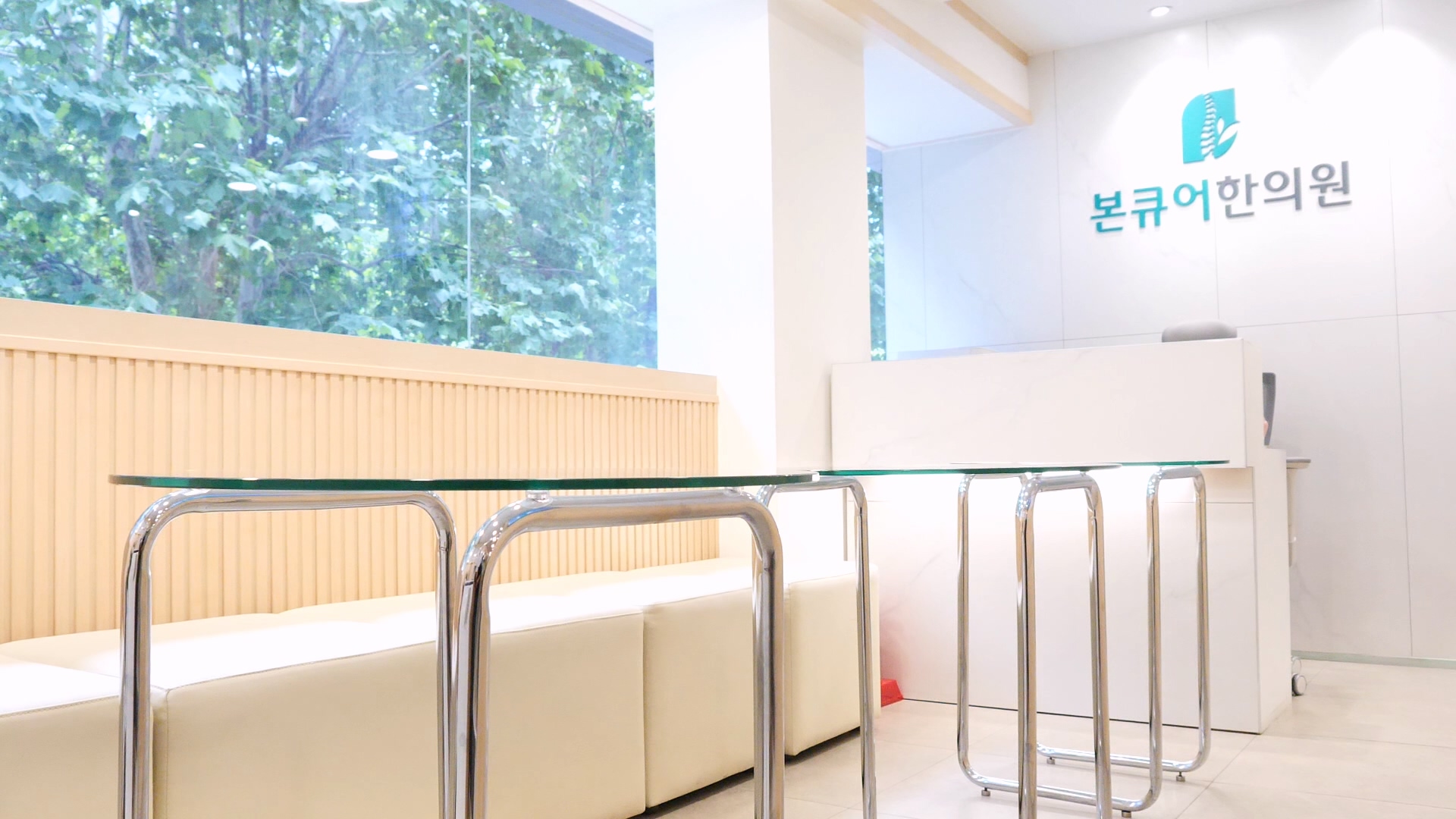
This guide explains how integrating traditional Korean medicine with modern structural insights can help you reclaim mental clarity and physical comfort.
Understanding Acupuncture for Stress Relief in Seoul
Acupuncture for stress relief in Seoul is defined as a clinical practice that targets the neuromodulation of the autonomic nervous system to reduce the body's physiological response to stressors. By inserting sterile needles into precise anatomical locations, practitioners aim to reset the balance between the sympathetic and parasympathetic systems. At Bonecure, this process is enhanced by focusing on the relationship between spinal alignment and neurological health, ensuring that the physical frame supports a calm mind. Understanding that stress often manifests as physical blockages, this approach seeks to harmonize internal signals and alleviate the persistent feeling of being overwhelmed.
What is Stress Relief Acupuncture at Bonecure?
Acupuncture for stress relief at Bonecure is a specialized therapeutic approach designed to alleviate physical manifestations of psychological pressure through the stimulation of specific acupoints. This method focuses on the release of internal adhesions and the restoration of natural energy flow, known as Qi, throughout the body. By targeting these points, we aim to reduce the physiological markers of stress that often present as muscle tightness or chronic tension. At our clinic, we recognize that stress is not merely a mental state but a physical condition that affects the structural integrity of the musculoskeletal system. Consequently, our treatments involve precise needle placement to address these hardened tissues. This process helps the body transition from a state of chronic sympathetic arousal to a more balanced physiological baseline. While patients often experience immediate changes in their symptoms during the first visit, it is important to understand that chronic conditions may require a structured plan to ensure long-term structural stability.
How Traditional Korean Medicine Targets Cortisol and Tension
Traditional Korean Medicine addresses stress by regulating the flow of energy and blood to stabilize the endocrine system, specifically targeting the production of cortisol. When the body remains in a state of high alert, cortisol levels rise, leading to systemic inflammation and persistent muscle guarding. Our clinical approach focuses on downregulating this adrenal response by stimulating points that communicate directly with the brain's regulatory centers. By alleviating the physical armor that the body creates during stressful periods, we allow the nervous system to recalibrate. Research suggests that consistent stimulation of these pathways can significantly lower circulating stress hormones over a series of sessions. At Bonecure, we combine these principles with structural assessments to ensure that the tension residing in the deep fascia is adequately addressed. This dual focus helps patients move away from the cycle of chronic fatigue and mental fog, promoting a sense of groundedness that is essential for maintaining wellness in a high-pressure urban environment like Seoul.
The Science Behind Acupoint Stimulation and Nervous System Balance
The science of acupoint stimulation involves the triggering of sensory nerves that send signals to the spinal cord and brain, releasing natural chemicals such as endorphins and enkephalins. These biochemical changes help dampen the perception of pain and induce a state of relaxation by activating the parasympathetic nervous system. Clinical observations indicate that targeting specific clusters of nerves can improve heart rate variability and stabilize blood pressure, which are key indicators of autonomic health. For patients experiencing severe manifestations of stress, clinical observations in specific case studies have shown a significant and measurable reduction in anxiety indices following treatment. We observe that by releasing mechanical pressure on the nerves through structural restoration, the electrical signaling within the body becomes more efficient. This physiological reset is crucial for those suffering from burnout, as it provides the biological foundation needed for the body to repair itself from the inside out.
Comparing Modalities: Acupuncture vs. Conventional Stress Management
Comparing acupuncture to conventional stress management involves evaluating how different interventions interact with the body's structural and neurological pathways to achieve relaxation. While standard methods like talk therapy or general massage provide valuable relief, Korean Medicine offers a unique focus on internal adhesion release and autonomic stabilization. The following table highlights the distinct features of the clinical approach at Bonecure compared to generalized relaxation techniques.
| Feature | Bonecure Acupuncture | General Relaxation Massage |
|---|---|---|
| Primary Goal | Autonomic Balance & Structural Correction | Surface Muscle Relaxation |
| Technique | Needle Knife & Specialized Acupoints | Manual Soft Tissue Manipulation |
| Target Tissue | Deep Fascial Adhesions & Nerves | Superficial Musculature |
| Scientific Basis | Neuromodulation & Case Report Evidence | Circulatory Stimulation |
| Session Scope | Immediate Symptom Relief & Long-term Stability | Focus on Surface Muscle Relaxation |
Why Korean Medicine Focuses on Structural Alignment for Mental Wellness
Korean Medicine posits that the physical structure of the spine and the health of the nervous system are inextricably linked to mental well-being. When the spine is misaligned, it can create mechanical stress on the spinal cord and autonomic nerves, leading to symptoms of anxiety, insomnia, and irritability. By correcting these structural imbalances, we remove the physical obstacles that prevent the nervous system from functioning at its peak. This philosophy is central to our work, where we utilize Whole Spine X-ray analysis to identify deviations that may be contributing to a patient's mental strain. Achieving structural symmetry allows for better respiratory function and improved circulation, which are vital for oxygenating the brain and reducing cognitive fatigue. At Bonecure, we believe that a balanced body is the primary prerequisite for a balanced mind. Addressing the root structural causes of tension ensures that the relief experienced is not just fleeting but integrated into the patient's overall physical foundation for lasting resilience.
Integrating Chuna Therapy and Pharmacopuncture for Enhanced Recovery
Integrating Chuna therapy and pharmacopuncture alongside acupuncture provides a multi-dimensional approach to stress recovery by addressing both the mechanical and biochemical needs of the body. Chuna therapy involves the manual correction of spinal misalignments to relieve mechanical pressure on the nerves and restore healthy movement patterns. Pharmacopuncture utilizes the injection of refined herbal extracts into specific acupoints to reduce deep-seated inflammation and promote rapid tissue repair. These adjunctive therapies work synergistically to enhance the effects of needle stimulation, providing a deeper sense of physical release. For individuals dealing with chronic stress, the combination of these modalities can accelerate the recovery of the autonomic nervous system. At Bonecure, these treatments are tailored to the individual's constitution, ensuring that the intensity is appropriate for their current state of health. This comprehensive protocol ensures that all layers of the body, from the musculoskeletal frame to the internal nervous system, are revitalized and supported.
Clinical Approaches to Chronic Pain and Stress in Cheongdam
Clinical approaches to chronic pain and stress in Cheongdam emphasize the use of advanced traditional techniques to resolve long-standing physical obstructions that contribute to mental distress. These methods prioritize the mechanical release of tissues that have become fibrotic due to repetitive stress or poor posture. By focusing on the intersection of pain and emotional health, Acupuncture Clinic Gangnam Seoul: A 2026 Guide to Structural Recovery at Bonecure offers a pathway to restoring the body's natural resilience. This clinical perspective acknowledges that chronic pain acts as a constant stressor, creating a feedback loop that can only be broken by addressing the physical root causes within the musculoskeletal system.
Traditional Medicine Clinical Notes: Adhesion Release via Needle Knife Therapy
Needle Knife Therapy, or Dochim, is a sophisticated technique used to physically break down internal adhesions and scar tissue that contribute to chronic pain and systemic stress. Unlike standard needles, the flat-headed needle knife allows the practitioner to perform minute dissections of hardened fascia, releasing trapped nerves and restoring blood flow to ischemic areas. This procedure is particularly effective for patients who have not found relief through conventional therapies. In our clinical experience, releasing these deep-seated blockages can lead to immediate improvements in mobility and a significant reduction in the body's baseline stress level. However, because this technique involves deeper tissue interaction, patients may experience temporary soreness or minor bruising at the site of treatment. At Bonecure, we emphasize that while the procedure might cause brief discomfort, the long-term benefit of structural release is a crucial component of modern Korean medical practice. This specialized intervention is designed for those seeking a more rigorous approach to resolving chronic physical and mental tension.
Addressing Back Pain as a Physical Manifestation of Chronic Stress
Back pain is often one of the most common physical manifestations of chronic stress, resulting from prolonged muscle contraction and poor postural habits. When the body is under stress, the muscles surrounding the spine often tighten as part of the fight-or-flight response, leading to localized pain and reduced range of motion. Over time, this tension can lead to structural shifts that further exacerbate the problem. Our approach focuses on identifying these tension patterns and utilizing acupuncture to deactivate trigger points and relax the paraspinal muscles. By treating the back as the central axis of the body's stress response, we can provide significant relief that radiates to the rest of the nervous system. According to clinical data, patients who address their back pain through structural restoration often report improved sleep quality and lower anxiety levels. At Bonecure, we use precise diagnostic tools to ensure that we are treating the exact origin of the pain, rather than just the symptoms, helping the body return to a state of ease.
Case Study Insight: Improving Autonomic Dysfunction through Spinal Alignment
Case studies in our clinic have shown that improving spinal alignment can lead to profound changes in patients suffering from autonomic dysfunction, such as dizziness or heart palpitations triggered by stress. For instance, in a case involving 20 sessions of structural restoration, a patient reported normalization of auditory symptoms and a significant decrease in subjective stress scores. Another notable example includes a patient who had been suffering from long-term chronic symptoms for many years and observed positive changes after consistent structural intervention. These results, while specific to individual cases and not guaranteed for all, highlight the potential of focusing on the spine's relationship with the nervous system. A 2026 Clinical Perspective on Structural Restoration with Dr. Song Jung-hyun provides deeper insights into these clinical outcomes. By correcting the curvature of the neck and back, we can reduce the mechanical irritation of the vagus nerve and other critical pathways. This alignment-first philosophy ensures that the body's internal communication remains clear, allowing for a more robust response to life's daily pressures and environmental stressors.
What to Expect at a Professional Korean Medicine Clinic in Seoul
Visiting a professional Korean Medicine clinic in Seoul involves a comprehensive evaluation process that combines ancient diagnostic techniques with modern medical screening. This ensures that every patient receives a plan that is scientifically grounded and constitutionally appropriate. At Bonecure, we prioritize transparency and patient education, ensuring you understand every step of your recovery journey. This professional environment is designed to provide safety, comfort, and measurable progress toward your health goals.
The Consultation Process with a Licensed Korean Medicine Doctor
The initial consultation begins with a detailed health history and a physical examination focused on structural integrity and autonomic function. I, Dr. Song Jung-hyun, personally assess each patient to identify the underlying causes of their stress and pain. We utilize diagnostic tools such as Whole Spine X-rays to visualize the alignment of your skeletal system and identify any mechanical stressors. During this time, we discuss your specific symptoms, such as the severity of your tension or any related neurological issues. This stage is crucial for establishing a baseline and setting realistic expectations for your treatment outcomes. We also take the time to explain the rationale behind our chosen modalities, whether it be standard acupuncture or the more intensive Needle Knife therapy. At Bonecure, we believe that a well-informed patient is more likely to achieve successful results. This collaborative process ensures that your treatment plan is not only effective but also aligned with your personal health objectives and lifestyle needs.
Tailored Treatment Plans for Women's Health and Mental Clarity
Treatment plans at our clinic are highly personalized, often focusing on the unique ways that stress impacts women's health and cognitive clarity. Hormonal fluctuations and societal pressures can create specific patterns of tension that require a nuanced clinical approach. We design protocols that aim to balance the endocrine system while simultaneously addressing the physical structural shifts that occur during periods of high stress. These tailored plans often include a combination of acupuncture, herbal consultations, and structural adjustments to ensure comprehensive care. Many patients report that focusing on these integrated therapies helps clear the mental fog often associated with chronic burnout. At Bonecure, we track progress using objective scales to ensure that the interventions are having the desired effect on both physical comfort and mental sharpness. By providing a supportive environment and targeted therapies, we help our patients regain the vitality and focus needed to navigate their professional and personal lives with greater ease and confidence.
Safety Protocols and Understanding Potential Side Effects
Safety is our highest priority at Bonecure, and we adhere to strict clinical protocols to ensure a secure environment for all patients. We use only high-quality, disposable, sterile needles for every procedure, minimizing the risk of infection. While acupuncture and Needle Knife therapy are generally safe when performed by a licensed professional, it is important to be aware of potential side effects. Some individuals may experience minor bruising, temporary soreness at the needle site, or a feeling of slight fatigue following a session. These are typical physiological responses as the body begins the process of healing and recalibration. In rare cases, minor localized swelling may occur, but these symptoms usually resolve within 24 to 48 hours. We provide every patient with detailed aftercare instructions to manage these temporary effects. Understanding these possibilities ensures that you can undergo treatment with peace of mind, knowing that your health and safety are being managed with the utmost clinical rigor and professional care.
Frequently Asked Questions
Q. Does acupuncture for stress relief at Bonecure hurt?
While you may feel a slight pinch or a heavy sensation known as De-Qi, the procedure is designed to be manageable. At Bonecure, we prioritize your comfort during the release of muscle adhesions to ensure a relaxing experience. Most patients find the sensation to be a productive type of pressure that signals the release of deep tension.
Q. How many sessions are typically required to see results for stress?
Results vary depending on the individual's condition and the duration of their symptoms. While many patients experience immediate symptomatic relief during their first visit, chronic stress-related issues often require a series of treatments for sustainable autonomic balance. We monitor your progress closely to adjust the frequency as you improve.
Q. Is acupuncture in Seoul safe for international patients?
Yes, licensed Korean Medicine Doctors follow strict sterilization and hygiene protocols mandated by national health authorities. At Bonecure, we use disposable needles and maintain a modern clinical environment to ensure safety for all our domestic and international visitors. Our staff is experienced in providing care to a diverse range of patients.
Q. What is the difference between standard acupuncture and Needle Knife therapy?
Standard acupuncture focuses on energy flow and light neurological stimulation, whereas Needle Knife therapy (Dochim) is a specialized technique used at Bonecure to physically break down internal adhesions. Dochim is more intensive and is used for deeper tissue release in chronic cases. Both methods are effective but target different depths of the musculoskeletal system.
Q. Can I receive acupuncture if I am also taking stress medication?
Generally, acupuncture can be used as a complementary therapy alongside conventional medications. However, it is essential to disclose all current medications during your consultation at Bonecure so we can coordinate a safe and effective treatment plan. We aim to work in harmony with your existing medical treatments to support your overall recovery.
Q. What are the common side effects of stress relief acupuncture?
Some patients may experience minor bruising, temporary soreness at the needle site, or slight fatigue immediately after treatment. These are typically mild and resolve within a day or two as the body begins its recovery process. These reactions are often signs that the body is responding to the structural and neurological changes.
Q. How much does a stress relief acupuncture session cost in Cheongdam?
Costs vary based on the specific treatments included, such as Chuna therapy, pharmacopuncture, or structural correction. We recommend a personalized consultation at Bonecure to receive an accurate quote tailored to your specific health needs and the complexity of your case. We focus on providing high-value care that addresses the root causes of your symptoms.
Key Takeaways
- Autonomic Balance: Acupuncture helps transition the body from a high-stress sympathetic state to a restorative parasympathetic state.
- Structural Focus: At Bonecure, we believe mental wellness is closely linked to spinal alignment and the removal of physical adhesions.
- Immediate Feedback: Patients often feel an immediate improvement in symptoms during treatment, signaling a reduction in physical tension.
- Safety First: Using sterile, disposable equipment and following professional protocols ensures a safe experience for all patients.
- Holistic Recovery: Combining acupuncture with Chuna therapy and structural restoration provides a comprehensive approach to managing chronic stress in 2026.
Greetings. I am Dr. Song Jung-hyun, a Korean medicine doctor who has specialized in Needle Knife therapy for many years. If your daily life feels heavy due to chronic stress and the resulting physical pain, a fundamental approach to restoring the harmony between bones and nerves is necessary. Please feel free to visit us for a consultation at any time.
Bonecure Clinic / Director Song Jung-hyun
FAQ
- Does acupuncture for stress relief at Bonecure hurt?
- While you may feel a slight pinch or a heavy sensation known as De-Qi, the procedure is designed to be manageable. At Bonecure, we prioritize your comfort during the release of muscle adhesions to ensure a relaxing experience. Most patients find the sensation to be a productive type of pressure that signals the release of deep tension.
- How many sessions are typically required to see results for stress?
- Results vary depending on the individual's condition and the duration of their symptoms. While some patients report immediate lightened tension after one session, chronic stress-related issues often require a series of 5 to 10 treatments for sustainable autonomic balance. We monitor your progress closely to adjust the frequency as you improve.
- Is acupuncture in Seoul safe for international patients?
- Yes, licensed Korean Medicine Doctors follow strict sterilization and hygiene protocols mandated by national health authorities. At Bonecure, we use disposable needles and maintain a modern clinical environment to ensure safety for all our domestic and international visitors. Our staff is experienced in providing care to a diverse range of patients.
- What is the difference between standard acupuncture and Needle Knife therapy?
- Standard acupuncture focuses on energy flow and light neurological stimulation, whereas Needle Knife therapy (Dochim) is a specialized technique used at Bonecure to physically break down internal adhesions. Dochim is more intensive and is used for deeper tissue release in chronic cases. Both methods are effective but target different depths of the musculoskeletal system.
- Can I receive acupuncture if I am also taking stress medication?
- Generally, acupuncture can be used as a complementary therapy alongside conventional medications. However, it is essential to disclose all current medications during your consultation at Bonecure so we can coordinate a safe and effective treatment plan. We aim to work in harmony with your existing medical treatments to support your overall recovery.
- What are the common side effects of stress relief acupuncture?
- Some patients may experience minor bruising, temporary soreness at the needle site, or slight fatigue immediately after treatment. These are typically mild and resolve within a day or two as the body begins its recovery process. These reactions are often signs that the body is responding to the structural and neurological changes.
- How much does a stress relief acupuncture session cost in Cheongdam?
- Costs vary based on the specific treatments included, such as moxibustion, cupping, or structural correction. We recommend a personalized consultation at Bonecure to receive an accurate quote tailored to your specific health needs and the complexity of your case. We focus on providing high-value care that addresses the root causes of your symptoms.