
Post
A 2026 Clinical Perspective on Structural Restoration with Dr. Song Jung-hyun
Hello. I am Dr. Song Jung-hyun, a Korean Medicine doctor specializing in acupotomy and structural restoration at Bonecure Korean Medicine Clinic.
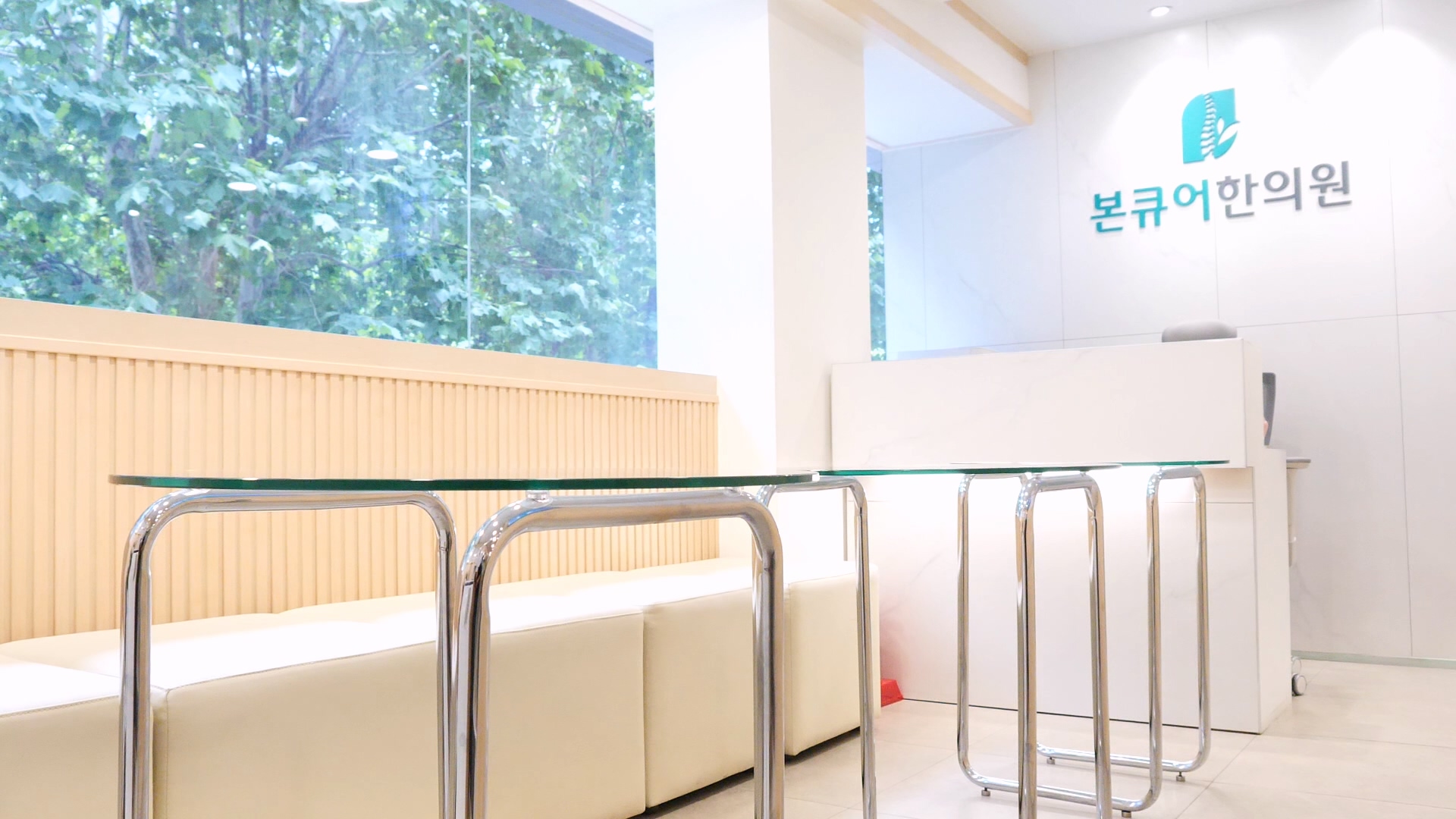
My clinical philosophy is simple: "When your bones smile, life smiles." This reflects my dedication to identifying the root mechanical causes of pain and restoring the body's overall balance. In my practice, I focus on how structural misalignments affect not just movement, but the entire nervous system, helping patients regain a healthy daily life.
Introduction to Dr. Song Jung-hyun and Structural Recovery
At Bonecure, we bridge traditional Korean medicine with modern diagnostic insights. My approach focuses on the belief that many chronic conditions—ranging from persistent back pain to complex neurological symptoms—stem from structural imbalances and tissue adhesions. By analyzing the skeletal framework and the tension within soft tissues, we design personalized treatment plans that go beyond temporary symptom relief.
The Philosophy of Bonecure: When Your Bones Smile, Life Smiles
The skeletal system is the fundamental framework for your health. When the spine and joints are properly aligned, the nervous system can function without interference, allowing for natural healing. In my clinical experience, I have observed that improving structural balance often leads to improvements in secondary issues like digestion, sleep, and overall vitality. Unlike traditional models that may prioritize long-term maintenance, my goal is for patients to feel immediate changes and visible improvements in their functional movement. We view the body as an interconnected system where a correction in one area, such as the upper cervical spine, can ripple through the entire autonomic nervous system. However, individual results may vary, and successful recovery depends on the patient's unique physical state and medical history.
Dr. Song’s Approach to Advanced Korean Medicine
My methodology emphasizes precise intervention. I utilize structural evaluations and motion analysis to identify the exact points where the body has lost its natural alignment. For more detailed skeletal assessments, we collaborate with Harrison Hospital to utilize X-ray, CT, and MRI data. This allows us to map out the exact points of tension and adhesion in the fascia and muscles. Rather than generalized treatments, I focus on what is strictly necessary for each patient. By concentrating on structural correction, we aim to resolve conditions that have become resistant to other forms of therapy, such as scoliosis or pelvic tilting. Every treatment plan is a direct partnership, focused on efficiency and immediate feedback from the patient.
The Clinical Significance of Acupotomy in Pain Management
Acupotomy, or 'blade acupuncture,' is a vital tool for patients who have reached a plateau with conventional physical therapy. By physically releasing fibrotic tissues and adhesions, we can restore the natural glide between muscle layers. In my clinical case reports, patients with chronic neck and shoulder tension often report significant changes in their range of motion during the treatment course. While long-standing issues might require a series of interventions, my focus is on ensuring each session provides a tangible structural release. This technique is particularly effective for releasing the 'stuck' points in the body that cause chronic stiffness. Patients should be aware that minor soreness or bruising is a normal part of the healing process as tissues begin to reorganize.
Advanced Acupotomy for Spinal and Structural Restoration
Spinal restoration involves returning the vertebrae and surrounding soft tissues to their optimal alignment to alleviate pressure on the nervous system. This requires a deep understanding of how muscle contractions pull bones out of their natural position.
Acupotomy: Releasing Adhesions for Chronic Conditions
I utilize acupotomy to address stagnant musculoskeletal issues. This specialized technique uses a small, blade-like instrument to release tissue adhesions formed by old injuries or chronic poor posture. In my clinical reports for chronic lower back pain, targeted intervention has led to a meaningful reduction in discomfort by breaking down scarred fascia. My goal is to 'unblock' these areas immediately, providing a sensation of relief that patients can feel. While the procedure can feel intense, the focus is on achieving a high-impact release that allows the body to reset. As with all procedures, results are specific to each case, and some temporary local sensitivity may follow the treatment.
Structural Alignment and Objective Diagnostic Integration
To ensure results are rooted in objective reality, I incorporate X-ray analysis from our collaborating medical partners into our treatment planning. By visualizing the skeletal framework, we can refine our acupotomy and Chuna therapy to target specific vertebral misalignments. This anatomical approach allows us to track changes over time and provide patients with clear insights into their progress. My focus is on necessary, efficient care—I do not recommend unnecessary packages or long-term commitments without clinical justification. We aim for structural changes that translate into improved daily function and reduced neurological stress.
Immediate Improvement and Sustainable Recovery Protocols
One of the defining features of my practice is the emphasis on immediate results. I do not believe in telling patients they must wait for a dozen sessions to see a change. Instead, I focus on making structural adjustments that the patient can perceive right away. For complex cases like Parkinsonism (atypical Parkinson's) or severe spasmodic torticollis (dystonia), the goal is to manage symptoms and slow progression by decompressing the nervous system. While some chronic conditions benefit from a consistent course of care to stabilize the new alignment, each visit is designed to be impactful. Sustained recovery is supported by lifestyle adjustments and corrective habits that patients can implement at home.
Comparative Analysis of Treatment Modalities
At Bonecure, we select the most effective intervention based on the patient's specific mechanical dysfunction. The table below illustrates the focus of our specialized techniques.
| Feature | Classic Acupuncture | Dr. Song's Specialized Acupotomy |
|---|---|---|
| Primary Tool | Thin, filiform needle | Blade-ended needle (Acupotome) |
| Primary Target | Energy points / Meridians | Physical adhesions and fibrotic tissue |
| Mechanism | Neuro-stimulation | Mechanical release and tissue restoration |
| Intensity | Low | Moderate to high (focused release) |
| Ideal Case | Functional tension | Structural/Fibrotic chronic pain |
| Goal | General symptom management | Immediate structural restoration |
| Frequency | 2-3 times per week | Often 1 time per week or as needed |
Synergy of Moxibustion and Soft Tissue Preparation
Traditional moxibustion is used in my clinic to prepare the body for deeper structural work. The thermal stimulation helps soften stiffened tissues and improves local metabolic activity. When applied before acupotomy, it makes the adhesion release more efficient. In my clinical observations, combining heat therapy with structural release helps manage post-procedural sensitivity and promotes faster tissue repair. This integrative approach addresses both the physical adhesions and the biological environment of the tissue, though individual healing times will naturally vary.
Clinical Evidence and Patient Feedback Systems
My practice is built on clinical evidence derived from systematic case tracking. I use standardized evaluation scales for pain, anxiety, and physical function (such as the Beck scales for anxiety/depression where relevant to autonomic health) to monitor progress. These data points help maintain a high standard of care and ensure that we are meeting the patient's recovery goals. It is important to note that these individual case reports do not guarantee identical results for everyone, but they serve as a roadmap for what is possible through structural normalization. Minor side effects such as temporary fatigue or lightheadedness may occur after high-intensity sessions, but these are transient.
Targeted Care: From Gangnam to Global Patients
I provide specialized care for complex, often 'invisible' conditions that originate from structural and neurological imbalances. My clinic in the Samseong-ro/Cheongdam area serves patients from across Korea and international visitors seeking specialized Korean medicine.
Specialized Care for Neurological and Autonomic Balance
I have focused significant attention on the relationship between the upper cervical spine and the autonomic nervous system. Misalignments in the neck can create 'nerve entrapment' scenarios that contribute to headaches, dizziness, and systemic imbalance. By using acupotomy to release deep-seated adhesions in the suboccipital region and upper vertebrae, we aim to normalize neurological signaling. Many patients report a sense of clarity and reduced tension after these specific interventions. Because the nervous system is highly sensitive, we monitor these responses closely, ensuring that the intensity of the treatment matches the patient's tolerance level.
Clinical Insights into 'Burning Back Syndrome' (Dorsal Burning)
Many patients visit me complaining that their "back feels like it's on fire" despite having healthy-looking skin. This condition, often referred to as 배열증 (Dorsal Burning Syndrome), is frequently linked to nerve irritation in the thoracic region or autonomic dysfunction. When the spinal muscles become chronically tight or fibrotic, they can compress the dorsal rami of the spinal nerves, causing sensations of heat, tingling, or itching. My approach involves using acupotomy to release the specific muscle layers—such as the rhomboids or multifidus—that are trapping these nerves. Restoring the natural glide of the tissue often results in a significant reduction of these distressing sensory symptoms.
Management of Tinnitus and Sudden Hearing Loss
Sensory conditions like tinnitus and sudden hearing loss are often exacerbated by structural tension in the neck and jaw. My clinical case reports show that normalizing the pressure and circulation in the upper cervical region can positively impact auditory symptoms. While we cannot guarantee a complete resolution of sound in every case—especially where nerve damage is permanent—restoring structural integrity provides the best environment for sensory recovery. Early intervention is critical for these cases, and we work to ensure that the mechanical barriers to healing are removed as quickly as possible.
Patient Safety and Clinical Expectations
Transparency and safety are my top priorities. I believe every patient should understand the 'why' behind their treatment and what to expect during their recovery.
Scientific Substantiation and Clinical Case Reports
I rely on documented clinical cases to validate the effectiveness of my methods. This includes documented improvements in spinal curvature (scoliosis), tinnitus reduction, and the management of Parkinsonism symptoms. While these case reports reflect real patient outcomes, they represent individual clinical experiences rather than large-scale trials. I encourage patients to view this data as evidence of the potential for structural restoration. We emphasize that for chronic or complex conditions, the journey requires a partnership between the doctor's intervention and the patient's commitment to new postural habits.
Safety Guidelines and Side Effects of Acupotomy
Acupotomy is a specialized procedure performed with sterile, single-use instruments. Common side effects include localized soreness, minor bruising, or transient bleeding at the treatment site, which typically resolve within 24 to 48 hours. I conduct a thorough health screening before every session to minimize risks, and I advise patients to avoid strenuous exercise for a day following the procedure. Open communication is essential, and we ensure that our team is available to address any concerns during the healing phase.
Personalized Care for Long-standing Issues
For conditions that have persisted for many years, the path to recovery may involve multiple stages. While I aim for immediate improvement, chronic structural changes often require stabilizing the body over several visits to prevent recurrence. We monitor progress at regular intervals, adjusting our techniques based on how your body responds. My goal is to make every session a step toward a more balanced, pain-free life where you no longer feel held back by your physical structure.
For further reading, please see A 2026 Clinical Guide to Structural Restoration by Dr. Song Jeonghyeon at Bonecure and A 2026 Clinical Guide to Chuna Manual Therapy Benefits and Structural Recovery.
Frequently Asked Questions
Q. Who is Dr. Song Jung-hyun and what is his specialty?
Dr. Song Jung-hyun is a Korean Medicine doctor specializing in structural restoration. He focuses on identifying and treating the mechanical root causes of chronic pain and neurological symptoms using advanced acupotomy and structural analysis. His clinic, Bonecure, is dedicated to helping patients regain functional balance in their daily lives.
Q. Does acupotomy provide immediate results for back pain?
Yes, Dr. Song's philosophy emphasizes immediate feedback. While long-term stability may require follow-up care, the goal of each acupotomy session is to provide a perceptible release of tension and improvement in movement right away. We do not believe in requiring a minimum of 10 sessions before you start feeling better.
Q. What is 'Burning Back Syndrome' and can it be treated?
Burning Back Syndrome (배열증) is an 'abnormal sensation' where the back feels hot or 화끈거리는 even though the skin is normal. This is often caused by nerve entrapment or autonomic imbalance. Dr. Song uses acupotomy to release the tight muscle and fascia layers that are irritating the nerves, which can significantly reduce these burning sensations.
Q. How do you ensure the safety of intensive acupuncture treatments?
We use only sterile, single-use tools and perform thorough physical assessments before every treatment. Potential side effects like temporary soreness or minor bruising are explained in advance. We also collaborate with diagnostic hospitals like Harrison Hospital for X-ray and MRI scans to ensure our treatments are based on accurate anatomical data.
Q. Can structural treatment help with Parkinsonism or Tinnitus?
While these are complex conditions, clinical case reports at Bonecure suggest that many symptoms are linked to structural tension in the neck and spine. By releasing this tension and decompressing the nervous system, we can help manage symptoms like tremors, stiffness, or ringing in the ears. The goal is to improve the quality of life and functional capacity of the patient.
Q. Is Bonecure Clinic open to international patients?
Yes, we welcome patients from all over the world. Our clinic in the Cheongdam/Samseong-ro area of Seoul provides efficient, high-impact protocols designed to help those with limited time achieve significant relief before returning home.
Key Takeaways
- Dr. Song Jung-hyun focuses on structural restoration to treat the root causes of pain and neurological dysfunction.
- The clinical philosophy emphasizes immediate improvement rather than long-term, passive treatment cycles.
- Acupotomy is used to mechanically release tissue adhesions and fibrotic scars that cause chronic stiffness.
- X-ray and motion analysis from collaborating partners (Harrison Hospital) provide an objective basis for every treatment plan.
- Specialized protocols are available for complex cases like Parkinsonism, Tinnitus, and Burning Back Syndrome (Dorsal Burning).
FAQ
- Who is Dr. Song Jung-hyun and what is his specialty at Bonecure?
- Dr. Song Jung-hyun is a specialized Korean Medicine doctor who focuses on structural restoration and chronic pain management through advanced acupotomy and spinal alignment techniques. His practice combines traditional principles with modern diagnostic data to address the root causes of musculoskeletal and neurological issues. At Bonecure, he is known for his evidence-based approach to complex conditions like tinnitus and chronic back pain.
- How does acupotomy differ from standard acupuncture for back pain?
- Acupotomy uses a specialized blade-like needle to release physical adhesions in stiffened tissues, which is different from the thin needles used in classic acupuncture. While standard acupuncture focuses on neuro-modulation and energy flow, acupotomy provides a mechanical release of scarred fascia to promote regeneration and structural balance. This makes it particularly effective for chronic conditions where tissues have become fibrotic or stuck together.
- Is the treatment at Bonecure clinic in Cheongdam scientifically proven?
- Dr. Song bases his treatments on clinical case reports and objective indicators like Whole Spine X-ray alignment and standardized pain scales to track patient progress. We utilize internal clinical data to refine our methods and ensure that each patient's recovery is documented through measurable changes in their anatomy. While results vary, these objective metrics provide a scientific foundation for our structural restoration protocols.
- What are the common side effects of intensive acupuncture treatments?
- Patients may experience temporary soreness at the treatment site, minor bruising, or transient bleeding following an intensive acupotomy session. These effects are generally mild and typically resolve within 24 to 48 hours as the body begins the healing process. In rare cases, a patient might feel temporary fatigue or lightheadedness, which we monitor closely during and after the procedure to ensure safety.
- How many sessions are typically required for chronic conditions like tinnitus or spinal curvature?
- Chronic or severe cases often require multiple sessions to achieve stable and lasting structural change, with many protocols ranging from 15 to 25 sessions. Because deep tissue remodeling and skeletal alignment happen gradually, a commitment to a full course of therapy is usually necessary. Each treatment plan is customized after a thorough diagnostic consultation to reflect the specific needs and history of the patient.
- Does Bonecure provide treatment for autonomic nervous system disorders?
- Yes, Dr. Song Jung-hyun utilizes specialized techniques to address the root causes of autonomic imbalance, which are often linked to spinal health and neurological tension. By releasing adhesions in the paraspinal muscles, we help normalize the signaling within the nervous system, potentially improving symptoms like chronic fatigue or anxiety. This structural approach aims to restore systemic balance throughout the entire body.
- Can international patients receive treatment from Dr. Song Jung-hyun?
- Bonecure welcomes global patients and offers efficient protocols designed to provide significant relief even for those with limited time before returning abroad. We provide comprehensive consultations to ensure that international visitors can make the most of their visit to Cheongdam. Our team is experienced in coordinating care for those who travel specifically for Dr. Song’s expertise in structural restoration.