
Post
A 2026 Clinical Guide to Structural Restoration by Dr. Song Jeonghyeon at Bonecure
Dr. Song Jeonghyeon is a specialized practitioner focused on restoring the body's natural alignment through advanced acupotomy and structural correction.
By addressing deep tissue adhesions and spinal imbalances, this evidence-based approach at Bonecure aims to provide fundamental recovery for patients suffering from chronic pain and autonomic disorders. This guide explores the philosophy and innovative modalities that define modern traditional medicine in 2026.
Dr. Song Jeonghyeon and Bonecure Clinic
Dr. Song Jeonghyeon is the chief clinician at Bonecure who specializes in the integration of traditional Korean medical principles with contemporary biomechanical analysis. This professional focus centers on the belief that physical structure dictates physiological function, necessitating a shift from superficial symptom suppression to comprehensive structural restoration. By utilizing specialized diagnostic tools and personalized treatment plans, the clinic addresses the root causes of dysfunction to promote long-term systemic health and vitality.
Philosophical Approach: When Your Bones Smile, Life Smiles
The philosophy of Dr. Song Jeonghyeon is encapsulated in the phrase, "When your bones smile, life smiles," which emphasizes the profound connection between skeletal alignment and overall happiness. At Bonecure, we recognize that chronic pain often stems from years of structural neglect, leading to a cascade of health issues that affect both physical and mental well-being. By focusing on the 24 vertebrae and the surrounding soft tissues, I work to restore the natural curves of the spine that are essential for optimal nervous system function. This approach is not merely about removing pain but about revitalizing the patient's entire lifestyle through improved mobility and energy. Many individuals who have struggled with long-term discomfort find that addressing their structural foundation provides a level of relief that previous treatments could not achieve. My goal is to empower every patient to reclaim their daily joy by ensuring their physical framework is balanced and resilient against the stresses of modern life.
Expertise in Acupuncture and Chronic Condition Management
My expertise as a clinician involves the application of specialized acupuncture techniques designed for complex musculoskeletal issues and chronic ailments. At Bonecure, I utilize advanced needle therapies to target specific trigger points and areas of chronic tension that traditional methods might overlook. This focused intervention is particularly effective for managing persistent back pain, neck stiffness, and joint dysfunction that have resisted conventional physical therapy. By carefully analyzing the patient's posture and movement patterns, I develop a treatment protocol that addresses both the local symptoms and the global structural imbalances contributing to the problem. A 2026 Guide to Integrative Medicine in Seoul, Korea: Structural Recovery at Bonecure provides further insight into how these techniques are integrated into a broader wellness strategy. Patients often report a significant improvement in their range of motion and a reduction in daily pain levels, though the number of sessions required typically depends on the chronicity of the condition. My clinical practice is dedicated to providing a safe, evidence-based alternative for those seeking sustainable health improvements without relying solely on temporary medications.
Innovative Treatment Modalities for Chronic Pain Relief
Innovative treatment modalities for chronic pain relief encompass a range of specialized procedures at Bonecure designed to resolve tissue adhesions and restore structural integrity. These methods, including Dochim therapy and modernized spinal alignment, focus on the mechanical release of hardened tissues that trap nerves and restrict blood flow. By applying scientific principles to traditional concepts, these modalities offer a path toward fundamental recovery for patients with complex pain profiles.
Dochim Therapy: Resolving Adhesion for Fundamental Recovery
Dochim therapy, also known as acupotomy, is a cornerstone of the treatments I provide to resolve deep-seated tissue adhesions. This technique utilizes a specialized knife-shaped needle to delicately break down fibrotic tissues that have formed due to chronic inflammation or injury. At Bonecure, this procedure is employed to release the tension that causes persistent pain and restricts the body's natural movement. By addressing these adhesions directly, we can facilitate the regeneration of healthy tissue and restore proper blood circulation to the affected areas. It is important to note that while many patients experience significant relief, potential side effects of Dochim therapy include localized pain at the injection site, minor bruising, or temporary bleeding. While extremely rare, infection is a possibility, and the overall results may vary based on the individual's unique physical condition and history. This modality is particularly useful for those who have found little success with standard treatments, as it targets the structural source of the problem rather than just the surface symptoms.
Scientific Proof and Clinical Insights from the Chief Clinician
At Bonecure, the clinical insights I share are grounded in objective data and scientific evaluation to ensure the highest standards of care. As a lead clinician, I utilize five key assessment scales, including the Beck Anxiety Inventory (BAI) and the Beck Depression Inventory (BDI), to track patient progress across 2026. For instance, clinical observations suggest that a targeted structural recovery protocol can be applied to help manage chronic tinnitus by addressing underlying cervical misalignments. These protocols aim to reduce subjective distress by restoring the physical environment surrounding the auditory nerves. These types of outcomes are achieved by monitoring changes in spinal alignment through Whole Spine X-ray analysis, providing tangible proof of structural improvement. While these individual results are promising, they do not guarantee the same outcome for every patient, as chronic cases often require multiple sessions for stabilization. My commitment is to provide a transparent clinical environment where every treatment is backed by measurable indicators of health. By documenting these successes, I aim to contribute to the broader understanding of how structural restoration can address even the most stubborn and complex health challenges faced by patients today.
Specialized Solutions for Complex Systemic Disorders
Specialized solutions for complex systemic disorders involve a holistic diagnostic approach at Bonecure to identify how structural misalignments affect the nervous system. These solutions are tailored to address conditions like tinnitus, Meniere's disease, and autonomic nervous system imbalances by correcting the cervical spine and skull base. This method seeks to harmonize the body's internal systems by removing physical obstructions to neural and vascular pathways.
Managing Tinnitus and Autonomic Nervous System Balance
Managing conditions like tinnitus and autonomic nervous system (ANS) dysregulation requires a deep understanding of the relationship between the upper cervical spine and cranial nerve function. I have developed specialized protocols at Bonecure that focus on relieving pressure in the neck and head area to improve these systemic issues. For example, in cases of Meniere-like symptoms or hearing loss, intensive structural alignment may be utilized to support the normalization of auditory function. By focusing on the relationship between the upper cervical spine and cranial nerves, we aim to alleviate the mechanical stressors contributing to these complex symptoms. This process involves precise adjustments to the first and second cervical vertebrae, which can influence the blood flow to the inner ear and the stability of the vagus nerve. 2026 Clinical Guide to Autonomic Nervous System (ANS) Balance and Structural Recovery at Bonecure details the importance of this balance for overall health. It is essential to recognize that systemic recovery is a gradual process, and the rate of improvement varies significantly among individuals. By focusing on the structural roots of autonomic dysfunction, we provide a pathway for patients to achieve a more balanced and symptom-free life, addressing the underlying mechanical triggers that contribute to their discomfort.
Modern Bio-mechanical Understanding of Traditional Medicine
The modern bio-mechanical understanding of traditional medicine bridges the gap between ancient healing arts and contemporary anatomical science at Bonecure. I view the human body as an integrated machine where every joint and muscle must work in harmony to prevent injury. By applying physics-based simulations and biomechanical modeling, we can better understand how specific spinal curvatures affect weight distribution and joint wear. This scientific perspective allows for more precise interventions, such as adjusting the pelvic tilt or correcting head forward posture, which are common contributors to chronic fatigue and pain. My practice avoids the use of mystical or unproven theories, focusing instead on the tangible relationships between structure, tension, and health. This approach ensures that patients receive care that is not only rooted in tradition but also validated by modern medical insights. By refining these techniques, Bonecure remains at the forefront of providing effective, evidence-based treatments that respect the complexity of the human frame while utilizing the latest clinical advancements available in 2026.
Bonecure Treatment Comparison with Conventional Care
A comparison between Bonecure treatments and conventional care highlights the distinct advantages of structural restoration for long-term health. While conventional physical therapy often focuses on muscle relaxation and temporary pain relief, the methodologies employed by Dr. Song Jeonghyeon target the deeper adhesions and skeletal misalignments that cause recurring issues. This comparison provides patients with the information needed to make informed decisions about their recovery journey.
Structural Correction versus Symptom Suppression
The fundamental difference between my approach and standard physical therapy lies in the focus on structural correction versus symptom suppression. At Bonecure, we prioritize the release of deep adhesions and the fundamental realignment of the skeletal system. The table below illustrates some of the key differences between these two approaches, helping patients understand why a more intensive structural focus might be necessary for their specific condition.
| Feature | Bonecure Dochim Therapy | Conventional Physical Therapy |
|---|---|---|
| Primary Goal | Adhesion release and structural restoration | Pain management and muscle relaxation |
| Tool Used | Specialized knife-shaped needle | Ultrasound, electrical stimulation, manual therapy |
| Focus Area | Deep tissue adhesions and spinal alignment | Superficial muscle tension and mobility |
| Frequency | Intensive, high-impact protocols | Varies by facility and treatment type |
| Clinical Evidence | Based on specific case reports and biomechanics | Based on standard rehabilitation protocols |
By choosing a path that addresses the core structural failures, patients can work toward a future where they are no longer dependent on frequent office visits for temporary comfort. While the initial sessions at Bonecure may be more intensive, the goal is to create a stable and resilient body that can maintain its own health. I encourage all patients to consider the long-term benefits of structural integrity when evaluating their treatment options, as a balanced spine is the foundation of a healthy life.
Key Takeaways
- Dr. Song Jeonghyeon focuses on structural restoration at Bonecure to address the root causes of chronic pain.
- Dochim therapy (acupotomy) is used to release deep tissue adhesions, facilitating fundamental recovery and improved circulation.
- Clinical success is measured using objective scales like the Beck Anxiety Inventory (BAI) and X-ray analysis to ensure evidence-based care.
- Systemic issues such as tinnitus and autonomic dysregulation are managed by correcting cervical spine alignment.
- Treatments are personalized, and while results vary, the goal is long-term stability rather than temporary symptom relief.
Frequently Asked Questions
Q. Who is Dr. Song Jeonghyeon?
Dr. Song Jeonghyeon is the chief clinician at Bonecure who specializes in Dochim therapy and structural restoration. He integrates traditional Korean medicine with modern biomechanics to treat chronic pain and systemic disorders. His practice is centered on the philosophy that structural alignment is the key to overall health.
Q. What is the primary focus of Bonecure Clinic in Seoul?
Bonecure focuses on fundamental healing by restoring proper spinal alignment and resolving deep tissue adhesions. The clinic aims to ensure long-term vitality by addressing the mechanical causes of pain. This structural approach is designed to provide more than just temporary symptom suppression.
Q. How does Dr. Song treat chronic back pain?
Dr. Song uses specialized acupuncture techniques, particularly Dochim therapy, to target deep-seated muscle and joint issues. By releasing fibrotic adhesions and correcting the posture of the spine, he helps patients achieve sustainable pain relief. Each treatment plan is tailored to the individual's structural needs.
Q. What are the common side effects of Dochim therapy?
Potential side effects of Dochim therapy include temporary localized pain, minor bruising, or light bleeding at the site of the procedure. In very rare cases, infection can occur, but these risks are managed through strict clinical protocols. Most minor symptoms resolve within a few days of treatment.
Q. Are the results of chronic pain treatments at Bonecure guaranteed?
No medical treatment can be 100% guaranteed as results vary significantly based on each patient's unique condition and history. Chronic or severe cases may require multiple sessions to achieve and maintain structural stability. Dr. Song provides honest assessments and evidence-based expectations for every patient.
Q. Can Dr. Song treat non-musculoskeletal issues like tinnitus?
Yes, through published case reports, Dr. Song has shown that addressing cervical spine alignment can help manage conditions like tinnitus. By relieving pressure on neural pathways in the neck, he seeks to restore balance to the auditory and nervous systems. This approach targets the structural contributors to these complex symptoms.
Q. Is the environment at Bonecure traditional or modern?
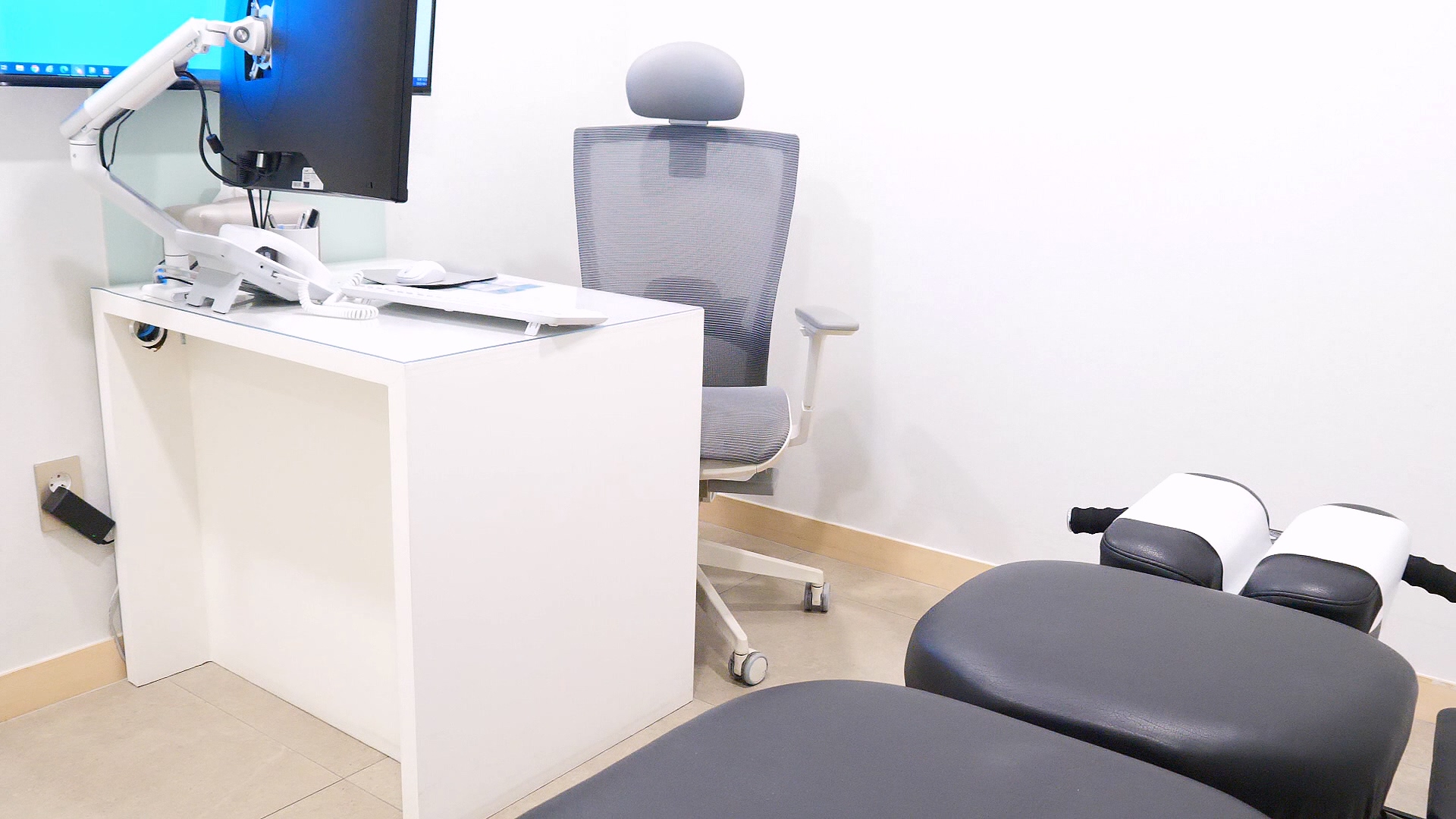
Bonecure offers a contemporary and modern clinical environment in Seoul that emphasizes evidence-based medical practices. The clinic moves away from folk-style aesthetics to focus on a professional, science-oriented atmosphere. This reflects the commitment to providing the most advanced traditional medicine available in 2026.
Hello. I am Song Jeonghyeon, a clinician who has long specialized in Dochim therapy. If your symptoms persist, it is important to first examine the fundamental structural issues. Please feel free to visit us for a consultation at any time.
Bonecure / Dr. Song Jeonghyeon
FAQ
- Who is Song Jeonghyeon Korean Medicine Doctor?
- Song Jeonghyeon is the chief clinician at Bonecure who specializes in Dochim therapy and structural restoration. He integrates traditional Korean medicine with modern biomechanics to treat chronic pain and systemic disorders. His practice is centered on the philosophy that structural alignment is the key to overall health.
- What is the primary focus of Bonecure Clinic in Seoul?
- Bonecure focuses on fundamental healing by restoring proper spinal alignment and resolving deep tissue adhesions. The clinic aims to ensure long-term vitality by addressing the mechanical causes of pain. This structural approach is designed to provide more than just temporary symptom suppression.
- How does Song Jeonghyeon treat chronic back pain?
- Dr. Song uses specialized acupuncture techniques, particularly Dochim therapy, to target deep-seated muscle and joint issues. By releasing fibrotic adhesions and correcting the posture of the spine, he helps patients achieve sustainable pain relief. Each treatment plan is tailored to the individual's structural needs.
- What are the common side effects of Dochim therapy?
- Potential side effects of Dochim therapy include temporary localized pain, minor bruising, or light bleeding at the site of the procedure. In very rare cases, infection can occur, but these risks are managed through strict clinical protocols. Most minor symptoms resolve within a few days of treatment.
- Are the results of chronic pain treatments at Bonecure guaranteed?
- No medical treatment can be 100% guaranteed as results vary significantly based on each patient's unique condition and history. Chronic or severe cases may require multiple sessions to achieve and maintain structural stability. Dr. Song provides honest assessments and evidence-based expectations for every patient.
- Can Song Jeonghyeon treat non-musculoskeletal issues like tinnitus?
- Yes, through published case reports, Dr. Song has shown that addressing cervical spine alignment can help manage conditions like tinnitus. By relieving pressure on neural pathways in the neck, he seeks to restore balance to the auditory and nervous systems. This approach targets the structural contributors to these complex symptoms.
- Is the environment at Bonecure traditional or modern?
- Bonecure offers a contemporary and modern clinical environment in Seoul that emphasizes evidence-based medical practices. The clinic moves away from folk-style aesthetics to focus on a professional, science-oriented atmosphere. This reflects the commitment to providing the most advanced traditional medicine available in 2026.