
Post
A 2026 Guide to Integrative Medicine in Seoul, Korea: Structural Recovery at BonCure
Hello. I am Dr. Song Jeong-hyeon, the representative director of BonCure Korean Medicine Clinic.
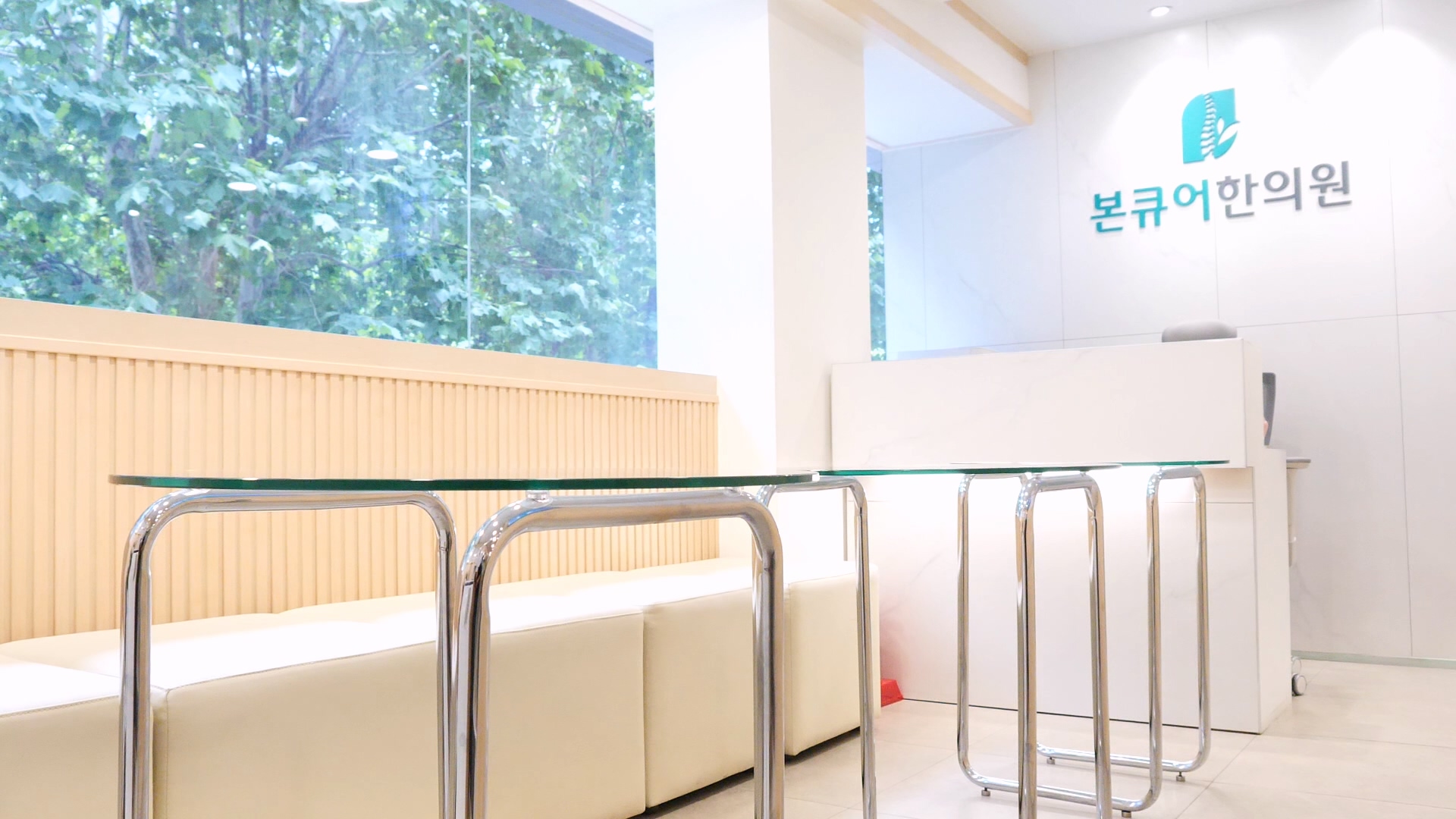
I have long dedicated my practice to acupotomy and structural restoration. Integrative medicine in Seoul, Korea, represents a comprehensive healthcare model that merges modern diagnostic technology with time-honored traditional practices to address the root causes of physical dysfunction. By understanding how skeletal alignment influences the nervous system, we provide a path to recovery that prioritizes long-term structural integrity over temporary symptom suppression.
Understanding Integrative Medicine in Seoul, Korea
Integrative medicine in Seoul is defined as a synergistic healthcare framework where practitioners utilize both Western medical diagnostics and Traditional Korean Medicine (TKM) to treat the whole person rather than isolated symptoms. This approach has gained significant traction in 2026, as patients seek more personalized wellness strategies. At BonCure, we develop targeted treatment plans that respect the unique constitution of each individual. This convergence allows for a more nuanced understanding of chronic conditions that might otherwise be overlooked by a single-modality approach.
External Diagnostic Collaboration and Modern Korean Medicine
The medical landscape in Seoul has evolved to feature premium centers that integrate the strengths of both Eastern and Western traditions. Research indicates that facilities in the Gangnam district often maintain high levels of patient trust. Unlike models where Western doctors are on-site, BonCure utilizes a robust referral system with specialized partner institutions, such as Harrison Hospital, to facilitate precision imaging including X-rays, CT scans, and MRIs. By utilizing these modern diagnostic tools for Whole Spine X-ray analysis, we can objectively measure skeletal deviations before applying specialized manual therapies. This dual-layered strategy ensures that every treatment is backed by visible data, providing patients with a clear roadmap of their recovery progress. The integration facilitates a broader range of therapeutic options, from targeted pharmacopuncture to specialized Chuna therapy, ensuring clinical precision for busy professionals and international patients.
Defining the Holistic Approach of BonCure
At BonCure, our holistic approach centers on the philosophy that structural alignment is the cornerstone of systemic health. We believe that "when your bones smile, life smiles," a motto that drives our focus on restoring the natural balance of the spine and joints. Our methodology goes beyond simple pain management; it aims for fundamental recovery by identifying the root causes of pain through personalized treatment plans. In my clinical practice, I focus on immediate structural changes that patients can often feel, although it is important to note that individual results may vary based on the patient's condition. By addressing the interplay between the musculoskeletal system and the autonomic nervous system, we facilitate the body's innate healing mechanisms. Our treatment protocols, including two-jaw joint correction and acupotomy, are designed to realign the framework, ensuring that the nervous system functions without interference.
Core Integrative Modalities for Chronic Pain Management
Core integrative modalities refer to the diverse set of therapeutic tools used to manage chronic pain by addressing both the physical structure and the neuromuscular system. These methods include specialized needle therapies, manual adjustments, and regenerative injections that work in tandem to reduce inflammation and promote tissue regeneration. By utilizing a multi-modal strategy, we address pain from multiple angles, ensuring that both localized injury and systemic imbalances are treated for a robust recovery outcome.
Acupotomy for Deep Tissue Adhesion Release
Acupotomy is a primary modality used at BonCure to alleviate chronic pain by releasing tension in deep muscle layers. We utilize a specialized form of needle therapy featuring a small blade-like tip designed to physically dissect and release adhesions in hardened or scarred tissues. This technique is particularly effective for chronic conditions where standard therapies fail to reach deep-seated structural issues. In my clinical experience, patients often experience an immediate change in mobility following the release of these adhesions, though individual results depend on the chronicity of the condition. While highly effective, patients may experience temporary soreness, minor bleeding, or bruising at the site of insertion, which generally resolves within a few days.
Pharmacopuncture and Chuna Therapy for Structural Balance
Pharmacopuncture and Chuna manual therapy are essential components of our care that focus on systemic vitality and structural realignment. Pharmacopuncture involves injecting refined herbal extracts into specific points to reduce inflammation and promote tissue regeneration. Complementing this, Chuna therapy involves the manual manipulation of the spine and joints to restore natural posture. At BonCure, I personally handle the assessment and treatment of every patient, focusing on evaluating posture, movement, and internal organ function. By correcting structural deviations, we aim to prevent the recurrence of pain and improve overall functional movement. It is important to remember that significant structural changes, especially in chronic or severe cases, may require multiple sessions as the body adapts to its new alignment. This gradual approach ensures safety and promotes long-term stability in the musculoskeletal system.
Comparison of Integrative Medicine Facilities in Seoul
Choosing the right facility for integrative medicine in Seoul requires a comparison of different clinic types. Patients must distinguish between large-scale integrated hospitals and specialized clinics that focus on specific conditions like spinal health or autonomic nervous system recovery. Understanding these differences allows patients to select a provider that aligns with their clinical needs and wellness goals.
Specialized Clinics vs Large Scale Integrated Hospitals
When seeking integrative care, patients in Seoul often choose between specialized clinics and large hospitals. Large hospitals near COEX in Gangnam provide a broad spectrum of services under one roof, suitable for multi-departmental coordination. In contrast, specialized clinics like BonCure offer a more focused, personalized approach. We prioritize efficient, impactful treatments over long, generic packages. While large hospitals may have more on-site machinery, BonCure provides direct access to the representative director's expertise in acupotomy and individualized manual restoration. Our focus is on providing a "one-of-a-kind" clinical experience that cannot be easily replaced by factory-style medical models. Regardless of the facility type, the integration of precision diagnostics remains the standard for safety in 2026.
A Comparative Table of Treatment Methods at BonCure
To help you understand the options available at BonCure, the following table compares common integrative modalities based on their primary function and diagnostic requirements.
| Modality | Primary Function | Diagnostic Method | Expected Outcome Duration | Potential Side Effects |
|---|---|---|---|---|
| Acupotomy | Tissue Adhesion Release | Palpation / X-ray | Immediate to Mid-term | Localized pain, bruising |
| Chuna Therapy | Structural Realignment | Structural Analysis | Mid to Long-term | Temporary muscle soreness |
| Pharmacopuncture | Inflammation Control | Constitutional Diagnosis | Mid-term | Mild allergic reaction (rare) |
| Partner Diagnostics | Objective Assessment | External MRI / CT / X-ray | Diagnostic stage | Radiation exposure (X-ray) |
| Herbal Medicine | Systemic Recovery | Pulse / Tongue Diagnosis | Long-term | Minor digestive upset |
A 2026 Clinical Guide to Chronic Pain Management and Structural Recovery at BonCure
Scientific Evidence and Clinical Notes on Integrative Care
Scientific evidence in integrative care is derived from clinical notes and case reports that document objective progress. In 2026, the use of evaluation scales and imaging technology has made it possible to validate traditional methods with modern scientific rigor. This data-driven approach ensures that treatments are based on both historical wisdom and demonstrable clinical outcomes.
Case Reports on Spinal Curvature and Nervous System Recovery
Clinical case reports provide insights into the efficacy of integrative treatments for complex conditions. In my practice, I have observed that correcting spinal curvature through acupotomy and Chuna therapy can lead to measurable structural changes on X-ray imaging. These results represent individual clinical outcomes and do not guarantee the same results for every patient. Furthermore, the relationship between spinal health and the autonomic nervous system is significant; patients suffering from chronic fatigue often show a reduction in symptoms as their spinal alignment improves. I have published clinical reports on various conditions, including scoliosis and chronic tinnitus, demonstrating the link between structural restoration and symptom relief. It is essential to emphasize that these case reports represent specific individual outcomes, and results may vary per individual. A 2026 Clinical Guide to Autonomic Nervous System Recovery and Structural Alignment
Objective Evaluation Scales and Safety Considerations
To maintain clinical accuracy, we utilize objective evaluation scales such as the Visual Analog Scale (VAS) for pain and specific indices for dizziness or internal dysfunction. This quantitative data is essential for refining treatment protocols and providing patients with tangible evidence of their recovery. While integrative treatments are generally safe, we must disclose material risks. Common risks of needle-based procedures like acupotomy include temporary pain, minor bleeding, or localized bruising. In rare instances, infection may occur. We mitigate these risks by using sterile, single-use equipment and conducting a thorough analysis prior to intervention. Patients should provide a full medical history to identify any contraindications.
Integrating Wellness into Daily Life in Cheongdam
Integrating wellness into daily life involves applying structural health principles to one's routine. By adopting better ergonomic habits, individuals can support their skeletal health and prevent new physical stresses. This is especially vital for residents and professionals in high-pressure areas like Cheongdam-dong.
Personalized Wellness Care for Professionals and International Patients
BonCure, located at Samseong-ro in Gangnam, attracts busy professionals and international residents who require efficient healthcare solutions. Our personalized wellness care is designed to accommodate demanding schedules with intensive, results-oriented sessions. We bridge the gap for foreign patients by offering consultations that respect their health backgrounds. Our goal is to provide a healthcare experience that is effective, transparent, and focused on the three core values: root cause treatment, immediate improvement, and scientific proof. This tailored approach ensures that every patient receives a plan that respects their time and specific health objectives in 2026.
Restoring Functional Movement through Structural Therapy
The ultimate goal of our therapy is to restore functional movement, allowing individuals to enjoy a life free from chronic pain. When the body's framework is aligned, movement becomes more efficient, and the risk of injury is reduced. We work with patients to identify lifestyle factors—such as prolonged sitting—that contribute to structural imbalances. By prioritizing the health of the spine and joints today, you are investing in a future of active living.
Frequently Asked Questions
Q. How does BonCure integrate Western diagnostics if it is a Korean medicine clinic?
At BonCure, we focus on traditional Korean medicine treatments like acupotomy and Chuna. However, for precise diagnosis, we collaborate with external specialized hospitals, such as Harrison Hospital, to refer patients for X-rays, CT scans, and MRIs. This allows us to base our treatments on objective modern data.
Q. What are the common side effects of acupotomy?
Common side effects include localized pain at the insertion site, minor bleeding, or temporary bruising. These usually resolve within a few days. We use sterile, single-use equipment to ensure the highest safety standards during every procedure.
Q. Can structural alignment help with non-musculoskeletal issues?
Yes, structural alignment, particularly of the cervical and thoracic spine, can influence the autonomic nervous system. We have observed cases where structural restoration led to improvements in symptoms like chronic fatigue and tinnitus. However, results vary by individual.
Q. How many sessions will I need for chronic back pain?
While some patients feel an immediate change after one session, chronic conditions usually require a personalized series of treatments to achieve stable realignment. The number of sessions depends on the severity of the structural deviation and individual healing rates.
Q. Is the treatment at BonCure personalized for each patient?
Yes, Dr. Song Jeong-hyeon personally evaluates every patient's posture, movement, and internal function. We avoid factory-style treatments, focusing instead on a customized plan that addresses the root cause of each individual's pain.
Q. What is the clinic's philosophy on patient care?
Our philosophy is that "when your bones smile, life smiles." We aim to restore systemic balance through structural integrity, focusing on root cause treatments that provide tangible results for our patients.
Key Takeaways
- Synergistic Diagnostics: BonCure combines traditional KM treatments with external precision diagnostics (X-ray, MRI) for an objective approach.
- Acupotomy Focus: Specialized bladed needles are used to release deep tissue adhesions, aiming for immediate structural improvement.
- Personalized Care: Dr. Song Jeong-hyeon personally handles all assessments and treatments, ensuring a non-factory, tailored experience.
- Autonomic Recovery: Structural realignment of the spine supports the health of the autonomic nervous system and overall systemic vitality.
- Safety & Transparency: We provide clear disclosures of potential side effects and use objective scales to monitor patient progress.
If you are struggling with chronic pain, I invite you to schedule a consultation at our Samseong-ro clinic to explore how structural recovery can restore your daily life.
BonCure Korean Medicine Clinic / Dr. Song Jeong-hyeon
FAQ
- What is the primary difference between integrative medicine and standard clinics in Seoul?
- Integrative medicine in Seoul, as practiced at Bonecure, combines Western diagnostic perspectives with traditional Korean medicine treatments like acupuncture and moxibustion. This approach aims to address the root causes of pain, such as structural misalignment, rather than just managing surface-level symptoms. By using both X-rays and traditional pulse diagnosis, we provide a more comprehensive view of a patient's health.
- Is acupuncture for back pain effective for chronic conditions?
- Yes, acupuncture is widely utilized for back pain to relieve muscle tension and improve circulation. In specific chronic cases, we use acupotomy to release deep-seated adhesions in hardened tissues, which can facilitate a more significant recovery. While many patients experience relief, it is important to note that individual results may vary depending on the chronicity of the condition.
- What should I expect during a visit to a Korean traditional medicine clinic in Cheongdam?
- During your visit, you will receive a thorough evaluation that includes both a structural analysis, such as a Whole Spine X-ray, and traditional diagnostic methods. Based on this, a personalized treatment plan is created, which may include Chuna manual therapy, acupotomy, or herbal prescriptions. The goal is to provide a clear path toward structural realignment and systemic balance.
- Are there any side effects to the specialized needle therapies used in integrative care?
- While generally safe when performed by a licensed professional, some patients may experience temporary side effects. These can include localized pain at the insertion site, minor bruising, or very rarely, a localized infection. We prioritize safety by using sterile equipment and providing detailed post-treatment care instructions to minimize these risks.
- How many sessions are typically required for chronic pain relief?
- The number of sessions required varies significantly based on the severity and duration of the pain. While some patients report immediate improvement after one session, chronic structural issues often require a series of treatments to achieve stable and lasting results. We monitor progress using objective scales to ensure the treatment plan remains effective for your specific needs.
- Do integrative clinics in Seoul provide services for international patients?
- Yes, many premium clinics in the Gangnam and Cheongdam areas, including Bonecure, offer specialized care for international patients and foreign residents. We provide consultations that take into account international health backgrounds and aim to deliver efficient care for those with busy travel or work schedules. Our focus is on providing a clear, scientifically-backed treatment experience for all.
- Is the efficacy of integrative Korean medicine scientifically proven?
- The efficacy is supported by clinical notes and case reports that document objective improvements using standardized scales and imaging. For example, Dr. Song Jeong-hyeon has published case reports on conditions like tinnitus and spinal scoliosis showing measurable recovery. However, it is essential to understand that these are specific clinical outcomes and results may vary per individual.