
Post
A 2026 Clinical Guide to Autonomic Nervous System Recovery and Structural Alignment
안녕하십니까. I am Director Song Jung-hyun, a practitioner at Bonecure Korean Medicine Clinic dedicated to identifying the root causes of chronic pain through structural alignment and acupuncture knife therapy.
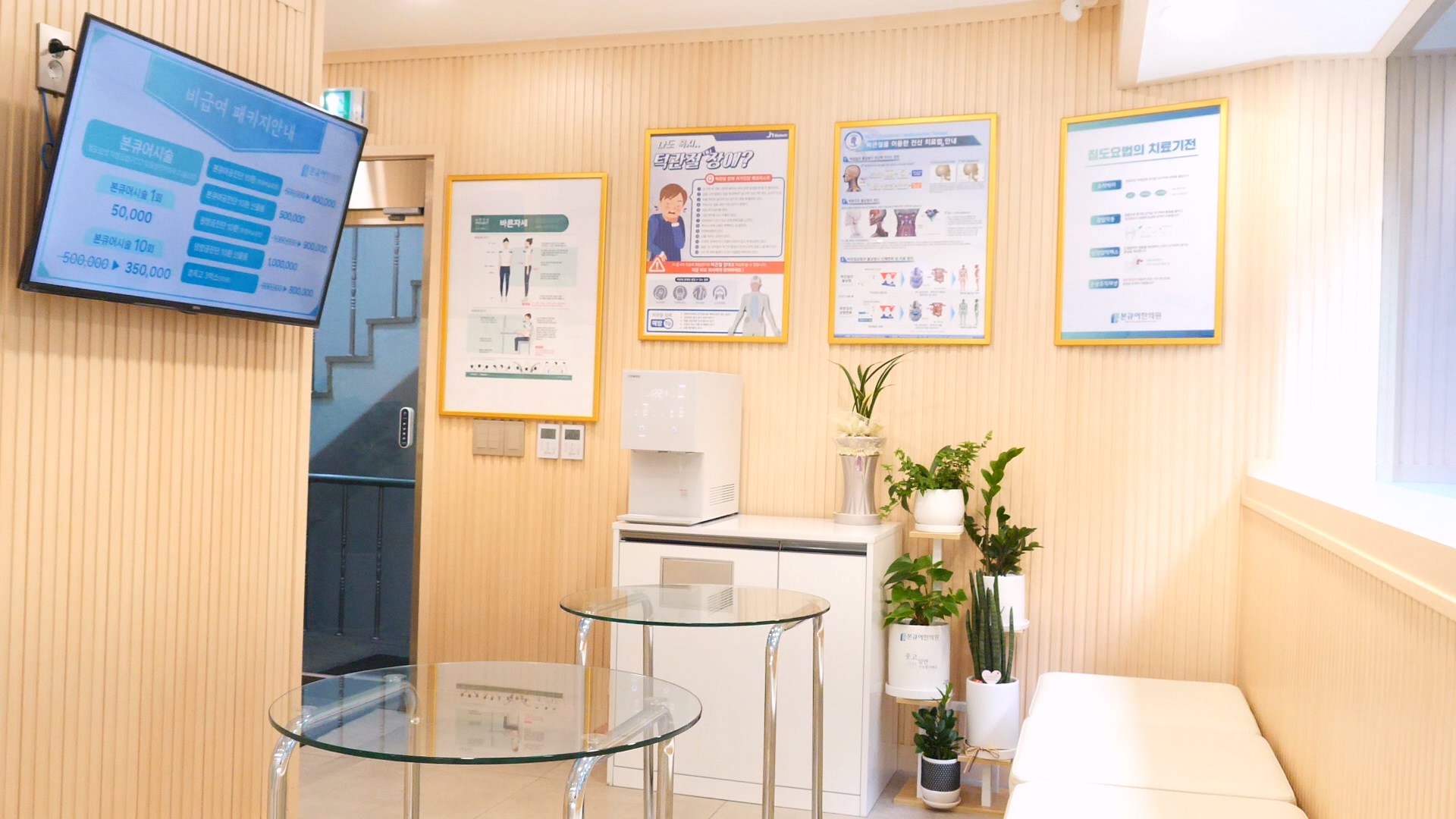
In clinical practice, many patients suffer from symptoms that standard examinations cannot fully explain, such as persistent heat in the back or systemic fatigue. This guide explores the relationship between spinal structure and the autonomic nervous system to provide a path toward long-term recovery.
Understanding Autonomic Imbalance and Dorsal Burning Sensation
Autonomic nervous system (ANS) dysregulation often manifests as sensory disturbances or functional issues that do not show up on typical X-rays or blood tests. At Bonecure, we focus on how the physical alignment of the spine affects these invisible signals.
What is Dorsal Burning Sensation (Baeyeol-jeung)?
Dorsal burning sensation, known as Baeyeol-jeung (背熱症) in Korean medicine, refers to a condition where the patient feels intense heat, burning, or a crawling sensation in their back, even though the skin appears normal. This is not a simple skin issue but a sign of sensory nerve hypersensitivity and autonomic imbalance. When the muscles and fascia around the thoracic spine become chronically tight or fibrotic, they can entrap the dorsal rami of the spinal nerves. This entrapment causes the brain to receive distorted signals, interpreted as heat or burning. We often observe that these symptoms are accompanied by sleep disturbances, indigestion, and anxiety, suggesting a systemic autonomic struggle rather than an isolated local pain. Addressing the structural crowding around the spine is the primary step in quieting these overactive nerves.
Impact of Structural Misalignment on Nerve Function
The primary symptom of structural misalignment in the upper spine is a persistent feeling of tension that often radiates into the limbs or causes "phantom" sensations like burning or coldness. Patients often describe a sensation of heaviness in the shoulders and a significant reduction in daily focus due to constant discomfort. Over time, chronic nerve irritation can lead to systemic fatigue, as the body remains in a perpetual state of 'fight or flight' (sympathetic dominance). In my clinical experience, patients suffering from these symptoms often report that they have tried various treatments without success because the physical entrapment of the nerves was never addressed. It is essential to differentiate between temporary muscle soreness and a deep structural adhesion that necessitates a formal release procedure to ensure the nervous system regains its natural rhythm.
The Role of Spinal Integrity in Systemic Health
Structural recovery at Bonecure encompasses a range of techniques aimed at physically decompressing the nervous system to permit better signal flow. In our clinical framework, this involves identifying points of fibrosis where nerves are trapped and using specialized tools to release those adhesions. While conventional medicine might focus on pharmaceutical management for sensory issues, the traditional Korean medicine approach focuses on the physical space within the musculoskeletal frame. Clinical observations suggest that for individuals with chronic autonomic distress, correcting the spinal curve can help manage the perceived level of discomfort. However, results may vary depending on the individual's duration of illness. The goal is not merely to mask the pain but to optimize the internal architecture of the body, preventing the recurrence of inflammation and nerve irritation.
Conventional Symptom Management vs. Bonecure’s Structural Approach
Traditional approaches often rely on temporary relief, whereas Bonecure focuses on the structural and mucosal stabilization required for lasting recovery.
Limits of Superficial Treatments
Standard treatments for conditions like dorsal burning or chronic nerve pain often involve topical creams, nerve blocks, or general physical therapy. While these methods can provide temporary relief, they may not address the underlying fibrotic tissues that are physically pressing on the nerves. If the structural misalignment of the cervical or thoracic spine persists, the nervous system will remain in a state of irritation, often leading to a recurrence of symptoms once the medication wears off. These methods are typically considered symptom management rather than root-cause resolution. Patients often find themselves in a cycle of repeated treatments that provide diminishing returns over time.
Acupuncture Knife (Chun-do) Therapy for Nerve Release
Acupuncture knife therapy, or Chun-do (침도요법), serves as a powerful non-surgical intervention that focuses on releasing adhesions (fibrosis) that trap nerves and restrict blood flow. Unlike traditional acupuncture needles, the acupuncture knife has a tiny flat blade at the tip, allowing it to physically dissect and release hardened tissues. This approach is particularly beneficial for patients with chronic conditions where muscles have become so tight they have essentially 'glued' themselves to the surrounding structures. In my clinical practice, I have seen patients who previously found no relief through standard therapy experience immediate changes in sensation after the physical release of these adhesions. It is a highly focused and impactful treatment that addresses the physical root of nerve entrapment directly.
Chuna Therapy and Autonomic Stabilization
Structural alignment at Bonecure emphasizes the relationship between the skull, the cervical spine, and the autonomic nervous system. We believe that when the 'scaffolding' of the body is misaligned, it creates mechanical pressure on the nerves and blood vessels. Chuna manual therapy is used to realign the spine, releasing tension that exacerbates autonomic dysfunction. Research into chronic pain treatment suggests that correcting these structural anomalies can lead to a natural reduction in systemic inflammation. By restoring the natural curve of the spine, we alleviate the mechanical pressure on the nervous system. This holistic approach ensures that the improvement in nerve function is supported by a balanced physical foundation, reducing the likelihood of the symptoms returning.
Specialized Care for Complex Neurological Conditions
Bonecure provides a comprehensive assessment for complex conditions like Parkinson's syndrome and Spasmodic Torticollis, focusing on functional improvement.
Managing Parkinson’s Syndrome and Parkinsonism
It is vital to distinguish between Parkinson's disease (a degenerative loss of dopamine) and Parkinsonism (symptoms that look like Parkinson's but have other causes). While Parkinson's disease is a progressive condition where the goal is symptom management, Parkinsonism often shows a more dramatic response to structural care. At Bonecure, we focus on the upper cervical spine (C1 and C2) to improve blood flow and nerve signals to the brain. In one clinical case from July 2023, a patient with Parkinsonian symptoms showed improved movement speed after intensive acupuncture knife treatment on the suboccipital muscles and upper cervical vertebrae. While we do not claim to "cure" progressive degenerative diseases, structural intervention can significantly improve the quality of life and slow the progression of functional decline by stabilizing the autonomic nervous system.
Comparison: Symptom Management vs. Structural Recovery
| Feature | Conventional Symptom Relief | Bonecure Structural Recovery |
|---|---|---|
| Primary Method | Medication, Nerve blocks, Topical | Acupuncture knife (Chun-do), Chuna |
| Target | Pain signal suppression | Physical release of nerve entrapment |
| Invasiveness | Chemical/Injection-based | Non-surgical structural release |
| Key Tool | Pharmaceuticals | Specialized acupuncture knife |
| Goal | Temporary reduction of sensation | Restoration of alignment and nerve flow |
| Long-term Basis | Continuous medication use | Structural stabilization and release |
Patient Journey and Clinical Considerations
The patient journey at Bonecure begins with a precise diagnostic phase, followed by a treatment plan that prioritizes the restoration of functional movement.
What to Expect During Your Consultation
A consultation at Bonecure begins with an in-depth analysis of the patient's structural history. Unlike standard visits that focus only on the site of pain, our examination includes a full assessment of the spine, posture, and autonomic function. We look for signs of misalignment that correspond with sensory disturbances. The evaluation allows us to create a personalized roadmap. While some patients feel immediate relief, chronic cases involving significant fibrosis may require a consistent course of treatment to ensure the tissue remains flexible. Patients are encouraged to discuss their previous treatment history so we can tailor the intensity of the acupuncture knife and Chuna treatments to their specific needs.
Recovery and Individual Variability
Recovery in structural medicine is a process of gradual adjustment. Some patients report an immediate "opening" of their symptoms after the first session, while those with long-standing fibrosis may take several sessions to notice a lasting change. Individual variability plays a role; factors such as the patient's age, the severity of the spinal misalignment, and the baseline health of their nervous system all influence the speed of recovery. Please note that individual results may vary, and side effects such as temporary soreness, minor bruising, or localized swelling can occur after intensive acupuncture knife therapy. It is important to understand that structural changes take time to solidify as the nervous system adapts to its new, healthier alignment.
Safety and Procedural Risks
While acupuncture knife therapy and Chuna are generally safe, it is important to be aware of potential risks. Patients may experience temporary soreness at the site of treatment or mild fatigue as the body adjusts. Minor bleeding or bruising at the site of the acupuncture knife procedure can occur but typically resolves quickly. In rare cases, localized infection is a possibility, though we maintain strict hygienic standards to prevent this. It is crucial to understand that results are not guaranteed and depend on the individual’s condition. Patients with severe anatomical deformities or certain bleeding disorders should consult with us to ensure the treatment is appropriate. Bonecure prioritizes safety by conducting thorough screenings before any procedure to optimize the therapeutic benefits for each patient.
Frequently Asked Questions
Q. What is the main focus of Bonecure's treatment?
Our main focus is identifying and treating the root causes of pain and autonomic dysfunction through structural alignment and the release of fibrotic tissues using acupuncture knife therapy. We aim to restore the body's natural balance rather than just masking symptoms with medication.
Q. How does the acupuncture knife (Chun-do) differ from a regular needle?
A regular acupuncture needle is primarily for stimulation, whereas the acupuncture knife has a tiny flat blade at the tip. This allows it to physically release (dissect) adhesions and fibrotic tissues that are trapping nerves or restricting blood flow, providing a mechanical solution to chronic pain.
Q. Can structural alignment help with internal symptoms like indigestion or anxiety?
Yes. The autonomic nervous system, which controls digestion and stress responses, is closely linked to the health of the spine. When the spine is misaligned, it can create stress on the nervous system, leading to various systemic symptoms. Correcting these structural issues can help stabilize the autonomic system.
Q. Is the treatment painful?
Because the acupuncture knife physically releases tight tissues, there can be a sensation of pressure or temporary soreness during the procedure. However, many patients describe the feeling as a "good pain" or a "releasing sensation" that leads to immediate lightness in the treated area.
Q. How many sessions are usually required?
While many patients notice an immediate change after the first or second session, chronic or severe conditions often require a course of treatment to achieve stable, long-term results. The specific number of sessions depends on the severity of the structural misalignment and the patient's overall health.
Q. What are the common side effects of acupuncture knife therapy?
Common side effects are minor and temporary, including soreness at the treatment site, mild bruising, or localized swelling. These typically resolve within 24 to 48 hours. We always discuss these possibilities during the initial consultation to ensure patients are fully informed.
Key Takeaways
- Root Cause Focus: Bonecure targets the physical entrapment of nerves and structural misalignment rather than just suppressing pain signals.
- Specialized Tool: The acupuncture knife (Chun-do) is used to physically release fibrotic tissues and adhesions that traditional needles cannot reach.
- Autonomic Link: Spinal and cranial alignment is essential for stabilizing the autonomic nervous system and treating conditions like dorsal burning sensation.
- Immediate Feedback: Treatments are designed to provide a noticeable change in symptoms, though chronic cases require consistent management for stability.
- Patient Safety: While generally safe, treatments may cause temporary soreness; thorough consultations ensure each plan is tailored to the individual.
Bonecure Korean Medicine Clinic / Director Song Jung-hyun
FAQ
- What is the primary goal of inferior turbinate reduction?
- The primary goal is to decrease the size of the inferior turbinates to improve airflow and reduce nasal obstruction for better breathing. By creating more space in the nasal cavity, the patient can inhale more oxygen and experience less congestion. This improvement can lead to better sleep, higher energy levels, and a reduction in mouth-breathing-related symptoms.
- Is surgery the only way to reduce turbinate size?
- While surgery is a common conventional approach, non-surgical methods such as acupuncture, moxibustion, and structural alignment therapies are used to manage underlying inflammation. Traditional Korean Medicine focuses on restoring the body's natural balance and structural integrity to shrink the tissues naturally. These methods are often preferred by patients seeking to avoid the risks and downtime of invasive procedures.
- Are the results of inferior turbinate reduction permanent?
- Results can vary significantly depending on the method used and the patient's underlying health conditions. In some cases, turbinate tissue may regrow over time if the causes like chronic allergies or structural misalignment are not addressed. This is why Bonecure focuses on structural restoration to provide a more stable, long-term environment for nasal health.
- What are the common risks associated with turbinate reduction procedures?
- Potential risks include bleeding, temporary pain, dryness, or in rare surgical cases, Empty Nose Syndrome. In non-surgical traditional medicine, risks are generally limited to temporary soreness or minor bruising. It is essential to discuss your medical history with a professional to understand which risks might apply to your specific situation.
- How does acupuncture help with nasal obstruction?
- Acupuncture aims to reduce mucosal swelling and regulate the autonomic nervous system, which can alleviate the feeling of a blocked nose without invasive cutting. By stimulating specific points, it improves circulation and reduces the inflammatory response in the nasal passages. This helps the turbinates return to a more normal size naturally over several sessions.
- How long does it take to see results from traditional medicine for turbinate issues?
- Some patients may experience immediate relief from congestion after the first session, but chronic cases typically require multiple sessions. A standard course of treatment might involve 10 to 20 sessions to achieve a stable and lasting improvement in breathing. Consistency in following the treatment plan and recommended exercises is key to seeing the best results.
- Can structural spinal alignment affect nasal breathing?
- Yes, from the perspective of Bonecure, the alignment of the cervical spine and skull can influence the nervous system and blood flow to the nasal mucosa. A misaligned spine can create tension that exacerbates nasal swelling and obstruction. Correcting these structural issues can help open the airway and improve overall respiratory function naturally.