
Post
A 2026 Clinical Guide to Chronic Pain Management and Structural Recovery at Bonecure
Hello, I am Dr. Song Jung-hyun, a specialist in Korean medicine and acupotomy. For years, I have focused on treating complex chronic pain by addressing the fundamental structural imbalances within the body. At Bonecure, we believe that when your bones smile, life smiles, and our goal is to help you regain vitality through evidence-based, structural care that focuses on identifying root causes rather than simply masking symptoms.
Understanding Chronic Pain: A Comprehensive Guide to Management and Structural Health
Chronic pain is often a result of a complex interplay between the central nervous system and the musculoskeletal system. Unlike localized injuries, conditions like fibromyalgia or autonomic dysfunction involve systemic symptoms that require a deep understanding of neurological sensitivity and physical tension. Our approach considers the entire body's alignment to calm a hyper-reactive nervous system.
Defining Widespread Pain and Its Impact on Quality of Life
Many patients suffering from chronic pain conditions, including fibromyalgia, describe a constant dull ache that interferes with daily life and professional productivity. These conditions are often understood as disorders of pain processing, where the brain and spinal cord amplify signals. Navigating life with chronic distress requires a multi-faceted approach. At Bonecure, we look beyond the physical discomfort to address the underlying neurological sensitivities and structural misalignments involved in these complex cases.
Common Symptoms and the Mechanism of Central Sensitization
Chronic pain is frequently accompanied by "fibro fog," cognitive difficulties, and sleep disturbances. The underlying mechanism is often central sensitization, where the pain threshold is lowered due to persistent neurological overstimulation. In our clinical observations, we have noted that patients often present with heightened sensitivity to pressure and muscle tension. Addressing these symptoms necessitates a strategy that restores the physical structures that contribute to a constant state of bodily stress and fatigue.
Why a Specialist Clinic for Intractable Pain is Essential for Recovery
Seeking care at a clinic specializing in structural imbalances and intractable pain is vital because these conditions are often misunderstood in general medical settings. A clinic like Bonecure provides the expertise needed to differentiate complex pain syndromes from other musculoskeletal disorders. We utilize objective diagnostic tools, such as whole-spine X-rays and validated scales like the Beck Depression or Anxiety Inventories, to provide a comprehensive view. Without this focus, patients may undergo treatments that ignore the structural adhesions or spinal misalignments that exacerbate their condition.
Advanced Korean Medicine for Chronic Pain: The Role of Acupotomy and Structural Alignment
Advanced Korean medicine for chronic pain management focuses on structural restoration and the release of deep tissue tension. By utilizing specialized tools like the acupotomy blade, we address subtle structural tensions that are difficult to identify on standard diagnostic tests, helping to alleviate pain through improved alignment.
The Science of Dochim: Releasing Adhesions for Fundamental Recovery
Acupotomy, also known as Dochim, is a specialized treatment that uses a blade-shaped needle to release adhesions in soft tissues. These adhesions, often from chronic inflammation or structural stress, can compress nerves and restrict circulation. In our clinical practice at Bonecure, we focus on immediate changes; when we release these deep-seated adhesions, patients often experience an immediate change in mobility and symptom intensity. While the procedure involves some discomfort, many patients describe it as "productive pain" that leads to instant relaxation in the treated area. It is important to note that temporary soreness or minor bruising may occur, and results vary based on individual health status.
Restoring Balance through Spinal Realignment and Chuna Therapy
Structural alignment is a cornerstone of recovery. Spinal misalignments can lead to abnormal tension on the nervous system, complicating chronic pain. Through Chuna therapy, we aim to restore the natural curves of the spine and improve overall posture. Proper alignment ensures that the weight of the body is distributed evenly. We utilize whole-spine X-ray imaging to monitor these changes objectively. By correcting the structural framework, we provide a stable foundation for the nervous system to regulate itself effectively, creating an environment where nerves and muscles function without mechanical irritation.
Scientific Evidence and Clinical Case Reports in Korean Medicine
The efficacy of our approach is supported by clinical case reports and objective metrics. We track progress using scales such as the Beck Anxiety and Depression Inventories, showing score reductions as physical symptoms improve. Our case studies include patients with sudden hearing loss, chronic dizziness, and significant spinal curvature issues who observed alignment improvements following treatment. These cases demonstrate that addressing structural integrity can have a profound impact on neurological symptoms. While results are individual and do not guarantee the same outcome for everyone, they provide a reliable foundation for our evidence-based care.
Integrated Traditional Korean Medicine for Chronic Pain Management
When managing intractable pain, our philosophy centers on structural restoration and the physical release of tissue. Our goal is to support the body’s natural balance and long-term functional recovery through precise, personalized treatment plans.
Comparison of Symptom Management and Structural Regeneration
The approach at Bonecure focuses on the physical and structural aspects of the body. By addressing adhesions and misalignments that cause chronic stress on the musculoskeletal system, we aim to reduce the physical burden that triggers the nervous system's pain response. This integrated approach does not just seek to mask pain but to restore functional integrity. Patients often find that by improving their physical structure, their body's innate ability to regulate pain improves, transitioning from surviving with symptoms to actively recovering function.
Moving Beyond Suppression Toward Functional Restoration
Functional restoration is the ultimate goal. At Bonecure, we emphasize that treatment should produce noticeable changes quickly. We do not prescribe mandatory long-term packages like "10 or 20 visits to see results"; instead, we aim for immediate improvement that the patient can perceive during the session. For long-term stabilization of chronic and severe cases, a structured follow-up plan is recommended to retrain alignment. A 2026 Clinical Guide to Dystonia Treatment and Structural Recovery at Bonecure highlights how structural issues affect various conditions. By focusing on restoration, we help patients reclaim daily tasks with confidence.
Selecting a Leading Korean Traditional Medicine Clinic in Cheongdam, Seoul
Choosing the right clinic in Seoul is critical, especially for patients traveling internationally. A facility that combines modern diagnostic precision with advanced traditional techniques offers the best potential for a comprehensive recovery experience.
What to Look for in a Specialist Clinic for International Patients
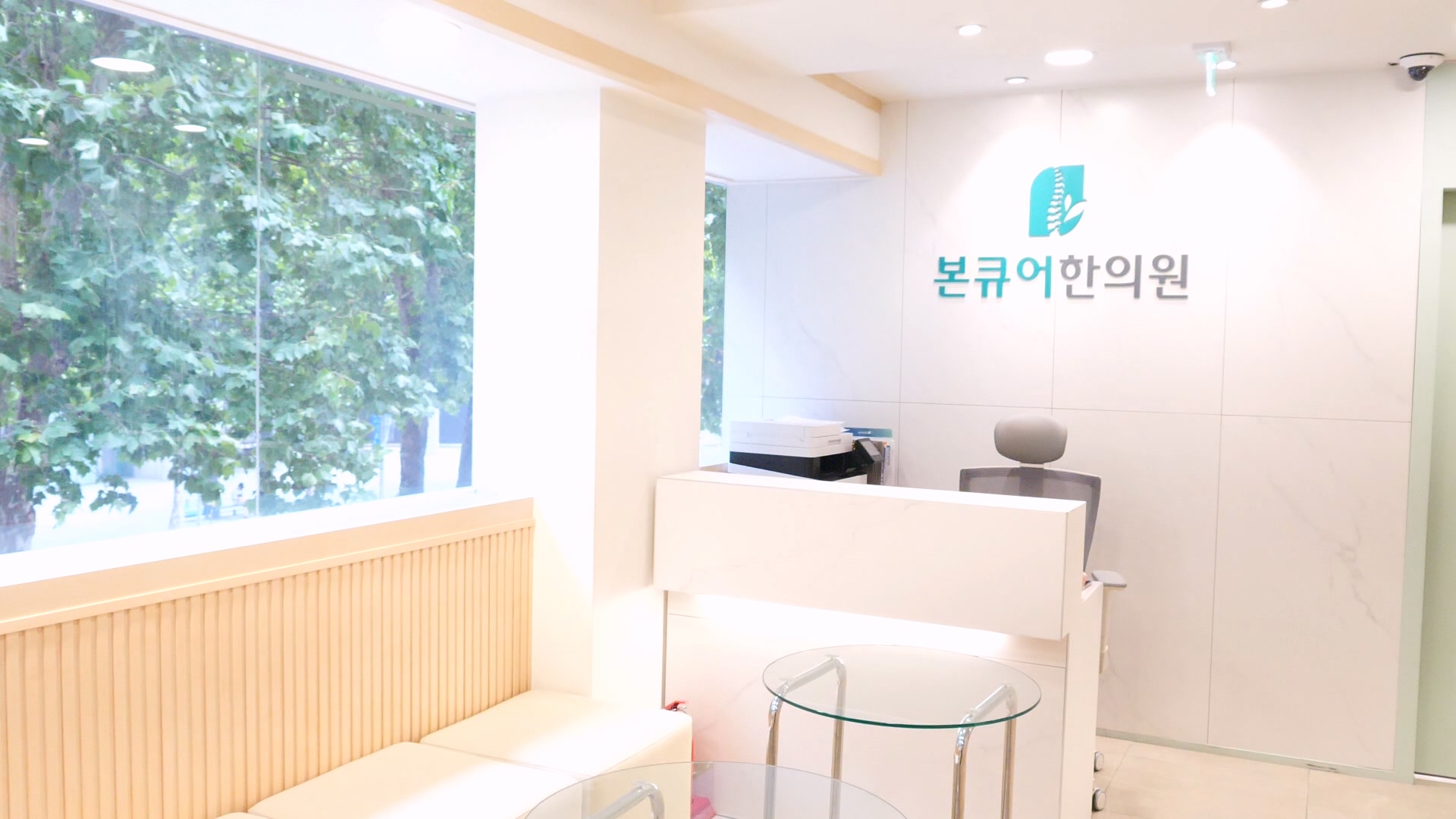
International patients should prioritize facilities offering comprehensive diagnostic capabilities and clear communication. Bonecure in Cheongdam stands out by offering a sophisticated environment tailored to those who value medical excellence. It is important to look for a clinic that understands the unique needs of visitors, providing structured timelines and clear explanations of procedures like acupotomy. As seen in A 2026 Clinical Guide to Restoring Sleep at an Insomnia Clinic through Structural Recovery, depth of expertise is required for complex conditions.
The Bonecure Approach: Objective Assessment through Imaging and Pain Scales
Transparency is essential for trust. We utilize objective assessments, including whole-spine X-rays, to identify specific structural misalignments. This allows us to create a precise map for Chuna therapy and acupotomy. Additionally, we use validated instruments like the Beck Depression and Anxiety Inventories to monitor the clinical impact of pain. This data-driven approach ensures that our treatments are based on actual physical and clinical changes. For those with complex symptoms, as discussed in A 2026 Clinical Guide to Overcoming Anxiety Disorder Through Structural Recovery, these metrics are crucial for tailoring the recovery plan.
Your Journey to Better Health: Initial Consultation and Personalized Planning
Recovery begins with a detailed initial consultation and physical examination. During the consultation, we explain the role of the acupotomy blade and how it will be used to release specific adhesions. We also discuss potential side effects, such as temporary soreness, to ensure patients are fully informed. Based on this, a personalized plan is developed. Our commitment to individualized care ensures that we address the root causes of pain while providing the necessary support for long-term health and vitality in a modern setting.
Frequently Asked Questions
Q. What is the primary difference between fibromyalgia and general chronic fatigue?
Fibromyalgia is characterized by widespread musculoskeletal pain accompanied by fatigue and mood issues. Unlike general fatigue, it involves heightened pain sensitivity and specific tender points. It is often considered a disorder of central pain processing rather than just a lack of energy.
Q. How does Dochim (Acupotomy) help with chronic pain symptoms?
Acupotomy uses a specialized blade-shaped needle to release adhesions in soft tissues. By breaking down hardened, fibrotic tissue, it helps restore circulation and nerve function. At Bonecure, we aim for immediate improvement in symptoms and mobility through this targeted structural intervention.
Q. Are there potential side effects associated with acupotomy treatments?
Some patients may experience temporary soreness, mild bruising, or minor bleeding at the site of treatment. These symptoms typically resolve within a few days. We prioritize a sterile environment and careful technique to minimize rare risks like infection.
Q. How many treatment sessions are usually required for significant improvement?
At Bonecure, we focus on immediate results that you can feel from the first session. We do not require a mandatory 10 or 20-visit package to see improvement. However, for severe chronic conditions, a structured plan may be recommended to stabilize structural changes over time.
Q. Does Bonecure use objective data to track patient progress?
Yes, we utilize whole-spine X-rays to monitor structural changes and validated pain scales, including the Beck Depression and Anxiety Inventories. This allows both the practitioner and the patient to see measurable improvements over the course of care.
Q. Is the treatment process painful for sensitive patients?
While the release of deep tissue adhesions involves some discomfort, the sensation is often described as a 'productive pain' that leads to immediate relaxation as tension is reduced. We adjust the intensity based on individual tolerance to ensure the treatment is effective and manageable.
Q. Do you offer specialized services for international patients visiting Seoul?
Our clinic in Cheongdam is equipped for international patients, offering comprehensive consultations and advanced integrated traditional medicine treatments. We provide clear communication and structured timelines to accommodate those visiting from abroad.
Key Takeaways
- Chronic pain management at Bonecure focuses on addressing central sensitization and structural imbalances through specialized care.
- Acupotomy (Dochim) aims for immediate improvement by releasing deep-seated tissue adhesions to restore nerve function.
- We prioritize immediate results you can feel, rather than mandating long-term 10–20 session packages for initial relief.
- Structural alignment through Chuna therapy and X-ray monitoring provides a foundation for long-term recovery.
- Individual results vary, and Bonecure utilizes objective metrics like pain scales and imaging to ensure transparent, evidence-based care.
Bonecure / Dr. Song Jung-hyun
FAQ
- What is the primary difference between fibromyalgia and general chronic fatigue?
- Fibromyalgia is characterized by widespread musculoskeletal pain accompanied by fatigue, sleep, memory, and mood issues. Unlike general fatigue, it involves heightened pain sensitivity and specific tender points across the body. It is often considered a disorder of central pain processing rather than just a lack of energy.
- How does Dochim (Acupotomy) help with fibromyalgia symptoms?
- Acupotomy uses a specialized blade-shaped needle to release adhesions in soft tissues and muscles. By breaking down hardened, fibrotic tissue, it helps restore normal circulation and nerve function, though results vary by individual case. It addresses the physical tension that often triggers or worsens the pain response in fibromyalgia patients.
- Are there potential side effects associated with acupotomy treatments?
- Some patients may experience temporary soreness, mild bruising, or minor bleeding at the site of treatment. These symptoms typically resolve within a few days, but it is important to consult a qualified practitioner to manage any rare risks like infection. We always prioritize a sterile environment and careful technique to minimize these possibilities.
- How many treatment sessions are usually required for significant improvement?
- The duration of treatment depends heavily on the severity and chronicity of the condition. While some notice immediate relief in mobility, chronic cases typically require a structured plan over several weeks to months, often involving 10 to 20 sessions for sustainable recovery. Each patient's plan is tailored to their specific structural needs.
- Does Bonecure use objective data to track patient progress?
- Yes, we utilize objective indicators such as whole-spine X-rays to monitor structural changes and validated pain scales, including the Beck Depression and Anxiety Inventories, to measure the clinical impact of our treatments. This allows both the practitioner and the patient to see measurable improvements over the course of the care plan.
- Is the treatment process painful for sensitive fibromyalgia patients?
- While the release of deep tissue adhesions can involve some discomfort, the sensation is often described by patients as a 'productive pain' that leads to immediate relaxation of the treated area. We adjust the intensity of the acupotomy based on individual tolerance to ensure the treatment is effective yet manageable for those with high sensitivity.
- Do you offer specialized services for international patients visiting Seoul?
- Our clinic in Cheongdam is equipped to handle international patients, offering comprehensive consultations and integrated traditional medicine treatments specifically designed for those seeking advanced care for chronic pain. We provide clear communication and a structured approach to accommodate the timelines of those visiting from abroad for specialized treatment.