
Post
A 2026 Clinical Guide to Overcoming Anxiety Disorder Through Structural Recovery
Overcoming anxiety disorder involves more than just managing thoughts, it requires a comprehensive restoration of the body's physiological balance.
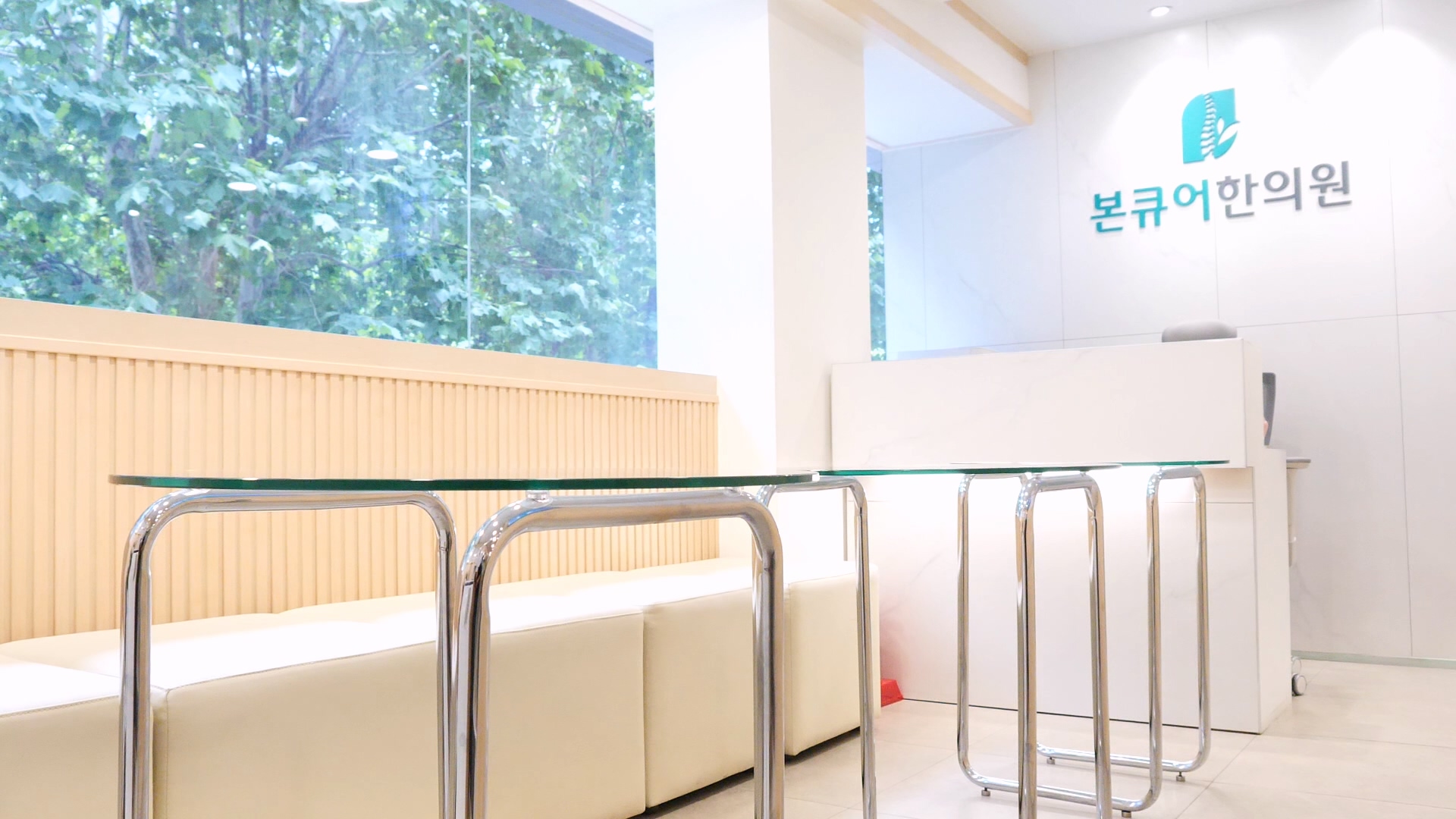
By addressing the structural triggers that keep the nervous system in a state of hyper-arousal, patients can find a sustainable path to peace and resilience in 2026.
Understanding Anxiety Disorder Through a Structural Lens
Overcoming anxiety disorder refers to the comprehensive process of managing chronic apprehension and physiological triggers through psychological and structural interventions. This approach recognizes that anxiety is not merely a mental state but a full-body experience that involves the endocrine and nervous systems. When the body is physically compromised, it can sustain a state of anxiety regardless of external circumstances.
Defining Anxiety Beyond Psychological Stress
Anxiety is often misidentified solely as a mental health condition, but in reality, it is a complex physiological reaction manifested through the nervous system. When we speak of overcoming anxiety disorder, we must acknowledge that the body remains in a state of high alert due to perceived threats, which can be exacerbated by physical stressors. This biological response involves the amygdala and the hypothalamus, but the physical manifestation of these signals often leads to chronic muscle tension and altered autonomic responses. In my clinical experience, patients frequently report that their mental distress is accompanied by a tightness in the chest or a persistent feeling of being on edge. By shifting our perspective to see anxiety as a systemic issue rather than just a cognitive one, we open the door to more effective, holistic treatments. Understanding that the body and mind are inextricably linked is the first step toward lasting recovery and emotional stability for many individuals.
The Connection Between Physical Tension and Mental Distress
Physical tension serves as both a symptom and a catalyst for mental distress, creating a feedback loop that sustains anxiety. When the body experiences chronic stress, muscles in the neck, shoulders, and back contract as a protective mechanism. This prolonged contraction can lead to structural imbalances that further irritate the nervous system. In my practice at Bonecure, I have observed that individuals with high anxiety levels often exhibit significant rigidity in their upper thoracic and cervical regions. This physical stiffness sends continuous distress signals to the brain, reinforcing the feeling of danger even when no external threat is present. By addressing these physical manifestations of stress, we can effectively interrupt the cycle of anxiety. Reducing muscle tension not only provides immediate physical relief but also helps to quiet the mind, making it easier for patients to engage in other forms of therapeutic recovery and maintain their daily functioning without constant distress.
Why Traditional Korean Medicine Treatment Focuses on the Body
Traditional Korean Medicine views the human body as an integrated system where the flow of energy and the alignment of structure dictate emotional health. Overcoming anxiety disorder in this framework involves restoring the balance of Yin and Yang by ensuring the physical vessel is sound. Unlike approaches that only address neurochemistry, Korean Medicine emphasizes the role of the spine and internal organs in regulating mood. We look for blockages in the meridians caused by physical adhesions or spinal misalignments that might be preventing the body from returning to a parasympathetic state. By focusing on the body's physical foundation, we provide a stable environment for the mind to heal. This method is particularly effective for those who have found little relief from talk therapy alone, as it tackles the physiological root of the distress. Restoring structural integrity is often the missing piece in the puzzle of long term emotional wellness and systemic health for many chronic patients.
The Link Between Spinal Alignment and the Autonomic Nervous System
The relationship between spinal structure and neurological signaling is central to understanding how physical health dictates emotional stability. The spine serves as the primary conduit for the autonomic nervous system, which regulates the body's involuntary functions and stress responses. Any deviation in spinal alignment can lead to nerve interference, resulting in a persistent state of fight or flight that manifests as anxiety.
How Cervical Misalignment Affects the Vagus Nerve
The vagus nerve is the primary component of the parasympathetic nervous system, responsible for the body's rest and digest functions. When the upper cervical vertebrae, particularly the C1 and C2 levels, are misaligned, they can put direct or indirect pressure on this vital nerve. This compression impairs the nerve's ability to transmit calming signals to the brain and heart, leading to an increased heart rate and heightened anxiety levels. In many clinical cases, restoring the alignment of the neck has led to a significant decrease in these physiological anxiety symptoms. For instance, some patients have seen their heart rate variability improve noticeably after structural correction. By ensuring that the vagus nerve is free from physical obstruction, we allow the body to naturally regulate its stress response once again. This structural focus provides a tangible pathway for overcoming anxiety disorder by addressing the mechanical triggers of the nervous system's dysfunction.
Structural Distortion as a Trigger for Panic and Anxiety
Structural distortion, such as a forward head posture or a curved spine, acts as a constant physical stressor that can trigger panic attacks and generalized anxiety. These distortions change the way the brain perceives the body's position in space, leading to a sense of instability. This instability is often interpreted by the brain as a threat, which initiates the release of stress hormones like cortisol and adrenaline. Over time, this chronic hormonal release desensitizes the system and makes it more prone to sudden bursts of panic. At Bonecure, we analyze these structural patterns to identify how they might be contributing to a patient's emotional distress. Correcting these distortions helps to lower the baseline of physiological stress, making the individual less reactive to emotional triggers. It is not uncommon to see a marked reduction in the frequency of panic episodes once the physical burden on the skeletal system is alleviated through targeted clinical interventions.
The Role of Proprioception in Emotional Stability
Proprioception, the body's ability to sense its own position and movement, plays a crucial role in emotional regulation and stability. When the joints and muscles are out of alignment, the proprioceptive signals sent to the brain become scrambled or incoherent. This sensory confusion can lead to feelings of dissociation or lightheadedness, which are common symptoms of anxiety disorders. In my clinical observations, improving proprioceptive feedback through spinal realignment helps patients feel more grounded and secure in their physical bodies. This sense of being centered is vital for overcoming anxiety disorder, as it provides a foundation of physical certainty that translates to mental calm. Studies in neural science suggest that coherent sensory input is essential for the prefrontal cortex to effectively manage emotional impulses. By refining the body's structural feedback loops, we enhance the brain's capacity for emotional regulation, leading to a more stable and less anxious experience of daily life for the patient.
Integrative Approaches at Bonecure for Overcoming Anxiety
Integrative approaches at Bonecure combine the principles of structural realignment with the time tested techniques of Korean Medicine to treat the whole person. This methodology targets the underlying physical adhesions and misalignments that contribute to nervous system dysregulation. By utilizing specialized tools and personalized herbal formulas, we aim to provide a comprehensive solution for those struggling with chronic anxiety.
Acupotomy for Releasing Chronic Nerve Compression
Acupotomy is a specialized clinical procedure that uses a small, blade like needle to release adhesions in the soft tissues surrounding the spine and joints. These adhesions often trap nerves and blood vessels, leading to the chronic tension and neurological interference associated with anxiety. By precisely targeting these areas, Bonecure practitioners can alleviate the physical pressure that keeps the sympathetic nervous system in a state of overdrive. While the procedure may cause temporary soreness or minor bruising, many patients experience an immediate sense of lightness and reduced tension following a session. In some recorded case studies, patients with long-term distress have shown clinically significant improvements on objective assessment scales after a series of treatments. Please note that results may vary depending on the individual's condition. This reduction in physical entrapment allows for better circulation and nerve function, providing the physiological foundation necessary for overcoming anxiety disorder. It is a powerful tool for those seeking a structural solution to their emotional symptoms.
Balancing the Autonomic System with Targeted Acupuncture
Targeted acupuncture serves as a vital component in balancing the autonomic nervous system by stimulating specific points that trigger the release of endorphins and regulate neurotransmitters. In our clinical practice, we focus on points that directly influence the heart and the brain's emotional centers to promote relaxation. This process helps to shift the body from a sympathetic state of fight or flight to a parasympathetic state of rest and recovery. By using fine needles to influence these energy pathways, we can help normalize blood pressure and reduce the physiological symptoms of anxiety, such as palpitations and shallow breathing. While individual results vary, consistent acupuncture sessions often lead to a cumulative effect where the body becomes more resilient to stress over time. At Bonecure, we integrate this with structural therapy to ensure that the chemical and physical aspects of anxiety are addressed simultaneously. This dual approach helps patients achieve a deeper level of calm that is sustainable in their everyday lives.
Traditional Medicine Clinical Notes on Long-Term Management
Long term management of anxiety in Traditional Korean Medicine involves a combination of periodic structural maintenance and herbal support to nourish the nervous system. We emphasize the importance of identifying the patient's constitution to tailor herbal prescriptions that address internal deficiencies or excesses. For example, some patients may require herbs that clear heat from the heart, while others need formulas that strengthen the kidney and liver systems. These natural remedies work in tandem with the physical treatments at Bonecure to maintain systemic balance. Clinical notes suggest that patients who adhere to a consistent management plan, involving roughly 20 sessions for severe cases, show a much higher rate of long term stability compared to those who only seek episodic care. It is important to note that while these treatments are generally safe, minor side effects like fatigue or temporary pain can occur. Through diligent monitoring and personalized care, we help patients build the internal and external strength needed to manage their anxiety effectively for years to come.
A 2026 Clinical Guide to Stress Panic Attack Symptoms and Structural Recovery
Comparing Conventional Treatments and Structural Realignment
A comparative analysis of anxiety treatments highlights the differences between managing symptoms and addressing the root structural causes of distress. While conventional approaches often rely on pharmaceutical intervention to alter brain chemistry, structural recovery focuses on the mechanical integrity of the nervous system. Both paths offer value, but their long term outcomes and methods of action differ significantly.
| Feature | Conventional Pharmaceuticals | Structural Realignment (Bonecure) | Integrative Recovery |
|---|---|---|---|
| Primary Goal | Symptom suppression | Root cause alignment | Holistic systemic balance |
| Method | Chemical modulation | Physical release & correction | Manual therapy & herbs |
| Onset of Effect | Rapid (hours/days) | Immediate to gradual | Cumulative & lasting |
| Side Effects | Nausea, drowsiness, weight gain | Temporary soreness, bruising | Rare, minor fatigue |
| Sustainability | Dependent on medication | Stabilized by structure | High, through lifestyle |
Daily Strategies for Physical and Mental Resilience
Daily strategies for physical and mental resilience are essential for maintaining the gains made during clinical treatment. These proactive habits focus on preserving structural alignment and training the nervous system to remain calm under pressure. By incorporating these techniques into a daily routine, individuals can significantly enhance their capacity for overcoming anxiety disorder and preventing relapse.
Posture Correction Techniques to Reduce Cortisol
Maintaining proper posture is a highly effective daily habit for keeping cortisol levels in check and supporting emotional health. When the body is hunched or tilted, it signals to the brain that it is in a defensive or stressed state, which triggers the release of stress hormones. By consciously practicing an upright and open posture, you can encourage the production of positive hormones and improve the flow of oxygen to the brain. We recommend simple adjustments, such as keeping the ears aligned with the shoulders and ensuring the pelvis is neutral while sitting. At Bonecure, we provide patients with specific exercises to strengthen the muscles that support these correct alignments. These small, consistent changes in how you carry your body can have a profound impact on your overall mood and anxiety levels. Over time, a balanced posture becomes a natural defense against the physiological triggers of stress, providing a constant sense of physical and mental stability during the day.
Breathing Exercises Rooted in Structural Balance
Breathing exercises that are rooted in structural balance focus on utilizing the diaphragm effectively to calm the nervous system. Many individuals with anxiety tend to breathe shallowly from the upper chest, which reinforces a state of stress. By learning to breathe deeply into the belly, you can stimulate the vagus nerve and initiate a relaxation response. For this to be effective, the spine and ribcage must be properly aligned to allow for full lung expansion. We teach techniques that synchronize breath with gentle movements to ensure the body remains relaxed and open. This practice not only provides immediate relief during a period of high anxiety but also helps to retrain the body's natural breathing patterns. Integrating these exercises into your morning or evening routine can create a dedicated space for nervous system recovery. As the structural integrity of the torso improves, these breathing techniques become more efficient, leading to a significant reduction in the physical symptoms of anxiety and enhancing overall well-being.
When to Consult a Korean Medicine Doctor for Anxiety
Consulting a Korean Medicine Doctor is advisable when anxiety symptoms become chronic or when conventional treatments do not provide satisfactory relief. If you experience persistent physical tension, dizziness, or a constant sense of unease that seems to have no clear external cause, it may be due to a structural imbalance. A specialist at Bonecure can perform a detailed assessment of your spinal alignment and autonomic function to determine if a physical intervention is necessary. Early consultation can prevent the development of more severe conditions like panic disorder or chronic insomnia. During the initial visit, a personalized plan will be developed, which may include acupotomy, acupuncture, or herbal medicine based on your specific needs. It is important to remember that overcoming anxiety disorder is a journey that often requires professional guidance to navigate the complexities of the body and mind. Seeking help is a proactive step toward reclaiming your health and ensuring that your bones and your life can smile again with vitality and peace.
Key Takeaways
- Anxiety is a physiological condition often rooted in structural imbalances like cervical misalignment and chronic tissue adhesions.
- Structural recovery at Bonecure focuses on releasing nerve compression to restore autonomic balance and reduce panic triggers.
- Integrative treatments like acupotomy and targeted acupuncture provide a physical foundation for emotional stability and resilience.
- Consistent daily habits, including posture correction and diaphragmatic breathing, are essential for long-term management of anxiety symptoms.
- Professional consultation is recommended for chronic cases to identify root causes and develop a personalized recovery plan.
Frequently Asked Questions
Q. Can physical treatment really help with anxiety disorder?
Yes, physical treatment can be highly effective because anxiety is often sustained by physiological triggers. When the neck or spine is misaligned, it can overstimulate the sympathetic nervous system, keeping you in a constant state of "fight or flight." By correcting these structural issues, we help calm the nervous system and reduce the body's baseline stress level, which is a crucial step in overcoming anxiety disorder. Many patients find that their mental symptoms improve significantly once their physical tension is addressed.
Q. What is acupotomy and how does it relate to stress relief?
Acupotomy is a specialized clinical technique that uses a small, blade-like tool to release adhesions in the soft tissues and fascia. These adhesions can trap nerves and restrict blood flow, creating chronic physical stress that manifests as anxiety or panic. By releasing these points of tension, acupotomy helps to decompress the nerves that regulate mood and stress responses. While individual results may vary, this procedure aims to provide immediate relief to the nervous system by removing mechanical barriers to health.
Q. Are there side effects to traditional Korean medicine for anxiety?
Traditional Korean Medicine is generally very safe, but like any clinical intervention, it can have minor side effects. Some patients may experience temporary soreness at the treatment site, minor bruising from acupotomy, or a feeling of fatigue as the body begins to rebalance itself. In very rare cases, minor infection or localized pain could occur. We always conduct a thorough assessment to minimize risks and ensure that the treatment plan is appropriate for your specific physical condition and sensitivity levels.
Q. How many sessions are typically required to see an improvement?
The number of sessions required varies depending on the chronicity and severity of the structural imbalance. Some patients feel a sense of relief after just one or two sessions, while chronic cases often require a consistent series of treatments to achieve stable autonomic regulation. The number of sessions required for structural change depends on the patient's symptoms and condition; while a course of approximately 20 sessions is often discussed for chronic cases, the exact plan is determined after a detailed diagnosis. During your initial consultation at Bonecure, we will provide a personalized timeline based on your specific symptoms and health goals.
Q. Does Bonecure provide medication for anxiety?
We do not prescribe synthetic psychiatric pharmaceuticals. Instead, we focus on structural alignment and natural herbal medicine to balance the body's internal environment. Our herbal formulas are designed to nourish the nervous system and address the underlying systemic imbalances that contribute to anxiety. This natural approach works in harmony with the body's own healing mechanisms to restore a state of systemic health without the side effects often associated with conventional medications.
Q. Is spinal correction painful for someone already experiencing high anxiety?
We prioritize a gentle and supportive approach, especially for patients who are already dealing with high levels of stress. While some pressure is necessary to realign the spine or release deep adhesions, our goal is to provide relief rather than add to your distress. Most patients describe the sensation as a "productive" or "relieving" kind of pressure. We communicate closely with you throughout the session to ensure you feel safe and comfortable at all times during the recovery process.
Q. What is the cost of anxiety treatment at Bonecure?
The cost of treatment varies based on the specific combination of therapies required, such as acupotomy, Chuna manual therapy, and specialized acupuncture. Because each patient's structural needs and health history are unique, we recommend a comprehensive consultation to determine the most effective and valuable plan for your case. During this visit, we will discuss the recommended procedures and their associated costs, ensuring you have all the information needed to make an informed decision about your health.
I am Song Jeong-hyeon, a Korean Medicine Doctor who has long focused on acupotomy and structural recovery. Bonecure / Song Jeong-hyeon
FAQ
- Can physical treatment really help with anxiety disorder?
- Yes, physical treatment can be highly effective because anxiety is often sustained by physiological triggers. When the neck or spine is misaligned, it can overstimulate the sympathetic nervous system, keeping you in a constant state of "fight or flight." By correcting these structural issues, we help calm the nervous system and reduce the body's baseline stress level.
- What is acupotomy and how does it relate to stress relief?
- Acupotomy is a specialized clinical technique that uses a small, blade-like tool to release adhesions in the soft tissues and fascia. These adhesions can trap nerves and restrict blood flow, creating chronic physical stress that manifests as anxiety or panic. By releasing these points of tension, acupotomy helps to decompress the nerves that regulate mood.
- Are there side effects to traditional Korean medicine for anxiety?
- Traditional Korean Medicine is generally very safe, but like any clinical intervention, it can have minor side effects. Some patients may experience temporary soreness at the treatment site, minor bruising from acupotomy, or a feeling of fatigue as the body begins to rebalance. We conduct thorough assessments to minimize these risks for every patient.
- How many sessions are typically required to see an improvement?
- The number of sessions varies depending on the severity of the structural imbalance. While some feel relief after one or two sessions, chronic cases often require approximately 20 sessions to achieve stable autonomic regulation. We provide a personalized timeline during your initial consultation based on your specific health goals and symptoms.
- Does Bonecure provide medication for anxiety?
- We do not prescribe synthetic psychiatric pharmaceuticals but focus on structural alignment and natural herbal medicine. Our herbal formulas are designed to nourish the nervous system and address the underlying systemic imbalances that contribute to anxiety, working in harmony with your body's own natural healing mechanisms.
- Is spinal correction painful for someone already experiencing high anxiety?
- We prioritize a gentle and supportive approach to avoid adding to your distress. While some pressure is necessary to realign the spine or release adhesions, most patients describe the sensation as relieving rather than painful. We communicate closely with you throughout the session to ensure you feel safe and comfortable.
- What is the cost of anxiety treatment at Bonecure?
- The cost of treatment depends on the specific combination of therapies required for your unique case. Because every patient's structural needs are different, we recommend a comprehensive consultation to determine the most effective plan. During this visit, we will discuss all recommended procedures and their associated costs transparently.