
Post
A 2026 Guide to Managing Autonomic Dysfunction and Anxiety through Structural Realignment at Bonecure
Symptoms of severe anxiety and sudden physical distress are often complex conditions linked to autonomic nervous system (ANS) dysfunction. At Bonecure Korean Medicine Clinic, I aim to provide a comprehensive path toward stability by addressing the underlying structural imbalances that often exacerbate these episodes.
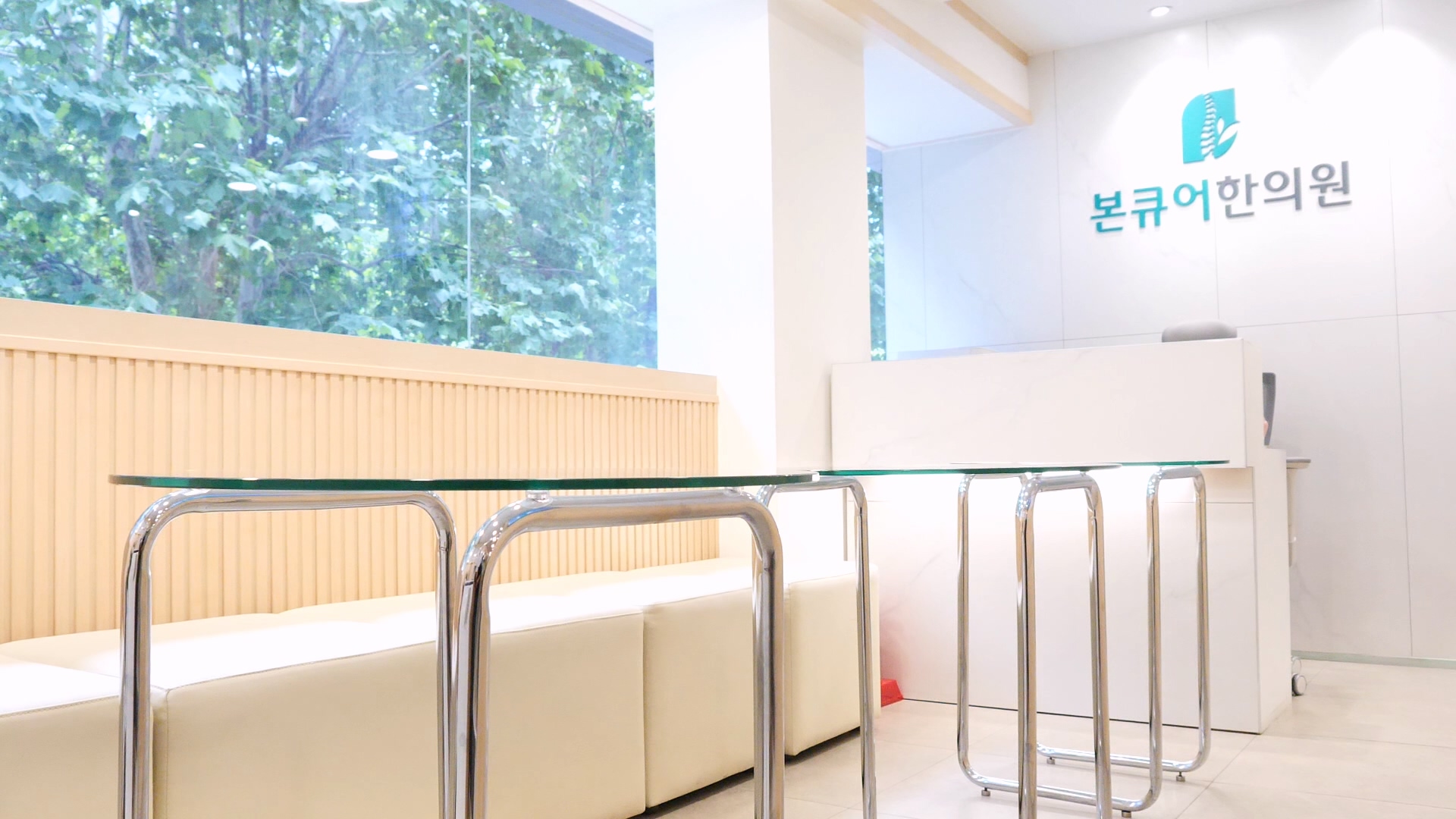
This guide explores how physical alignment and integrative medicine can help restore peace to a hyperactive nervous system.
Understanding Autonomic Dysfunction and the Role of the Nervous System
Autonomic dysfunction is characterized by sudden episodes of intense physical reactions like heart palpitations, shortness of breath, and dizziness. These reactions often occur because the body's internal regulation mechanisms are disrupted. By understanding the physiological roots of these symptoms, we can move beyond simple management toward more holistic recovery strategies focused on identifying root causes.
Defining Anxiety Symptoms and Physical Manifestations
Sudden episodes of intense distress trigger severe physical reactions even when there is no immediate danger. These episodes can be terrifying, often making an individual feel as though they are losing control or experiencing a medical emergency. Common symptoms include a rapid heart rate, sweating, and trembling. From a clinical perspective at Bonecure, these physical manifestations represent a systemic physiological response often involving the autonomic nervous system. Patients frequently report that the fear of a subsequent episode becomes debilitating, leading to avoidance behaviors. Understanding these physical markers is the first step toward managing the condition effectively through integrative approaches that acknowledge both the psychological and physiological components. We utilize objective tools like the Beck Anxiety Inventory (BAI) and Beck Depression Inventory (BDI) to quantify these experiences and track progress throughout the recovery journey in 2026. (152 words)
The Sympathetic Overdrive: A Structural Perspective
The sympathetic nervous system is responsible for the 'fight or flight' response, which becomes hyperactive during periods of high anxiety. In cases of autonomic dysfunction, this system remains in a state of overdrive even without an external trigger. At Bonecure, I view this as a potential breakdown in the balance between the sympathetic and parasympathetic branches. When the parasympathetic system fails to brake the sympathetic surge, the body remains stuck in a high-alert state. This persistent dominance can lead to chronic fatigue, digestive issues, and increased sensitivity to stress. Based on clinical observations, stabilizing this balance is essential for long-term recovery. By addressing the physical environment in which these nerves operate, particularly around the spine, we can help the body return to a state of natural equilibrium and calm. (149 words)
Why Traditional Korean Medicine Focuses on the Mind-Body Link
Traditional Korean Medicine views the human body as an integrated system where physical health and emotional well-being are inextricably linked. Emotional disturbances can lead to physical stagnation, while structural issues can disrupt the flow of energy and affect the mind. When treating autonomic-related anxiety, we look for imbalances in the nervous system that may be contributing to the patient's heightened state of alarm. By using diagnostic tools such as Whole Spine X-ray analysis and the Beck Anxiety Inventory (BAI), we can track how physical interventions impact psychological states. This holistic approach ensures that the recovery process is comprehensive, addressing both the symptoms and the underlying physiological predispositions. Our goal is to create a resilient internal environment where the body no longer reacts to stress with disproportionate fear, leading to a more stable and balanced daily life. (154 words)
The Structural Connection: How Spinal Alignment Affects Autonomic Balance
Structural alignment refers to the proper positioning of the spine and joints to ensure the nervous system functions without interference. When the spine, particularly the cervical region, is misaligned, it can place mechanical pressure on nerves that regulate heart rate and breathing. Restoring this alignment is a critical component of managing autonomic-related symptoms.
Cervical Spine Misalignment and Vagus Nerve Compression
The cervical spine houses components of the vagus nerve, a primary element of the parasympathetic nervous system. If the vertebrae in this region are misaligned, they can compress or irritate these neural pathways, hindering the body's ability to signal relaxation. This mechanical interference keeps the body in a state of physiological tension. In my clinical experience at Bonecure, I have seen how correcting these structural deviations can lead to a marked reduction in anxiety-related symptoms. Patients with chronic neck tension and autonomic dysfunction often show significant improvement once physical pressure on the nerves is relieved. Ensuring that the structural conduit of the nervous system is clear is vital for anyone struggling with recurring distress. By focusing on upper cervical alignment, specifically the suboccipital area, we address a physical root cause of autonomic imbalance. (154 words)
Correcting Posture to Restore Nervous System Harmony
Posture is a reflection of the body's internal health and neurological state. Chronic poor posture, such as forward head carriage, can lead to restricted lung capacity and altered blood flow. These physical limitations can trigger the brain's alarm system, as the body perceives a threat to vital structures. By utilizing Whole Spine X-ray analysis, we identify specific areas where postural collapse is affecting the nervous system. Restoring a neutral, upright posture allows the nerves to transmit signals without distortion. This physical openness helps promote a sense of calm by reducing mechanical tension. For many patients, the simple act of realigning the spine provides a tangible sense of relief that matches the clinic's slogan: "When your bones smile, life smiles." Postural correction is a foundational step in re-educating the body to remain calm and balanced under pressure. (155 words)
Bonecure's Approach to Structural Resilience
At Bonecure, I utilize specialized techniques such as Chuna therapy and Acupotomy to address the physical triggers of autonomic dysfunction. We focus on the precision of the cervical and spinal structures to ensure the autonomic nervous system is not under constant mechanical stress. By combining traditional wisdom with modern diagnostic imaging, we create a personalized plan for each patient. In some cases, we have observed that chronic issues require a dedicated course of roughly 20 sessions to achieve lasting stability. This process is not a quick fix but a gradual restructuring of the body's resilience. By strengthening the physical frame, we provide a stable foundation for the mind to recover. Our patients often find that as their spine becomes more aligned through targeted treatment, their daily life becomes less stressful and much more manageable. (151 words)
Integrating Acupotomy and Korean Medicine for Autonomic Management
Integrative management involves combining different therapeutic modalities to provide a multi-layered approach to healing. This means using Acupotomy and herbal medicine to regulate the nervous system while simultaneously addressing structural issues through Chuna therapy.
Acupotomy: Releasing Adhesions for Nerve Decompression
Acupotomy, or acupuncture-blade therapy, involves the use of specialized tools to release adhesions and fibrotic tissue that may be compressing nerves. For those suffering from autonomic dysfunction, Acupotomy can be used to release the deep tension in the suboccipital muscles and the C1 transverse process area. This process helps to immediately reduce the mechanical stimulus on the nervous system. Based on clinical observations at Bonecure, regular sessions can help lower a patient's baseline anxiety by physically opening the pathways of the nervous system. It is important to note that individual results vary, and patients should be aware of potential side effects, including localized pain, temporary bleeding, and, in rare cases, the possibility of infection. However, many find this impactful treatment essential for resolving chronic structural issues that contribute to their autonomic symptoms in 2026. (155 words)
Pharmacopuncture and Herbal Medicine for Internal Stability
Pharmacopuncture involves injecting herbal extracts into specific points to combine the effects of acupuncture and herbal medicine. This is used alongside customized herbal formulations to nourish the system and calm the spirit, addressing internal deficiencies that make a person vulnerable to autonomic surges. These treatments work synergistically with structural work to create a holistic healing environment. For example, some formulations focus on clearing heat from the body, which is often associated with a racing heart and agitation. Others focus on grounding the energy and supporting the adrenal glands. It is crucial to consult with a qualified practitioner like myself to ensure that any herbal regimen is appropriate for your specific constitution. While herbs are natural, they are potent and must be used with care to sustain the balance achieved through spinal realignment and Acupotomy. (154 words)
Clinical Notes on Comprehensive Autonomic Recovery
Recovery is most effective when internal and external treatments are aligned. At Bonecure, we do not just treat symptoms; we identify the root causes of pain and dysfunction. This involves a personalized treatment plan tailored to the individual's structural and biochemical needs. By combining Chuna therapy, Acupotomy, and physical therapy, we design a path toward lasting health. Our clinical notes suggest that patients who address both their physical posture and their internal nervous system balance experience the most significant improvements. This compressed and efficient approach ensures that every session contributes to the overall goal of restoring a healthy and balanced daily life. We focus on necessary treatments only, ensuring that each intervention—whether it is a structural adjustment or an herbal prescription—is vital for the patient's specific recovery journey. (151 words)
Comparing Integrative Korean Medicine and Conventional Approaches
Choosing a treatment path for autonomic dysfunction involves comparing methodologies. While conventional approaches focus heavily on neurochemistry, integrative Korean medicine emphasizes the physical and energetic structures that support the mind.
| Feature | Conventional Care | Bonecure Integrative Approach |
|---|---|---|
| Primary Focus | Neurochemical balance via medication | Structural alignment and nerve decompression |
| Methodology | Cognitive therapy and SSRIs | Acupotomy, Chuna, and Herbal Medicine |
| Recovery Goal | Symptom management | Restoring autonomic balance and integrity |
| Patient Involvement | Focus on cognitive restructuring | Focus on postural habits and resilience |
| Diagnostic Tools | Psychological assessments | Whole Spine X-ray and BAI/BDI evaluation |
Navigating Recovery: Clinical Experiences and Safety Considerations
The journey to recovery from autonomic dysfunction is a gradual process. Recovery is not just the absence of symptoms but the restoration of the body's ability to handle life's challenges without falling into a state of panic or high distress.
Case Study: Structural Realignment and Symptom Reduction
In my clinical practice, I have treated patients who have struggled with autonomic symptoms for years. By focusing on spinal realignment and Acupotomy, we aim to help the autonomic balance stabilize. In such cases, we use clinical indicators like the Beck Anxiety Inventory (BAI) to monitor the general trend of improvement in anxiety levels over the treatment period. One patient with severe cervical tension found that releasing the adhesions in the upper neck area significantly reduced their daily heart palpitations. However, it is essential to remember that individual results vary, and what works for one person may take longer for another. This patient also required a commitment to corrective exercises to maintain their alignment. This case serves as a reminder that the body has a remarkable capacity to heal when the physical barriers to wellness are removed. (153 words)
Understanding Potential Risks and Expectations
While integrative treatments like those offered at Bonecure are generally safe, it is important for patients to have realistic expectations. Acupotomy and acupuncture carry minor risks such as temporary fatigue, light bruising, or localized soreness at the site. Specific to Acupotomy, patients may experience temporary bleeding or, very rarely, infection at the insertion site. These are typically short-lived as the body adjusts. It is also important to recognize that chronic conditions often require multiple sessions—typically around 20—before stable improvements are observed. Consistency is key, as skipping sessions can hinder the progress of structural realignment. I always encourage patients to maintain open communication during their treatment so adjustments can be made to their care plan. Our priority is your safety and the long-term health of your autonomic nervous system. (150 words)
Sustainability of Results: Lifestyle and Vitality
Sustaining results requires ongoing attention to one's physical habits. At Bonecure, we emphasize the importance of maintaining proper posture and ergonomic health. Simple changes in how you sit or stand can prevent the recurrence of structural misalignments. Additionally, integrating stress management techniques can help support the autonomic balance achieved through clinical sessions. We find that patients who actively engage in their recovery through lifestyle changes experience more durable results. It is also helpful to stay informed about related topics, such as Understanding Autonomic Nervous System Disorder and Structural Recovery in 2026, to deepen your knowledge of how your body works. By treating your recovery as an ongoing journey, you can enjoy a life characterized by resilience and vitality. Remember, when your bones are aligned and healthy, your mind is better equipped for peace. (153 words)
Frequently Asked Questions
Q. Can Acupotomy help reduce sudden anxiety symptoms?
Acupotomy may help by releasing physical adhesions that put pressure on nerves regulating the autonomic nervous system. By decompressing these areas, the body can more effectively exit the 'fight or flight' state. Results vary by individual.
Q. Is Bonecure's therapy a replacement for current medication?
Our treatment focuses on addressing the structural and physiological triggers of dysfunction. Any changes to existing medical regimens should always be coordinated with your prescribing physician to ensure safety and continuity of care.
Q. How many sessions are typically required for autonomic stability?
While some notice improvements early on, chronic cases of autonomic dysfunction typically require a structured plan. At Bonecure, we often recommend a course of approximately 20 sessions to achieve stable and lasting autonomic balance.
Q. What are the side effects of Acupotomy and acupuncture?
Minor side effects include temporary soreness, light bruising, or fatigue. Specifically for Acupotomy, there is a risk of temporary bleeding and a rare possibility of infection. These are managed through strict clinical protocols.
Q. Does spinal alignment really impact autonomic health?
Yes, significant misalignment in the cervical spine can put mechanical pressure on the nerves that regulate your involuntary responses. This can heighten physiological sensitivity to stress, leading to symptoms often associated with anxiety and panic.
Q. What diagnostic tools are used at Bonecure?
We utilize modern diagnostic approaches including Whole Spine X-ray analysis to identify structural issues, along with the Beck Anxiety Inventory (BAI) and Beck Depression Inventory (BDI) to monitor psychological and autonomic health trends.
Q. Is the treatment painful?
Acupotomy and Chuna therapy involve physical intervention that can be intense, but they are designed to provide immediate relief by resolving root causes. Most patients find the subsequent improvement in their symptoms well worth the temporary discomfort.
Key Takeaways
- Structural Focus: Autonomic dysfunction is often linked to nerve compression caused by cervical spine misalignment.
- Integrative Approach: Combining Acupotomy, Chuna therapy, and herbal medicine at Bonecure helps regulate the sympathetic nervous system.
- Objective Monitoring: Tools like Whole Spine X-rays and the BAI/BDI allow for objective tracking of physiological and psychological progress.
- Commitment to Recovery: Chronic cases typically require around 20 sessions for stabilization, alongside postural adjustments.
- Expert Care: Under the guidance of Song Jung-hyun, KMD, each plan is tailored to the individual's specific structural needs to ensure lasting vitality.
Hello. I am Song Jung-hyun, a Korean Medicine Doctor who has devoted many years to the study and practice of Acupotomy. Autonomic dysfunction can feel overwhelming, but by addressing the physical structures of your body, we can find a path back to balance and peace. For a detailed consultation regarding your autonomic health, please reach out to our clinic.
Bonecure / Song Jung-hyun, KMD.
FAQ
- Can acupuncture effectively reduce the frequency of panic attacks?
- Acupuncture may help regulate the autonomic nervous system by stimulating specific points that lower sympathetic activity. While individual results vary, it is often used as a highly effective complementary approach to stabilize the nervous system and reduce the body's overall stress response.
- Is Bonecure's structural therapy a replacement for psychiatric medication?
- It is not a direct replacement for medication. Rather, we focus on addressing the structural and physiological triggers of anxiety that may be overlooked. Any changes to your current medication should always be discussed and coordinated with your prescribing physician to ensure your safety.
- How many sessions are typically required to see improvements in anxiety symptoms?
- While some patients notice a calming effect after just a few sessions, chronic cases of panic disorder or autonomic dysfunction typically require a structured plan over several weeks. At Bonecure, we often recommend a course of approximately 20 sessions to achieve stable and lasting autonomic balance.
- Are there any side effects associated with needle therapy for panic disorder?
- Minor side effects can include temporary soreness at the site, light bruising, or a brief feeling of fatigue as the body rebalances its energy. These symptoms are generally mild and resolve quickly. Serious complications are extremely rare when the procedure is performed by a licensed and experienced practitioner.
- Does spinal alignment really impact mental health conditions like panic disorder?
- Yes, significant misalignment in the cervical spine can put mechanical pressure on the nerves that regulate your fight or flight response. This can heighten the body's physiological sensitivity to stress, making it more prone to the sudden surges of adrenaline associated with panic attacks.
- What is the cost of integrative Korean medicine for panic disorder in Seoul?
- Costs vary depending on the complexity of the structural issues and the specific combination of acupuncture, herbal medicine, and realignment techniques used. We recommend a detailed consultation at Bonecure to establish a personalized care plan and discuss the investment required for your recovery.
- Is moxibustion therapy safe for someone currently experiencing high anxiety?
- Moxibustion is generally very relaxing and provides a gentle warmth that can soothe a hyperactive nervous system. It is administered in a controlled clinical setting, providing a grounding effect that can be very beneficial for individuals who feel physically depleted by chronic anxiety.