
Post
Understanding Autonomic Nervous System Disorder and Structural Recovery in 2026
An autonomic nervous system disorder, or dysautonomia, is a condition where the body's involuntary functions—such as heart rate, digestion, and temperature regulation—become dysregulated due to a lack of balance in the neural pathways.
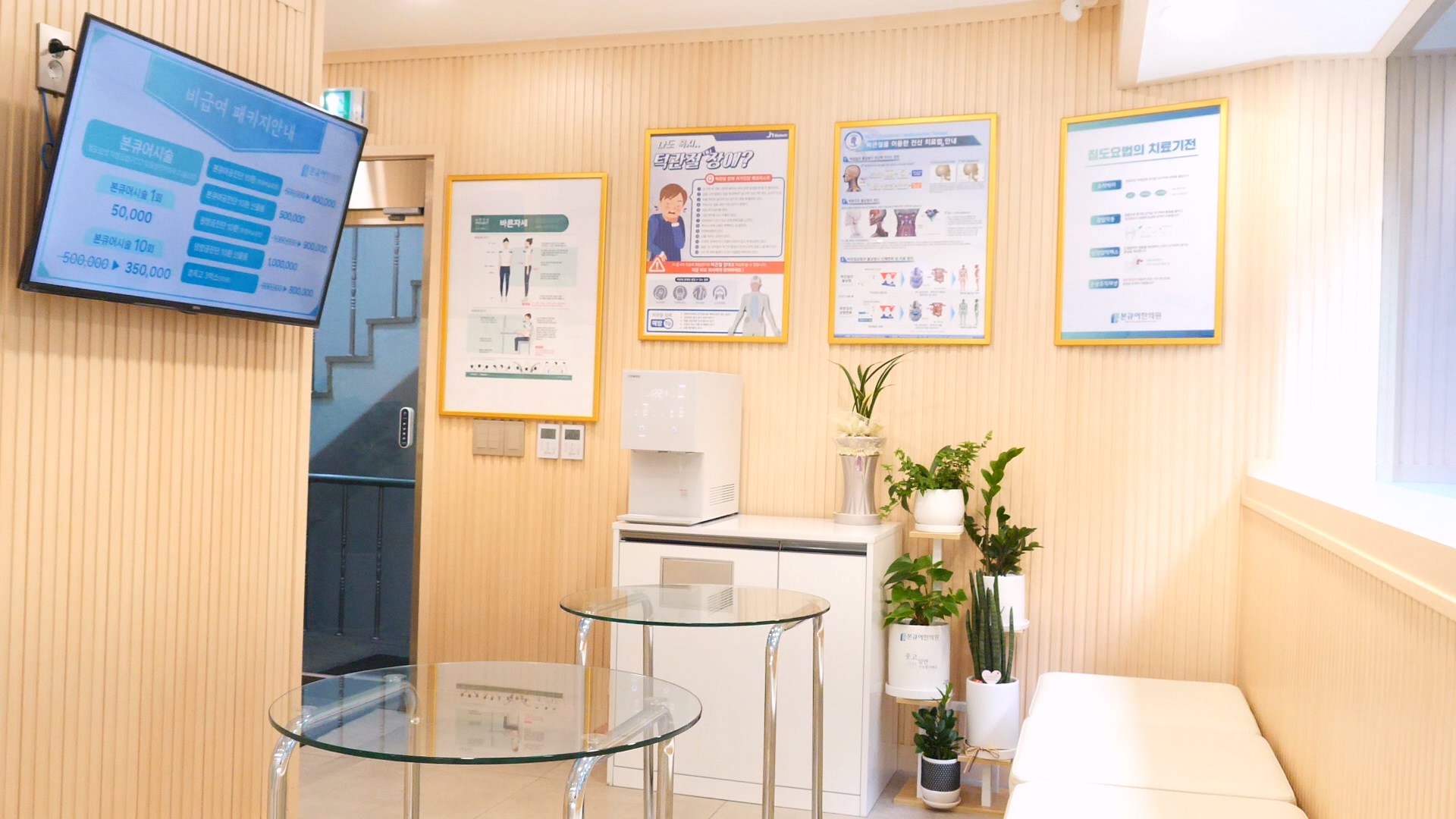
Hello, I am Dr. Song Jeong-hyun, and I have spent my career focusing on acupotomy to help patients recover from complex structural and neurological issues. In this guide, we will explore how restoring the physical framework of the body can resolve the persistent symptoms of dysautonomia and help you regain your vitality.
Defining Autonomic Nervous System Disorder and Its Impact
An autonomic nervous system disorder is fundamentally a failure of the body's internal self-regulation mechanisms, often resulting from a breakdown in communication between the brain and the various organ systems. This system is responsible for everything we do without thinking, and when it fails, the impact is felt across the entire body, often manifesting as a collection of symptoms that seem unrelated but share a common origin.
The Role of the Autonomic Nervous System in Daily Health
The autonomic nervous system acts as the silent conductor of your body, managing involuntary functions like your heartbeat, breathing, and digestion without conscious effort. It is divided into the sympathetic branch, which prepares you for action, and the parasympathetic branch, which allows you to rest and digest. When this system is in balance, your body adapts seamlessly to stress and relaxation. However, a disruption in this delicate equilibrium leads to what we call an autonomic nervous system disorder. At Bonecure, we observe that many patients suffering from chronic fatigue or digestive issues are actually experiencing a breakdown in this internal regulation. Maintaining the health of this system is vital because it influences every major organ. While conventional medicine often focuses on chemical imbalances, we look at the physical framework that supports these nerves. Restoring this balance is not just about symptom relief; it is about supporting your body's innate ability to self-regulate and thrive daily.
Common Signs of Dysautonomia You Might Overlook
Symptoms of dysautonomia can be frustratingly vague, often leading patients to visit multiple specialists without finding a clear answer. You might experience persistent dizziness, cold hands and feet, or sudden heart palpitations that do not show up on standard cardiac tests. Other signs include chronic indigestion, insomnia, and unexplained anxiety. In my clinical experience at Bonecure, I have seen patients struggling with these issues for years, even in cases of long-standing chronic symptoms. These symptoms occur because the signals between your brain and your body are getting "crossed" or suppressed. Because the autonomic nervous system is so widespread, the impact can be felt from your head to your toes. Recognizing these subtle signs early is crucial for preventing the condition from becoming a chronic disability. Understanding that these disparate symptoms often share a single underlying cause is the first step toward a comprehensive and effective recovery plan for your health.
Why Conventional Tests Often Fail to Detect ANS Imbalance
Standard diagnostic tools like MRIs, blood tests, and CT scans are excellent at finding structural damage or acute pathology, but they often miss functional disturbances in the autonomic nervous system. Since dysautonomia is frequently a matter of "how the system works" rather than "what it looks like," these tests may return normal results despite the patient feeling significant distress. At Bonecure, we utilize more functional assessments, such as evaluating spinal alignment through whole-spine X-rays and analyzing vagal tone. For instance, a patient may report high levels of distress on standardized scales, yet conventional ENT exams show no physical defect in the ear. This discrepancy occurs because the root cause often lies in the neural pathways and spinal structures that support them. By shifting the focus from just the organs to the neurological and structural framework, we can identify the subtle imbalances that conventional testing might overlook, providing a clearer path for those seeking long-term relief and functional restoration.
The Structural Connection: Why Spinal Alignment Matters for the ANS
The structural connection between the spine and the autonomic nervous system is based on the anatomical fact that the nerves controlling involuntary functions travel through and alongside the spinal column, making spinal health a prerequisite for neural balance. When the physical structure of the spine is compromised, it can create mechanical interference with the very nerves that are trying to keep your body in homeostasis.
The Vagus Nerve and Upper Cervical Integrity
The vagus nerve is the primary component of the parasympathetic nervous system, wandering from the brainstem down through the neck to the abdomen. Its path takes it directly past the first and second cervical vertebrae, known as the atlas and axis. If these upper cervical bones are misaligned or if the surrounding soft tissues are chronically tight, they can exert physical pressure on the vagus nerve. At Bonecure, we emphasize that even a slight structural deviation in the neck can diminish vagal tone, leading to a cascade of autonomic symptoms like digestive distress or heart rate variability. Clinical observations suggest that restoring the integrity of this area is essential for "restarting" the body's relaxation response. By focusing on the structural relationship between the spine and the cranial nerves, we address the physical environment in which the nervous system operates. This structural perspective allows for a more targeted approach to resolving dysautonomia symptoms that have resisted traditional medical treatments.
Clinical Notes on Structural Deviations and Nerve Compression
Structural deviations in the spine do not just cause back pain; they create an environment of chronic nerve irritation. When the spine loses its natural curvature—such as a "flat neck" or scoliosis—the spinal cord and exiting nerves are stretched or compressed. This mechanical tension interferes with the transmission of autonomic signals, often manifesting as systemic dysfunction. In my practice at Bonecure, I frequently see how restoring the whole-spine alignment through X-ray guided analysis can alleviate pressure on the sympathetic chain. For example, a patient with a significant postural shift might experience a significant reduction in symptom severity scales after correcting these structural imbalances, though individual results vary. These clinical notes highlight the importance of viewing the body as an integrated machine where the frame directly affects the wiring. Addressing the physical adhesions and bone misalignments helps release the trapped neural energy, allowing the autonomic nervous system to return to its natural, healthy state of homeostasis and balance.
How Spinal Curvature Affects Sympathetic Dominance
Modern lifestyles often lead to a "forward head posture," which places immense strain on the spinal column and the sympathetic nerves that run alongside it. This physical stress keeps the body in a state of constant sympathetic dominance, or a "fight or flight" mode, even when there is no external danger. At Bonecure, we have observed that correcting spinal curvature is a vital step in calming this overactive system. When the spine is properly aligned, the mechanical triggers that keep the sympathetic nerves on high alert are removed. This shift allows the parasympathetic system to regain control, facilitating better sleep, digestion, and emotional stability. While results are individual, stabilizing the spinal frame can reduce the "noise" in the nervous system. By treating the spine as the foundation of autonomic health, we provide a structural solution to a functional problem. This approach ensures that the nervous system is no longer reacting to internal physical stressors, promoting long-term health and resilience.
Integrative Treatment Methods: Acupotomy and Nerve Decompression
Integrative treatment methods for autonomic disorders in modern Korean Medicine involve combining structural realignments with specialized procedures like acupotomy to physically remove barriers to nerve signaling. By addressing both the bone structure and the soft tissue adhesions, we can create a sustainable environment for neural recovery.
| Feature | Traditional Acupuncture | Acupotomy (Bonecure) |
|---|---|---|
| Tool Used | Thin, flexible needle | Specialized blade-tipped needle |
| Primary Goal | Balancing Qi/Energy flow | Releasing physical tissue adhesions |
| Tissue Impact | Minimal physical change | Micro-dissection of fibrotic tissue |
| Application | General wellness and pain | Chronic, recalcitrant nerve issues |
| Recovery Focus | Signal modulation | Structural and neural decompression |
Acupotomy vs. Traditional Acupuncture for Chronic Nerve Adhesion
Acupotomy is a specialized modality that incorporates a small, blade-like tip. While traditional needles are effective for modulating nerve signals, acupotomy is specifically designed to physically release the thick, fibrotic adhesions that often trap autonomic nerves. At Bonecure, we use acupotomy to perform micro-dissections of these hardened tissues, which are often the result of long-term inflammation or poor posture. By physically releasing these adhesions, we decompress the nerves and restore blood flow to the affected areas. This process is particularly effective for chronic cases where patients have suffered for years without relief. It is important to note that while this procedure is highly focused, it may cause temporary soreness or localized bruising as the body begins the healing process. However, the goal is to create a physical change in the tissue structure that allows the nervous system to finally function without interference, leading to more sustainable and profound recovery.
Modern Korean Medicine Approaches for ANS Disorders
In 2026, modern Korean Medicine at Bonecure integrates traditional wisdom with advanced structural diagnostics. We don't just look at symptoms; we look at the patient's entire physical framework. This integrative approach combines acupotomy with specialized spinal adjustments to ensure that both the soft tissues and the bones are in harmony. At Bonecure, we prioritize efficient, impactful treatments where patients can often feel immediate changes and improvement after a single session. We use objective data, such as whole-spine X-rays and standardized distress scales, to track progress and refine the treatment plan. This evidence-based methodology ensures that every intervention is tailored to the individual's unique structural needs. By bridging the gap between ancient healing principles and modern physiological understanding, we offer a comprehensive pathway for patients who have felt lost in the healthcare system. Our focus remains on the fundamental principle that a healthy structure is the prerequisite for a healthy, balanced nervous system.
The Process of Tissue Regeneration and Neural Flow Recovery
The healing process initiated by acupotomy involves more than just releasing tension; it triggers a cascade of tissue regeneration. When the blade-tipped needle makes precise contact with fibrotic tissue, it stimulates a controlled healing response that replaces damaged fibers with healthy, flexible ones. At Bonecure, we see this as the "reset button" for the nervous system. As the physical obstructions are cleared, neural flow is restored, allowing signals to travel between the brain and organs without interruption. This recovery of flow is often experienced by patients as a sudden sense of lightness or a reduction in chronic "brain fog." While the immediate physical release is significant, the long-term benefit lies in the body's ability to maintain its own balance once the structural barriers are removed. Although individual results vary, this biological renewal is key to resolving the deep-seated imbalances characteristic of autonomic nervous system disorders, A 2026 Clinical Guide to Autonomic Dysfunction and Structural Recovery in Korean Medicine provides further context on this process.
Practical Considerations: Safety, Risks, and Expectations
Practical considerations for patients seeking treatment involve understanding the timeframe for structural change, acknowledging the potential for mild side effects, and committing to long-term lifestyle adjustments. Achieving a lasting recovery from an autonomic nervous system disorder is a collaborative process that requires both clinical expertise and patient participation.
Understanding Individual Results and Treatment Duration
Every patient's journey toward autonomic balance is unique, and the timeline for recovery depends on several factors, including the severity and duration of the condition. At Bonecure, we focus on providing highly compressed and efficient care, where the goal is for the patient to feel immediate improvement as structural misalignments are addressed. It is essential to understand that medical outcomes cannot be guaranteed, and results may vary because every spine and nervous system is different. We focus on impactful, cumulative improvement rather than unnecessary repetition of ineffective treatments. During your consultation, we provide a personalized roadmap based on your initial assessments. Adherence to the treatment plan is vital for achieving the best possible clinical outcome.
Disclosing Potential Side Effects and Procedure Limitations
As with any medical procedure, acupotomy carries certain risks and limitations that patients should be aware of before starting treatment. Common side effects at Bonecure include temporary localized soreness, minor swelling, or bruising at the site of the procedure. These are generally mild and resolve within a few days as the body's natural healing mechanisms take over. In very rare cases, more significant issues like infection could occur, though we strictly follow sterile protocols to minimize such risks. It is also important to recognize the limitations of structural therapy; while it can significantly improve autonomic function, it may not address underlying genetic conditions or advanced degenerative diseases. Furthermore, patients with certain blood-thinning medications or acute inflammatory conditions may need to postpone treatment. We ensure a thorough screening process to determine if this approach is safe for you. Transparency about these risks is a cornerstone of our practice, ensuring that patients can make informed decisions about their healthcare journey.
Maintaining Autonomic Balance Through Lifestyle and Posture
Achieving structural recovery is only half the battle; maintaining it requires a commitment to healthy lifestyle choices and proper postural habits. At Bonecure, we educate our patients on the importance of ergonomic workspaces and daily movement patterns that support spinal health. Since the autonomic nervous system is highly sensitive to physical stress, maintaining a neutral spine helps prevent the recurrence of nerve compression. Simple practices, such as mindful breathing and regular stretching, can help sustain the parasympathetic tone achieved during clinical sessions. Additionally, managing emotional stress is crucial, as the mind and body are inextricably linked through Identifying Autonomic Dysfunction Causes: A 2026 Structural Perspective at Bonecure. We view the patient-provider relationship as a partnership where our clinical interventions are supported by your daily actions. While we provide the structural "reset," your lifestyle provides the environment in which that balance can flourish. By integrating these habits, you can protect your nervous system from future disruptions and enjoy lasting vitality.
Frequently Asked Questions
Q. What exactly is an autonomic nervous system disorder?
An autonomic nervous system (ANS) disorder, also known as dysautonomia, occurs when the system that controls involuntary body functions like heart rate, digestion, and temperature regulation fails to maintain balance. This often results in a wide range of seemingly unrelated symptoms across different organs. It is frequently caused by a combination of stress, lifestyle, and structural issues in the spine.
Q. How can Korean Medicine help with ANS disorders?
Traditional Korean Medicine at Bonecure focuses on identifying structural causes, such as spinal misalignments that may irritate nerves. By using specialized techniques like acupotomy to release adhesions, we aim to restore the natural flow of neural signals and improve vagal tone. This structural focus addresses the root cause rather than just managing surface symptoms.
Q. Is the treatment at Bonecure guaranteed to cure my symptoms?
In medical practice, individual results vary and a 100% guarantee cannot be provided. While many patients experience significant relief from chronic pain and ANS symptoms through structural correction, the outcome depends on the severity and duration of your specific condition. We focus on providing the most evidence-based care possible for every individual case.
Q. Are there any risks associated with acupotomy for ANS treatment?
Acupotomy is a specialized procedure that involves a blade-tipped needle. While effective for releasing tissue adhesions, potential side effects can include temporary soreness, localized bruising, or very rarely, infection. These risks are minimized through sterile procedures and expert application by trained professionals at our clinic.
Q. How many sessions are typically required to see an improvement?
At Bonecure, we do not require mandatory long-term packages. We focus on efficient treatments where patients can often feel immediate changes and improvement after a single session. Your progress is monitored based on clinical results and post-treatment feedback rather than a fixed session count.
Q. Can I receive this treatment if I am already taking medication for my heart or digestion?
Yes, our treatments can often be integrated with conventional medical care to provide a more holistic recovery. However, it is essential to disclose all current medications and health conditions during your first visit to Bonecure so we can ensure the safest and most effective care plan. We work to support your body's overall health.
Q. Why does Bonecure emphasize the spine when treating internal ANS symptoms?
The autonomic nerves travel alongside the spinal column, making the spine the physical conduit for neural communication. If the spinal structure is compromised—such as in cases of cervical misalignment—it can physically interfere with nerve signaling. Correcting the frame helps the internal systems function properly, addressing the physical root of internal symptoms.
Key Takeaways
- Autonomic nervous system disorders involve the dysregulation of involuntary functions like heart rate and digestion.
- Spinal alignment, particularly in the upper cervical area, is crucial for maintaining proper vagal tone and neural flow.
- Acupotomy at Bonecure helps release chronic tissue adhesions that may be compressing or irritating autonomic nerves.
- Bonecure emphasizes immediate improvement and efficient care; structural changes are often felt directly after a session without needing a mandatory 10-20 session count to see progress.
- Maintaining long-term balance requires a combination of clinical structural recovery and healthy postural lifestyle habits.
If you are struggling with chronic symptoms that conventional tests cannot explain, it may be time to look at your structural health.
Bonecure / Dr. Song Jeong-hyun
FAQ
- What exactly is an autonomic nervous system disorder?
- An autonomic nervous system (ANS) disorder, also known as dysautonomia, occurs when the system that controls involuntary body functions like heart rate, digestion, and temperature regulation fails to maintain balance. This often results in a wide range of seemingly unrelated symptoms across different organs. It is frequently caused by a combination of stress, lifestyle, and structural issues in the spine.
- How can Korean Medicine help with ANS disorders?
- Traditional Korean Medicine at Bonecure focuses on identifying structural causes, such as spinal misalignments that may irritate nerves. By using specialized techniques like acupotomy to release adhesions, we aim to restore the natural flow of neural signals and improve vagal tone. This structural focus addresses the root cause rather than just managing surface symptoms.
- Is the treatment at Bonecure guaranteed to cure my symptoms?
- In medical practice, individual results vary and a 100% guarantee cannot be provided. While many patients experience significant relief from chronic pain and ANS symptoms through structural correction, the outcome depends on the severity and duration of your specific condition. We focus on providing the most evidence-based care possible for every individual case.
- Are there any risks associated with acupotomy for ANS treatment?
- Acupotomy is a specialized procedure that involves a blade-tipped needle. While effective for releasing tissue adhesions, potential side effects can include temporary soreness, localized bruising, or very rarely, infection. These risks are minimized through sterile procedures and expert application by trained professionals at our clinic.
- How many sessions are typically required to see an improvement?
- The treatment plan is personalized for each patient. For chronic ANS issues involving structural changes, multiple sessions are usually necessary to achieve stable results. A typical clinical note might show progress over 10 to 20 sessions, but your individual timeline and progress will be discussed during your consultation.
- Can I receive this treatment if I am already taking medication for my heart or digestion?
- Yes, our treatments can often be integrated with conventional medical care to provide a more holistic recovery. However, it is essential to disclose all current medications and health conditions during your first visit to Bonecure so we can ensure the safest and most effective care plan. We work to support your body's overall health.
- Why does Bonecure emphasize the spine when treating internal ANS symptoms?
- The autonomic nerves travel alongside the spinal column, making the spine the physical conduit for neural communication. If the spinal structure is compromised—such as in cases of cervical misalignment—it can physically interfere with nerve signaling. Correcting the frame helps the internal systems function properly, addressing the physical root of internal symptoms.