
Post
A 2026 Clinical Guide to Autonomic Dysfunction and Structural Recovery in Korean Medicine
Autonomic dysfunction in Korean medicine is defined as a state of imbalance between the sympathetic and parasympathetic nervous systems often caused by structural misalignments or internal energy stagnation. This article explores how restoring physical balance can stabilize nerve function and improve overall health based on 2026 clinical insights.
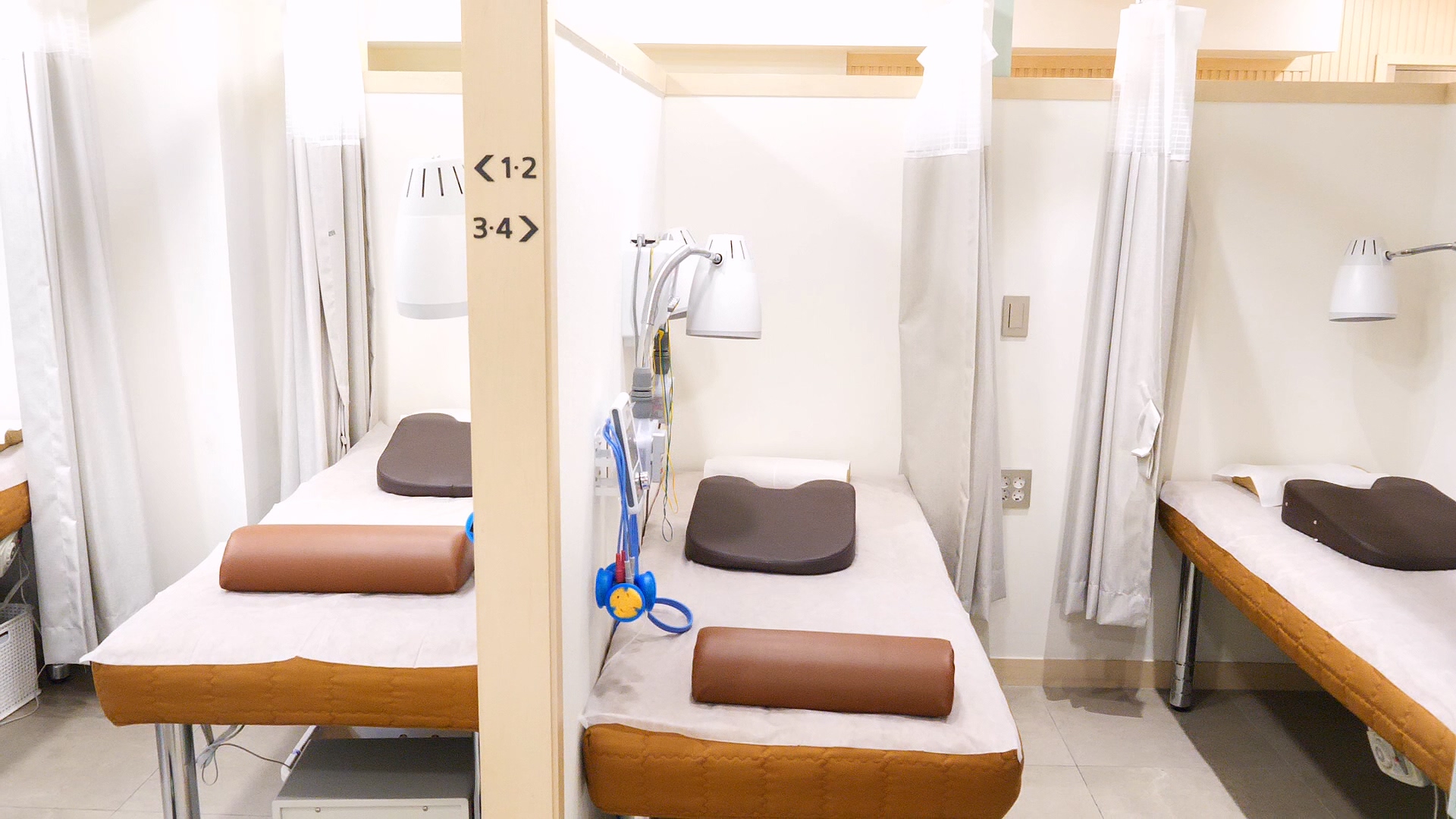
Readers will gain a deeper understanding of specialized treatments like Dochim therapy and the structural recovery protocols used at Bonecure.
Hello. I am Song Jeong-hyeon, a Korean medicine practitioner who has focused on acustotomy and structural restoration for many years. It is common for patients to feel overwhelmed when their bodies react in ways they cannot control, but understanding the structural root of these issues is the first step toward recovery.
Understanding Autonomic Dysfunction in Korean Medicine
Autonomic dysfunction refers to the disruption of the involuntary nervous system which manages critical functions like heart rate, digestion, and respiratory rhythm. In the context of Korean medicine, this condition is often viewed as a manifestation of Qi stagnation and physical blockages that prevent the body from maintaining its natural equilibrium.
What Is Autonomic Dysfunction and Why Does It Occur?
Autonomic dysfunction occurs when the involuntary nervous system experiences a breakdown in communication, often triggered by physical stress or structural issues. In the realm of Korean medicine, this condition is frequently linked to the stagnation of energy and physical blockages within the musculoskeletal system. When the spine is misaligned, it can create mechanical pressure on the nerves that regulate internal functions. I have observed that many patients suffering from chronic fatigue or irregular heartbeats often exhibit clear signs of structural tension in the upper cervical or thoracic regions. By identifying these underlying structural stressors, we can better understand why the body is stuck in a state of sympathetic dominance. This comprehensive view allows us to move beyond simply addressing the symptoms. We look at the body as an integrated system where the physical structure and the nervous system are inextricably linked, ensuring a more thorough assessment of the patient's overall health and well-being.
How Korean Medicine Restores Balance to the Nervous System
Korean medicine focuses on restoring the natural flow of energy and blood to support the nervous system's ability to self-regulate. Unlike treatments that only target specific symptoms, this holistic approach seeks to harmonize the relationship between the physical body and the internal organs. We utilize various modalities such as acupuncture, herbal medicine, and structural therapy to remove the obstacles that hinder the parasympathetic nervous system from functioning correctly. By reducing physical inflammation and improving circulation around the spinal column, we create an environment where the nerves can recover their healthy signaling capacity. I believe that true recovery happens when we address the root cause of the imbalance rather than temporarily masking the discomfort. This method emphasizes the body's innate wisdom, helping it transition from a state of constant high alert to a more peaceful, balanced state. This process is essential for long-term health, as it allows the body to maintain stability even during periods of stress.
The Sympathetic and Parasympathetic Relationship
The balance between the sympathetic and parasympathetic systems is the foundation of a healthy autonomic response, ensuring the body can alternate between action and rest. When the sympathetic system is overactive due to structural pressure or chronic stress, the body remains in a fight-or-flight mode, leading to symptoms like anxiety and insomnia. Conversely, a weak parasympathetic response can result in poor digestion and a slow recovery from illness. In 2026, we emphasize the importance of structural alignment in maintaining this delicate dance between the two systems. If the thoracic spine is restricted, it may constantly trigger sympathetic responses, regardless of the person's actual environment. By releasing these physical constraints, we allow the parasympathetic system to exert its calming influence once again. This restoration of balance is not just about feeling better, it is about ensuring that every organ receives the correct signals to function optimally. Achieving this equilibrium requires a dedicated focus on both the physical structure and the patient's lifestyle habits.
The Bonecure Approach: Structural Alignment and Nerve Function
Structural alignment at Bonecure is the practice of correcting the positioning of the vertebrae and joints to ensure that the nervous system can transmit signals without interference. We believe that a healthy spine is the primary conduit for autonomic stability and overall vitality.
Why Spinal Health is the Foundation of Autonomic Stability
Spinal health is critical because the autonomic nerves that control your heart, lungs, and digestive system exit through the spinal column and travel to every part of your body. When the vertebrae are misaligned or the surrounding tissues are chronically tight, they can physically compress or irritate these nerve pathways. This interference disrupts the vital communication between the brain and the internal organs, leading to a wide range of autonomic symptoms. At Bonecure, I prioritize the assessment of the entire spinal structure to identify where these mechanical disruptions are occurring. Correcting these misalignments is not just about relieving back pain, it is about unlocking the nervous system so it can function at its peak. When the spine is properly aligned, the nerves are free to transmit clear, uninterrupted signals. This structural foundation is essential for anyone looking to overcome chronic issues that have not responded to conventional methods. A stable spine provides the necessary support for the body to heal itself effectively over time.
The Bonecure Philosophy: When Your Bones Smile, Life Smiles
Our philosophy, "When your bones smile, life smiles," reflects our deep commitment to the idea that physical structure dictates the quality of a person's life and health. This mantra guides every treatment plan we develop, emphasizing that joy and vitality are only possible when the body is in a state of alignment. At Bonecure, we do not view the skeletal system as a passive frame, but as a dynamic foundation that influences everything from mood to immune function. When your structure is balanced, your nerves are free, and your energy flows without restriction, allowing you to engage with life more fully. I have seen how restoring a patient's posture can lead to profound improvements in their mental clarity and emotional resilience. This approach is about more than just clinical outcomes, it is about helping patients rediscover the comfort of living in a body that works harmoniously. By focusing on the health of the bones and the alignment of the spine, we empower our patients to achieve a level of wellness that radiates through every aspect of their daily existence.
Identifying Physical Adhesions That Impact Nerve Flow
Physical adhesions are bands of scar-like tissue that form between muscles and nerves, often as a result of chronic poor posture or old injuries. These adhesions can act like physical shackles, pinning down nerves and causing persistent irritation that mimics or worsens autonomic dysfunction symptoms. Identifying these hidden blockages is a core part of the diagnostic process at Bonecure. During an examination, I look for areas where the tissue feels unusually dense or where movement is significantly restricted. These spots are often the source of nerve entrapment that simple stretching or standard massage cannot resolve. By pinpointing these precise locations, we can use targeted interventions to break up the adhesions and restore normal movement. Once the nerves are released from this physical entrapment, patients often report a sense of lightness and a reduction in systemic symptoms. This process of physical liberation is vital for restoring the smooth flow of signals throughout the autonomic nervous system. It ensures that the structural recovery is deep, lasting, and addresses the actual physical barriers to health.
Comparative Analysis: Traditional Acupuncture vs. Dochim Therapy
Comparative analysis involves evaluating different treatment methods to determine which approach best suits a patient's specific structural and neurological needs. At Bonecure, we utilize various tools to ensure the most effective release of physical and energetic blockages.
| Feature | Traditional Acupuncture | Dochim (Acustotomy) | Chuna Manual Therapy |
|---|---|---|---|
| Primary Goal | Regulate Qi flow | Release physical adhesions | Align spinal structure |
| Tool Used | Fine needles | Specialized blade-type needle | Manual hand techniques |
| Target Tissue | Meridians and Points | Chronic scar tissue and Fascia | Vertebrae and Joints |
| Typical Use | General wellness and Pain | Chronic, stubborn adhesions | Postural correction |
The Role of Acustotomy (Dochim) in Adhesion Release
Acustotomy, or Dochim therapy, uses a specialized needle with a small blade-like tip designed to physically release stubborn adhesions and scar tissue. This specialized tool is specifically engineered to address dense, fibrotic tissues that may be difficult to influence with standard acupuncture needles. This technique is particularly effective for chronic cases where the tissue has become thickened and rigid over time. By carefully separating the bound tissues, I can relieve the mechanical pressure on the nerves, which helps facilitate the recovery of circulation and nerve conduction. While the procedure can be slightly uncomfortable, many patients report a sense of tension release following the session, though the timing and nature of these sensations can vary significantly based on individual physical conditions. It is important to note that because this is a more intensive treatment, patients may experience temporary soreness or mild bruising at the site. However, the long-term benefit of restoring movement and reducing nerve irritation makes it a cornerstone of our structural recovery protocol. This method bridges the gap between traditional medicine and surgical intervention, providing a powerful non-surgical option for those with deep-seated structural issues. By addressing the physical constraints at the source, Dochim helps the body return to its natural, healthy state of alignment.
A 2026 Guide to Managing Autonomic Dysfunction through Structural Recovery at Bonecure
Clinical Evidence and Safety Protocols at Bonecure
Clinical evidence and safety protocols involve the use of documented case studies and rigorous sterilization standards to ensure that every patient receives effective and risk-aware care. This evidence-based approach helps us set realistic expectations and maintain the highest level of patient safety.
Safety First: Understanding Potential Risks and Limitations
Safety is our highest priority, and we maintain strict protocols to ensure every procedure is performed in a sterile and controlled environment. As with any clinical intervention involving needles, there are inherent risks such as temporary pain, localized bleeding, or bruising. In very rare instances, there is a potential for infection, which is why I use only single-use, sterilized equipment and follow precise anatomical guidelines. It is also essential for patients to understand that results are highly individual and can vary based on the chronicity of the condition. For example, clinical case reports at Bonecure have shown that while some patients experience rapid relief, others with an 18-year history of chronic symptoms may require approximately 20 sessions to achieve structural stability. Clinical case reports at Bonecure have shown instances of significant functional improvement in symptoms like tinnitus, but these are individual case studies and do not guarantee the same results for every patient. We provide honest assessments based on 2026 clinical data to help patients understand their unique recovery path. Understanding these limitations and risks is a vital part of the therapeutic relationship and ensures informed consent for all our treatments.
Identifying Autonomic Dysfunction Causes: A 2026 Structural Perspective at BonCure
Frequently Asked Questions
Q. What exactly is autonomic dysfunction in the context of Korean medicine?
Autonomic dysfunction is viewed as an imbalance in the body's involuntary control systems, often linked to structural misalignments and blocked energy flow. In Korean medicine, we focus on identifying where the physical structure is hindering the nervous system's ability to regulate itself. By addressing these structural roots, we aim to restore the natural harmony between the sympathetic and parasympathetic systems.
Q. How does Bonecure treat nervous system issues differently?
At Bonecure, I focus on the structural foundation of the nervous system, specifically looking for physical adhesions that compress nerves. We combine Dochim therapy, which releases deep tissue blockages, with Chuna manual therapy to ensure the spine is properly aligned. This dual approach addresses both the immediate nerve irritation and the long-term structural cause of the dysfunction.
Q. Does Dochim therapy involve any pain or risks?
Patients may experience some temporary discomfort, mild bleeding, or bruising at the site of the Dochim treatment. While the procedure is generally well-tolerated, there is a very rare risk of infection, which we mitigate through strict sterilization. Every patient's experience is different, and I work closely with each individual to manage their comfort levels during the session.
Q. How many sessions are typically required to see an improvement?
Recovery timelines are highly individual and depend on the severity and duration of the condition. Some people feel a sense of physical release after just one session, while chronic cases may require 20 or more sessions to achieve lasting stability. We monitor progress closely to adjust the treatment plan according to the patient's specific healing response.
Q. Can spinal alignment really affect my internal organ function?
Yes, because the nerves that regulate your organs pass through the spinal column. If the vertebrae are misaligned, they can interfere with the signals sent to the heart, stomach, and other organs. Restoring proper spinal alignment helps clear these pathways, allowing the autonomic nervous system to control organ function more effectively.
Q. Is Korean traditional medicine effective for chronic pain related to the nervous system?
Korean medicine offers a comprehensive set of tools, including acupuncture and structural therapy, that are designed to manage chronic nerve-related pain. By focusing on both the internal energy balance and the physical musculoskeletal structure, we provide a holistic way to reduce pain and improve nerve health. This integrated approach is especially beneficial for persistent, long-term symptoms.
Q. Are the results of these treatments guaranteed?
In medicine, no treatment can be 100% guaranteed as outcomes depend on many factors like lifestyle and individual biology. I base my treatment goals on clinical case reports and thorough examinations to provide the most realistic expectations for each patient. We focus on measurable improvements in structure and function rather than making absolute promises of a cure.
Key Takeaways
- Autonomic dysfunction is often linked to structural misalignments that interfere with nerve signaling between the brain and organs.
- Bonecure utilizes a unique combination of Dochim therapy and structural restoration to release physical adhesions and realign the spine.
- Chronic conditions may require approximately 20 sessions for stabilization, though individual results will vary.
- Patient safety is maintained through strict sterilization and a thorough understanding of the potential risks, such as temporary bruising or pain.
- Restoring the balance between the sympathetic and parasympathetic systems is essential for long-term health and vitality in 2026.
Bonecure / Song Jeong-hyeon
FAQ
- What exactly is autonomic dysfunction in the context of Korean medicine?
- Autonomic dysfunction is viewed as an imbalance in the body's involuntary control systems, often linked to structural misalignments and blocked energy flow. In Korean medicine, we focus on identifying where the physical structure is hindering the nervous system's ability to regulate itself. By addressing these structural roots, we aim to restore the natural harmony between the sympathetic and parasympathetic systems.
- How does Bonecure treat nervous system issues differently?
- At Bonecure, I focus on the structural foundation of the nervous system, specifically looking for physical adhesions that compress nerves. We combine Dochim therapy, which releases deep tissue blockages, with Chuna manual therapy to ensure the spine is properly aligned. This dual approach addresses both the immediate nerve irritation and the long-term structural cause of the dysfunction.
- Does Dochim therapy involve any pain or risks?
- Patients may experience some temporary discomfort, mild bleeding, or bruising at the site of the Dochim treatment. While the procedure is generally well-tolerated, there is a very rare risk of infection, which we mitigate through strict sterilization. Every patient's experience is different, and I work closely with each individual to manage their comfort levels during the session.
- How many sessions are typically required to see an improvement?
- Recovery timelines are highly individual and depend on the severity and duration of the condition. Some people feel a sense of physical release after just one session, while chronic cases may require 20 or more sessions to achieve lasting stability. We monitor progress closely to adjust the treatment plan according to the patient's specific healing response.
- Can spinal alignment really affect my internal organ function?
- Yes, because the nerves that regulate your organs pass through the spinal column. If the vertebrae are misaligned, they can interfere with the signals sent to the heart, stomach, and other organs. Restoring proper spinal alignment helps clear these pathways, allowing the autonomic nervous system to control organ function more effectively.
- Is Korean traditional medicine effective for chronic pain related to the nervous system?
- Korean medicine offers a comprehensive set of tools, including acupuncture and structural therapy, that are designed to manage chronic nerve-related pain. By focusing on both the internal energy balance and the physical musculoskeletal structure, we provide a holistic way to reduce pain and improve nerve health. This integrated approach is especially beneficial for persistent, long-term symptoms.
- Are the results of these treatments guaranteed?
- In medicine, no treatment can be 100% guaranteed as outcomes depend on many factors like lifestyle and individual biology. I base my treatment goals on clinical case reports and thorough examinations to provide the most realistic expectations for each patient. We focus on measurable improvements in structure and function rather than making absolute promises of a cure.