
Post
Identifying Autonomic Dysfunction Causes: A 2026 Structural Perspective at BonCure
Hello. I am Dr. Jeong-hyeon Song, a practitioner who has long specialized in acupotomy and structural restoration to address complex neurological and musculoskeletal concerns.
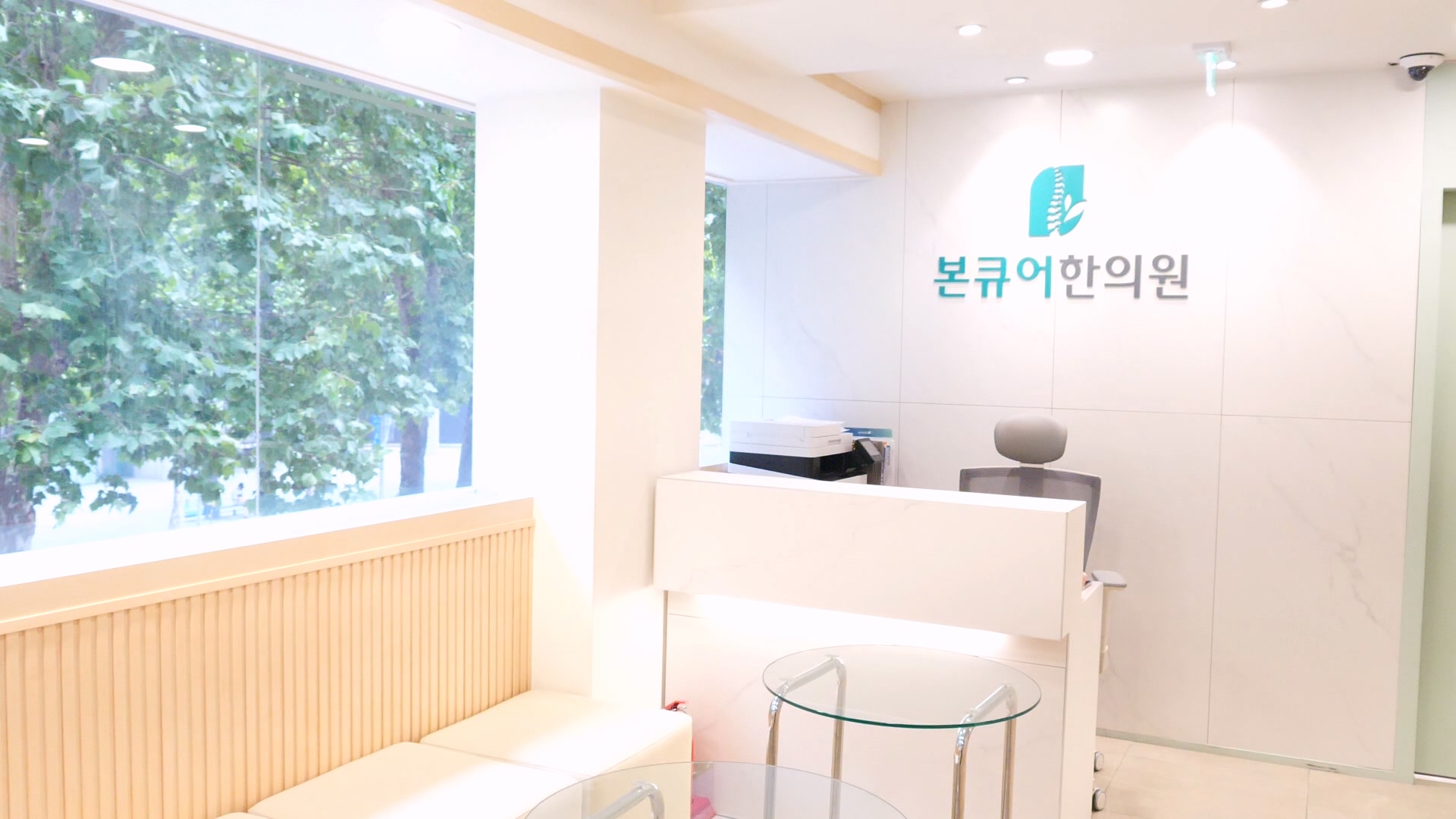
Autonomic dysfunction causes a wide range of systemic symptoms because it disrupts the body's internal balancing mechanism, making it essential to identify the root triggers for effective recovery.
Understanding Autonomic Dysfunction and Its Core Causes
Autonomic dysfunction refers to a condition where the autonomic nervous system (ANS) fails to regulate involuntary body functions such as heart rate, blood pressure, and digestion. This system is divided into the sympathetic and parasympathetic branches, which must remain in a state of dynamic equilibrium to maintain homeostasis. When this balance is disturbed by external or internal factors, the body's ability to respond to stress or rest becomes compromised, leading to chronic fatigue and dizziness. Identifying the specific autonomic dysfunction causes is the first step in creating a tailored recovery plan that addresses the patient's unique physiological needs.
Defining the Autonomic Nervous System and Its Role
The autonomic nervous system serves as the control center for nearly all unconscious biological processes, acting as the bridge between the brain and vital organs. It manages everything from the diameter of your pupils to the rhythm of your heart, ensuring that your body adapts to environmental changes without conscious effort. In a healthy individual, the sympathetic nervous system prepares the body for action, while the parasympathetic nervous system promotes relaxation and healing. However, when the structural pathways for these signals are obstructed, the system can become stuck in a state of hyper-arousal or extreme lethargy. At BonCure, we observe that patients often present with an overactive sympathetic response due to chronic physical or mental stress. Clinical data highlights that the vagus nerve, which carries the vast majority of all parasympathetic outflow, is frequently compromised in cases of dysautonomia. Restoring the natural rhythm of these signals is vital for long-term health and systemic stability.
Distinguishing Between Primary and Secondary Causes
Clinical practitioners categorize autonomic dysfunction causes into primary and secondary types to better understand the underlying pathology. Primary autonomic dysfunction occurs when the nervous system itself suffers direct damage from neurodegenerative conditions, such as Multiple System Atrophy or Parkinson's disease. In contrast, secondary autonomic dysfunction is much more common and occurs when another medical condition or structural issue interferes with the nervous system's function. Common secondary triggers include diabetes, autoimmune disorders, and chronic spinal misalignments that put pressure on neural pathways. At BonCure, we focus heavily on these secondary causes, particularly those related to the musculoskeletal system. Clinical observations suggest that a significant number of patients with chronic dizziness also exhibit signs of cervical spine instability. By distinguishing whether the dysfunction is an isolated neurological event or a result of systemic structural stress, we can apply more precise interventions like acupotomy to release trapped nerves and restore the body's natural regulatory capacity through alignment.
Common Triggers That Disrupt Neural Balance
Beyond chronic diseases, several daily life factors act as triggers that can suddenly or gradually disrupt your neural balance. Viral infections are a notable trigger, as they can cause systemic inflammation that lingers long after the initial illness has passed. Furthermore, chronic emotional stress and sleep deprivation can lead to a state of neural exhaustion where the body loses its ability to switch between 'fight or flight' and 'rest and digest' modes. Physical trauma, such as whiplash from a car accident, can also serve as a significant catalyst for autonomic issues by damaging the delicate structures of the neck. In my clinical experience at BonCure, I have seen how these triggers accumulate over time, leading to a tipping point where the nervous system can no longer compensate. In some cases, patients may require up to 20 sessions of focused structural therapy to stabilize their symptoms, especially when multiple triggers like inflammation and spinal compression coexist. Identifying these triggers allows for a comprehensive approach to recovery that goes beyond temporary symptom management.
The Structural Connection Between Spine Health and Dysautonomia
The structural connection between the spine and the autonomic nervous system is rooted in the physical proximity of neural pathways to the vertebrae. The autonomic nerves travel through and alongside the spinal column, meaning any deviation in spinal alignment can exert mechanical pressure on these sensitive fibers. This compression can distort the electrochemical signals traveling between the brain and the body, leading to the erratic symptoms associated with dysautonomia. By prioritizing structural integrity, we can alleviate the physical stress that often acts as one of the hidden autonomic dysfunction causes in many patients.
Cervical Spine Misalignment and Vagus Nerve Compression
The upper cervical spine, particularly the C1 and C2 vertebrae, plays a critical role in autonomic health due to its proximity to the brainstem and the vagus nerve. When these vertebrae are misaligned, they can create a 'bottleneck' effect, compressing the vagus nerve as it exits the skull. This compression reduces parasympathetic tone, which is responsible for calming the heart and stimulating digestion. At BonCure, we utilize detailed structural assessments to identify these specific misalignments. For instance, a patient suffering from persistent heart palpitations or digestive distress may actually be experiencing the effects of a shifted atlas vertebra. Clinical observations in our facility have shown that correcting the alignment of the cervical spine may help patients feel relief more efficiently in some cases, though individual results will vary and the degree of improvement depends on the patient's condition. This structural focus is essential because chemical interventions often fail to address the mechanical obstruction of nerve signals that occurs at the top of the spinal column.
How Postural Stress Impacts Autonomic Regulation
Modern lifestyles often lead to chronic postural stress, such as 'tech neck' or forward head posture, which places an immense burden on the autonomic nervous system. When the head shifts forward, the muscles in the neck and upper back must work harder to maintain balance, leading to chronic tension and the formation of adhesions in the fascia. This localized inflammation can irritate the sympathetic ganglia located along the thoracic spine, keeping the body in a state of constant high alert. At BonCure, we find that postural correction is not just about aesthetics but about neural survival. Over time, poor posture can lead to a significant increase in mechanical tension on the spinal cord. This persistent strain is one of the more subtle autonomic dysfunction causes that many people overlook. By addressing postural habits and releasing muscle adhesions, we help the body move back into a state of neural ease, allowing the autonomic system to function without constant interference.
Clinical Notes on Structural Integrity and Nerve Flow
Maintaining the structural integrity of the entire spinal column is necessary for ensuring uninterrupted nerve flow throughout the body. The relationship between the bones and the nerves is symbiotic, meaning that a healthy spine supports a healthy nervous system, and vice versa. When the spinal curvature is lost or exaggerated, it can stretch the spinal cord and its associated nerves, leading to decreased signal conductivity. In my practice at BonCure, I have documented cases where patients with severe spinal curvature issues experienced a significant reduction in autonomic symptoms after undergoing a series of structural adjustments and acupotomy. It is important to note that chronic cases often require a consistent series of treatments, sometimes spanning several months, to achieve lasting stability. While structural recovery may help many individuals, the effectiveness of the treatment can vary depending on the severity of the spinal degeneration and the patient's overall health status. Ensuring that the structural 'housing' of the nervous system is sound remains a cornerstone of our clinical philosophy.
Comparing Approaches to Treating Autonomic Dysfunction
Treating autonomic dysfunction requires a careful comparison of various methodologies to determine which approach best suits the patient's specific needs. Traditional management often focuses on mitigating symptoms through pharmacological means, while more holistic approaches seek to address the underlying structural or physiological imbalances. Understanding the strengths and limitations of each method is crucial for patients seeking a comprehensive path to recovery from dysautonomia.
Conventional Management vs. Traditional Korean Medicine
Conventional medicine typically addresses autonomic dysfunction by prescribing medications to control heart rate, manage blood pressure, or alleviate digestive issues. While these treatments can provide relief, they often do not address the physical compression or structural causes that may be triggering the symptoms. On the other hand, Traditional Korean Medicine, particularly as practiced at BonCure, looks at the body as an integrated system where structural alignment and neural flow are paramount. We focus on physical interventions like acupotomy to physically break down adhesions that may be trapping nerves. While conventional drugs might provide a quick fix for a racing heart, our approach aims to restore the environment that allows the heart to regulate itself. It is important to recognize that for some acute medical conditions, conventional intervention is necessary, but for chronic dysautonomia related to physical stress, structural restoration often provides a more sustainable path toward long-term balance and neurological health.
| Feature | Conventional Management | BonCure Structural Approach |
|---|---|---|
| Primary Focus | Pharmacological management | Addressing structural imbalances |
| Mechanism | Chemical regulation of neurotransmitters | Physical release of nerve entrapment |
| Structural Care | Generally not addressed | Central to the treatment protocol |
| Patient Involvement | Passive (taking medication) | Active (postural awareness and therapy) |
| Side Effects | Potential for drug-related systemic effects | Temporary soreness or mild bruising |
| Recovery Goal | Management of chronic symptoms | Restoration of natural neural harmony |
A 2026 Guide to Managing Autonomic Dysfunction through Structural Recovery at BonCure
The Benefits of Combining Structural Correction with Acupuncture
Combining structural correction with acupuncture offers a synergistic effect that addresses both the mechanical and energetic aspects of autonomic dysfunction causes. Structural correction, such as spinal alignment, addresses the physical 'hardware' of the body, ensuring that the vertebrae are not impinging on nerves. Acupuncture, specifically the techniques utilized at BonCure, works to modulate the 'software' by stimulating specific points that influence the autonomic nervous system directly. This dual approach helps to calm the sympathetic nervous system while simultaneously strengthening the parasympathetic response. Research suggests that acupuncture can help reduce inflammation and improve blood flow to the brainstem, which is the command center for the ANS. By using acupotomy to release deep tissue adhesions and following up with traditional acupuncture for pain management, we create a comprehensive healing environment. Patients often find that this combination not only alleviates their primary autonomic symptoms but also improves their overall sense of well-being and resilience to future stress.
Innovative Solutions at BonCure for Restoring Neural Harmony
At BonCure, we pride ourselves on utilizing innovative techniques that bridge the gap between traditional wisdom and modern structural science. Our primary goal is to restore neural harmony by removing the physical barriers that prevent the autonomic nervous system from functioning correctly. Through specialized tools and a deep understanding of spinal anatomy, we provide solutions that target the most stubborn autonomic dysfunction causes.
Utilizing Acupotomy to Release Adhesion and Nerve Entrapment
Acupotomy is a specialized form of treatment that uses a scalpel-like needle to release internal adhesions and scar tissue that can entrap nerves. These adhesions often form as a result of chronic inflammation or past injuries, and they can physically 'glue' the fascia to the nerves, causing persistent irritation. At BonCure, we use acupotomy to precisely target these areas of entrapment around the cervical and thoracic spine. By physically breaking down these restrictive tissues, we can immediately reduce the mechanical pressure on the autonomic ganglia. Acupotomy can be an option for addressing deep-seated adhesions in the fascia, as it reaches deeper tissues that are often inaccessible through superficial manual therapies. It is important to note that while acupotomy is a specialized technique for structural release, it may cause temporary soreness, minor bleeding, or rarely, infection at the site of the procedure. However, for many individuals dealing with the structural triggers of dysautonomia, this release is a vital step toward restoring normal neural communication.
Acupuncture for Chronic Pain and Autonomic Stability
Acupuncture remains one of the most reliable methods for stabilizing the autonomic system, particularly in the context of chronic pain. Chronic pain acts as a constant sympathetic stimulus, keeping the body in a state of persistent stress that worsens autonomic dysfunction causes. By utilizing acupuncture to manage back and neck pain, we can effectively 'lower the volume' of these stress signals. At BonCure, we integrate acupuncture for back pain into our dysautonomia protocols to help ground the patient's nervous system. This treatment encourages the release of endorphins and modulates the hypothalamic-pituitary-adrenal (HPA) axis, which is responsible for the body's stress response. In our clinical experience, regular acupuncture sessions can help maintain the progress made through structural alignment, providing a stabilizing force that prevents the nervous system from reverting to its previous state of imbalance. This holistic approach ensures that both the physical structure and the internal regulatory systems are moving toward health in unison.
Dizziness and Lightheadedness Recovery: A 2026 Structural Guide at BonCure
Managing Long Term Recovery and Potential Side Effects
Long-term recovery from autonomic dysfunction requires a commitment to both clinical treatment and lifestyle adjustments. While techniques like acupotomy and spinal correction provide the necessary physical changes, maintaining those changes involves ongoing postural awareness and stress management. At BonCure, we guide our patients through a recovery timeline that respects the body's natural healing pace. It is essential to understand that everyone responds differently to treatment; some may see improvements in a few sessions, while others with chronic conditions may require 20 or more sessions for full stabilization. Potential side effects of our structural treatments, such as temporary bruising or a short-term increase in sensitivity, are generally mild and subside within a few days. We emphasize the importance of hydration and rest following a session to support the nervous system as it recalibrates. By managing expectations and providing a clear path for maintenance, we help our patients achieve a lasting state of neural harmony and a higher quality of life.
Frequently Asked Questions
Q. What are the most common causes of autonomic dysfunction?
Autonomic dysfunction can stem from various sources, including underlying medical conditions like diabetes, autoimmune diseases, or viral infections. However, structural issues such as spinal misalignment or chronic physical stress are also significant contributors that can interfere with nerve signaling. Identifying whether the cause is primary or secondary is essential for choosing the right treatment.
Q. How does spinal health affect the autonomic nervous system?
The spine houses the pathways for the autonomic nervous system. When the vertebrae, particularly in the cervical or neck region, are misaligned, they can put pressure on nerves like the vagus nerve. This compression disrupts the signals sent to vital organs, leading to symptoms of dysautonomia like heart palpitations and dizziness.
Q. Can acupuncture for back pain also help with autonomic symptoms?
Yes, many patients find that acupuncture for back pain helps stabilize their autonomic system. By reducing muscle tension and improving circulation around the spine, acupuncture can alleviate the physical stressors that trigger autonomic imbalances. It helps shift the body from a sympathetic state to a parasympathetic state.
Q. What is the difference between primary and secondary autonomic dysfunction?
Primary autonomic dysfunction occurs when the nervous system itself is damaged, as seen in conditions like Multiple System Atrophy or Parkinson's. Secondary dysfunction happens when another condition, such as spinal structural issues, metabolic diseases, or viral infections, causes the system to malfunction. Secondary causes are often more responsive to structural restoration.
Q. What are the signs that my autonomic system is out of balance?
Symptoms vary widely but often include dizziness upon standing, irregular heart rates, digestive issues, and extreme fatigue. You might also experience temperature sensitivity or issues with sweating. If you experience these without a clear medical cause, it may be related to autonomic regulation issues and structural compression.
Q. Are there side effects to treatments like acupotomy or acupuncture?
While these treatments are used for structural release, they may cause temporary soreness, mild bruising, minor bleeding, or rarely, infection at the site of treatment. These effects are generally short-lived. Each individual's response can vary based on their current health status and the severity of their condition.
Q. How long does it take to see improvement in autonomic function after treatment?
The timeline for recovery depends on the severity and duration of the dysfunction. Some patients may experience a sense of relief relatively quickly after structural correction at BonCure, while chronic cases may require a consistent series of treatments, such as 20 sessions, to help stabilize the nervous system. Results are not guaranteed and vary by individual.
Key Takeaways
- Autonomic dysfunction is often a secondary symptom of structural misalignments in the spine.
- The vagus nerve is a critical component of autonomic health and is highly susceptible to cervical compression.
- Acupotomy at BonCure helps release the physical adhesions that entrap nerves and disrupt signal flow.
- Recovery is a gradual process that requires both clinical intervention and lifestyle postural changes.
- A combination of structural alignment and acupuncture provides a comprehensive approach to neural harmony.
I hope this guide helps you understand the complex nature of the nervous system and the importance of structural health. If you are experiencing symptoms of dysautonomia, seeking a structural evaluation may be the key to your recovery.
BonCure / Dr. Jeong-hyeon Song
FAQ
- What are the most common causes of autonomic dysfunction?
- Autonomic dysfunction can stem from various sources, including underlying medical conditions like diabetes, autoimmune diseases, or viral infections. However, structural issues such as spinal misalignment or chronic physical stress are also significant contributors that can interfere with nerve signaling. Identifying whether the cause is primary or secondary is essential for choosing the right treatment.
- How does spinal health affect the autonomic nervous system?
- The spine houses the pathways for the autonomic nervous system. When the vertebrae, particularly in the cervical or neck region, are misaligned, they can put pressure on nerves like the vagus nerve. This compression disrupts the signals sent to vital organs, leading to symptoms of dysautonomia like heart palpitations and dizziness.
- Can acupuncture for back pain also help with autonomic symptoms?
- Yes, many patients find that acupuncture for back pain helps stabilize their autonomic system. By reducing muscle tension and improving circulation around the spine, acupuncture can alleviate the physical stressors that trigger autonomic imbalances. It helps shift the body from a sympathetic state to a parasympathetic state.
- What is the difference between primary and secondary autonomic dysfunction?
- Primary autonomic dysfunction occurs when the nervous system itself is damaged, as seen in conditions like Multiple System Atrophy or Parkinson's. Secondary dysfunction happens when another condition, such as spinal structural issues, metabolic diseases, or viral infections, causes the system to malfunction. Secondary causes are often more responsive to structural restoration.
- What are the signs that my autonomic system is out of balance?
- Symptoms vary widely but often include dizziness upon standing, irregular heart rates, digestive issues, and extreme fatigue. You might also experience temperature sensitivity or issues with sweating. If you experience these without a clear medical cause, it may be related to autonomic regulation issues and structural compression.
- Are there side effects to treatments like acupotomy or acupuncture?
- While these treatments are effective for structural release, they may cause temporary soreness, mild bruising, or minor bleeding at the site of treatment. These effects are generally short-lived and are a natural part of the body's response to the release of deep tissue adhesions. Each individual's response can vary based on their current health status.
- How long does it take to see improvement in autonomic function after treatment?
- The timeline for recovery depends on the severity and duration of the dysfunction. Some patients experience a sense of relief shortly after structural correction at Bonecure, while chronic cases may require a consistent series of treatments, such as 20 sessions, to fully stabilize the nervous system and maintain long-term results.