
Post
Dizziness and Lightheadedness Recovery: A 2026 Structural Guide at Bonecure
Hello. I am Dr. Song Jung-hyun, a Korean medicine practitioner who has specialized in Acupoint Release Therapy for many years.
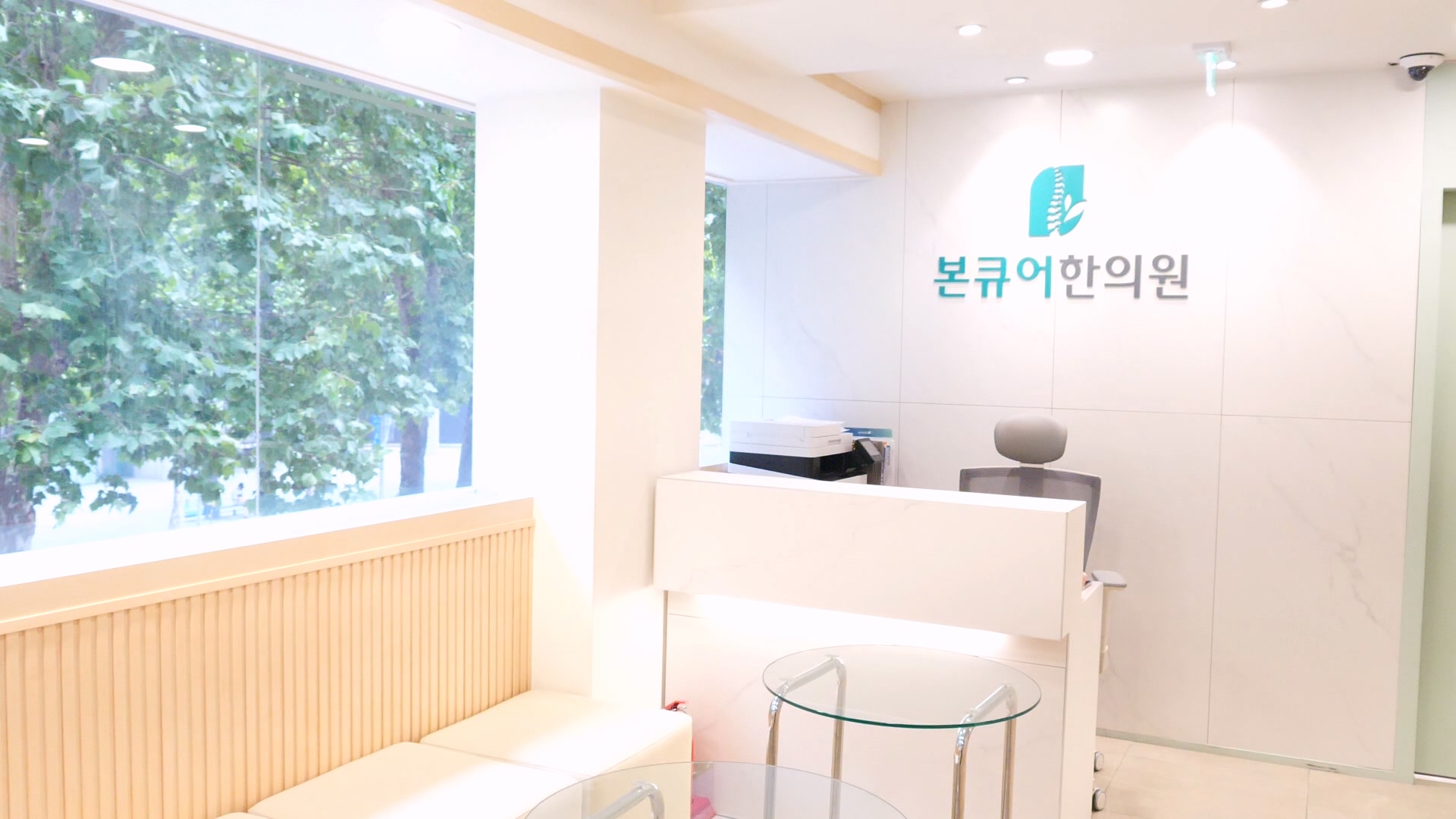
Dizziness and lightheadedness are among the most common complaints I see, yet they are often the most misunderstood. These symptoms can be debilitating, affecting your ability to work, drive, or even stand comfortably. In this guide, I will explain why looking beyond the ears and brain to the actual structure of your body is often the key to finding relief through a focused and efficient treatment approach.
Understanding Dizziness and Lightheadedness: Why Balance Begins with Structure
Dizziness and lightheadedness are common clinical symptoms characterized by a sense of spinning or a feeling of being faint, often resulting from a disruption in the body's complex balance system. At Bonecure, we approach these issues through the lens of structural integrity, focusing on how skeletal imbalances can disrupt the flow of energy and blood to the head. Conventional tests like MRIs or blood work often return normal results because they look for pathology, not structural dysfunction. By evaluating the alignment of the skeletal system, we can identify subtle physical blockages that interfere with the vestibular system. Our goal is to provide treatment that leads to an immediate change in symptoms, allowing patients to feel the improvement within the session itself rather than waiting for weeks of cumulative care.
The Cervical Connection: How Your Neck Influences Your Vestibular System
Cervicogenic dizziness refers to a condition where disorientation and imbalance are directly caused by structural issues in the neck. Dizziness and lightheadedness are often linked to the upper cervical vertebrae, which harbor critical sensory receptors. When these joints are misaligned, the brain receives conflicting signals regarding the body's position. In my clinical experience at Bonecure, I have observed that addressing these structural deviations is essential for relief. For instance, in one documented case, a patient presenting with chronic tinnitus (ear ringing) for over 18 years—a condition often comorbid with dizziness—showed significant improvement through C1 and C2 realignment. While individual results vary, restoring the curvature of the neck can significantly reduce the frequency of dizzy spells. It is important to note that structural dizziness often stems from chronic poor posture or previous trauma that has caused deep tissue adhesions. Recognizing Early BPPV Symptoms: A 2026 Structural Recovery Guide by Bonecure
Bonecure's Approach: Acupoint Release Therapy for Structural Restoration
Acupoint Release Therapy is a specialized procedure at Bonecure that uses a unique blade-shaped needle to treat musculoskeletal adhesions and restore proper nerve function. This method focuses on the physical release of hardened tissues that have become stuck to bone or surrounding ligaments. By mechanically breaking these adhesions, we allow the spine to return to its natural alignment and improve the circulatory environment of the upper body. This approach is highly efficient; we avoid unnecessary testing packages and focus on the most impactful interventions to ensure patients experience immediate relief. We combine this technical procedure with Chuna manual therapy to ensure that the entire skeletal framework is balanced.
How Acupoint Release Therapy Addresses Deep Tissue Adhesions
Acupoint Release Therapy stands as a cornerstone of the restoration process at Bonecure. This specialized procedure utilizes a blade-shaped needle designed to physically separate adhesions in the muscles and ligaments that surround the spine. These adhesions often restrict blood flow and compress nerves, leading to persistent lightheadedness. During the procedure, patients might feel a sharp or heavy sensation, which is a normal response to the release of tight tissues. In my clinical practice, we prioritize treatments that show immediate results. I believe that patients should feel a difference during the appointment. We do not prescribe long, rigid protocols of 10 or 20 sessions upfront; instead, we focus on high-impact, compressed care tailored to your immediate needs. By clearing these internal obstructions, the body can regain its natural ability to regulate balance and maintain a steady, upright posture. A 2026 Structural Guide to Managing Tinnitus and Dizziness at Bonecure
Comparative Analysis: Symptom Management vs. Structural Root-Cause Treatment
Symptom management focuses on alleviating the immediate sensation of illness, whereas structural root-cause treatment aims to correct the physical abnormalities triggering the condition. Many patients who experience dizziness are prescribed vestibular suppressants. While these manage immediate sensations, structural restoration at Bonecure emphasizes the physical alignment of the skeletal system. Our goal is to provide a clinical environment where the body's natural balance mechanisms can function optimally. By focusing on anatomical alignment, we offer a distinct pathway for those seeking to resolve the physical blockages that medication may not reach.
Clinical Evidence and Case Insights from Bonecure
At Bonecure, we emphasize a science-first approach where improvements are measured through patient feedback and structural imaging. We have seen that when the cervical curvature is restored, the autonomic nervous system tends to stabilize, reducing the feelings of lightheadedness that often accompany anxiety or stress. These case insights help us refine our protocols and provide more predictable care. It is important to remember that every human body is unique, and while clinical patterns exist, your specific path to recovery will be tailored to your anatomical findings and immediate symptom response.
Case Report Summary: Efficiency in Structural Restoration
In my practice, I frequently consult with patients, including those from abroad, who travel for structural restoration. For individuals requiring quick condition management, a structural approach focusing on the cervical spine is beneficial. While some chronic cases require ongoing management to maintain stability, many patients notice immediate changes in just 1 to 3 sessions. We utilize objective data, such as whole-spine X-ray images, to monitor changes in the skeletal framework. It is essential to communicate that while these treatments can be highly effective, they are not without minor risks such as temporary soreness or localized bruising. Each care plan is individualized, ensuring that the structural root causes are addressed with precision without unnecessary or repetitive sessions.
Safety Protocols and What to Expect During Your Recovery Journey
Safety protocols are the established clinical guidelines used at Bonecure to ensure that every structural treatment is performed with minimal risk. We prioritize sterile procedures and use disposable tools for all sessions. Understanding what to expect can help reduce anxiety. Recovery involves physical adaptation where the body learns to hold its correct alignment. We provide guided support, monitoring your progress and adjusting the intensity based on how your tissues respond. Our goal is to ensure a safe, transparent, and effective path toward balance through essential and impactful care.
Understanding Potential Side Effects and Material Risks
While Acupoint Release Therapy is a minimally invasive technique, patients should be aware of potential side effects including temporary pain at the site of treatment, minor bleeding, or rare instances of localized infection. These occurrences are generally mild and resolve within a few days. It is also common to experience a temporary increase in fatigue as the body adjusts to improved nerve signaling. During the recovery journey, the frequency of visits is managed based on your specific response and tissue healing speed. We avoid generic long-term packages, focusing instead on the most efficient path to cervical alignment. Patients are encouraged to maintain open communication regarding any discomfort. A 2026 Clinical Guide to the Root Causes of Tinnitus: A Structural Perspective at Bonecure
Frequently Asked Questions
Q. What is the primary difference between dizziness and lightheadedness?
Dizziness often refers to a spinning sensation, whereas lightheadedness feels like you are faint. Both can stem from structural issues in the neck that interfere with blood flow or nerve signals to the brain.
Q. Can a neck injury or poor posture really cause dizziness?
Yes, this is known as cervicogenic dizziness. When the cervical spine is misaligned, it can disrupt proprioceptive signals sent to the brain, leading to a loss of balance. Correcting this alignment is often the key to resolving the sensation.
Q. How many sessions will I need?
At Bonecure, we do not require a fixed number of sessions like 10 or 20. Many patients feel an immediate improvement after just one session. The total number of treatments depends on your unique structural needs and how quickly your body stabilizes.
Q. Is the treatment at Bonecure painful?
Patients may experience a sharp or heavy sensation during the Acupoint Release process as adhesions are cleared. While intense, most report an immediate sense of lightness and improved mobility afterward.
Q. Are there any side effects?
Minor side effects may include temporary soreness, light bruising, or localized swelling. These typically resolve within a few days and are a normal part of the healing response.
Q. Was the 18-year case mentioned related to dizziness?
Actually, that specific 18-year chronic case referred to an individual suffering from tinnitus (ear ringing). However, because the upper cervical spine (C1-C2) affects the same neural and circulatory pathways as balance, similar structural restoration is used for dizziness.
Q. Do I need to bring previous medical records?
If you have recent X-rays or MRI scans, they are helpful. We use these alongside our own physical assessments to create a precise and efficient treatment plan.
Key Takeaways
- Dizziness and lightheadedness often have structural root causes in the cervical spine (C1-C2).
- Bonecure focuses on immediate symptom improvement and efficient, essential care rather than long-term packages.
- Acupoint Release Therapy removes tissue adhesions to restore nerve and blood flow.
- Individual results vary, and minor side effects like soreness or bruising may occur.
If you are struggling with persistent balance issues, a structural evaluation may provide the answers you have been searching for.
Bonecure / Dr. Song Jung-hyun
FAQ
- What is the primary difference between dizziness and lightheadedness?
- Dizziness often refers to a spinning sensation or vertigo, where it feels like the room is moving. Lightheadedness feels like you are faint or about to lose consciousness. Both can stem from structural issues in the neck that interfere with blood flow or nerve signals to the brain, requiring a structural assessment.
- Can a neck injury or poor posture really cause dizziness?
- Yes, this is frequently known as cervicogenic dizziness. When the cervical spine is misaligned or the surrounding muscles are severely tight, it can disrupt the proprioceptive signals sent to the brain, leading to a loss of balance. Correcting this alignment is often the key to resolving the sensation.
- What is Acupoint Release Therapy, and how does it help?
- It is a specialized procedure at Bonecure using a blade-shaped needle to release adhesions in the soft tissues and ligaments. By resolving these physical blockages around the spine, we can restore proper nerve function and circulation, which helps stabilize the vestibular system.
- Is the treatment at Bonecure painful?
- Patients may experience a sharp or heavy sensation during the Acupoint Release process as the adhesions are cleared. While it can be momentarily intense, most patients report an immediate sense of lightness and improved mobility following the procedure. We always work within the patient's comfort level.
- Are there any side effects to the acupuncture or structural therapies?
- Minor side effects may include temporary soreness at the treatment site, light bruising, or localized swelling. These typically resolve within a few days and are considered a normal part of the healing response. We use sterile, disposable tools to maintain the highest safety standards.
- How many sessions are generally required to see an improvement in dizziness?
- While some patients notice a change after 1 to 3 sessions, chronic or severe structural misalignments often require a series of treatments. A typical protocol ranges from 10 to 20 sessions depending on the individual's condition and how long the imbalance has existed.
- Do I need to bring previous medical records or X-rays to the clinic?
- If you have recent X-rays or MRI scans, they can be very helpful for a structural diagnosis. At Bonecure, we use these records alongside our own physical assessments to create a precise and safe treatment plan tailored to your specific skeletal needs.