
Post
A 2026 Structural Guide to Managing Tinnitus and Dizziness at Bonecure
Hello. I am Dr. Jeong-hyun Song, a licensed Korean medicine practitioner who has specialized in acupotomy, also known as Dochim therapy, for many years.
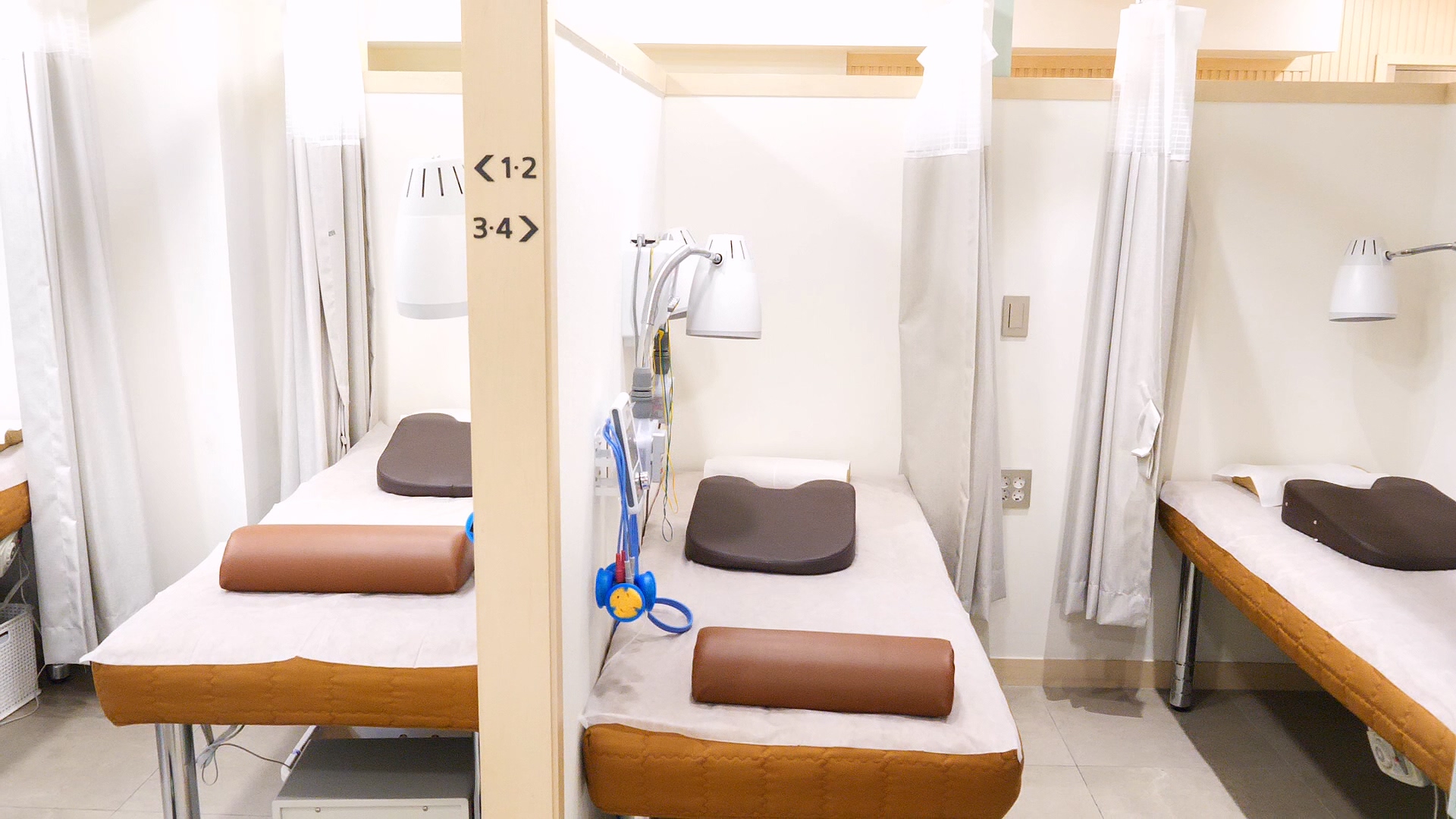
Many patients come to our clinic feeling overwhelmed by the simultaneous onset of ringing in the ears and a loss of balance. These symptoms are often more than just isolated issues; they frequently stem from structural imbalances in the neck and spine. This guide explores the relationship between your physical alignment and auditory health, providing a scientific perspective on how structural restoration can support your recovery journey in 2026.
Understanding the Link Between Tinnitus and Dizziness
Cervicogenic tinnitus and dizziness refer to sensory disturbances that are primarily caused by dysfunction or misalignment within the cervical spine. When the structural integrity of the neck is compromised, the sensory information sent to the brain can become distorted, leading to phantom noises or a persistent sense of instability. At Bonecure, we focus on identifying these mechanical triggers to help the body regain its natural equilibrium through targeted structural interventions.
Defining Cervicogenic Tinnitus and Vertigo
Cervicogenic tinnitus and vertigo are clinical terms used to describe auditory and balance issues that originate from the musculoskeletal structures of the neck. This condition suggests that the nerves and mechanoreceptors in the upper cervical region are providing faulty data to the vestibular nuclei in the brain. Statistics indicate that approximately 15% of adults suffer from some form of tinnitus, and a significant portion of these cases involve secondary symptoms like dizziness. By analyzing the physical tension in the suboccipital muscles, practitioners at Bonecure can determine if a patient's symptoms are linked to spinal misalignment. While individual results vary, the goal of this assessment is to find the physical root of the sensory disturbance. Treating the neck can often lead to a reduction in the perceived volume of ear ringing and an improvement in overall balance. This approach is particularly relevant for those who have not found relief through traditional hearing-focused treatments alone.
Why Ear Ringing Often Accompanies Balance Issues
The coexistence of ear ringing and balance issues is largely due to the shared neurological pathways located within the inner ear and the upper spine. The vestibulocochlear nerve, which is responsible for both hearing and balance, can be affected by changes in pressure or nerve signals caused by surrounding structural tension and misalignment of the upper cervical vertebrae. In my clinical observations, I have seen patients who reported that their dizziness intensified whenever their neck stiffness worsened, illustrating a direct physical connection. Many individuals experiencing these symptoms also show signs of structural misalignment and nerve entrapment in the surrounding tissues, which can disrupt the delicate sensory environment of the auditory system. At Bonecure, we emphasize that these two symptoms are often different manifestations of the same underlying structural problem. By improving the alignment of the cervical vertebrae, we aim to decompress these vital pathways and allow the inner ear to function more efficiently. This holistic view ensures that we address the functional environment rather than just isolated symptoms.
The Role of the Autonomic Nervous System in Auditory Health
The autonomic nervous system acts as the master regulator for blood vessel diameter and muscle tension throughout the body, including the delicate structures of the ear. Chronic structural stress in the neck can lead to an overactive sympathetic response, which often results in restricted blood flow to the cochlea and vestibular system. At Bonecure, we utilize Heart Rate Variability (HRV) testing to measure the state of the autonomic nervous system in our patients. Observations in clinical settings suggest that patients with higher stress-index scores may experience more persistent and intrusive auditory symptoms. By stabilizing the physical structure of the spine, we work to reduce the neurological 'noise' that keeps the body in a state of high alert. This restoration of balance is crucial for allowing the sensitive hair cells in the ear to recover from metabolic stress. A calm and balanced autonomic system is the foundation for long-term recovery from complex symptoms like tinnitus and vertigo.
The Structural Connection: Cervical Spine and Nerve Compression
Upper cervical misalignment and nerve compression occur when the first and second vertebrae (C1 and C2) are not properly positioned, potentially putting pressure on the nearby nerves and surrounding soft tissues. This mechanical interference can disrupt the signals between the ears and the brain, leading to a variety of neurological symptoms. Restoring the correct alignment of these vertebrae is a primary focus for improving the physiological environment of the upper neck.
Upper Cervical Misalignment and Nerve Entrapment
The upper cervical spine serves as a critical junction for the nerves that support the head and ears. When these vertebrae are misaligned, even by a few millimeters, they can cause subtle compression or entrapment of the surrounding nerve plexus. This interference can lead to altered sensory processing, which is a known contributing factor to both tinnitus and dizziness. At Bonecure, we use detailed structural analysis to identify these misalignments and their impact on a patient's neurological health. Clinical notes from our practice have documented cases where chronic symptoms were directly correlated with specific postural deviations seen on X-ray images. By focusing on these structural markers, we can develop a more precise recovery plan that targets the physical cause of the patient's discomfort. Understanding this mechanical relationship is essential for anyone seeking a long-term solution to persistent auditory and vestibular challenges.
Chronic Muscle Tension in the Suboccipital Region
Chronic muscle tension in the suboccipital region, located at the very top of the neck, can create a ripple effect of dysfunction throughout the auditory system. These small but powerful muscles are densely packed with sensory receptors that communicate directly with the brain's balance centers. When these muscles remain in a state of constant contraction or develop adhesions (fibrosis), they can pull the vertebrae out of alignment and entrap local nerves. At Bonecure, we often find that releasing this tension and breaking down these adhesions is a key step in reducing the intensity of ear ringing for our patients. This tension is frequently the result of poor posture, such as 'tech neck,' which has become increasingly common in 2026. In my clinical experience, addressing muscle tension and spinal alignment has helped patients achieve improvements in their perceived symptom scores. However, individual results vary, and these improvements depend on the patient's specific structural condition. It is important to realize that soft tissue health and bone alignment are inseparable when it comes to neurological function.
How Spinal Alignment Influences Inner Ear Pressure
Spinal alignment plays a significant role in managing the pressure of the fluids within the inner ear, which is vital for both hearing and balance. The drainage of lymphatic fluid and venous blood from the head is heavily influenced by the position of the cervical vertebrae and the tension of the surrounding fascia. Any blockage or restriction in these drainage pathways caused by structural misalignment can lead to an increase in internal pressure, a condition sometimes associated with chronic vestibular symptoms. At Bonecure, our structural restoration techniques are designed to ensure that these pathways remain open and functional. By correcting the curvature of the spine, we help the body maintain the delicate balance required for clear hearing and steady movement. We have observed that improving the whole spine's alignment can lead to more stable outcomes for patients suffering from chronic dizziness. This structural approach provides a physical foundation for the body to regulate its internal sensory environment more effectively.
Integrative Treatment at Bonecure: Restoring Structural Balance
Integrative treatment at Bonecure involves a combination of specialized techniques designed to address both the hard and soft tissues of the body. By using a multi-faceted approach, we can more effectively target the root causes of tinnitus and dizziness. Our goal is to provide a comprehensive path toward functional recovery and improved quality of life.
Dochim Therapy: Releasing Adhesions for Nerve Decompression
Acupotomy, or Dochim therapy, is a specialized Korean medicine technique that uses a blade-shaped needle to release chronic adhesions within the soft tissues. At Bonecure, this treatment is used to break down scar tissue and thickened fascia that may be entrapping nerves or restricting local circulation near the ear. By releasing these physical obstructions, we aim to facilitate improved nerve signaling and the delivery of nutrients to damaged auditory tissues. In my clinical practice, I have observed that even for those with long-standing chronic tinnitus, identifying and treating structural causes can lead to meaningful changes in symptom intensity. Each case is unique, and the degree of recovery depends on individual physiological factors. However, it is important to note that this procedure may cause temporary side effects such as localized pain, minor bruising, or light bleeding. As with any medical intervention, individual responses will vary, and multiple sessions are often required for chronic cases. By focusing on tissue quality and nerve decompression, Dochim therapy provides a unique avenue for structural recovery.
Chuna Manual Therapy for Spinal Realignment
Chuna manual therapy is a corrective technique used to balance the structures of the body by manipulating the bones, muscles, and joints. At Bonecure, we use Chuna to address the specific misalignments in the cervical and thoracic spine that contribute to auditory and vestibular symptoms. This therapy helps to restore the natural curvature of the neck, which reduces the mechanical strain on the nervous system. By realigning the spine, we can improve the body's overall posture and functional efficiency, which is often reflected in improved balance. In certain clinical instances, consistent integrated structural therapy has supported the recovery of function for patients with various auditory challenges. The number of sessions required and the final outcome are determined by the individual's response to treatment. Chuna is a gentle yet effective way to support the body's structural integrity without the need for invasive measures. It serves as a vital component of our comprehensive approach to treating complex, multi-symptomatic conditions.
Oriental Medicine for Chronic Pain and Systemic Recovery
Oriental medicine at Bonecure includes the use of herbal prescriptions and specialized acupuncture to support the body's systemic recovery during structural treatment. These traditional methods are used to reduce systemic inflammation and improve circulation, which enhances the effectiveness of physical therapies like Chuna and Dochim. For patients dealing with chronic pain or exhaustion alongside their tinnitus, herbal medicine can provide the metabolic support needed for tissue repair. We often find that patients who combine structural correction with systemic support experience more consistent and long-lasting improvements. While the focus remains on structural alignment, addressing the body's internal environment ensures that the recovery process is holistic and sustainable. This integrative approach allows us to treat the person as a whole, rather than just focusing on their auditory symptoms in isolation. Outcomes depend on individual patient factors and treatment adherence.
A 2026 Clinical Guide to the Root Causes of Tinnitus: A Structural Perspective at Bonecure
Comparing Conventional Management vs. Structural Correction
Comparing conventional management with structural correction involves looking at how different philosophies approach the treatment of chronic symptoms. While one focuses on managing the perception of the problem, the other seeks to address the physical environment that allows the problem to persist. Understanding these differences can help patients make informed decisions about their own health journey.
| Feature | Conventional Symptomatic Management | Bonecure Structural Restoration |
|---|---|---|
| Primary Focus | Temporary suppression of symptoms | Addressing spinal and tissue alignment |
| Methodology | Pharmacological or sound therapy | Acupotomy (Dochim) and Chuna therapy |
| Causal Approach | Managing the perception of noise | Releasing nerve and tissue entrapment |
| Side Effect Risk | Dependency or digestive issues | Temporary bruising or localized pain |
| Long-term Goal | Adaptation to symptoms | Restoring natural physiological function |
Traditional Korean Medicine Treatment for Complex Symptoms
Traditional Korean medicine provides a robust framework for treating complex symptoms by viewing the body as an interconnected system. At Bonecure, we apply these principles using modern diagnostic tools to ensure a high level of care. Our treatments are not just about relieving pain but about restoring the functional harmony between the skeletal, muscular, and nervous systems. This approach is particularly effective for conditions like tinnitus and dizziness, which are often resistant to more localized or symptomatic treatments. By treating the cervical spine as the foundation for head and ear health, we can address the root of the dysfunction. We have observed that many patients who felt stuck in their recovery found new progress once they shifted their focus toward structural health. This transition from symptom management to root-cause correction is the core of our clinical philosophy at Bonecure. We believe that when the body's structure is sound, its internal systems can function with greater ease and resilience.
Long-term Benefits of Improving Structural Integrity
The long-term benefits of improving structural integrity extend far beyond the immediate relief of ear ringing or dizziness. By maintaining a properly aligned spine, patients can reduce the risk of future neurological issues and improve their overall physical vitality. At Bonecure, we emphasize the importance of ongoing postural awareness and maintenance to preserve the gains made during active treatment. A healthy spinal structure supports better circulation, more efficient nerve signaling, and improved metabolic health throughout the entire body. Patients often report that after their structural treatment, they experience secondary benefits such as reduced headaches and improved energy levels. These systemic improvements are a testament to the power of addressing the body's physical foundation. While recovery from chronic conditions takes time and dedication, the resulting stability provides a much higher quality of life. Our goal is to empower patients with the structural health they need to live an active and fulfilling life in 2026.
Understanding the Autonomic Nervous System Test for Structural and Neurological Health in 2026
Clinical Insights and Patient Safety Considerations
Clinical insights and patient safety considerations are at the forefront of every treatment plan we develop at Bonecure. We believe that an informed patient is a safer and more successful patient, which is why we prioritize clear communication regarding the benefits and risks of our therapies. Understanding the limitations of medical treatment is just as important as knowing its potential for success.
Case Observations in Traditional Medicine Clinical Notes
Case observations from our clinical notes at Bonecure provide valuable insights into how different individuals respond to structural restoration. For instance, we have documented cases where patients with severe dizziness showed improvement after their upper cervical alignment was corrected and local adhesions were released. While the timing of recovery varies, some patients may notice a reduction in symptom volume as structural pressure is relieved. It is important to note that chronic conditions typically require a sustained treatment plan to achieve stable results. These observations help us refine our techniques and develop more realistic expectations for our patients. These individual experiences do not guarantee the same outcome for every person, as each body has its own unique healing capacity. We use these clinical examples to illustrate the possibilities of structural medicine while remaining grounded in the reality of individual variation. Every patient's journey is unique, and our clinical insights allow us to tailor our approach to meet those specific needs.
Understanding Potential Side Effects and Treatment Limitations
While the treatments at Bonecure are designed to be as safe as possible, it is essential to understand that all medical procedures carry some degree of risk or limitation. Dochim therapy and acupuncture can lead to temporary side effects such as soreness, minor bruising, or light bleeding at the site of treatment. In rare instances, there is a risk of infection, which is why we maintain high standards of sterilization and hygiene. Furthermore, structural restoration is a process that requires time, and patients with chronic or severe conditions may need multiple sessions before they notice stable changes. It is also possible that some structural issues may be too advanced for conservative management to resolve completely. We encourage all patients to discuss their medical history and any concerns they have during their initial consultation. Being aware of these limitations helps ensure that patients are mentally and physically prepared for their recovery process.
Maintaining Realistic Expectations for Chronic Conditions
Maintaining realistic expectations is a critical part of the healing process, especially when dealing with chronic conditions like tinnitus and dizziness. At Bonecure, we work closely with our patients to set achievable goals based on their initial structural assessment and health history. While we strive to achieve the best possible results, we do not guarantee a 100% cure, as many factors influence the body's ability to recover. Success in structural medicine is often measured by a reduction in symptom frequency and intensity, as well as an overall improvement in functional capacity. We have seen many patients regain their quality of life even when their symptoms did not disappear entirely. Consistency in attending scheduled sessions and following home-care recommendations is vital for achieving a stable and long-lasting recovery. By focusing on steady progress and structural health, we help our patients navigate the complexities of their conditions with confidence.
Bonecure Acupotomy (Dochim) Therapy: A 2026 Guide to Structural Recovery
Key Takeaways
- Structural Root Causes: Tinnitus and dizziness are often linked to misalignments in the upper cervical spine and suboccipital muscle adhesions.
- Integrative Approach: Bonecure utilizes Dochim therapy and Chuna manual manipulation to address these structural imbalances directly.
- Neurological Health: Proper spinal alignment is essential for reducing nerve entrapment and maintaining stable sensory signals to the brain.
- Personalized Recovery: Each treatment plan is tailored to the individual, acknowledging that results vary and multiple sessions may be needed.
- Safety First: While effective, treatments like Dochim may cause minor, temporary side effects such as bruising or localized pain.
Frequently Asked Questions
Q. Can neck problems really cause both tinnitus and dizziness?
Yes, it is clinically possible. When the upper cervical spine is misaligned or muscles have chronic adhesions, it can interfere with nerve signals to the inner ear, leading to both ringing and balance issues. This is often referred to as cervicogenic tinnitus or vertigo, and addressing the neck structure can help manage these symptoms.
Q. What is Dochim therapy, and how does it help with ear ringing?
Dochim is a specialized acupuncture technique using a blade-shaped needle to release adhesions in thickened, scarred soft tissues. By decompressing entrapped nerves and improving the physical environment around the neck, it aims to restore natural function and reduce the triggers of auditory symptoms. This method targets the root physical obstructions that standard acupuncture might not reach.
Q. How many sessions are typically required for chronic symptoms?
The duration of treatment depends entirely on the severity and chronicity of the individual's condition. While some may notice subtle changes early on, chronic or severe cases usually require multiple sessions over several weeks to achieve stable structural realignment and tissue recovery. We develop a personalized timeline for each patient during their initial consultation.
Q. Are there any side effects to the treatments at Bonecure?
Dochim and acupuncture may cause temporary pain at the site, minor bruising, or light bleeding. While rare, infection is a potential risk that we mitigate through strict sterilization protocols. These effects are usually mild and resolve within a few days, but individual sensitivities will always vary.
Q. Can I receive treatment for dizziness if I have a history of spinal issues?
Absolutely, as we specialize in structural correction through Chuna and Dochim therapy. These treatments are specifically designed to address underlying spinal issues that contribute to neurological symptoms like dizziness. A thorough consultation is required to assess your specific history and ensure the treatment is appropriate for your current state.
Q. Does Bonecure guarantee a 100% cure for tinnitus?
In medical practice, a 100% cure cannot be guaranteed for any patient. Our goal is to address the structural root causes to significantly improve your quality of life and reduce the intensity of your symptoms. Success rates vary based on the individual's anatomy, health history, and adherence to the treatment plan.
Q. How much does the treatment cost for tinnitus and dizziness?
Treatment costs vary depending on the specific procedures involved, such as the number of Dochim sessions, Chuna therapy, and any herbal prescriptions. For detailed pricing and a personalized plan, we recommend visiting our clinic for a professional consultation. We focus on providing long-term value through root-cause restoration.
For personalized advice or to begin your structural recovery journey, please contact us for a consultation.
Bonecure / Dr. Jeong-hyun Song
FAQ
- Can neck problems really cause both tinnitus and dizziness?
- Yes, it is clinically possible. When the upper cervical spine is misaligned or muscles are chronically tense, it can interfere with blood flow and nerve signals to the inner ear, leading to both ringing and balance issues. This is often referred to as cervicogenic tinnitus or vertigo, and addressing the neck structure can help manage these symptoms.
- What is Dochim therapy, and how does it help with ear ringing?
- Dochim is a specialized acupuncture technique using a blade-shaped needle to release adhesions in thickened, scarred soft tissues. By decompressing nerves and improving circulation around the neck and jaw, it aims to restore natural function and reduce the physical triggers of auditory symptoms. This method targets the root physical obstructions that standard acupuncture might not reach.
- How many sessions are typically required for chronic symptoms?
- The duration of treatment depends entirely on the severity and chronicity of the individual's condition. While some may notice subtle changes early on, chronic or severe cases usually require multiple sessions over several weeks to achieve stable structural realignment and tissue recovery. We develop a personalized timeline for each patient during their initial consultation.
- Are there any side effects to the treatments at Bonecure?
- Dochim and acupuncture may cause temporary pain at the site, minor bruising, or light bleeding. While rare, infection is a potential risk that we mitigate through strict sterilization protocols. These effects are usually mild and resolve within a few days, but individual sensitivities will always vary.
- Can I receive treatment for dizziness if I have a history of spinal issues?
- Absolutely, as we specialize in structural correction through Chuna and Dochim therapy. These treatments are specifically designed to address underlying spinal issues that contribute to neurological symptoms like dizziness. A thorough consultation is required to assess your specific history and ensure the treatment is appropriate for your current state.
- Does Bonecure guarantee a 100% cure for tinnitus?
- In medical practice, a 100% cure cannot be guaranteed for any patient. Our goal is to address the structural root causes to significantly improve your quality of life and reduce the intensity of your symptoms. Success rates vary based on the individual's anatomy, health history, and adherence to the treatment plan.
- How much does the treatment cost for tinnitus and dizziness?
- Treatment costs vary depending on the specific procedures involved, such as the number of Dochim sessions, Chuna therapy, and any herbal prescriptions. For detailed pricing and a personalized plan, we recommend visiting our clinic in Cheongdam for a professional consultation. We focus on providing long-term value through root-cause restoration.