
Post
Understanding the Autonomic Nervous System Test for Structural and Neurological Health in 2026
Hello. I am Dr. Song Jeong-hyeon, a Korean medicine doctor who has focused on structural recovery through acupotomy for many years at Bonecure.
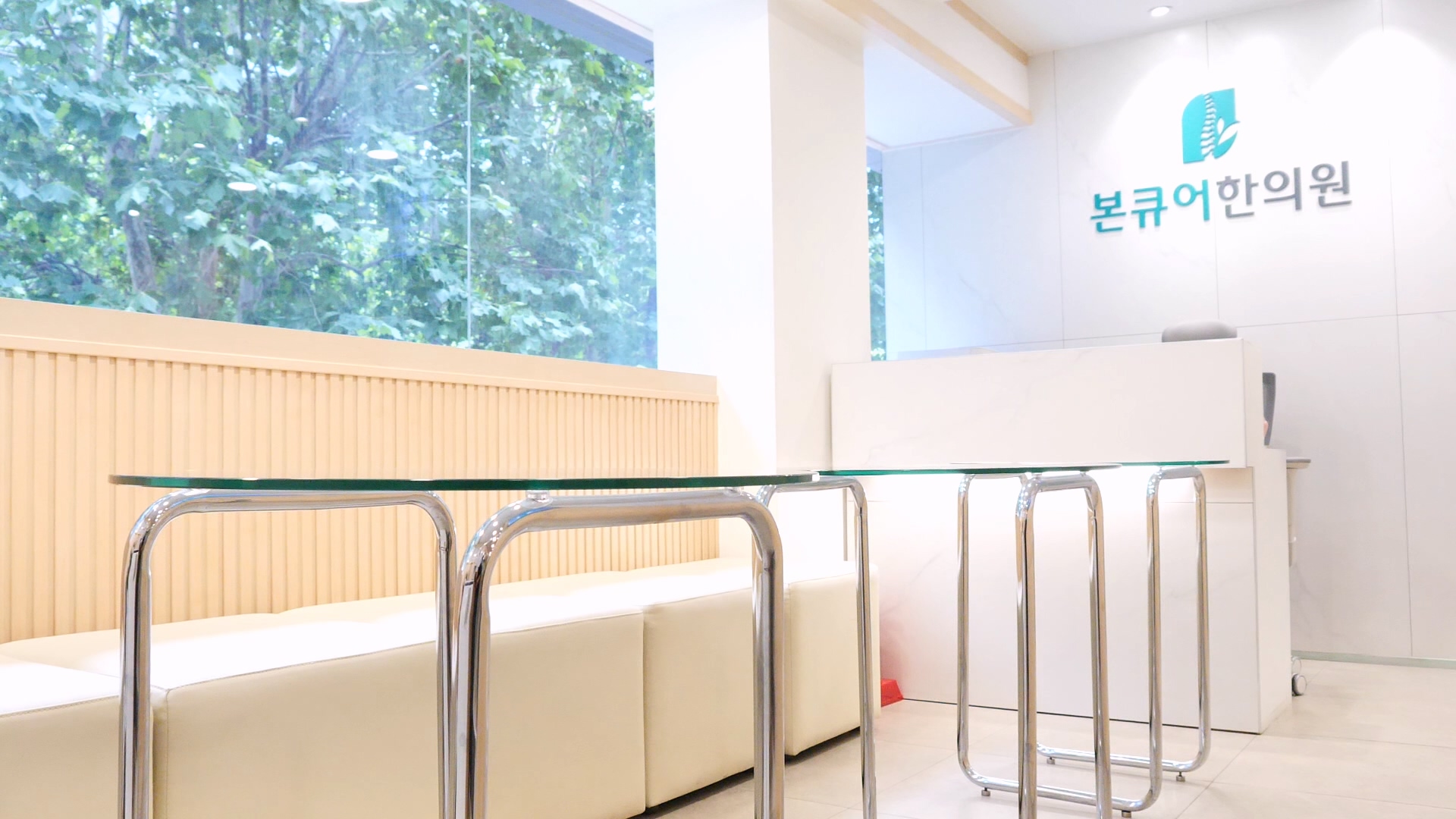
In my practice, I have seen many patients who suffer from chronic fatigue, dizziness, or persistent pain that seems to have no visible cause on traditional imaging. Often, the missing piece of the puzzle is the hidden state of the nerves. By utilizing an autonomic nervous system test, we can objectively measure the balance between your sympathetic and parasympathetic systems, providing a roadmap for both structural and functional healing.
What is an Autonomic Nervous System Test and Why It Matters
An autonomic nervous system test is a specialized diagnostic procedure used to evaluate the involuntary functions of the body by analyzing heart rate patterns and pulse waves. This measurement allows clinicians to see how well a patient is adapting to stress and whether their internal regulatory systems are functioning at optimal levels.
Defining Autonomic Nervous System Function and Balance
The autonomic nervous system is an involuntary network of nerves that controls essential bodily functions, ranging from heart rate and digestion to respiratory frequency and internal temperature regulation. It is primarily composed of two opposing branches: the sympathetic system, which manages the "fight or flight" response, and the parasympathetic system, which facilitates "rest and digest" activities. An autonomic nervous system test provides a quantitative snapshot of how these two branches interact to maintain homeostasis within the human body. When this delicate balance is disrupted, individuals often experience symptoms like chronic fatigue, insomnia, or persistent digestive issues that standard blood tests may fail to detect. At Bonecure, we use these objective measurements to look beyond surface-level symptoms and understand the underlying physiological stress. By identifying whether a patient is stuck in a state of hyper-arousal or deep exhaustion, we can tailor our structural treatments to effectively restore systemic harmony and overall vitality.
The Science Behind Heart Rate Variability in Stress Assessment
Heart Rate Variability, or HRV, is the scientific cornerstone of modern autonomic testing. Unlike a simple heart rate count, HRV measures the specific time intervals between consecutive heartbeats, which are naturally irregular in a healthy, adaptable system. High variability generally indicates a resilient nervous system capable of switching between stress and relaxation, while low variability often signals chronic stress or physical depletion. During a typical 3 to 5 minute assessment, specialized sensors capture these micro-variations to produce a digital report on your autonomic health. This data is invaluable because it removes the guesswork from stress management. In clinical practice, HRV scores can provide an objective explanation for why individuals may feel physically drained despite having normal blood pressure or basic lab results. Understanding these frequency-domain and time-domain metrics allows us to visualize the invisible strain on your heart and nerves, ensuring that our subsequent treatment plan addresses the body's actual physiological capacity for recovery.
Identifying Early Warning Signs of Autonomic Dysfunction
Autonomic dysfunction often manifests as a collection of vague symptoms that patients may dismiss as simple aging or overwork. Early warning signs include sudden dizziness upon standing, persistent coldness in the extremities, or a heart that races for no apparent reason during rest. Digestive disturbances, such as bloating or irregular bowel movements, can also indicate that the parasympathetic branch is not receiving enough stimulation. Clinically, it is often observed that autonomic imbalances can be closely linked to various chronic conditions, indicating that structural and neurological factors are deeply interconnected. These imbalances serve as a precursor to more severe conditions if left unaddressed. By performing an autonomic nervous system test early, we can intervene before these functional issues lead to permanent structural or systemic damage. Recognizing these subtle neurological red flags is the first step toward regaining control over your health. It allows for a proactive approach where we treat the nervous system as a whole, rather than just chasing individual symptoms as they arise throughout the body.
The Role of ANS Testing in Diagnosing Chronic Pain and Fatigue
ANS testing serves as a critical bridge in diagnosing chronic pain and fatigue, as it reveals the neurological state of a patient that physical imaging might overlook. It highlights how the body perceives and processes pain on a systemic level.
Connecting Structural Misalignment with Nerve Regulation
The physical structure of the spine and the function of the nervous system are deeply interconnected. When the vertebrae are misaligned or the surrounding fascia is constricted, it can create mechanical tension on the nerves that regulate autonomic functions. This physical pressure often keeps the sympathetic nervous system in a state of constant activation, leading to chronic muscle tension and a reduced threshold for pain. At Bonecure, we focus on how these structural anomalies translate into neurological signals. Dr. Song Jeong-hyeon: Precision Acupotomy and Impactful Structural Recovery at Bonecure has shown that realigning the skeletal framework can directly improve HRV metrics. By relieving the physical interference on the spinal cord and peripheral nerves, we allow the autonomic nervous system to return to a more balanced state. This integrated perspective is essential for patients whose chronic pain has not responded to localized treatments, as it addresses the structural root cause that is driving the neurological imbalance and systemic fatigue.
Comparing ANS Indicators with Conventional Diagnostic Tools
Conventional diagnostic tools like X-rays or MRIs are excellent for visualizing bone fractures or disc herniations, but they are static and cannot show how the body is actually functioning in real time. An autonomic nervous system test complements these images by providing a functional assessment of the body's internal regulation. While an MRI might show a "normal" spine, the ANS test might reveal a patient in a state of extreme neurological exhaustion. This discrepancy is why many people continue to suffer from pain despite having "clean" imaging results. By using objective indicators like the Stress Resistance and Stress Index scores, we can gain a multidimensional view of the patient’s health. For instance, objective evaluation scales can help track how symptoms like discomfort or internal tension may decrease after treatment, reflecting both structural relief and neurological stabilization. Is Your Chronic Back Pain Caused by Micro-Adhesions in the Fascia? A Clinical Perspective further explains how these functional barriers can be identified through objective testing when traditional scans remain inconclusive.
How Traditional Medicine Clinical Notes Utilize Objective Nerve Data
Modern Korean medicine increasingly relies on objective data to validate and refine traditional treatment protocols. In my clinical notes, the results of an autonomic nervous system test are just as critical as pulse diagnosis or tongue examination. This data allows us to track a patient’s progress with precision. For example, when treating a patient for hearing normalization, we might observe their progress over 20 sessions not just through their self-reporting, but through the measurable stabilization of their autonomic rhythm. Having this objective baseline ensures that the treatment is actually moving the body toward health rather than just temporarily masking symptoms. At Bonecure, we integrate these digital reports with structural findings to create a comprehensive clinical narrative. This evidence-based approach helps us determine whether to focus more on vigorous structural release or gentle restorative acupuncture. By documenting these changes over time, we provide patients with a clear, data-driven understanding of their recovery journey, fostering a deeper sense of trust and confidence in the therapeutic process and the long term results.
Bonecure Approach: Restoring Balance through Acupotomy and Correction
The Bonecure approach to nervous system health focuses on the symbiotic relationship between physical spinal structures and neurological regulation. We believe that a happy bone leads to a happy life through restored nerve flow.
The Impact of Acupotomy on Parasympathetic Reactivation
Acupotomy is a specialized procedure that uses a small, blade-like needle to release chronic adhesions and scar tissue in the soft tissues surrounding the spine. These adhesions often act as physical "clamps" on the nerves, keeping the body in a state of sympathetic dominance. By precisely releasing these points of tension, Bonecure helps to re-engage the parasympathetic nervous system, which is vital for healing and recovery. This reactivation is often felt immediately as a sense of "opening" or lightness in the body. While the procedure involves minor risks such as localized pain, temporary bruising, or slight bleeding at the site, the functional benefits are significant for those with long-standing restrictions. Releasing these micro-adhesions allows the autonomic nervous system to shift from a defensive posture to a restorative one. This shift is crucial for patients dealing with complex conditions like autonomic dysregulation, as it removes the physical barrier that prevents the body’s natural self-healing mechanisms from functioning effectively. Bonecure Acupotomy (Dochim) Therapy: A 2026 Guide to Structural Recovery provides further details on this specific technique.
Integrating Acupuncture for Back Pain with Structural Alignment
Effective treatment for chronic pain requires more than just local symptom relief; it requires the restoration of the entire body’s structural alignment. At Bonecure, we integrate specialized acupuncture techniques with structural correction to ensure that the spine is both flexible and properly positioned. When the spine is correctly aligned, the autonomic nerves exiting the vertebral column are no longer compressed or irritated. This integration is particularly important for back pain, where the pain itself often creates a feedback loop of stress and muscle guarding. By breaking this loop through precision structural work, we help the autonomic nervous system reset its baseline. Patients often report that their sleep improves and their anxiety decreases along with their physical pain levels. This holistic improvement is a direct result of the decreased sympathetic load on the body. We monitor these changes carefully, ensuring that the structural corrections lead to measurable improvements in the patient’s internal regulatory balance, ultimately leading to a more resilient and energized physical state that can withstand the stresses of daily life.
Case Observations on Nerve Recovery and Adhesion Release
In clinical practice, releasing structural adhesions through integrated treatment can support neurological recovery. By focusing on structural correction and acupotomy, it is possible to address underlying physical stressors. Such approaches may lead to a reduction in chronic symptoms and a stabilization of autonomic nervous system test results, facilitating a shift toward parasympathetic health. However, individual results may vary, and chronic conditions often require multiple sessions for stable improvement. While individual results vary and chronic conditions often require multiple sessions, these observations highlight the potential for recovery when structural and neurological systems are addressed simultaneously. Even in cases requiring rapid functional recovery for travel or work, we aim for efficient relief through targeted structural release. These observations suggest that when we remove the physical obstacles to nerve function, the body possesses an inherent ability to restore its own balance. Each case provides further evidence that structural integrity is a fundamental requirement for a healthy and functioning autonomic nervous system.
| Feature | Subjective Reporting | ANS Testing (Objective) |
|---|---|---|
| Data Source | Patient memory and feelings | Heart Rate Variability (HRV) |
| Reliability | Can be affected by bias | Digitally measured pulse waves |
| Scope | Broad symptoms (fatigue, pain) | Specific sympathetic/parasympathetic balance |
| Duration | Depends on the interview | Approximately 3 to 5 minutes |
| Insight | Perception of recovery | Physiological readiness and vitality |
Comparison of Diagnostic Approaches for Autonomic Health
Comparing diagnostic approaches for autonomic health involves looking at the evolution from subjective patient journals to high-precision digital monitoring systems. This comparison helps patients understand the value of objective data in their treatment plan.
Evaluating Objective Testing Versus Subjective Symptom Reporting
Subjective reporting is the traditional way patients describe their pain or fatigue, but it is often limited by the individual’s perception and memory. A patient might say they feel "a bit better," but that doesn't provide a precise measurement of their internal recovery. Objective testing via an autonomic nervous system test provides a concrete data point that is free from psychological bias. This is particularly important at Bonecure when dealing with chronic conditions where progress can be slow or non-linear. By seeing the actual numbers, both the clinician and the patient can verify that the treatment is working on a physiological level. For instance, an improvement in the Stress Index score provides tangible proof that the body’s internal environment is becoming less reactive, even if the patient still feels some localized discomfort. This objective feedback is essential for maintaining motivation and ensuring that the clinical strategy is on the right track. It allows for a more scientific approach to healing, where every adjustment is based on the body’s actual responses rather than just verbal feedback or general observations.
Benefits of Real Time Monitoring in Integrative Korean Medicine
Integrative Korean medicine at Bonecure leverages real-time monitoring to bridge the gap between ancient wisdom and modern technology. By performing an autonomic nervous system test during the course of treatment, we can see how the body responds to specific interventions like acupotomy or Chuna therapy. This real-time data allows for immediate adjustments to the treatment plan. If a patient’s stress resistance remains low, we may decide to focus on restorative techniques before proceeding with more intense structural corrections. This level of personalization ensures that the treatment always matches the body’s current capacity for change. Furthermore, real-time monitoring helps us identify the "tipping point" where a patient’s nervous system finally shifts from chronic stress to a state of recovery. This insight is invaluable for preventing over-treatment and ensuring that every session is as effective as possible. The use of digital tools like the 5-minute HRV scan transforms the traditional clinic visit into a data-rich experience, providing a higher level of precision and care for patients who have struggled with complex, long-standing health issues.
Long Term Outcomes of Nerve Focused Structural Therapy
The long-term goal of nerve-focused structural therapy at Bonecure is to create a body that is not only free from pain but also resilient to future stress. When we restore structural alignment and balance the autonomic nervous system, we are essentially "re-tuning" the body’s entire operating system. Over time, patients who undergo this comprehensive treatment often report sustained improvements in their energy levels, digestive health, and emotional stability. These long-term outcomes are supported by stable ANS test results that reflect a healthy autonomic rhythm. Unlike temporary fixes that only address the surface symptoms, this deep-seated approach targets the fundamental relationship between the spine and the nerves. While chronic cases may require multiple sessions for stable recovery, the goal is to achieve a state where the body can maintain its own balance without constant intervention. By focusing on both the structure and the signal, we help our patients build a foundation for lasting health. This long-term perspective is what distinguishes our work, as we strive to ensure that when our patients’ bones smile, their entire life smiles with them through restored vitality and balance.
Key Takeaways
- Objective Measurement: An autonomic nervous system test provides a clear, data-driven view of your stress levels and internal balance using HRV.
- Structural Connection: Misalignments in the spine and fascial adhesions can physically disrupt nerve signals, leading to systemic fatigue and pain.
- Acupotomy Benefits: Precision release of adhesions through acupotomy can help reactivate the parasympathetic nervous system, though minor bruising or pain may occur.
- Comprehensive Care: Combining structural correction with neurological monitoring at Bonecure ensures a personalized and effective treatment path.
- Long-Term Resilience: The goal is to move beyond temporary relief to achieve lasting autonomic balance and physical vitality.
Frequently Asked Questions
Q. What exactly does an autonomic nervous system test measure?
The test primarily evaluates Heart Rate Variability (HRV) to determine the balance between your sympathetic (fight or flight) and parasympathetic (rest and digest) systems. It provides an objective look at your stress levels and physical vitality by analyzing the timing between heartbeats. This data helps us understand how your body is coping with internal and external pressures.
Q. Is the ANS test at Bonecure a painful procedure?
No, the test is completely non-invasive and painless. It typically involves placing sensors on your wrists and ankles or using a finger probe to record your pulse waves for about 3 to 5 minutes. You simply sit quietly while the computer collects the data, making it a very comfortable experience for all patients.
Q. How does structural alignment affect my autonomic nervous system?
Misalignments in the spine can create physical pressure or tension on nerves that exit the vertebral column. By correcting these structures, we reduce this mechanical interference, allowing the autonomic nervous system to regulate bodily functions more efficiently. Proper alignment ensures that the signals between your brain and your body are clear and uninterrupted.
Q. Why is this test necessary for someone with chronic back pain?
Chronic pain is often linked to a heightened sympathetic state, where the body is stuck in a loop of stress. Measuring your ANS helps determine if your pain is purely structural or if your nervous system is trapped in a state of exhaustion. This information is vital for creating a treatment plan that addresses both the physical pain and the neurological stress.
Q. What are the risks associated with acupotomy treatments mentioned in the notes?
Acupotomy is a specialized procedure performed by Dr. Song Jeong-hyeon to release deep adhesions. While effective, potential risks include localized pain, minor bruising, or temporary bleeding at the site of the procedure. In very rare cases, infection can occur if aftercare instructions are not followed, but we take every precaution to ensure safety.
Q. Are the results of the autonomic nervous system test immediate?
Yes, the data is processed digitally in real time, allowing for an immediate consultation right after the 5-minute measurement is complete. You will be able to sit down with your doctor to discuss your stress resistance and autonomic balance scores immediately. This allows us to adjust your treatment plan during the very same visit.
Q. Will everyone see the same improvement after treatment?
Individual results may vary significantly based on the chronicity of the condition and the patient's overall health and lifestyle. While many notice immediate relief or improved scores, chronic or complex cases typically require multiple sessions for stable nerve recovery. We monitor your progress through follow-up tests to ensure you are moving in the right direction.
Bonecure / Dr. Song Jeong-hyeon
FAQ
- What exactly does an autonomic nervous system test measure?
- The test primarily evaluates Heart Rate Variability (HRV) to determine the balance between your sympathetic (fight or flight) and parasympathetic (rest and digest) systems. It provides an objective look at your stress levels and physical vitality by analyzing the timing between heartbeats. This data helps us understand how your body is coping with internal and external pressures.
- Is the ANS test at Bonecure a painful procedure?
- No, the test is completely non-invasive and painless. It typically involves placing sensors on your wrists and ankles or using a finger probe to record your pulse waves for about 3 to 5 minutes. You simply sit quietly while the computer collects the data, making it a very comfortable experience for all patients.
- How does structural alignment affect my autonomic nervous system?
- Misalignments in the spine can create physical pressure or tension on nerves that exit the vertebral column. By correcting these structures, we reduce this mechanical interference, allowing the autonomic nervous system to regulate bodily functions more efficiently. Proper alignment ensures that the signals between your brain and your body are clear and uninterrupted.
- Why is this test necessary for someone with chronic back pain?
- Chronic pain is often linked to a heightened sympathetic state, where the body is stuck in a loop of stress. Measuring your ANS helps determine if your pain is purely structural or if your nervous system is trapped in a state of exhaustion. This information is vital for creating a treatment plan that addresses both the physical pain and the neurological stress.
- What are the risks associated with acupotomy treatments mentioned in the notes?
- Acupotomy is a specialized procedure performed by Dr. Song Jeong-hyeon to release deep adhesions. While effective, potential risks include localized pain, minor bruising, or temporary bleeding at the site of the procedure. In very rare cases, infection can occur if aftercare instructions are not followed, but we take every precaution to ensure safety.
- Are the results of the autonomic nervous system test immediate?
- Yes, the data is processed digitally in real time, allowing for an immediate consultation right after the 5-minute measurement is complete. You will be able to sit down with your doctor to discuss your stress resistance and autonomic balance scores immediately. This allows us to adjust your treatment plan during the very same visit.
- Will everyone see the same improvement after treatment?
- Individual results may vary significantly based on the chronicity of the condition and the patient's overall health and lifestyle. While many notice immediate relief or improved scores, chronic or complex cases typically require multiple sessions for stable nerve recovery. We monitor your progress through follow-up tests to ensure you are moving in the right direction.