
Post
Dr. Song Jeong-hyeon: Precision Acupotomy and Impactful Structural Recovery at Bonecure
Hello, I am Dr. Song Jeong-hyeon, the director of Bonecure Korean Medicine Clinic. Throughout my career, I have focused on the advancement of Acupotomy and structural restoration, helping patients identify the root causes of pain through precision and evidence-based Korean medicine. Structural integrity is the foundation of a healthy life, and our goal is to ensure your recovery is fundamental and felt immediately through modern clinical applications. At Bonecure, we do not believe in unnecessary, prolonged treatment packages; we prioritize efficient, impactful care that allows patients to experience tangible changes from the very first session.
Introduction to Dr. Song Jeong-hyeon and the Bonecure Philosophy
Bonecure is a contemporary medical center in Seoul specializing in the integration of structural alignment and traditional Korean therapeutic modalities.
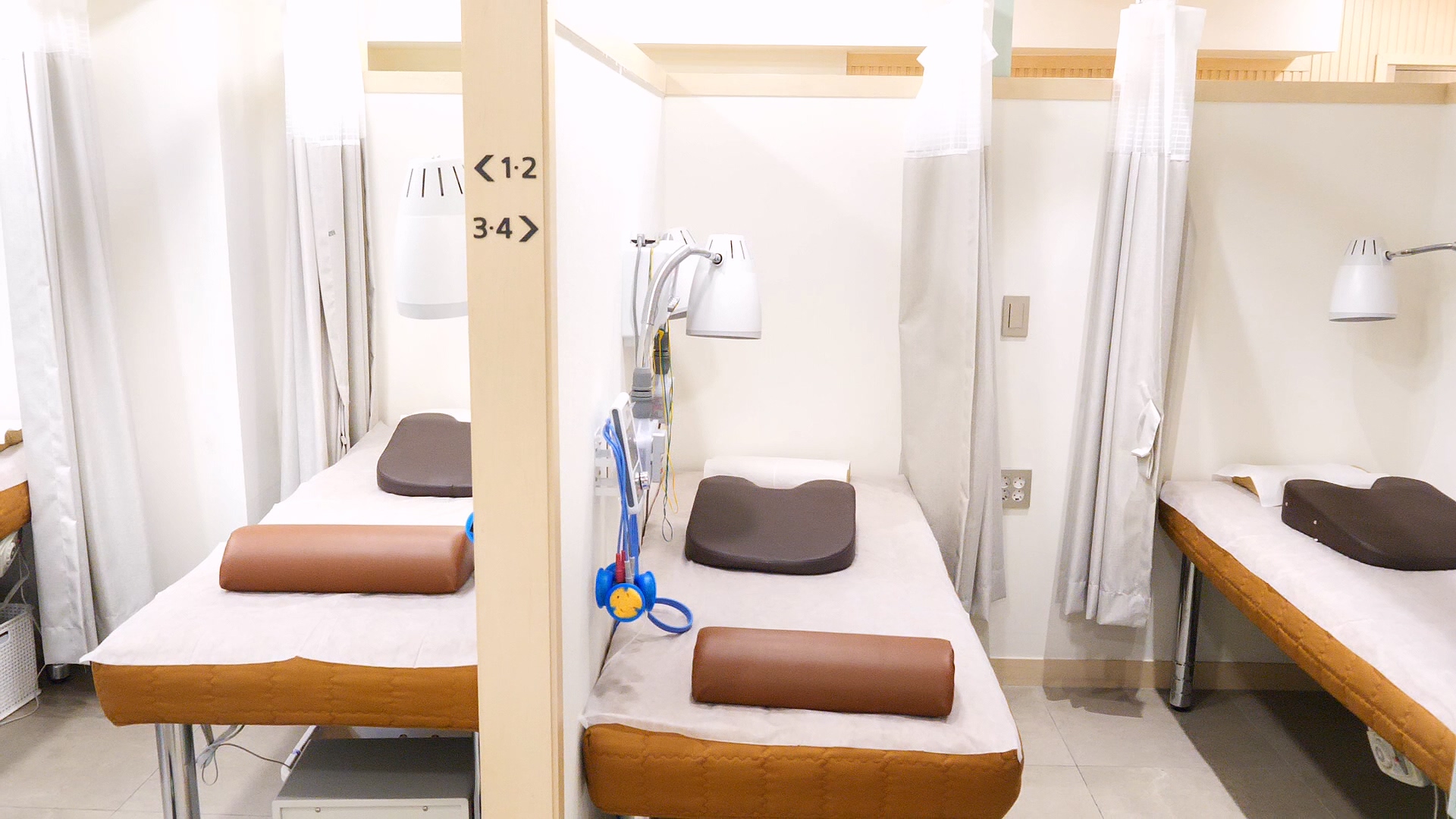
Our approach is built on the belief that when the physical framework of the body is balanced, the nervous system and metabolic functions can operate without interference. We focus on identifying the specific structural misalignments—whether in the skull or the spine—that trigger chronic dysfunction, ensuring that every intervention is tailored to the patient’s unique anatomical needs.
Defining Modern Korean Medicine in a Global Context
Modern Korean medicine represents a sophisticated evolution of traditional wisdom, integrating millennial-old practices with contemporary physiological insights. At Bonecure, we view the human body not as a collection of isolated parts but as a dynamic, interconnected structural system where alignment dictates health. My approach, as Dr. Song Jeong-hyeon, emphasizes that structural integrity is the foundation of physiological function, especially when addressing chronic pain. By utilizing advanced diagnostics such as whole-spine X-ray analysis in collaboration with specialized imaging centers, we move beyond mere symptom management toward addressing underlying structural causes. This global perspective on healing allows us to provide care that resonates with international standards of evidence-based medicine while maintaining the holistic essence of Oriental therapy. Our goal is to bridge the gap between ancient techniques and modern clinical requirements, ensuring that every patient receives a personalized recovery plan. Through this integration, we facilitate a comprehensive healing environment that prioritizes long-term structural stability and immediate symptomatic relief.
The Bonecure Vision: When Your Bones Smile, Life Smiles
The philosophy of Bonecure is captured in our motto: "When your bones smile, your entire life smiles." This reflects our commitment to restoring the comfort and mobility that allow individuals to enjoy their daily activities without the burden of chronic structural stress. We recognize that spinal health is inextricably linked to mental and emotional well-being, as a misaligned frame often leads to persistent nervous system strain. In my practice, I have observed that restoring a patient's posture often correlates with improved mood and vitality. By focusing on the 24 vertebrae and the surrounding soft tissues, we aim to release the physical restrictions that prevent a person from living their best life. This vision extends beyond the clinic, as we empower patients with the knowledge and tools needed to maintain their structural health. At Bonecure, we believe that fundamental recovery is a collaborative journey toward a more resilient and joyful existence. We strive to be the "one and only" clinic where patients find solutions that others could not provide.
Clarifying the Identity of Dr. Song Jeong-hyeon at Bonecure
Identifying the right practitioner is essential for effective treatment, and as Dr. Song Jeong-hyeon, I lead the clinical team at Bonecure with a focus on specialized Acupotomy and Chuna therapy. While many practitioners share similar names, my work is specifically centered on the restoration of spinal curvature and the release of chronic tissue adhesions through "knife-needle" techniques. At Bonecure, we prioritize transparency and clinical excellence, ensuring that each patient understands the scientific rationale behind their specific treatment protocol. My background includes research into conditions like scoliosis, autonomic dysfunction, and even intractable neurological symptoms. We maintain a patient-centered environment where data from objective assessments, such as Beck inventories and physical evaluations, guide every decision. By maintaining this clear professional identity, I ensure that Bonecure remains a trusted destination for those seeking advanced, evidence-based Korean medicine. Our commitment to clarity and immediate, felt results defines every interaction we have with those in our care.
Advanced Acupotomy for Chronic Pain and Structural Alignment
Acupotomy is a specialized therapeutic technique that utilizes a micro-blade needle to physically release adhesions and fibrotic tissues formed due to chronic inflammation or injury. This procedure targets the physical barriers to healing, allowing for the restoration of normal blood flow and the decompression of nervous structures. At Bonecure, we emphasize that this is a highly efficient intervention designed to produce noticeable changes quickly, rather than requiring dozens of repetitive visits.

Acupotomy: Breaking Adhesions for Fundamental Tissue Regeneration
Acupotomy acts as a bridge between traditional acupuncture and modern surgical principles. This tool allows me, Dr. Song Jeong-hyeon, to perform precise releases of tight ligaments and scar tissue that standard needles cannot reach. When soft tissues become chronically adhered, they restrict movement and compress nearby nerves, leading to persistent pain and dysfunction. By physically breaking these adhesions (adhesiolysis), we stimulate the body's natural regenerative processes. This method is particularly effective for patients who have not found relief through conventional conservative treatments. At Bonecure, we use this technique to address the root physical causes of pain. While the procedure involves a distinct sensation, the goal is to provide immediate structural decompression. It is important to note that minor side effects like localized soreness or bruising may occur after a session, and as with any invasive procedure, there is a minimal risk of infection, though we maintain strict sterilization protocols to ensure safety.
Specialized Acupuncture for Back Pain and Spinal Disorders
Addressing back pain requires a deep understanding of spinal mechanics and the interactions between the vertebrae, discs, and musculature. In my clinical experience, back pain is rarely an isolated issue but rather a symptom of broader structural misalignment. We employ specialized techniques designed to relax deep spinal muscles and reduce pressure on the intervertebral discs. This approach is highly integrated with Chuna manual therapy to ensure that the surrounding soft tissues are prepared for structural adjustments. By targeting specific trigger points and nerve pathways, we can alleviate acute discomfort while working toward long-term stabilization. Unlike many clinics that suggest long, 20-session packages, I focus on delivering impact in every visit. I aim for patients to feel the improvement in their symptoms and mobility immediately after the treatment. This efficient strategy ensures that the relief achieved is part of a fundamental structural recovery without unnecessary medical expenses or time commitments.
The Science of Knife-Needle Therapy in Modern Practice
The science behind knife-needle therapy, or Acupotomy, is rooted in the physiological principles of tissue remodeling and mechanotransduction. When the microscopic blade enters the affected area, it creates a controlled micro-trauma that signals the immune system to begin a repair sequence. This process is essential for treating chronic conditions where the tissue has become stagnant or poorly vascularized. At Bonecure, we apply this science to treat a variety of disorders, ranging from cervical stiffness to complex joint issues. My role is to ensure that these procedures are performed with the highest level of anatomical precision to maximize safety and efficacy. By combining this mechanical intervention with traditional meridian theory, we address both the structural and energetic aspects of health. The objective is to restore the normal gliding motion between tissue layers. This evidence-based application allows us to provide a unique and effective solution for patients seeking more than just superficial symptom management.
| Feature | Acupotomy | Chuna Manual Therapy | Standard Acupuncture |
|---|---|---|---|
| Primary Tool | Micro-blade needle | Practitioner's hands | Fine filament needles |
| Action | Physical adhesion release | Joint & bone alignment | Meridian stimulation |
| Target Area | Fibrotic/Scar tissue | Skeletal system | Nervous system/Flow |
| Best For | Chronic/Stubborn pain | Postural correction | Acute pain/Stress |
| Sensation | Deep, localized pressure | Movement & stretching | Mild tingling/Stinging |
Evidence-Based Approaches to Intractable Conditions
Evidence-based care at Bonecure involves the systematic use of objective diagnostic tools to track patient progress. We move away from purely subjective reporting by utilizing quantifiable data points, such as X-ray imaging and standardized psychological inventories, to confirm the effectiveness of our structural interventions for conditions like scoliosis, tinnitus, and dysautonomia.
Objective Diagnostics: Whole Spine X-ray and Structural Analysis
To provide the highest level of care, Bonecure utilizes whole-spine X-ray analysis to visualize the exact alignment of a patient's skeletal frame. This diagnostic tool is crucial because it allows us to see the structural deviations that are often invisible during a standard physical exam. I use these images to map out a precise treatment plan that addresses specific curvatures or imbalances. By measuring the degrees of spinal tilt or pelvic rotation, we can set objective goals for recovery and track changes over time. For example, in cases of scoliosis or kyphosis, seeing the 24 vertebrae in their true alignment helps us target our Acupotomy and Chuna sessions more effectively. This data-driven approach ensures that our treatments are grounded in the physical reality of the patient's anatomy. It also provides patients with a clear visual understanding of their condition. By prioritizing these objective diagnostics, we maintain a standard of precision essential for treating complex structural disorders.
Clinical Notes on Tinnitus, Dysautonomia, and Meniere's Disease
Our clinical research at Bonecure has yielded significant insights into the relationship between spinal health and intractable conditions like tinnitus and dysautonomia. Clinical observations suggest that addressing cervical alignment—specifically the upper cervical vertebrae (C1 and C2)—may help manage sensory symptoms. By focusing on the structural integrity of the upper spine, we aim to reduce mechanical strain that may influence the nervous system. We have observed cases where correcting the alignment of the upper cervical vertebrae reduced mechanical pressure on the nerves and blood vessels, potentially easing symptoms of Meniere's or autonomic imbalances. These results, while individual to each case, highlight the importance of looking at the spine when traditional treatments for ear or nervous system issues have failed. Our clinical notes document these connections, providing a foundation for our specialized treatment protocols. It is important to emphasize that results vary by individual, and we do not guarantee a 100% cure, but rather a functional improvement through structural correction.
Standardizing Results through Validated Psychological and Physical Scales
At Bonecure, we believe that medical success must be measurable, which is why we utilize validated scales like the Beck Depression Inventory (BDI) and the Beck Anxiety Inventory (BAI). These tools allow us to quantify the psychological impact of chronic pain. In many of my patients, I have noted that as spinal alignment improves, scores on these inventories often show a significant downward trend, reflecting a reduction in systemic stress. We also use various visual analog scales (VAS) for pain and functional disability indexes to get a comprehensive view of a patient’s status. These numbers provide a clear, scientific record of improvement that goes beyond simple anecdotal evidence. By standardizing our results in this way, we ensure that our clinical practices remain transparent and focused on achieving high-quality outcomes. This commitment to data helps us refine our techniques and provide the best possible care for our community, focusing on the "total health" of the patient.
Acupotomy and Structural Restoration: A Guide to Precision Care at Bonecure
A Comprehensive Comparison of Traditional and Modern Modalities
Comparing different medical modalities allows patients to understand the unique benefits of each approach. At Bonecure, we offer a range of treatments chosen for their ability to address specific aspects of structural and metabolic health while ensuring a balanced recovery without unnecessary repetition.
Comparing Acupotomy, Chuna Manual Therapy, and Standard Acupuncture
Understanding the differences between our core treatments is essential. While standard acupuncture is excellent for modulating the nervous system and reducing acute inflammation, it may not be sufficient for chronic cases where physical tissue changes (fibrosis) have occurred. This is where Acupotomy becomes invaluable, as it provides the mechanical force necessary to break through tough adhesions. Chuna manual therapy, meanwhile, focuses on the macro-alignment of the joints and bones. I often combine these three to create a multi-layered healing effect: Acupotomy to release a tight ligament, Chuna to realign the joint, and acupuncture to calm the surrounding nerves. This integrated approach ensures we are treating the patient from multiple angles, addressing both the soft tissue and the skeletal framework. By combining these tools, we provide a more robust solution for complex structural issues than any single modality could offer alone, always with an emphasis on clinical efficiency.
Moxibustion and Cupping: Synergistic Therapies for Recovery
In addition to our structural focus, Bonecure utilizes traditional supportive therapies like moxibustion and cupping. Moxibustion involves the application of heat to specific points, which helps to improve local circulation and relax deeply tensed muscles. This thermal therapy is particularly beneficial for patients with chronic coldness or stagnant blood flow. Cupping therapy is used to create suction on the skin, facilitating the delivery of fresh, oxygenated blood to the tissues, which can speed up recovery after a structural adjustment. My practice involves selecting these therapies based on the patient’s individual constitution and current stage of recovery. While generally safe, we advise patients that cupping may leave temporary circular marks (ecchymosis), and moxibustion requires careful monitoring to prevent minor burns. Together, these modalities support our structural work, ensuring the body has the metabolic resources it needs to heal fundamentally.
Personalized Treatment Protocols for Women’s Health and Vitality
Women’s health requires a nuanced approach considering the unique structural challenges faced at different life stages. At Bonecure, we design personalized protocols addressing issues like pelvic misalignment, which can contribute to menstrual discomfort and lower back pain. By focusing on the structural balance of the pelvis and lumbar spine, we can help restore the natural flow of blood to the reproductive and digestive organs. I work closely with each patient to ensure their treatment plan accounts for their specific health history. For instance, post-pregnancy recovery often requires restoring the integrity of the core and pelvic floor through gentle Chuna and targeted acupuncture. We also address the structural components of metabolic health, recognizing that a balanced frame supports better endocrine function. Our goal is to provide women with a path to vitality grounded in the physical stability of their bodies, ensuring they feel empowered and healthy in their daily lives.
Bonecure Korean Medicine Clinic Gangnam: A 2026 Guide to Structural Recovery
Patient Experiences and Clinical Case Reviews at Bonecure
Patient experiences at Bonecure are centered on the journey from chronic limitation to restored movement and vitality. By reviewing clinical cases, we can see the tangible impact of structural restoration on real lives, providing a clear roadmap for those struggling with similar challenges.
Restoring Mobility: A Look at Scoliosis and Posture Correction
Correcting the curvature of the spine is a cornerstone of my work at Bonecure. We frequently see patients who have struggled with scoliosis or a hunched posture (kyphosis) for years, often accompanied by chronic fatigue. Through a focused protocol of Acupotomy and Chuna therapy, we work to facilitate improvements in spinal alignment, monitored through follow-up X-ray assessments. Unlike conventional approaches that may require months of therapy before a change is felt, we aim for the patient to perceive a difference in their range of motion and pain levels immediately. This change is not just cosmetic; it is about retraining the muscles to support a healthier alignment. Each patient’s journey is unique, and we tailor our approach to match the specific flexibility of their spine. By prioritizing efficient, high-impact sessions, we help our patients regain the freedom to move and live without the constant weight of physical restriction.
The Journey from Chronic Fatigue to Structural Balance
Chronic fatigue can often be traced back to structural imbalances that drain the body's energy. At Bonecure, we have seen numerous patients whose persistent tiredness improved once their spinal alignment was restored. When the spine is misaligned, the muscles must work constantly to keep the body upright, leading to physical exhaustion. Furthermore, structural issues can interfere with the autonomic nervous system, keeping the body in a state of high stress (sympathetic dominance). By utilizing my techniques, we help patients shift out of this state by releasing the physical tension taxing their system. In several clinical observations, we have noted that patients report sleeping better and feeling more alert shortly after beginning structural work. This journey toward balance is a vital part of our holistic approach, addressing the physical foundations of energy and health. We aim to help every patient move from depletion to vibrant health through the power of structural correction.
Navigating Your Visit to our Korean Traditional Medicine Clinic in Seoul
Visiting Bonecure for the first time is a comprehensive experience designed to provide clarity for your health. Your journey begins with a detailed consultation with me, Dr. Song Jeong-hyeon, where we discuss your health history and long-term goals. We then proceed with objective diagnostic tests, such as X-rays and physical assessments, to build your unique structural map. Based on this data, we propose a personalized treatment plan that may include Acupotomy and Chuna. Our clinic is located in a modern facility in Seoul, designed to provide a professional environment for your recovery. We take the time to explain every procedure, ensuring you feel comfortable and informed. Whether you are visiting for a specific injury or chronic wellness, we are committed to providing a high standard of service that respects your time and your health. We look forward to welcoming you and helping you start your journey toward a smiling, healthy frame.
Frequently Asked Questions
Q. Who is Dr. Song Jeong-hyeon and what is his specialty at Bonecure?
I am Dr. Song Jeong-hyeon, the director of Bonecure. My primary specialty is Acupotomy and structural correction. I focus on the fundamental recovery of the spine and nervous system through advanced techniques designed to identify and treat the root cause of pain. My goal is to provide efficient, high-impact care that patients can feel from their very first visit.
Q. How does Acupotomy differ from traditional acupuncture for back pain?
Traditional acupuncture primarily stimulates energy points or meridians. Acupotomy, however, uses a needle with a microscopic blade to physically release structural adhesions in the soft tissues. By breaking these physical barriers (fibrosis), we can restore normal blood flow and alignment much more effectively and quickly than standard needles for chronic cases.
Q. Is Acupotomy safe, and what are the potential side effects?
Acupotomy is a safe and effective procedure when performed by an experienced practitioner. Potential side effects include temporary localized pain, minor bleeding, or bruising at the site. While extremely rare, there is a risk of infection with any invasive procedure, which is why we maintain strict sterilization and post-procedure care standards.
Q. What objective tools are used at Bonecure to track treatment progress?
We utilize Whole Spine X-ray analysis to observe physical changes in the skeletal structure. We also use standardized metrics such as the Beck Depression and Anxiety Inventories (BDI/BAI) and various pain scales. These tools provide objective data to ensure our treatments are producing the desired results and help us adjust care as needed.
Q. Can Korean medicine help with non-musculoskeletal issues like tinnitus or dysautonomia?
Yes, I have extensively treated cases where correcting cervical alignment reduced mechanical pressure on the nerves and blood vessels related to the inner ear and autonomic system. While individual responses vary and a 100% cure is never guaranteed, many patients report significant functional improvements in symptoms like tinnitus and autonomic imbalance after focused structural care.
Q. How many sessions are typically required for chronic condition relief?
At Bonecure, we do not follow the "you need 10 to 20 sessions" rule. Every treatment is designed to be impactful and efficient. While chronic conditions may require several visits to stabilize, I focus on ensuring that patients feel immediate improvement. We provide a personalized timeline based on your specific needs after the initial evaluation.
Q. Does Bonecure provide treatments like moxibustion and cupping in Seoul?
Yes, we offer a full suite of traditional treatments, including moxibustion and cupping, which are often integrated with our modern structural correction and Acupotomy protocols. This combined approach addresses both the physical structure and the metabolic health of our patients for a more comprehensive recovery.
Q. Are the results mentioned in your clinical notes guaranteed for every patient?
The clinical cases I share represent specific patient outcomes and do not guarantee identical results for everyone. Healing is a personal journey, and individual responses will vary based on health history, age, and lifestyle. At Bonecure, we focus on providing the best possible care tailored to each individual's unique needs.
Key Takeaways
- Impactful Structural Alignment: Bonecure focuses on the 24 vertebrae and pelvic balance, aiming for immediate, felt improvements.
- Advanced Acupotomy: A micro-blade technique that physically releases chronic adhesions to restore mobility and reduce nerve compression without unnecessary repetitive sessions.
- Evidence-Based Care: We use Whole Spine X-ray and standardized Beck inventories to ensure treatment is backed by objective, quantifiable data.
- Integrative Healing: Our protocols combine the precision of Acupotomy with Chuna and supportive therapies like moxibustion and cupping.
- Personalized Recovery: Led by Dr. Song Jeong-hyeon, we provide customized plans for complex cases like tinnitus, scoliosis, and chronic pain, prioritizing clinical efficiency.
Bonecure Korean Medicine Clinic / Director Song Jeong-hyeon
FAQ
- Who is Dr. Song Jeong-hyeon and what is his specialty at Bonecure?
- I am Dr. Song Jeong-hyeon, the director of Bonecure. My primary specialty is Acupotomy and structural correction, where I focus on the fundamental recovery of the spine and nervous system through advanced Korean medicine techniques. I have spent years refining my skills in releasing deep tissue adhesions to help patients find lasting relief from chronic pain.
- How does Acupotomy differ from traditional acupuncture for back pain?
- Unlike traditional acupuncture needles that primarily stimulate energy points or meridians, Acupotomy uses a needle with a microscopic blade. This allows me to physically release structural adhesions in the soft tissues that are often the root cause of chronic back pain. By breaking these physical barriers, we can restore normal blood flow and alignment more effectively than standard needles.
- Is Acupotomy safe, and what are the potential side effects?
- Acupotomy is a safe and highly effective procedure when performed by an experienced practitioner. However, like any physical intervention, it may cause temporary localized pain, minor bleeding, or bruising at the site of the procedure. In very rare cases, infection can occur, which is why at Bonecure we maintain the highest standards of sterilization and post-procedure care.
- What objective tools are used at Bonecure to track treatment progress?
- At Bonecure, we believe in measurable results, which is why we utilize Whole Spine X-ray analysis to observe physical changes in the skeletal structure. We also use standardized metrics such as the Beck Depression and Anxiety Inventories and various pain scales. These tools provide scientific proof of improvement and help us adjust our treatment plans for the best outcomes.
- Can Korean medicine help with non-musculoskeletal issues like tinnitus or dysautonomia?
- Yes, I have extensively researched and treated cases of chronic tinnitus and autonomic nervous system imbalances. By correcting cervical alignment and reducing compression on the nerves and blood vessels, we have observed significant functional improvements. For example, we have documented cases where tinnitus scores dropped dramatically after focused structural work at Bonecure.
- How many sessions are typically required for chronic condition relief?
- The number of sessions required varies significantly depending on the individual's condition and how long they have been suffering. While some patients notice immediate relief, chronic or severe structural issues often require 10 to 20 sessions to achieve stable and long-term results. We always provide a personalized timeline after your initial evaluation at Bonecure.
- Does Bonecure provide treatments like moxibustion and cupping in Seoul?
- Yes, we offer a full suite of traditional Korean medicine treatments, including moxibustion for thermal therapy and cupping for improving circulation. These are often integrated with our modern structural correction and Acupotomy protocols. This combined approach ensures that we address both the physical structure and the metabolic health of our patients.
- Are the results mentioned in your clinical notes guaranteed for every patient?
- The clinical cases I share represent specific patient outcomes and do not guarantee identical results for everyone. Healing is a highly personal journey, and individual responses to treatment will always vary based on health history, age, and lifestyle. At Bonecure, we focus on providing the best possible care tailored to each individual's unique needs.