
Post
Bonecure Korean Medicine Clinic Gangnam: A 2026 Guide to Structural Recovery
An expert approach to structural health in Gangnam refers to specialized care that identifies the root causes of pain through skeletal alignment and tissue health. I am Director Song Jeong-hyeon of Bonecure Korean Medicine Clinic, and I have dedicated my career to mastering acupotomy and structural restoration. My philosophy is simple: when your bones are aligned and happy, your life follows. This guide provides an overview of how our specialized care at Bonecure addresses complex musculoskeletal and neurological symptoms by focusing on structural integrity.
Understanding Structural Restoration at Bonecure Korean Medicine Clinic
Bonecure Korean Medicine Clinic in Gangnam is a facility dedicated to bridging the gap between functional symptoms and their structural origins.
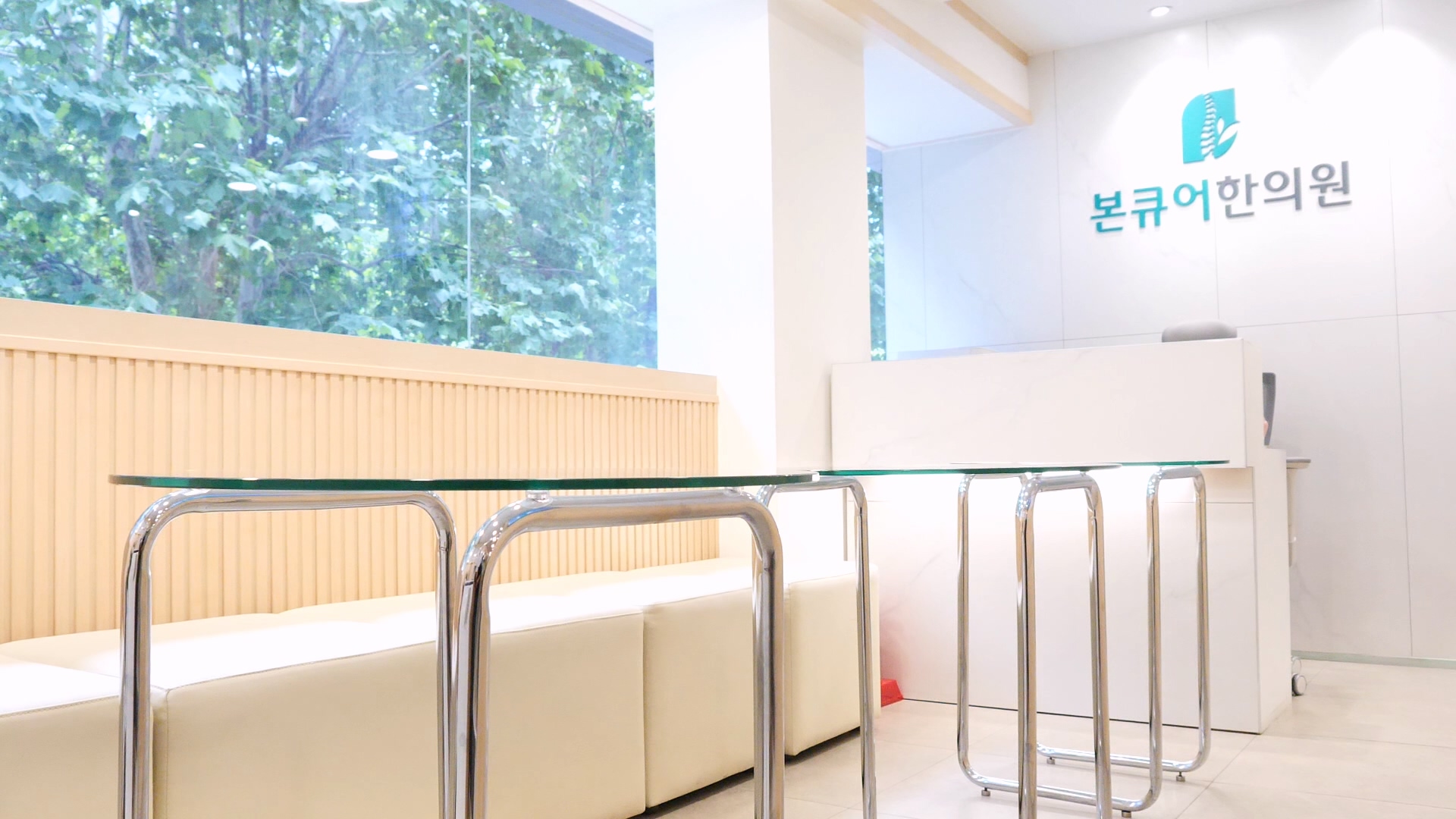
In this fast-paced district, effective healthcare should not be limited to temporary symptom suppression. Instead, we focus on root cause resolution through combined expertise in traditional and modern structural analysis. This approach ensures that patients benefit from the precision of modern imaging and the deep restorative power of specialized manual therapies, creating a focused environment for immediate and long-term recovery.
Defining Targeted Care in Seoul's Medical Hub
Structural medicine in Seoul's bustling Gangnam district represents a shift toward personalized, efficient care protocols for modern professionals. At Bonecure, we believe that true recovery requires more than just masking pain with medication. We focus on identifying the skeletal misalignments that cause chronic dysfunction. Unlike many clinics that offer generalized packages, we provide highly concentrated and impactful treatments tailored to specific structural needs. This method is particularly vital for those who have exhausted conventional options without seeing significant progress. By focusing on the body's framework, we can identify imbalances that might be overlooked in a single-modality setting. While individual responses to treatment can vary, our goal is to provide immediate structural changes that patients can actually feel during their visit. Our focus is always on the patient's unique skeletal and neurological needs to ensure a sustainable recovery process.
The Synergy Between Objective Diagnostics and Acupotomy
The synergy between modern diagnostics and Traditional Korean Medicine is foundational to the philosophy of Bonecure Korean Medicine Clinic. We utilize objective data from Whole Spine X-rays, often in collaboration with Harrison Hospital, to visualize the skeletal framework and identify specific misalignments. This scientific baseline allows us to apply treatments like Chuna therapy and acupotomy with greater precision and safety. For example, knowing the exact curvature of the spine enables a more targeted approach to manual correction. We integrate these findings to ensure that every needle insertion and manual adjustment is backed by clinical evidence. This combination reduces the trial-and-error period often associated with chronic pain management. It is important to note that while these diagnostic tools provide a clear roadmap, the actual healing process depends on the patient's regenerative capacity and the precision of the structural release.
Why Professionals Seek Structural Recovery at Bonecure
Modern professionals in Gangnam often face unique health challenges stemming from sedentary lifestyles and poor postural habits. Many seek Bonecure Korean Medicine Clinic because they require efficient, root-cause-oriented solutions that fit their demanding schedules. Chronic neck tension and lower back pain are common complaints that often signal deeper structural issues rather than just muscle fatigue. We provide a specialized environment where patients undergo movement and postural evaluations that link their symptoms to daily physical patterns. Our structural recovery programs are designed to realign the body and release the deep-seated adhesions that limit movement. Although the healing process for chronic conditions is individual, we prioritize treatments that offer immediate improvement in comfort and mobility. We focus on empowering patients with an understanding of their own structural health for long-term wellness.
Bonecure's Specialized Approach to Chronic Pain and Neurological Health
Bonecure's specialized approach is defined by its focus on structural restoration and the release of internal adhesions that interfere with the body's natural healing mechanisms. We view the body as an interconnected system where the alignment of the skull and spine is paramount. By combining advanced acupotomy with specialized Chuna therapy, we offer a pathway to recovery that addresses both the physical framework and the nervous system's function.
The Science of Acupotomy for Releasing Chronic Tissue Adhesions
Acupotomy is a specialized clinical procedure that uses a blade-like needle to physically release chronic tissue adhesions and restore normal function to affected areas. In my practice at Bonecure, I have found that many chronic pain conditions are caused by internal scars or 'adhesions' that bind muscles and nerves together. By carefully decompressing these areas, we can alleviate pressure and allow the body to initiate its own repair processes. This technique is particularly effective for conditions like spinal stenosis or chronic disc herniation where standard needles might not reach the necessary depth. I apply these principles to address structural tension in patients with chronic neurological symptoms, such as tinnitus or cervical-related dizziness. While individual results vary, addressing these adhesions is a key part of our strategy. The procedure involves a sensation of deep pressure and is designed for maximum clinical impact. Potential side effects may include temporary soreness or minor bruising at the site, which typically resolve within a few days.
Restoring Spinal Alignment with Chuna Manual Therapy
Chuna manual therapy is a core component of our structural restoration program. This technique involves the practitioner using their hands to apply controlled force to the patient's joints and soft tissues. The objective is to correct malpositions in the spine and pelvis, which are often the underlying cause of radiating pain and autonomic dysfunction. We rely on diagnostic data to guide these adjustments, ensuring that each movement is purposeful. Correcting the alignment of the skeletal system can help reduce the load on the nervous system, potentially improving overall vitality. For patients with conditions ranging from postural distortions to more complex cervical issues, this therapy provides a non-surgical alternative for management. It is essential to understand that structural stability is built over time, though we aim for the patient to feel a noticeable change in their comfort levels immediately following the session.
Clinical Notes and Data-Driven Wellness
At Bonecure, we maintain detailed clinical notes to track each patient's progress and adjust their treatment plan in real-time. This documentation allows us to see how the body responds to specific interventions like acupotomy. We focus on objective metrics, such as improvements in range of motion or reductions in pain scores on standardized scales. For instance, I utilize case reports to monitor progress in complex cases like severe ear fullness or spasmodic torticollis, allowing us to objectively track how symptoms respond to a specific treatment course. This data-driven approach helps us refine the care plan for each individual. While we celebrate these successes, we always remind patients that individual results are subject to their unique health history. Long-term wellness is a collaborative effort between the practitioner and the patient, fueled by clear communication and consistent monitoring.
Comparing Specialized Treatment Methods for Musculoskeletal Disorders
Comparing specialized treatment methods involves evaluating how different therapeutic modalities address various aspects of musculoskeletal health. Bonecure provides a variety of options, ranging from manual adjustments to specialized acupotomy. Understanding the differences between these methods helps patients make informed decisions about their care.
| Treatment Method | Primary Focus | Tools Used | Expected Sensation | Side Effects / Risks |
|---|---|---|---|---|
| Acupotomy | Releasing tissue adhesions | Blade-shaped needle | Deep pressure / Ache | Temporary soreness / Bruising |
| Chuna Therapy | Spinal & joint alignment | Manual force | Stretching / Pressure | Mild muscle fatigue |
| Pharmacopuncture | Inflammation & nutrition | Herbal extracts | Tingling / Cooling | Rare minor site reaction |
| Physical Therapy | Muscle movement | Modalities / Exercise | Muscle exertion | Initial temporary stiffness |
Acupotomy vs. Standard Acupuncture for Back Pain Relief
When addressing back pain, it is important to distinguish between the superficial effects of standard acupuncture and the deep structural impact of acupotomy. Standard acupuncture is excellent for managing acute inflammation and improving local blood circulation. However, for chronic conditions involving thickened ligaments or nerve entrapment, Bonecure often recommends acupotomy. The specialized blade-like tip allows for the physical separation of adhered tissues, providing a level of decompression that traditional needles cannot achieve. In cases of chronic lumbar pain, this deeper intervention can be the key to breaking a cycle of recurring stiffness. Patients should be aware that acupotomy requires a high degree of clinical expertise and may involve a period of mild post-treatment soreness as the tissue begins to heal. We tailor the choice of therapy based on the depth and chronicity of the patient's specific spinal issues.
The Importance of Correcting the Underlying Framework
Conventional physical therapy primarily focuses on strengthening musculature and improving range of motion. While this is beneficial, at Bonecure, we emphasize that a strong muscle cannot properly support a misaligned joint. Therefore, we prioritize correcting the underlying skeletal position through Chuna and acupotomy. This approach ensures that the body's framework is sound, preventing the recurrence of injuries caused by compensatory movements. For example, a patient with a tilted pelvis will find that strengthening their core is much more effective once the pelvic alignment is addressed. This perspective recognizes that the body is a bio-mechanical system requiring both structural integrity and functional strength. We work with patients to create a balanced routine that addresses the best path for a resilient and pain-free state.
Specialized Care for Complex Neurological and Autonomic Symptoms
Structural care for complex symptoms involves using clinical data and case reports to guide the treatment of conditions like tinnitus, dizziness, and autonomic imbalances. At Bonecure, we investigate how structural misalignments in the upper cervical spine can interfere with neurological function. By utilizing targeted therapies, we aim to provide relief for symptoms that are often considered difficult to treat in conventional settings.
Solutions for Tinnitus and Autonomic Balance
Solutions for tinnitus and autonomic nervous system balance focus on the relationship between the cervical spine and the cranial nerves. At Bonecure, we have observed that many patients suffering from ear-related symptoms also exhibit significant tension in the upper neck. By applying acupotomy to release the muscles surrounding the C1 and C2 vertebrae, we can potentially reduce the irritation on the nerves that govern hearing and balance. This approach is based on the theory that structural pressure can disrupt signal processing. In my clinical experience, patients struggling with hearing issues or persistent ringing have seen improvements after structural restoration. The goal of our targeted care is to support the recovery of function, though the final outcome depends on the individual's condition. We provide a realistic assessment of the potential for improvement for each unique case.
Addressing Dystonia and Chronic Tension Through Structural Correction
Conditions like spasmodic torticollis (dystonia) and chronic tension are often the result of an overwhelmed nervous system exacerbated by poor spinal health. We approach these symptoms by evaluating the patient's posture and spinal alignment as potential stressors. At Bonecure, we believe that a misaligned spine can lead to constant muscular tension, which affects the body's overall function. Through Chuna therapy and targeted acupotomy, we aim to reduce this structural stress. Many patients find that improving their physical alignment leads to a gradual reduction in the intensity of muscle contractions. It is important to note that these conditions can have many causes, and our approach includes a thorough screening. While structural correction may help many, it is often part of a broader wellness plan that includes monitoring and lifestyle adjustments.
Clinical Case Reports on Complex Symptom Management
Clinical case reports are essential for demonstrating the potential efficacy of structural care for conditions like Meniere's-like symptoms and chronic tinnitus. In my practice, I have documented instances where structural interventions led to a reduction in symptom severity. For example, we have observed that realigning the upper cervical spine can be a significant factor in managing vertigo. We focus on stabilizing the structural foundation to support neurological balance. These reports are based on individual patient experiences and serve as evidence of what is possible when the body's structure is optimized. We use standardized scales to measure improvements, ensuring that our clinical notes reflect objective changes. It is important to emphasize that these case reports do not guarantee the same outcome for every patient, as the severity and duration of symptoms play a major role. Our clinical work is dedicated to providing evidence-based solutions for those seeking a deeper path to recovery.
Key Takeaways
- Bonecure Korean Medicine Clinic combines objective diagnostics with specialized acupotomy for a root-cause approach to structural health.
- Acupotomy is a specialized tool used to release deep tissue adhesions and alleviate chronic pain that standard treatments may not reach.
- Structural restoration through Chuna therapy and spinal alignment is essential for both musculoskeletal relief and nervous system health.
- Treatment plans at Bonecure are based on objective data like Whole Spine X-rays and focused clinical expertise.
- While we aim for immediate improvement that patients can feel, the total course of treatment depends on individual chronic conditions.
Frequently Asked Questions
Q. What is the main specialty of Bonecure Korean Medicine Clinic?
Bonecure specializes in identifying and treating the root causes of pain and functional issues through structural restoration. We focus heavily on the alignment of the skull and spine, using specialized acupotomy to release deep tissue adhesions that interfere with the body's natural balance.
Q. Is the acupotomy treatment at Bonecure painful for most patients?
Most patients describe the sensation as a deep, intense pressure rather than sharp pain. Because it targets deep-seated adhesions, some temporary soreness or minor bruising may occur at the treatment site, but these usually resolve within a few days. We prioritize an efficient and impactful procedure to minimize discomfort.
Q. How many sessions of treatment are typically required?
Our philosophy is to provide treatment that results in immediate improvement that you can feel. While some patients find significant relief in just a few visits, chronic or complex conditions may require more consistent management to achieve lasting structural stability. Your specific plan is determined by your individual condition.
Q. Can structural restoration help with chronic tinnitus and ear fullness?
We have documented case reports where patients experienced a reduction in tinnitus and ear fullness through upper cervical alignment and acupotomy. By relieving structural pressure on the nerves associated with the auditory system, we aim to support the body's functional recovery. However, outcomes vary based on the individual's case.
Q. How does Bonecure utilize X-ray diagnostics?
We analyze Whole Spine X-rays, often referred through our partners like Harrison Hospital, to identify skeletal imbalances and curvature issues. This allows us to apply Chuna therapy and acupotomy more precisely based on objective data rather than just physical observation. Integrating this imaging ensures our structural treatments are targeted and effective.
As a practitioner who focuses on the deep structural roots of pain, I understand how frustrating chronic symptoms can be. At Bonecure, we are here to provide an impactful, science-backed path toward regaining your balance.
Bonecure Korean Medicine Clinic / Director Song Jeong-hyeon
FAQ
- What exactly is an integrative medical center in the context of Gangnam healthcare?
- An integrative medical center in Gangnam refers to a facility that combines conventional modern medicine with complementary approaches like Traditional Korean Medicine. At Bonecure, we integrate structural diagnostics with specialized acupotomy to treat the root causes of pain. This ensures a comprehensive approach that addresses both the symptoms and the underlying structural issues.
- Is the acupotomy treatment at Bonecure painful for most patients?
- While the procedure involves releasing adhesions with a specialized tool, most patients describe the sensation as a deep pressure rather than sharp pain. Some temporary soreness or minor bruising may occur at the site, though these usually resolve quickly. We prioritize patient comfort and use techniques to minimize any discomfort during the procedure.
- How many sessions of acupuncture for back pain are typically required?
- The duration of treatment varies significantly based on whether the condition is acute or chronic. While some notice changes after a few visits, chronic cases may require a structured plan of 10 to 20 sessions for stable results. Individual results will vary based on your specific condition and how your body responds to the therapy.
- Does Bonecure provide integrative care for women's health issues?
- Yes, Bonecure utilizes herbal medicine and acupuncture to address hormonal balance and blood circulation alongside structural concerns. Our approach focuses on restoring the body's natural rhythm and ensuring that the nervous system is not hindered by spinal misalignments. This holistic perspective is beneficial for managing various women's health symptoms.
- Can integrative medicine help with chronic tinnitus and ear fullness?
- We have published case reports regarding the improvement of tinnitus through spinal alignment and acupotomy at our clinic. While we cannot guarantee a cure for every individual, many patients have reported significant reductions in symptom severity. The treatment focuses on relieving pressure on the nerves associated with the auditory system.
- What are the potential side effects of undergoing cupping or moxibustion therapy?
- Common side effects include temporary skin discoloration from cupping or mild heat sensations from moxibustion. We follow strict safety protocols at Bonecure to minimize risks such as skin irritation or minor burns. These treatments are generally safe when performed by experienced practitioners who monitor the patient's skin response.
- How does Bonecure utilize X-ray diagnostics in a traditional medicine setting?
- We analyze Whole Spine X-rays to identify structural imbalances and spinal curvature issues that may not be apparent through physical exam alone. This allows us to apply Chuna therapy and acupotomy more precisely based on objective skeletal data. Integrating this imaging ensures that our traditional treatments are targeted and effective.