
Post
Acupotomy and Structural Restoration: A Guide to Precision Care at Bonecure
Hello. I am Dr. Song Jeong-hyeon, the lead practitioner at Bonecure Korean Medicine Clinic.
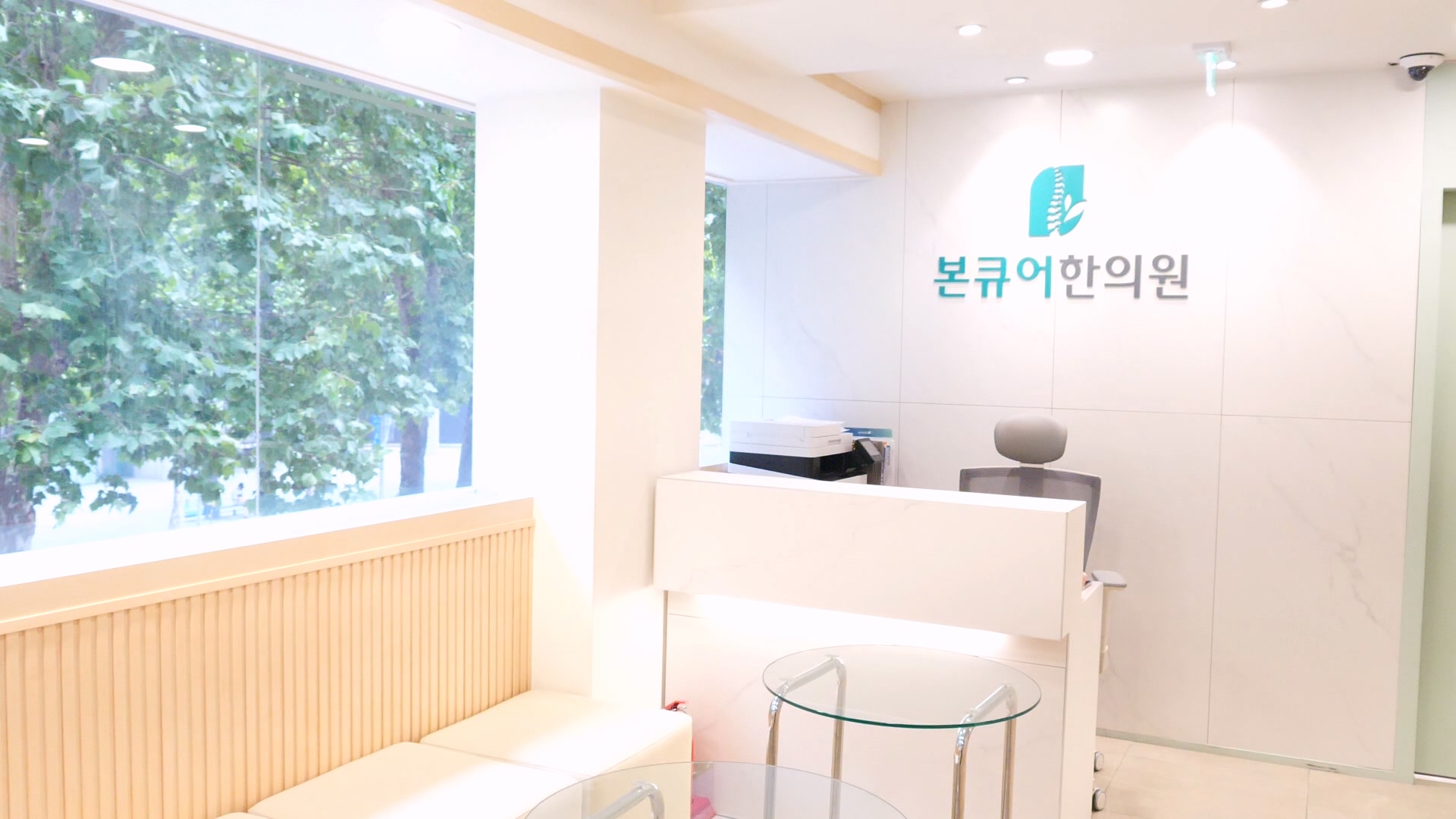
My clinical focus is dedicated to helping patients regain a balanced daily life by identifying the root causes of pain through advanced acupotomy and structural restoration. At Bonecure, we do not simply manage symptoms; we utilize a highly efficient and impactful approach to restore the body’s innate structural integrity. By combining traditional wisdom with modern diagnostic precision, we aim for immediate and visible changes in our patients' physical function.
The Philosophy of Structural Balance and Autonomic Health
Traditional Korean medicine at Bonecure is centered on the understanding that the body's external structure and internal health are inseparable. We believe that when the bones and spine are properly aligned, the entire system can function at its peak. Our approach focuses on identifying the specific structural misalignments—particularly in the skull and spine—that disrupt the body's overall equilibrium and lead to chronic dysfunction.
The Relationship Between Structure and Systemic Function
In my practice, I view the human body as an integrated architectural unit where every component must be correctly positioned to maintain health. Structural issues, such as a misaligned cervical spine or pelvic tilt, are not just localized problems; they often act as the primary drivers of chronic illness. At Bonecure, we analyze these physical patterns to determine how they affect the flow of communication within the body. Instead of prolonged consultations that focus solely on subjective narratives, we utilize a precise movement and structural evaluation to pinpoint the exact site of dysfunction. This allows us to design a treatment plan that is both compressed and highly efficient. By restoring the physical framework, we provide the body with the necessary foundation to heal itself naturally. My goal is to move beyond temporary relief and achieve a state where the structural balance supports long-term vitality and resilience.

Balancing the Autonomic Nervous System Through Alignment
The balance between the sympathetic and parasympathetic nervous systems is often reflected in the health of the spine. At Bonecure, we interpret many chronic symptoms—such as fatigue, insomnia, and digestive issues—as manifestations of autonomic imbalance caused by structural tension. When the spine is misaligned, it can place undue pressure on the nerves, keeping the body in a state of constant stress. Based on my clinical experience and case reports, correcting these structural deviations can lead to immediate improvements in autonomic function. We focus on the upper cervical spine and the thoracic region to release the physical constraints that impede nerve signaling. This dualistic approach ensures that we are addressing both the physical hardware and the neurological software of the body. By restoring this internal harmony, we help our patients regain their natural rhythm, allowing them to better manage the stressors of daily life.
Identifying Functional Patterns Through Precise Structural Analysis
Every patient presents a unique structural narrative that requires a personalized diagnostic approach. At Bonecure, we perform a deep dive into the specific patterns of skeletal and muscular tension to identify why a particular dysfunction has developed. We do not rely on generalized categories; instead, we look at the individual’s physical alignment, movements, and visceral functions. For instance, a patient suffering from chronic headaches may have a specific adhesion in the suboccipital region that requires targeted intervention. In one of my documented cases, a patient who had suffered for years found relief only after we addressed the structural vulnerabilities in their upper cervical spine. This personalized perspective ensures that our treatments—such as acupotomy and Chuna—are optimized for the patient’s specific anatomy. By understanding the unique strengths and weaknesses of a patient's physical structure, we can provide a more effective and durable path to complete functional recovery.
Advanced Modalities for Impactful Structural Recovery
At Bonecure, we utilize core modalities that are designed for maximum impact and efficiency. Our treatments, including acupotomy, Chuna therapy, and pharmacopuncture, are selected based on their ability to create immediate changes in the body’s structure. We focus on providing the necessary interventions that resolve long-standing issues through precise, high-intensity clinical applications.
Acupotomy: Releasing Adhesions for Immediate Mobility
Acupotomy is the cornerstone of our practice, utilizing a specialized blade-like needle to physically release adhesions in the soft tissue. These adhesions, often the result of chronic inflammation or injury, trap nerves and restrict movement, creating a cycle of persistent pain. In my experience, acupotomy is exceptionally effective for patients who have not found success with conventional acupuncture. By physically breaking down these hardened tissues, we can restore normal blood flow and nerve signaling almost immediately. Many patients report a significant change in their mobility after just one session, which is a key goal of our clinical philosophy. However, patients should be aware that this is an intensive procedure that may cause temporary soreness, minor bruising, or, in very rare cases, localized infection. This precise intervention is designed to achieve results that are both rapid and sustainable, moving beyond symptom masking toward true structural restoration.

Chuna Manual Therapy and Pharmacopuncture for Stability
Chuna manual therapy and pharmacopuncture work in tandem to stabilize the gains made during acupotomy. Chuna involves the physical manipulation of the bones and joints to correct misalignments, while pharmacopuncture delivers purified herbal extracts directly to the affected site to reduce inflammation and promote tissue repair. At Bonecure, our Chuna sessions are focused and impactful, aiming to restore the natural curves of the spine and the symmetry of the pelvis. Unlike clinics that offer generic packages, we provide only the necessary adjustments to ensure the highest efficiency. Clinical evidence suggests that this combined approach is highly effective for managing musculoskeletal conditions and neurological symptoms. We monitor each patient’s progress closely through objective measures, such as whole-spine X-rays, to ensure the structural changes are accurate. These therapies provide the biochemical and mechanical support needed to maintain the body's newly restored alignment.
The Bonecure Protocol for Complex and Chronic Conditions
The Bonecure protocol integrates scientific documentation with specialized techniques to address complex conditions that often evade conventional diagnosis. We specialize in treating patients with idiopathic scoliosis, chronic tinnitus, and autonomic disorders by focusing on the underlying structural causes that others might overlook.
Targeted Treatment for Neurological and Functional Symptoms
Many symptoms that appear to be purely neurological, such as dizziness or ringing in the ears, often have a structural component. At Bonecure, we use acupotomy to release tension in the suboccipital and upper cervical regions, which can directly impact cranial nerve function. In my clinical reports, I have documented cases where patients with severe, chronic tinnitus saw a dramatic reduction in their symptoms after targeted structural intervention. For example, one patient’s tinnitus score dropped significantly following a series of precision treatments. It is important to note that these results are specific to individual cases and may vary. Our approach is to investigate the structural chain from the skull to the sacrum to identify where the signal is being disrupted. By resolving these physical blockages, we provide a pathway for the nervous system to recalibrate itself, leading to improvements in systemic health and quality of life.
Documenting Success Through Evidence and Case Studies
We prioritize the use of objective data to track and optimize our treatment protocols. I have authored numerous case reports on topics such as the management of sudden hearing loss and the correction of spinal curvature through integrated therapy. These studies serve as a valuable framework for treating similar conditions and provide patients with a realistic understanding of the potential outcomes. For instance, a report on idiopathic scoliosis demonstrated how focused structural correction could lead to measurable improvements in spinal alignment. We use standardized evaluation tools, such as the visual analog scale and movement assessments, to ensure our clinical decisions are based on facts rather than intuition. While every patient’s journey is different, this commitment to evidence-based practice allows us to refine our techniques for the best possible results. Our focus on documentation ensures that each treatment plan is continuously optimized for impactful and efficient recovery.
Comparing Precision Restoration with Conventional Management
Understanding the difference between precision structural restoration and conventional symptom management is essential for long-term health. While conventional medicine often relies on medication for symptom suppression, Bonecure focuses on identifying the physical obstructions that prevent the body from healing itself. Our approach is designed for patients who seek a more permanent solution through the restoration of their body's internal architecture.
Efficiency and Impact in Modern Korean Medicine
The Bonecure system is designed for maximum clinical efficiency, typically rotating patients through high-impact sessions that last 10 to 20 minutes. This ensures that every minute of the treatment is focused on the most critical structural issues. We avoid unnecessary, lengthy consultations that do not contribute to the physical outcome, focusing instead on the actual 시술 (procedure). This streamlined approach allows us to see a high volume of patients while maintaining a high standard of precision care. By focusing on the root cause—physical adhesions and spinal misalignments—we aim for a state of health that requires fewer long-term interventions. Patients are encouraged to understand the structural basis of their symptoms, empowering them to maintain their alignment through better daily movement patterns. This focus on impact and efficiency results in a more stable recovery and a higher quality of life for those with chronic conditions.
| Treatment Type | Primary Mechanism | Best For | Typical Frequency |
|---|---|---|---|
| Acupotomy | Physical release of tissue adhesions | Chronic, stubborn pain | Variable (Immediate feedback) |
| Chuna Therapy | Bone and joint realignment | Posture, nerve compression | 1-2 times per week |
| Pharmacopuncture | Targeted anti-inflammatory support | Acute pain, tissue repair | Weekly during treatment |
| Herbal Support | Metabolic and systemic balance | Inflammation, energy recovery | 1-3 months as needed |
Advanced Acupotomy in Seoul: Root Cause Pain Relief at BoneCure Korean Medicine Clinic
Bonecure Korean Medicine Clinic Gangnam: A 2026 Guide to Structural Recovery
Frequently Asked Questions
Q. What is the main focus of treatment at Bonecure?
Our main focus is the structural restoration of the body through advanced acupotomy and Chuna therapy. We identify and release soft tissue adhesions and correct spinal misalignments to resolve the root causes of chronic pain and autonomic dysfunction. Our goal is to achieve immediate and visible improvements in function through efficient, impactful sessions.
Q. How many sessions will I need to see results?
Unlike conventional treatments that may require a fixed number of visits, many of our patients experience immediate changes in mobility and comfort after the first session. The total number of treatments depends on the severity of the structural imbalance, but we prioritize a compressed and efficient treatment plan to get you back to your daily life as quickly as possible.
Q. Is acupotomy painful, and are there any side effects?
Acupotomy can be intense because it involves the physical release of hardened tissue adhesions. While it may cause temporary discomfort during the procedure, most patients find the immediate improvement in mobility to be worth it. Potential side effects include localized soreness, minor bruising, or, very rarely, infection. We always discuss these risks before starting treatment.
Q. How does spinal alignment affect the rest of my health?
The spine houses the central nervous system, which controls every function in the body. Misalignments can compress nerves and lead to autonomic nervous system issues like headaches, digestive problems, or anxiety. By restoring the natural curves of the spine, we remove this pressure, allowing the brain and body to communicate more effectively and promoting overall wellness.
Q. What makes the Bonecure diagnostic process different?
We use a highly efficient diagnostic approach that focuses on movement evaluation and physical structural analysis rather than long, subjective consultations. By identifying specific physical obstructions and using objective tools like X-rays, we can quickly determine the root cause of your pain and provide a targeted treatment plan that is both fast and impactful.
Key Takeaways
- Root Cause Resolution: We focus on physical adhesions and structural misalignments as the primary drivers of chronic pain and dysfunction.
- Precision Acupotomy: Our specialized blade-like needles physically break down hardened tissue to restore immediate blood flow and nerve signaling.
- Clinical Efficiency: Treatment plans are compressed and impactful, focusing on high-intensity procedures that respect the patient's time and health goals.
- Evidence-Based Care: We use objective data, including case reports and X-ray analysis, to document progress and ensure the highest standards of care.
- Autonomic Balance: Restoring structural integrity is the key to balancing the nervous system and achieving long-term systemic health.
If you are looking for a treatment that goes beyond symptom management, I invite you to experience our precision approach to structural restoration. We are committed to providing the impactful care you need to regain your health.
Bonecure / Dr. Song Jeong-hyeon
FAQ
- What exactly is traditional Korean medicine treatment?
- Traditional Korean medicine treatment, often called Hanbang, is a holistic healthcare system that uses acupuncture, herbal medicine, and manual therapies like Chuna to balance the body's internal energies. It focuses on identifying the root cause of illness by analyzing the relationship between physical structure and organ function. At Bonecure, we use these principles to promote natural recovery and long-term wellness.
- How does traditional Korean medicine help with chronic back pain?
- By using techniques like acupuncture and Chuna manual medicine, practitioners work to release muscle tension, improve circulation, and realign the spine. This addresses the underlying structural causes of discomfort rather than just masking the pain. Over a series of 10 to 20 sessions, many patients experience significant improvements in their mobility and a reduction in chronic symptoms.
- Are there any side effects associated with acupotomy treatment?
- While acupotomy is highly effective for treating tissue adhesions, some patients may experience temporary soreness, minor bruising, or very rarely, a localized infection at the site of treatment. These are typically short-lived and are a natural part of the body's healing response. It is essential to consult with a professional like Dr. Song to understand these risks and ensure the procedure is right for you.
- How is herbal medicine customized for each patient at Bonecure?
- We analyze each individual's unique constitution, such as their Sasang type, and their current health status to prescribe specific combinations of natural ingredients. These formulations are designed to support the body's specific recovery needs, such as reducing inflammation or strengthening the immune system. This personalized approach ensures that the medicine works in harmony with your body's specific biology.
- Can I receive traditional Korean medicine while undergoing Western treatments?
- Yes, many patients use traditional Korean medicine as a complementary therapy alongside Western treatments. We focus on structural and functional health while Western medicine may handle acute symptoms or provide diagnostic imaging. This integrated approach creates a comprehensive recovery environment that addresses the patient's health from multiple angles.
- What should I expect during my first visit for traditional Korean medicine?
- Your first visit involves a deep dive into your medical history and a physical assessment of your spinal alignment and musculoskeletal health. I will also evaluate your constitutional type and discuss any chronic symptoms you are experiencing. Based on this information, I will develop a personalized plan that may include acupuncture, Chuna, or advanced acupotomy.
- How long does it take to see results from these treatments?
- Results vary depending on the severity and chronicity of the condition being treated. While some patients notice immediate relief in mobility after a single session, chronic issues often require a series of 10 or more sessions to achieve stable and lasting structural improvement. We provide regular assessments to track your progress and adjust the treatment plan as necessary.