
Post
Is Your Chronic Back Pain Caused by Micro-Adhesions in the Fascia? A Clinical Perspective
Hello. I am Song Jeong-hyeon, the director of BonCure Korean Medicine Clinic and a practitioner experienced in Acupotomy and structural restoration.
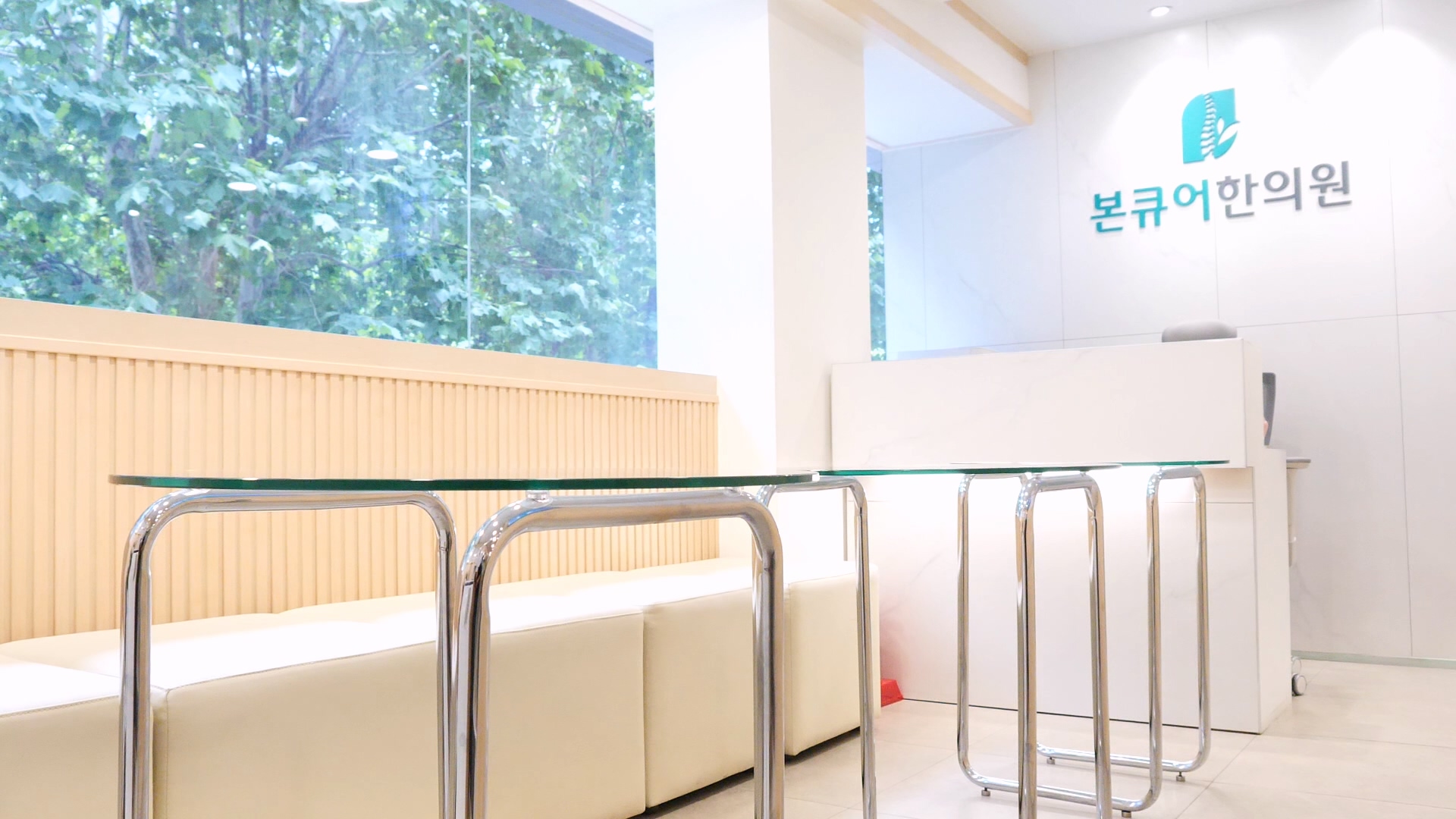
Chronic back pain is often a multifaceted issue, but one of the most frequently overlooked causes is the presence of microscopic adhesions within the fascia. These tiny clusters of scar tissue can lock the body into a cycle of pain and restricted movement, making daily tasks feel like a burden. In this guide, I will explore the science behind these adhesions and how we approach them at BonCure to help you regain your vitality and balance through structural change that aims for rapid improvement, though individual results may vary.
Understanding Chronic Back Pain and the Role of Fascial Micro-Adhesions
Fascial micro-adhesions are localized areas within the body's connective tissue where layers of fascia—the 'web' that surrounds muscles and organs—become abnormally stuck or glued together. Under normal conditions, these layers should glide smoothly over one another, but chronic stress, repetitive injury, or surgery can trigger a healing response that produces excessive fibrous tissue. This results in a loss of elasticity and the formation of knots that traditional massage often cannot reach. At BonCure, we recognize that these adhesions are not just local nuisances; they act as mechanical anchors that disrupt the entire structural integrity of the spine and pelvis. When the fascia is restricted, it can compress delicate nerve endings and limit blood flow, leading to the persistent, dull ache associated with chronic back pain. Understanding the structural nature of these adhesions is the first step toward achieving functional improvement and emotional relief, which some patients may experience early in their care.
Defining Fascial Micro-Adhesions and Their Impact on Mobility
Micro-adhesions in the fascia act as silent inhibitors of movement, creating a physical barrier that prevents muscles from reaching their full range of motion. Think of the fascia as a tight-fitting suit; if one part of the sleeve is glued to your arm, you cannot lift your hand freely. In the context of the human back, these adhesions often form around the lumbar spine and sacroiliac joints. Based on my observations, a significant number of patients with long-standing back pain exhibit some level of fascial thickening that hinders their flexibility. These restrictions force the body to adopt compensatory postures, which leads to secondary pain in the neck or hips. At BonCure, we focus on identifying these specific zones of tension. By releasing these microscopic bonds, we aim to restore the natural 'glide' of the soft tissues, which helps improve overall mobility and reduce the mechanical stress on the vertebrae and intervertebral discs. This precision-based approach is designed to facilitate a noticeable change in movement, which many patients report early in their treatment plan.
Why Traditional Scans Often Overlook Structural Fascial Issues
Many patients arrive at our clinic frustrated because their MRIs or X-rays appear relatively normal despite their intense, daily discomfort. This occurs because standard imaging techniques are excellent at showing hard structures like bones or major disc herniations, but they often lack the resolution to visualize the subtle, microscopic changes in fascial density. Micro-adhesions are essentially invisible on traditional 2D scans, making them 'ghost' symptoms that go untreated in conventional settings. However, through manual palpation and structural analysis at BonCure, we can detect these stiffened areas by evaluating how the tissue responds to pressure and movement. I emphasize that a 'clean' scan does not always equate to a healthy back. By looking beyond the bone and focusing on the intricate network of connective tissue, we can provide answers for those who have been told their pain has no clear cause, focusing instead on structural recovery that the patient can truly feel.
The Link Between Chronic Inflammation and Tissue Adhesion
Inflammation is the body’s natural defense mechanism, but when it becomes chronic, it serves as the primary catalyst for the formation of adhesions. When the back is subjected to constant micro-trauma—such as maintaining poor posture during long working hours—the body sends inflammatory cytokines to the area to repair the perceived damage. This persistent inflammatory environment promotes the growth of dense collagen fibers, effectively 'soldering' the fascia layers together. I have observed that patients with sedentary lifestyles are particularly susceptible to this cycle of rigidity. Once these adhesions are established, they can trap inflammatory waste products within the tissue, creating a self-sustaining loop of pain and stiffness. Breaking this cycle requires a direct intervention that can physically separate the adhered layers, allowing fresh blood to circulate and carry away the chemical triggers of inflammation, thereby supporting the body’s innate ability to heal itself naturally and efficiently.
Oriental Medicine for Chronic Pain: The BonCure Structural Approach
The BonCure structural approach focuses on the fundamental realignment of the body by addressing the deep-seated tensions within the musculoskeletal system. While many treatments focus on symptom management, we utilize a combination of traditional wisdom and modern precision to target the underlying structural imbalance that often contributes to chronic pain. Our philosophy is built on the belief that when the spine and fascia are correctly aligned, the body’s internal systems—including circulation and nerve conduction—can function optimally. By integrating advanced techniques like Acupotomy with structural analysis, we provide a pathway for recovery that respects the body’s complex architecture. This approach is designed to facilitate functional changes by altering the physical environment of the damaged tissue; while individual responses vary, our goal is to help the 'bones smile' once again in a state of balanced harmony.
The Science of Acupotomy in Releasing Bound Fascia
Acupotomy, or 'Min-scalpel' therapy, is a specialized procedure that utilizes a micro-blade at the tip of a needle to perform precise releases of adhered tissues. This tool allows me to reach deep into the layers of the back, targeting specific tissues that may require a more direct mechanical approach than standard acupuncture. By applying a gentle mechanical force to the site of the adhesion, Acupotomy physically severs the microscopic fibers that have 'glued' the tissues together. This process, often referred to as 'adhesiolysis,' triggers a controlled healing response, encouraging the body to replace stiff scar tissue with healthy, functional fibers. While the timeline for recovery varies for every individual, my goal is for patients to experience a positive change in their symptoms and range of motion as efficiently as possible. This is a highly targeted method for restoring the structural integrity of the back, offering a direct solution for those stuck in a cycle of chronic stiffness and structural misalignment.
Restoring Circulation and Nerve Function Through Targeted Release
When fascia is tight and adhered, it acts like a clamp on the surrounding blood vessels and nerves. This compression leads to ischemia—a lack of oxygenated blood—and neuropraxia, where nerve signals are dulled or distorted. By using Acupotomy at BonCure, we aim to release this 'clamp.' Once the pressure is lifted, blood flow to the area can increase significantly, providing the necessary nutrients for tissue repair. We utilize objective evaluation scales and movement tests to monitor progress and confirm the degree of improvement immediately after the procedure. This restoration of flow is essential for nerve health, as it allows the nervous system to communicate without interference. For more information on how we integrate these methods, you may find Acupotomy and Structural Restoration: A Guide to Precision Care at BonCure helpful in understanding our unique clinical philosophy focused on impactful, efficient treatment.
Why Structural Alignment is Essential for Long-Term Pain Management
True recovery from chronic pain is nearly impossible without addressing the underlying structural alignment of the spine and pelvis. Even if the fascia is released, if the skeletal framework remains crooked, the adhesions will likely reform as the body attempts to stabilize the imbalance. At BonCure, we treat the body as a holistic structure where the position of the pelvis affects the health of the lumbar spine. We use structural diagnostic tools to ensure that our treatments align with the natural curvature of your body, often documenting changes through X-ray comparisons. By combining soft tissue release with structural correction, we create a stable foundation that prevents the recurrence of pain. This comprehensive strategy ensures that we are not just treating a symptom, but building a more resilient and balanced version of you. For further reading, see Chronic Pain Management Acupuncture: A Professional Guide to Structural Recovery.
Comparing Acupotomy with Standard Physical Therapy Methods
Comparing different treatment modalities is essential for patients to make an informed decision about their healthcare. While standard physical therapy and massage focus on surface-level muscle relaxation and general movement, BonCure utilizes a more precise approach to target deep structural barriers. The following table provides a neutral comparison of the characteristics of these different options to help you understand where Acupotomy fits into the recovery spectrum.
| Feature | Standard Physical Therapy | Acupotomy (BonCure) | Traditional Acupuncture |
|---|---|---|---|
| Primary Tool | Hands, stretching, exercise | Specialized micro-blade needle | Fine filament needle |
| Depth of Treatment | Surface to mid-muscle layers | Deep fascial and ligamentous layers | Primarily meridian/muscle points |
| Mechanism | Stretching and strengthening | Physical release of adhesions | Energy flow and neurological stimuli |
| Focus | Functional movement | Structural restoration & adhesiolysis | Symptom management & balance |
| Frequency | Often multiple times per week | Efficient, high-impact sessions | Varies by condition |
The Advantage of Micro-Blade Technology for Deep Tissue Adhesions
The primary advantage of the micro-blade technology used at BonCure is its ability to perform precision releases without the need for large incisions. Traditional physical therapy is excellent for conditioning; however, for long-standing adhesions, a more direct mechanical intervention like Acupotomy may be used to target deep-seated fibrous tissue. The micro-blade tip of the Acupotomy needle allows for a high degree of precision, enabling me to separate adhered tissues that are only millimeters thick. This level of accuracy is crucial when working near the delicate structures of the spine. By directly addressing the mechanical cause of the pain, Acupotomy focuses on releasing deep-seated adhesions that are often difficult to reach with standard manual therapies. At BonCure, we prioritize efficient care; we aim for functional improvement that allows patients to sense their progress early in the process, although the speed of recovery depends on individual health factors.
Integrating Moxibustion and Acupuncture for Enhanced Healing
While Acupotomy serves as the primary tool for structural release, we often integrate it with traditional moxibustion and fine-needle acupuncture at BonCure to support the healing process. Moxibustion uses thermal energy to penetrate deep into the tissues, further stimulating blood circulation and helping to soften the fascia. This combination treatment helps enhance the body’s metabolic rate, ensuring that the micro-injuries created during the release are repaired with high-quality, flexible tissue. In my experience, this multi-layered approach provides a more comfortable experience for the patient and supports the long-term stability of the treatment. By using heat and traditional needle techniques alongside modern structural release, we address both the mechanical and the physiological aspects of chronic pain, ensuring a well-rounded path to recovery that respects the time-tested principles of Oriental medicine in a modern clinical setting.
Clinical Observations and the Path to Recovery in Cheongdam
In my clinical practice in Cheongdam, I have observed that the path to recovery is a process of precise structural realignment. Each patient brings a unique history of injury and adaptation, which requires a customized treatment plan. Whether it is a foreign patient flying in for a single intensive session or a local resident seeking a resolution for complex structural issues, the focus remains on objective, immediate improvement. We use various evaluation metrics, including structural X-rays and range-of-motion tests, to track progress. Our goal at BonCure is to provide a clear, evidence-based roadmap for each patient, ensuring they understand the 'why' behind their pain and the 'how' behind their recovery. We do not believe in dragging out treatment; if a procedure is effective, the patient should feel the difference promptly.
Insights from a Korean Medicine Doctor on Persistent Back Pain
Persistent back pain is more than just a physical sensation; it is a structural challenge that impacts your quality of life. Through years of practice at BonCure, I have learned that the key to solving chronic cases lies in identifying the specific point of adhesion. Many of my patients have already tried multiple therapies without success. I have treated cases where patients showed immediate changes in their spinal alignment on X-rays after we released deep-seated adhesions in the posterior muscles. My insight is that we must treat the body as a connected structure. If the fascia in your lower back is tight, it may be pulling on your entire spine. By addressing these 'micro-anchors,' we can release the tension throughout the entire system. It is this focus on the 'hidden' structural causes of pain that allows us to help patients who felt they had run out of options.
Establishing Realistic Expectations for Structural Change
When dealing with chronic conditions, it is important to understand that the goal is immediate functional change followed by biological remodeling. I do not follow the philosophy that 'you must wait 10 sessions to feel better.' At BonCure, we aim for the patient to sense a positive change in their symptoms and movement early in their treatment, though individual results vary. While the body needs time to fully remodel the tissue we have released, the initial improvement should be palpable. We monitor progress closely, adjusting each session based on how the tissue responds. It is normal to feel some fluctuation as the body realigns itself, but our commitment is to provide the most efficient and impactful care possible. We focus on necessary treatments only, ensuring your time and health are respected through a streamlined and professional clinical process.
Essential Safety Information and Potential Side Effects of Treatment
At BonCure, patient safety is our highest priority, and we provide full transparency regarding the risks and limitations of our procedures. Acupotomy is a minimally invasive procedure, but like any treatment involving needles, it can have potential side effects. The most common experiences include temporary soreness at the site, minor bruising, or slight localized bleeding, which typically resolve within a few days. While extremely rare, there is a small risk of infection or nerve irritation. We maintain a strictly sterile environment and use single-use, disposable equipment to minimize these risks. It is also important to note that individual results vary based on age, health history, and the severity of the condition. Patients with certain blood-thinning conditions or active infections may not be suitable candidates. We always conduct a thorough initial consultation to ensure that our approach is safe and appropriate for your specific structural needs.
Frequently Asked Questions
Q. What exactly are micro-adhesions in the fascia?
Micro-adhesions are areas where the fascia, the connective tissue surrounding muscles, becomes stuck together due to injury or chronic stress. These adhesions restrict movement and compress nerves, leading to persistent discomfort. At BonCure, we focus on identifying these microscopic restrictions to restore structural balance and immediate mobility.
Q. How does BonCure use Acupotomy to treat these adhesions?
At BonCure, I utilize a specialized micro-blade needle known as Acupotomy to precisely reach the site of the adhesion and physically release the bound tissues. This process stimulates the body's natural healing response. Unlike many other clinics, my goal is for you to feel an immediate improvement in your symptoms right after the procedure.
Q. Is the treatment at BonCure painful?
Acupotomy can involve a brief sensation of pressure or a dull ache as the adhesion is released. While there may be temporary discomfort during the procedure, many patients report an immediate sense of lightness and significantly improved range of motion following the treatment.
Q. What are the potential side effects of Acupotomy?
Potential side effects include temporary soreness, minor bruising, or light bleeding at the injection site. While rare, there is a small risk of infection or nerve irritation. We take every precaution to ensure a sterile and safe environment, and I personally monitor the procedure to maximize safety and efficacy.
Q. How many sessions are typically required for chronic back pain?
At BonCure, we do not have a fixed '10-session' requirement. Each treatment is designed to be impactful and efficient. While complex cases may require follow-up visits to stabilize structural changes, our focus is on immediate functional improvement that you can feel from your very first session.
Q. Why did my previous treatments fail to provide lasting relief?
Different therapies have different focuses; while some prioritize surface-level relaxation, our approach at BonCure targets deeper structural barriers through adhesiolysis to promote long-term stability and sustainable improvement for those with deep-seated adhesions.
Q. Are the results of these treatments guaranteed?
In medical practice, individual results vary based on health history and the nature of the condition. We cannot provide a 100 percent guarantee of a cure, but we use clinical evidence and structural analysis to provide the most effective care possible. Our goal is to provide measurable and immediate functional improvement for every patient.
Key Takeaways
- Fascial micro-adhesions are often the 'invisible' causes of chronic back pain that traditional scans miss.
- Acupotomy at BonCure provides a precise intervention to physically release these deep tissue bonds for immediate results.
- Structural restoration focuses on identifying the root cause, aiming for immediate functional change rather than prolonged, repetitive therapy.
- Individual results vary, but we prioritize efficiency and impact, ensuring patients feel a difference early in their care.
- Safety and transparency are paramount; we provide clear information on side effects and realistic clinical expectations.
If you are struggling with back pain that hasn't responded to conventional care, it is time for a structural solution. I am here to help you understand your body and guide you toward immediate relief and long-term balance.
BonCure / Song Jeong-hyeon, Director
FAQ
- What exactly are micro-adhesions in the fascia?
- Micro-adhesions are areas where the fascia, the connective tissue surrounding muscles, becomes stuck or glued together due to injury or chronic stress. These adhesions restrict movement and compress nerves, leading to the persistent discomfort often felt in chronic back pain. At Bonecure, we focus on identifying these microscopic restrictions to restore structural balance.
- How does Bonecure use Acupotomy to treat these adhesions?
- At Bonecure, I utilize a specialized micro-blade needle known as Acupotomy to precisely reach the site of the adhesion and physically release the bound tissues. This process stimulates the body's natural healing response to replace stiff, damaged tissue with healthy, flexible fibers. It is a targeted approach for deep structural issues that traditional needles may not reach.
- Is the treatment at Bonecure painful?
- Acupotomy can involve a brief sensation of pressure or a dull ache as the adhesion is released. While some patients find it slightly uncomfortable during the procedure, many report a significant sense of lightness and improved mobility immediately following the treatment. We work to ensure the patient's comfort throughout the session.
- What are the potential side effects of Acupotomy?
- As with any procedure involving needles, there are potential side effects including temporary soreness, minor bruising, or light bleeding at the site. While rare, there is a small risk of infection or nerve irritation. We take every precaution to ensure a sterile and safe environment, and I personally monitor the procedure to maximize safety.
- How many sessions are typically required for chronic back pain?
- The number of sessions depends on the severity and duration of your condition. While some patients experience changes after a single visit, chronic or complex cases involving significant structural changes often require a series of 10 to 20 treatments to achieve stable results. Each treatment plan is customized to the individual patient's structural needs.
- Why did my previous treatments fail to provide lasting relief?
- Many standard therapies focus on surface-level muscle relaxation or temporary pain masking. If the root cause is a deep-seated fascial adhesion or a structural misalignment of the spine, the pain will likely return once the temporary effect wears off. Our approach at Bonecure targets these deeper structural barriers directly for a more permanent solution.
- Are the results of these treatments guaranteed?
- In medical practice, individual results always vary based on a patient's health history, age, and the nature of the injury. We cannot provide a 100 percent guarantee of a cure, but we use clinical evidence and structural analysis to provide the most effective care possible. Our goal is to provide measurable functional improvement for every patient.