
Post
Chronic Pain Management Acupuncture: A 2026 Professional Guide to Structural Recovery
Hello. I am Dr. Song Jung-hyun, a practitioner who has focused on acupotomy and structural restoration for many years. Chronic pain management acupuncture is a specialized clinical approach designed to address persistent discomfort through neural and structural stimulation. At Bonecure, we operate under the philosophy that when your bones are in the correct position and free from tension, the body can heal more effectively.
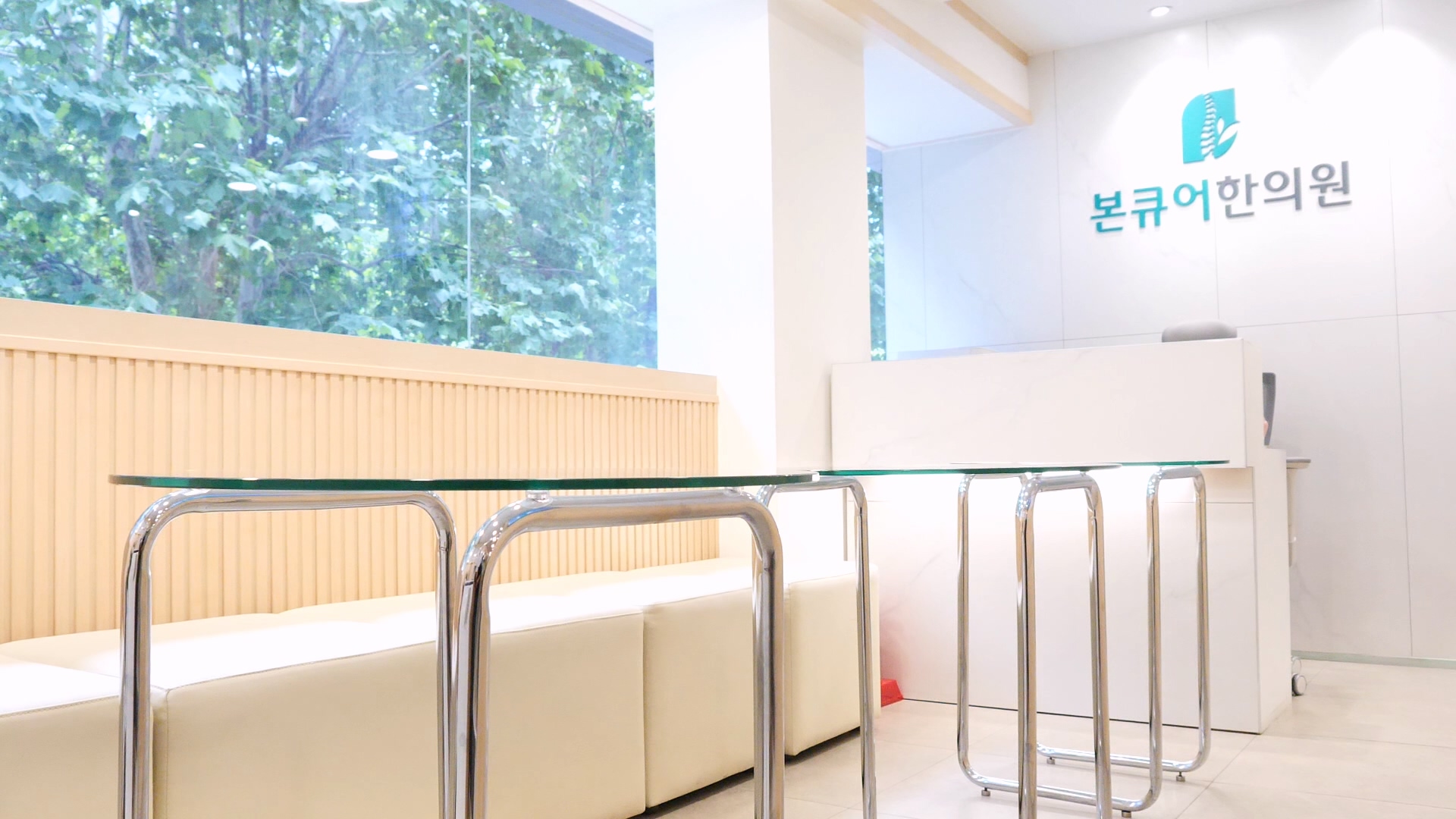
Our goal is to move beyond simple symptom relief, identifying the root causes of pain and restoring the body's overall balance. By combining traditional Korean medicine—including Chuna therapy and pharmacopuncture—with modern diagnostic approaches, we help each patient regain a healthy daily life. We believe that when your bones smile, life smiles, and we are dedicated to ensuring that every patient experiences the immediate, transformative power of structural alignment. This guide explores our specialized methodology for achieving lasting health.
Understanding Acupuncture for Chronic Pain Management
Oriental medicine for chronic pain management represents a comprehensive system that prioritizes the restoration of the body's natural balance and energy flow. This approach is not merely about suppressing a symptom but about identifying the underlying structural or metabolic disharmony that causes the pain to persist over time. By focusing on the integrated relationship between the skeletal framework and the nervous system, we can unlock the body's inherent healing potential.
Defining Oriental Medicine for Chronic Pain
In 2026, many practitioners continue to utilize these methods to help patients find relief when conventional treatments have reached their limits. By focusing on specific points along meridians and neural pathways, this therapy aims to modulate the nervous system and promote systemic healing. Evidence suggests that acupuncture is a reasonable option for chronic pain, specifically for issues like low back pain and chronic headaches. This clinical tradition provides a patient-centered framework that views the human body as an integrated whole rather than a collection of isolated parts. At Bonecure, we utilize these principles to ensure that every patient receives a personalized plan tailored to their unique physiological needs and structural alignment. By addressing the root cause of the discomfort—often a structural misalignment—patients often find that their overall sense of well-being improves alongside their physical symptoms. This methodology remains a cornerstone of integrative health for those seeking a non-invasive path to recovery, focusing on the precision of needle placement to restore natural movement.
The Biological Mechanisms of Needle Stimulation
Modern science provides significant insight into how needle stimulation influences the human body. When a needle is inserted into a specific point, it triggers the release of endorphins, which are the body's natural painkillers. This biological response is supported by various large-scale reviews which found that acupuncture was associated with greater pain reduction than no treatment at all. Beyond chemical releases, the physical presence of the needle improves blood flow to damaged or inflamed tissues. This increased circulation facilitates the delivery of oxygen and vital nutrients necessary for cellular repair. Research indicates that these mechanisms may outperform sham treatments by a measurable amount in clinical settings. Furthermore, the stimulation of the peripheral nervous system can lead to changes in central pain processing in the brain. At Bonecure, we apply these complex physiological pathways to help patients manage chronic conditions with greater precision. By using acupotomy to release mechanical adhesions, we physically restore blood flow that has been restricted by fibrous tissues, allowing for a biological reset of the affected area.
Bridging Ancient Wisdom with Modern Science
The integration of traditional techniques with modern diagnostic tools allows for a more rigorous approach to chronic pain. Historically, these practices were described in terms of energy flow, but today we verify results through objective assessments and clinical data. For example, we utilize objective evaluation scales to monitor improvements in conditions that were once thought to be permanent. Some clinical reports, including our own case studies, have documented patients recovering from conditions like 18 years of chronic tinnitus or severe autonomic dysfunction through targeted structural interventions. By bridging these two worlds, we can offer treatments that are both time-tested and scientifically validated. This synergy is particularly effective for complex cases that do not respond to a single modality of care. Bonecure utilizes this dual perspective to bridge the gap between subjective patient experiences and objective clinical outcomes. As we look toward the future of medicine, the balance between historical wisdom and technological advancement remains essential for patient care. This approach ensures that we are not just treating a disease but supporting a person's entire journey toward lasting structural health.
Targeted Traditional Korean Medicine Treatment for Musculoskeletal Issues
Traditional Korean medicine focuses on the intricate relationship between the spine, joints, and the surrounding soft tissues. While these treatments are generally safe, patients should be aware that minor side effects such as temporary soreness, slight bruising, or minimal bleeding can occur at the needle site, and in rare cases, infection or nerve irritation. Results vary by individual state.
Specialized Acupuncture for Back Pain Relief
Back pain is one of the most common reasons patients seek chronic pain management acupuncture. Clinical evidence suggests that acupuncture can be a reasonable option for low back pain by reducing muscle spasms and improving spinal mobility. Unlike standard protocols that suggest many sessions are needed before results appear, our structural approach focuses on providing immediate changes that the patient can feel. While individual results vary, many find that releasing deep-seated adhesions in the lumbar region provides an instant shift in mobility and a reduction in pressure. By targeting the deep muscle layers and connective tissues, we address the structural imbalances that contribute to disc issues and nerve compression. At Bonecure, we combine these needle techniques with thorough structural assessments to provide a comprehensive recovery plan. This focused attention on the lumbar region allows patients to return to their daily activities with greater comfort. While stabilization of the alignment may require follow-up care, the initial relief serves as a catalyst for long-term health.
Managing Cervical Tension and Chronic Headaches
Cervical tension is a leading cause of chronic headaches and migraines in our modern, sedentary society. Acupuncture has been shown to be effective in managing these conditions by relaxing the suboccipital muscles and improving blood flow to the head. Large reviews have confirmed that acupuncture tends to help more than no treatment in reducing the frequency and intensity of migraine attacks. By relieving the pressure on the cervical nerves, patients often experience a reduction in the brain fog and fatigue associated with chronic neck pain. The treatment process involves careful needle placement, specifically targeting the upper cervical area to maximize the therapeutic impact on the nervous system. We emphasize the importance of maintaining proper posture alongside treatment to prevent the recurrence of tension-type headaches. This proactive approach helps patients gain control over their symptoms rather than simply reacting to pain as it arises. Each session is a step toward a more balanced and tension-free cervical spine, with many patients reporting a lighter, clearer sensation immediately following the release of suboccipital tension.
Addressing Parkinson’s Syndrome and Neural Integrity
For patients dealing with Parkinson’s syndrome or atypical Parkinsonism (such as MSA or PSP), structural intervention can be a vital component of symptom management. While true Parkinson’s disease is a progressive neurodegenerative condition, many patients suffer from 'Parkinsonism'—symptoms that mimic the disease but are often linked to functional or structural issues. At Bonecure, we focus on releasing adhesions in the upper cervical and thoracic regions, which can improve autonomic function and motor control. By using acupotomy to peel away fibrosis in the neck muscles, we aim to reduce tremors and rigidity. Patients with atypical Parkinsonism, who often do not respond well to dopamine medication, may find significant relief through these structural corrections. Our clinical focus is on slowing the progression of symptoms and enhancing the quality of life through neural decompression. Although these are chronic conditions requiring careful management, the immediate improvement in mobility and autonomic balance can provide much-needed hope for patients and their families. We monitor these changes through detailed movement evaluations to ensure precision in every procedure.
Comparing Chronic Pain Management Modalities
A multi-modal approach is often necessary for effective pain management, as it allows for the combination of different therapeutic strengths. The following table compares common modalities used to address chronic discomfort.
| Modality | Primary Mechanism | Best For |
|---|---|---|
| Standard Acupuncture | Neural stimulation and endorphin release | Mild muscle tension and stress |
| Acupotomy | Releasing tissue adhesions and scars | Chronic, stubborn structural pain |
| Chuna Therapy | Manual structural realignment | Postural correction and joint mobility |
| Moxibustion | Thermal stimulation and circulation | Cold-induced stiffness and fatigue |
Acupuncture versus Conventional Medication
When comparing acupuncture to conventional pain medication, many patients prefer the lower risk of systemic side effects. While medications like NSAIDs or opioids can provide rapid relief, they often come with risks to the digestive system or the potential for dependency. Acupuncture offers a physiological alternative that encourages the body to produce its own pain-relieving chemicals. Clinical studies have shown that for chronic pain, acupuncture serves as a viable non-pharmacological alternative for patients who may have difficulty using certain medications. At Bonecure, we prioritize necessary treatments that address the underlying mechanical causes of pain rather than just chemical suppression. It is important to note that these treatments can often be used complementarily, provided the patient coordinates with all their healthcare providers. We focus on reducing the patient's reliance on temporary fixes by restoring the structural integrity of the body. This transition toward natural recovery is a major goal for many of our long-term patients. By focusing on the body's internal resources, we promote a more sustainable and foundational form of health management.
Synergistic Effects of Moxibustion and Cupping Therapy
Moxibustion and cupping are often used alongside acupuncture to enhance the overall therapeutic effect. Moxibustion involves the application of heat to specific points, which is particularly effective for pain that worsens with cold or dampness. This thermal stimulation improves local circulation and helps relax deep-seated muscle fibers. Cupping therapy, on the other hand, uses suction to draw blood flow to the surface and release tension in the fascia. Together, these methods create a synergistic effect that speeds up the recovery of damaged tissues. While acupuncture works on the nervous system, moxibustion and cupping address the physical environment of the muscles and skin. This combination is a staple of traditional Korean medicine and is highly valued for its ability to treat stubborn, chronic stiffness. Patients often report a feeling of lightness and improved range of motion after these combined treatments. These modalities provide a comprehensive toolkit for addressing the diverse ways that chronic pain manifests, ensuring that both the neural and soft tissue components of pain are managed effectively.
Structural Alignment through Chuna and Acupotomy
Achieving lasting relief requires the physical realignment of the body's structures. Chuna therapy is a manual manipulation technique used to correct the positioning of the spine and joints. When combined with acupotomy, which uses a specialized needle to release fibrous adhesions, the results can be quite profound and often immediate. We use tools like whole spine X-rays to objectively monitor the changes in a patient's skeletal alignment over time. These images often show measurable improvements in the curvature of the spine after the structural tension is released. By correcting these structural deviations, we reduce the uneven mechanical stress that leads to chronic wear and tear and 'Baeyeol-jeung' (dorsal burning sensation). This holistic focus on alignment ensures that the benefits of treatment are maintained long after the patient leaves the clinic. Bonecure emphasizes this structural integrity as the foundation of all health. When the framework of the body is balanced, every other system—from the autonomic nervous system to the digestive tract—can function at its optimal level, leading to a more active and pain-free life.
The Bonecure Approach to Structural Recovery
The Bonecure approach is centered on the belief that chronic pain is often a result of physical blockages and structural misalignments. By utilizing advanced tools and a deep understanding of anatomy, we help patients navigate the path from chronic suffering to structural stability with efficient, impactful treatments.
Advanced Acupotomy for Tissue Adhesion Release
Acupotomy is a specialized form of acupuncture that uses a small, blade-like needle to release chronic adhesions in the soft tissue. These adhesions, or internal scars, often form after an injury or years of poor posture, and they can trap nerves and restrict blood flow. By physically breaking down these tight bands of tissue, acupotomy allows for immediate improvements in mobility and a reduction in chronic pressure. This procedure is more intensive than standard acupuncture and is designed for patients with stubborn, long-term pain that has not responded to other treatments. At Bonecure, we have refined this technique to be as precise as possible, focusing on the specific points of entrapment. While the procedure can involve temporary discomfort, the release of tissue adhesions helps to improve the structural range of motion from a clinical perspective. It is a critical tool for those who feel "stuck" in their recovery process. By liberating the muscles from these internal restrictions, we pave the way for more effective movement and long-term postural correction without needing months of preparation.
Long Term Wellness through Bone Health and Balance
Wellness is not just the absence of pain but the presence of structural balance and vitality. Our goal is to help patients achieve a state where their bones and joints can support their lifestyle without constant maintenance. This involves a combination of clinical treatment, nutritional support, and lifestyle modifications. We teach patients how to maintain their alignment through proper ergonomics and specific exercises tailored to their structural needs. By taking an active role in their own health, patients can enjoy the long-term benefits of our structural interventions. The philosophy at Bonecure is that health is a continuous journey, and we are here to provide the map and the tools. Whether you are recovering from a specific injury or managing the cumulative effects of aging, structural health is the key to longevity. We remain committed to using evidence-based acupuncture and structural therapy to help our community thrive in 2026 and beyond. Your path to a smile begins with the health of your very foundation, and we are here to guide you toward that balance.
Advanced Acupotomy in Seoul: Root Cause Pain Relief at BoneCure Korean Medicine Clinic
Key Takeaways
- Chronic pain management acupuncture at Bonecure focuses on immediate structural relief rather than just long-term repetition.
- Acupotomy is used to physically release tissue adhesions, improving blood flow and nerve function instantly.
- Our clinic addresses complex conditions like Parkinsonism, tinnitus, and dorsal burning sensation through spinal alignment.
- Objective diagnostic tools, such as whole spine X-rays, are used to verify structural improvements.
- Treatment plans are highly personalized and focused on necessary, impactful interventions for root-cause healing.
Frequently Asked Questions
Q. What exactly is acupuncture for chronic pain management?
It is a therapeutic practice involving the insertion of thin needles into specific points to stimulate the nervous system. This process triggers the release of natural painkillers like endorphins and improves blood flow to damaged tissues. In 2026, it is widely recognized as a reasonable, evidence-based option for managing persistent discomfort by addressing the body's structural foundation.
Q. Does acupuncture for back pain really provide measurable results?
Yes. Clinical evidence suggests that acupuncture can be an effective intervention for low back pain compared to no treatment at all. At Bonecure, we emphasize immediate shifts in mobility and pain perception. By using acupotomy to release deep-seated adhesions, many patients experience a noticeable difference in their range of motion immediately after their first treatment.
Q. Are there any side effects to traditional Korean medicine treatment?
Acupuncture and acupotomy are generally safe when performed by a licensed professional. However, minor side effects may include temporary soreness at the needle site, slight bruising, or minimal bleeding. There is a very low risk of infection or nerve irritation. These effects are usually short-lived as the body begins the process of structural healing and reorganization.
Q. How many sessions are typically required to see a difference?
At Bonecure, we do not believe in the '10 sessions to see any result' approach. Most patients feel an immediate improvement in their symptoms and mobility after their very first session. While a series of treatments may be recommended to stabilize the corrected skeletal alignment and prevent recurrence, the initial therapeutic benefit should be felt right away.
Q. Is moxibustion therapy in Seoul different from standard acupuncture?
Yes, moxibustion involves the application of heat to specific points, often using mugwort, rather than just needle insertion. It is an excellent complementary therapy for improving circulation and is particularly helpful for chronic stiffness that worsens in cold conditions. At Bonecure, we use it to enhance the structural release provided by acupotomy.
Q. Can oriental medicine for chronic pain be combined with Western medicine?
Yes, many patients utilize our structural treatments alongside Western medical care. We often work with patients who have undergone X-rays or MRIs at hospitals to better understand their skeletal needs. It is important to disclose all current treatments to ensure a coordinated plan. This integrative approach often provides the best path for complex cases like Parkinsonism.
Q. What makes the Bonecure method different from other clinics?
Our focus is on the immediate restoration of structural integrity. We specialize in acupotomy—a advanced technique for releasing internal tissue adhesions that standard acupuncture cannot reach. We don't just treat the pain; we fix the alignment that causes the pain, using objective tools like X-rays to ensure your bones are correctly positioned for a life of health.
Bonecure / Dr. Song Jung-hyun
FAQ
- What exactly is acupuncture for chronic pain management?
- It is a therapeutic practice involving the insertion of thin needles into specific points to stimulate the nervous system. This process triggers the release of natural painkillers like endorphins and improves blood flow to damaged tissues. In 2026, it is widely recognized as a reasonable, evidence-based option for managing persistent discomfort.
- Does acupuncture for back pain really provide measurable results?
- Clinical evidence suggests that acupuncture can be an effective intervention for low back pain compared to no treatment at all. While individual experiences differ, many patients at Bonecure report significant reductions in pain and improved mobility after a structured course of care. It works by addressing both the neural pathways and the muscular tension in the lumbar region.
- Are there any side effects to traditional Korean medicine treatment?
- Acupuncture is generally safe when performed by a licensed professional. However, minor side effects may include temporary soreness at the needle site, slight bruising, or minimal bleeding. These effects are usually short-lived and are a natural part of the body's response to the stimulation of the tissues.
- How many sessions are typically required to see a difference?
- Chronic conditions often require a series of treatments because the underlying structural issues have developed over a long period. While some individuals feel immediate relief after the first session, a standard course may involve several sessions over a few weeks. This frequency allows the body to stabilize in its new, corrected alignment.
- Is moxibustion therapy in Seoul different from standard acupuncture?
- Yes, moxibustion involves the application of heat to specific points rather than just needle insertion. It is often used as a complementary therapy to enhance circulation and is particularly helpful for pain that feels worse with cold or stiffness. At Bonecure, we often combine it with acupuncture for a more comprehensive approach to recovery.
- Can oriental medicine for chronic pain be combined with Western medicine?
- Yes, many patients utilize acupuncture as a complementary therapy alongside Western medical treatments. It is important to disclose all your current medications and procedures to your provider to ensure a safe and coordinated care plan. This integrative approach often leads to the best outcomes for complex chronic pain cases.
- What makes the Bonecure method different from other clinics?
- At Bonecure, we prioritize structural alignment through specialized acupotomy that addresses tissue adhesions. Our philosophy is that when your bones are correctly positioned, your body's innate healing capacity is maximized. We utilize objective diagnostic tools, such as whole spine X-rays, to monitor structural changes over the course of your treatment.