
Post
Bonecure Acupotomy (Dochim) Therapy: A 2026 Guide to Structural Recovery
Hello, I am Director Song Jung-hyun. Throughout my career, I have dedicated myself to the practice of acupotomy, focusing on how structural integrity influences overall health. Bonecure Acupotomy therapy is a specialized treatment that addresses chronic pain by releasing deep-seated adhesions in the muscles and fascia.
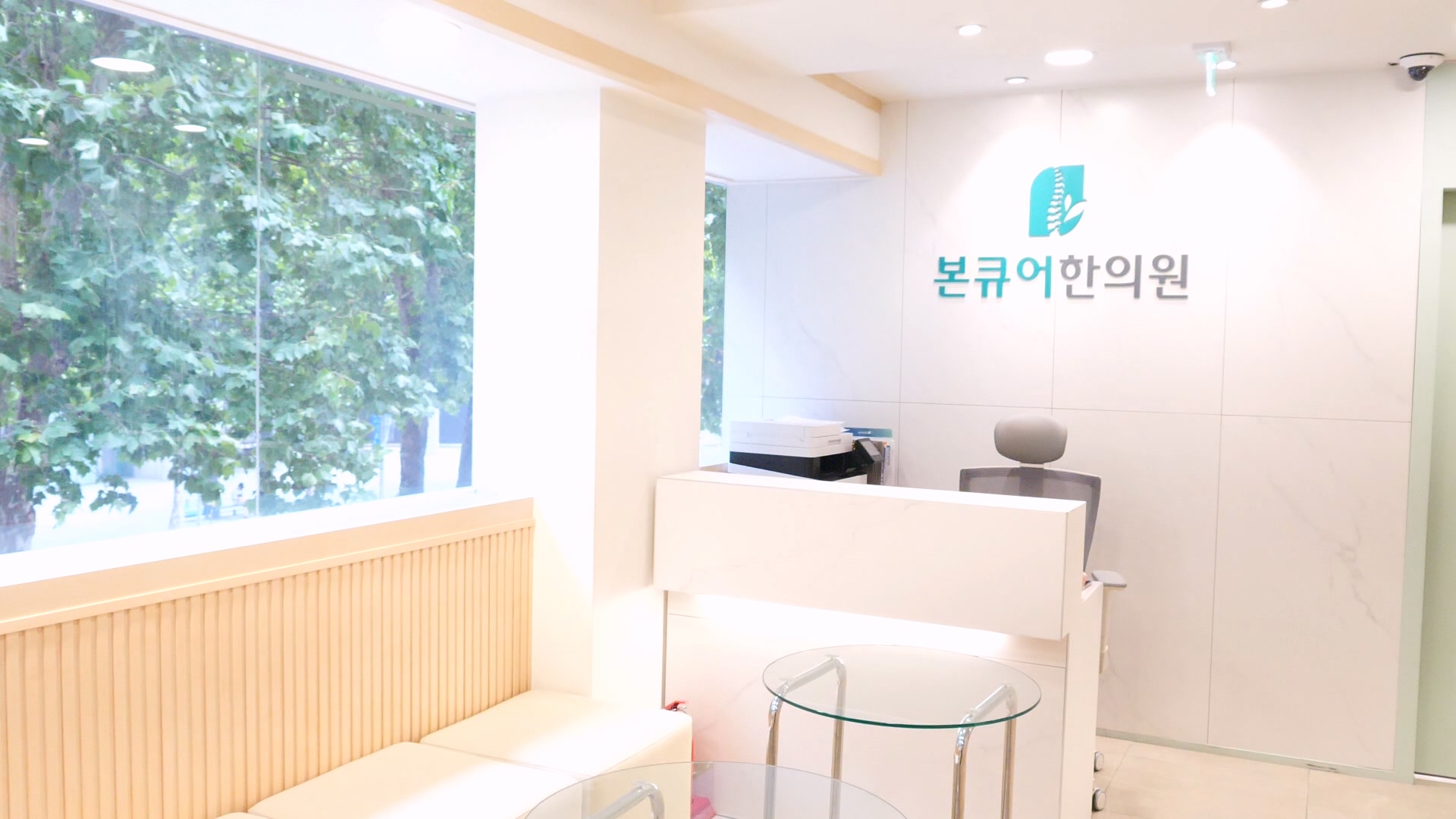
This approach is designed to restore balance to the body's framework, supporting long-term structural health and helping to manage chronic symptoms for those who have struggled with persistent musculoskeletal and neurological conditions.
Understanding Acupotomy (Dochim) Therapy at Bonecure
Bonecure Acupotomy therapy is defined as a structural intervention that utilizes specialized micro-blade needles to resolve internal tissue adhesions and restore the body's natural alignment. This technique is rooted in the belief that many chronic conditions arise when the body's structural components, such as the spine and surrounding soft tissues, become misaligned or fused due to inflammation and scarring. By addressing these physical obstructions directly, the therapy facilitates improved circulation and nerve function, creating an environment where the body can begin its natural healing process. Unlike conventional long-term management, our system is designed for high efficiency and immediate feedback.
Definition and Foundations of Bonecure Acupotomy
Bonecure Acupotomy represents a refined evolution of traditional acupuncture, merging ancient wisdom with modern anatomical precision. This technique utilizes a specialized tool called an acupotomy needle (dochim), which features a flat, blade-like tip designed to interact with the body's internal structures. This allows practitioners to physically address pathological adhesions within the soft tissues. When muscles, ligaments, and fascia become chronically inflamed or injured, they often fuse together, creating painful knots and restricting the natural range of motion. By carefully navigating these layers, the practitioner can restore the sliding mechanics of the tissue, effectively resetting the local environment. This structural intervention is particularly beneficial for patients who have exhausted conventional options, as it focuses on the tangible physical barriers that prevent the body from healing itself naturally through improved circulation and structural restoration.
The Structural Philosophy: When Your Bones Smile, Life Smiles
At the heart of the treatment philosophy at Bonecure is the understanding that structural harmony is the foundation of vitality. This approach views the human body as a complex architectural system where every bone and joint must be correctly aligned to function optimally. When misalignments occur, they place undue stress on the nervous system and internal organs, often manifesting as chronic pain or systemic dysfunction. The guiding principle, "When your bones smile, life smiles," emphasizes that structural recovery is not just about local pain relief. Instead, it is about restoring the global balance of the musculoskeletal system. By focusing on the relationship between the spine, the cranial structures, and the peripheral joints, this philosophy seeks to eliminate the root causes of discomfort. This holistic perspective ensures that every treatment session contributes to a more stable, resilient, and energetic physical state for the patient.
How Bonecure Acupotomy Differs from Conventional Acupuncture
While traditional acupuncture is excellent for managing energy flow and superficial muscle tension, Bonecure Acupotomy offers a more mechanical and structural solution for long-standing issues. Conventional needles are typically very thin and are used to stimulate specific points to trigger a physiological response. In contrast, the tools used in our therapy are designed to perform a micro-release of hardened scar tissue and adhesions. This difference is critical when dealing with chronic conditions like spinal stenosis or severe joint stiffness, where the tissue has physically changed over time. By incorporating principles from Why Deep Structural Acupuncture is Preferred for Long-Standing Scar Tissue: A 2026 Bonecure Guide, we can see that the mechanical release provided by the blade-like tip is essential for breaking down the physical barriers to recovery. This makes the therapy a highly targeted intervention that provides deeper, more structural results for complex clinical cases.
Mechanism of Bonecure Acupotomy for Chronic Pain Relief
Bonecure Acupotomy operates on the principle of mechanical release, where the physical separation of adhered tissues triggers a cascade of healing responses within the body. When soft tissues like tendons and ligaments are subjected to repetitive stress, they develop micro-tears that eventually heal as rigid scar tissue, often sticking to neighboring structures. This therapy uses precision instruments to gently decouple these structures, which immediately reduces internal pressure and restores the necessary space for blood vessels and nerves to function. This mechanical correction is the first step toward long-term pain management and functional restoration.
Releasing Soft Tissue Adhesions with Precision Blade Needles
The primary mechanism of this therapy involves the use of precision blade needles to navigate the complex layers of the human anatomy. These tools are uniquely suited for identifying and releasing pathological adhesions that standard manual therapies often miss. When a practitioner identifies a restricted area, the blade tip is used to perform a minute, controlled separation of the bound tissues. This process helps to decompress trapped nerves and improve the elasticity of the surrounding fascia. For many patients, this release provides a sense of immediate lightness as the internal tension that has been building for years is finally dissipated. You can learn more about this in our discussion on Precision Acupotomy and Its Role in Restoring Joint Mobility: A Professional Guide. This localized structural change is essential for restoring the natural mobility of the spine and limbs.
Normalizing Muscle Length and Restoring Movement
Beyond the immediate mechanical release, Bonecure Acupotomy focuses on normalizing muscle length and restoring flexibility. The micro-intervention created by the needle tip triggers a controlled response, bringing fresh blood and essential nutrients to areas that were previously ischemic due to poor circulation. This influx of oxygenated blood helps to wash away inflammatory byproducts and supports the restoration of healthy tissue tension. Unlike programs that require dozens of sessions before seeing results, our clinical focus is on immediate symptomatic improvement through effective structural release. By improving the health of the soft tissue environment, the therapy strengthens the support system for the skeleton, reducing the likelihood of future misalignments. This focus on mechanical release followed by physiological restoration provides a comprehensive framework for recovering from even the most stubborn musculoskeletal complaints.
| Feature | Standard Acupuncture | Bonecure Acupotomy (Dochim) |
|---|---|---|
| Needle Type | Fine, filament-like needle | Micro-blade (Acupotomy) needle |
| Primary Action | Stimulates nervous system | Mechanically releases adhesions |
| Target Tissue | Superficial muscle & meridians | Deep-seated scars and fused fascia |
| Typical Focus | General relaxation/energy flow | Structural restoration/chronic pain |
| Duration | Usually 15-30 minutes | Compressed and efficient (10-20 mins) |
Clinical Applications: Acupotomy for Back Pain and Spinal Health
Bonecure Acupotomy is highly effective for addressing spinal health because it can reach the deep postural muscles that support the vertebrae. When these muscles become chronically tight or adhered, they can pull the spine out of its natural curvature, leading to issues like disc herniation or nerve impingement. By releasing these deep tension points, the therapy allows the spine to return to a more neutral and healthy alignment. This structural correction is often the key to resolving chronic back pain that has not responded to more superficial treatments.
Addressing Chronic Back Pain through Structural Alignment
Chronic back pain is frequently the result of structural imbalances that have developed over many years. Bonecure Acupotomy addresses this by targeting the specific ligaments and muscles that have become shortened or adhered due to poor posture or past injuries. By restoring the proper length and tension of these tissues, the therapy alleviates the abnormal stress placed on the spinal discs and facet joints. In my clinical experience, we aim to promote structural stabilization through the improvement of spinal alignment, and we utilize X-ray imaging to carefully monitor the structural state of the patient. This indicates that the therapy does more than just mask pain; it actively works to improve the physical architecture of the back. While individual results can vary, the goal is always to create a stable foundation that allows for immediate improvement in daily function.
Treatment for Tinnitus and Autonomic Nervous System Disorders
In addition to musculoskeletal pain, Bonecure Acupotomy is applied to neurological issues such as chronic tinnitus and autonomic nervous system dysfunction. These conditions are often linked to structural problems in the upper cervical spine, where misalignments can interfere with blood flow to the head and irritate the cranial nerves. By using precision acupotomy to release tension in the neck and jaw area, we can often reduce the intensity of symptoms like ringing in the ears or dizziness. For instance, we approach tinnitus by focusing on structural recovery and use objective evaluation scales to monitor the patient's progress. This suggests that by improving the structural environment surrounding the nerves, we can have a profound impact on systemic health. This approach offers a valuable option for those suffering from complex symptoms that appear unrelated to the spine but are deeply rooted in structural health.
Traditional Medicine Clinical Notes and Clinical Evidence
Clinical evidence and objective measurement are essential for validating the effectiveness of structural therapies. At Bonecure, we utilize standardized scales and imaging to track patient progress. This commitment to objective data allows us to refine our techniques and provide patients with a clear understanding of their recovery journey. By bridging the gap between traditional methods and modern diagnostics, we aim to provide a transparent and evidence-based approach to Korean medicine.
Reviewing the Case Reports of Director Song Jung-hyun
My work in clinical research has led to the publication of several case reports highlighting the potential of acupotomy for various conditions. These reports cover a wide range of issues, from idiopathic scoliosis to post-concussion syndrome and autonomic instability. Each report is based on specific clinical outcomes observed in individual patients who underwent a structured treatment protocol. For example, my research has documented the management of spinal curvature and chronic tinnitus through targeted structural interventions. It is important to note that these are case reports involving specific individuals, and while they demonstrate positive outcomes, they do not guarantee the same results for every patient. However, they provide a valuable foundation for understanding how structural restoration can influence health. These findings are supported by clinical case reports that highlight the potential for significant improvement through precision release.
Measuring Success: Objective Scales for Anxiety and Pain
To ensure that our treatments are effective, we employ various objective metrics such as the Beck Anxiety Inventory (BAI) and the Beck Depression Inventory (BDI). These scales allow us to quantify changes in a patient's psychological well-being, which is often closely linked to their physical health. We also use the Tinnitus Handicap Inventory to track the severity of ear-related symptoms. By comparing scores before and after treatment, we can see numerical trends that reflect the patient's progress. In many of my cases, I have observed that as structural alignment improves, these scores show significant reductions. This objective approach helps to move beyond subjective reports of feeling better, providing a concrete way to measure the impact of Bonecure Acupotomy on a patient's quality of life.
Safety Protocols and Patient Care at Bonecure
Patient safety is the highest priority when performing any structural intervention. At our clinic, we adhere to strict sterilization and procedural protocols to ensure that every treatment is conducted in a safe and professional environment. While the acupotomy method involves a more physical interaction with the tissues than standard acupuncture, it is a controlled and precise procedure designed to minimize risk while maximizing therapeutic benefit. We are committed to providing clear communication and support throughout the entire process.
Managing Potential Side Effects and Post-Treatment Soreness
It is natural for patients to experience some minor side effects following a Bonecure Acupotomy session. Because the procedure involves the mechanical release of deep tissue adhesions, localized soreness is common and typically lasts for 24 to 48 hours. Some patients may also notice mild bruising or temporary swelling at the treatment site as the body begins the healing process. These reactions are generally mild and are a sign that the body is responding to the structural changes being made. Serious complications, such as infection, are extremely rare due to our use of sterile, single-use instruments. Every patient's response is unique, and we encourage open communication to manage any discomfort that may arise during the course of their personalized treatment plan. Please note that individual results can vary and multiple sessions may be required depending on the condition.
Frequently Asked Questions
Q. What exactly is Bonecure Acupotomy (Dochim) therapy?
Bonecure Acupotomy, or dochim, is a specialized medical treatment that uses a micro-blade needle to release adhesions in the soft tissues. This method addresses the root cause of chronic pain by restoring normal structure and blood flow to areas where muscles and ligaments have become abnormally fused over time.
Q. How effective is acupuncture for back pain when using this method?
The Bonecure method focuses specifically on structural recovery. While results vary by individual, many patients find relief from chronic back pain as the therapy releases deep-seated muscle tension that standard needles cannot reach. A consultation is necessary to determine the best approach for your specific condition.
Q. Does this therapy involve any risks or side effects?
As with any medical procedure, there are minor risks such as temporary soreness, bruising, or localized swelling. We follow strict sterilization protocols to ensure safety. Side effects such as pain at the site or minor bleeding are possible but typically resolve quickly.
Q. How many sessions are typically required to see results?
At Bonecure, we do not follow a fixed "10 or 20 session" rule. Our goal is immediate symptomatic improvement. Many patients feel a difference after their first treatment, and we focus on delivering efficient, high-impact care. The total number of sessions depends entirely on the patient's individual response and the complexity of the condition.
Q. Is Bonecure Acupotomy painful compared to regular acupuncture?
Because the dochim needle is designed for the mechanical release of tissues, you may feel a stronger sensation during the procedure. However, this discomfort is usually brief and is often followed by an immediate sense of lightness in the area as the internal tension is released.
Q. What is the cost of therapy at Bonecure?
The cost of treatment varies depending on the complexity of your condition and specific diagnostic needs. For pricing details and to understand how we can help your specific case, please contact our clinic for a personalized consultation.
Q. Are the results of this therapy scientifically proven?
Director Song Jung-hyun has published various clinical case reports on the effectiveness of acupotomy for conditions like tinnitus and spinal misalignment. While these case reports show positive outcomes, they represent specific instances and do not guarantee the same results for every individual. Clinical results can vary based on the patient's overall health.
Q. Can Bonecure Acupotomy help with non-musculoskeletal issues like tinnitus?
Yes, by addressing structural misalignments in the cervical spine and improving blood flow to the cranial nerves, our acupotomy approach is used to manage chronic tinnitus symptoms. This treatment focuses on improving the structural environment surrounding the affected nerves.
Key Takeaways
- Bonecure Acupotomy uses precision micro-blade needles (dochim) to mechanically release deep tissue adhesions and restore structural balance.
- This method is designed for immediate feedback and efficiency, focusing on resolving physical barriers that prevent natural recovery.
- Objective diagnostic tools, such as X-rays and standardized health scales, are used to track and validate progress based on individual clinical case reports.
- While minor soreness and bruising can occur, treatments are conducted under strict sterilization protocols with a focus on normalizing muscle length.
For more information on how structural restoration can help you regain your mobility and comfort, please contact us for a detailed evaluation.
Bonecure / Director Song Jung-hyun
FAQ
- What exactly is Sodda Korean medicine therapy?
- Sodda therapy, often called acupotomy or dochim, is a specialized medical treatment that uses a micro-blade needle to release adhesions in the soft tissues. This method addresses the root cause of chronic pain by restoring normal structure and blood flow to areas where muscles and ligaments have become abnormally fused over time.
- How effective is acupuncture for back pain when using the Sodda method?
- The Sodda method focuses specifically on structural recovery. While results vary by individual, many patients find relief from chronic back pain as the therapy releases deep-seated muscle tension that standard needles cannot reach. A consultation is necessary to determine the best approach for your specific spinal condition.
- Does Sodda therapy involve any risks or side effects?
- As with any medical procedure, there are minor risks such as temporary soreness, bruising, or localized swelling at the treatment site. We follow strict sterilization protocols to ensure safety, and we provide detailed post-care instructions to manage any minor discomfort that occurs after your session.
- How many sessions are typically required to see results?
- The number of treatments depends on the severity and chronicity of the condition. While some patients notice improved mobility after just one session, chronic issues like spinal curvature or long-term tinnitus often require a series of 20 sessions for sustained structural improvement. Each plan is customized based on diagnostic data.
- Is Sodda therapy painful compared to regular acupuncture?
- Because the Sodda needle is slightly thicker and performs a mechanical release of tissues, you may feel a stronger sensation during the procedure. However, this discomfort is usually brief and is often followed by an immediate sense of lightness in the area as the internal tension is released.
- What is the cost of Sodda therapy at Bonecure?
- The cost of treatment varies depending on the complexity of your condition and whether auxiliary treatments like herbal medicine are included. For specific pricing details and to understand how we can help your specific case, please contact our clinic for a personalized consultation.
- Are the results of Sodda therapy scientifically proven?
- Director Song Jung-hyun has published various clinical case reports on the effectiveness of acupotomy for conditions like tinnitus and spinal misalignment. While these reports show positive outcomes for the specific patients studied, individual results are not guaranteed and can vary based on your overall health and adherence to the plan.
- Can Sodda therapy help with non-musculoskeletal issues like tinnitus?
- Yes, by addressing structural misalignments in the cervical spine and improving blood flow to the cranial nerves, Sodda therapy is used to manage chronic tinnitus symptoms. This approach focuses on improving the structural environment surrounding the affected nerves to support better function.