
Post
Why Deep Structural Acupuncture is Preferred for Long-Standing Scar Tissue: A 2026 Bonecure Guide
Hello, I am Dr. Song Jeong-hyeon.
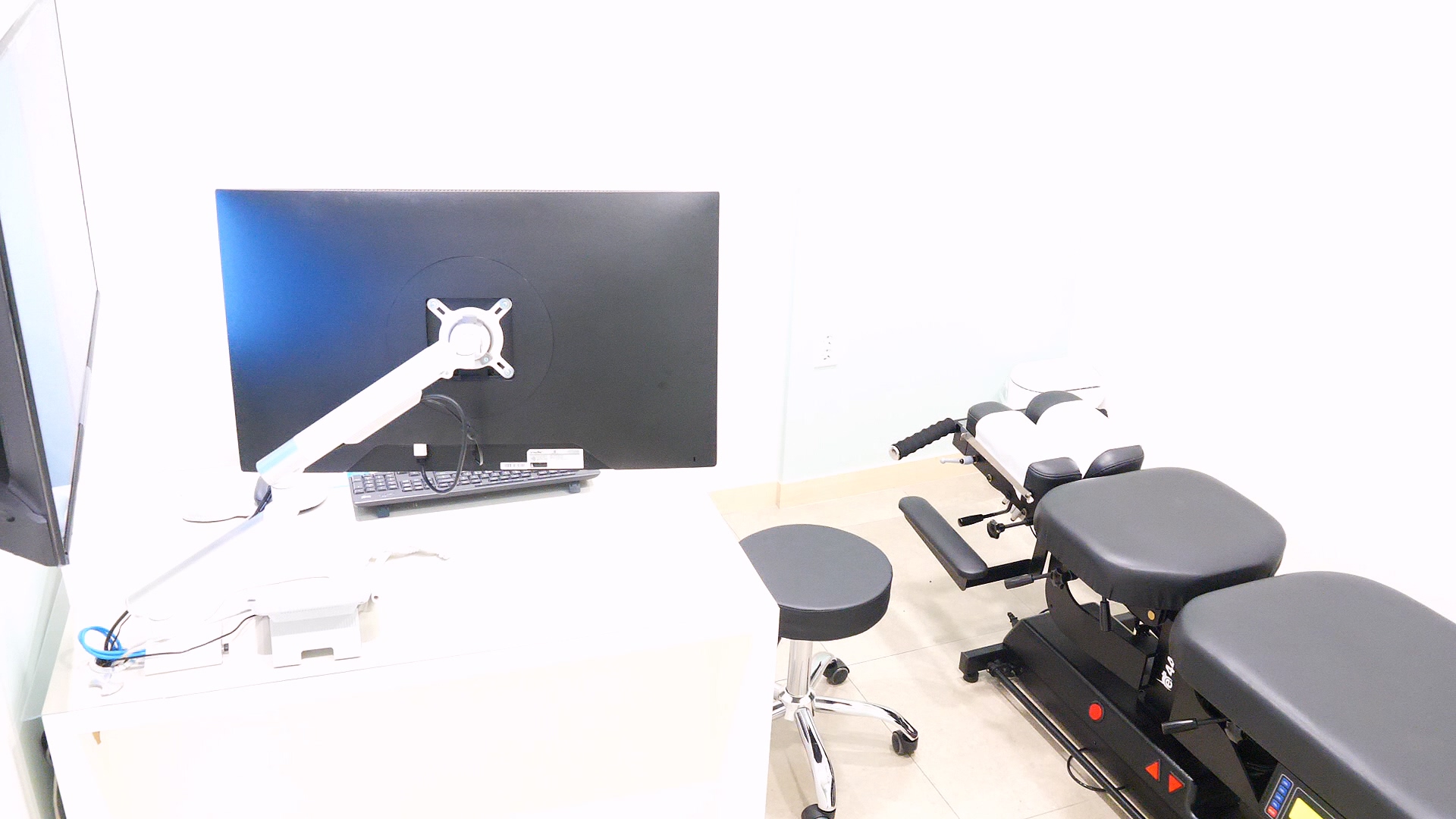
As a practitioner who has long focused on acupotomy, also known as deep structural acupuncture, I devote myself to identifying the root causes of pain and restoring the body's overall balance. This specialized procedure is designed to release long-standing scar tissue and internal adhesions that restrict movement and cause persistent discomfort. In this guide, I will explain why this physical approach is preferred for mature fibrotic tissue and how it can help you regain your quality of life.
Understanding Scar Tissue and Deep Structural Acupuncture
Scar tissue, specifically long-standing adhesions, is a physical barrier that develops when the body attempts to repair damaged fibers by depositing dense collagen. Unlike healthy muscle or fascia, these fibrotic bands lack elasticity and can bind together separate layers of tissue, leading to chronic stiffness and pain.
The Nature of Long-standing Scar Tissue and Adhesions
Long-standing scar tissue represents the body's attempt to repair damaged structures through the deposition of dense collagen fibers. Unlike healthy tissue, these adhesions lack organized elasticity, often binding nerves and muscles together in a restrictive web. In clinical observations at Bonecure, we find that a significant number of chronic pain cases involve soft tissue adhesions that inhibit normal joint movement. These internal scars can persist for years, leading to a noticeable reduction in local blood circulation, which may further delay the natural healing process. Because these tissues are physically tougher than surrounding muscle, they rarely resolve with simple rest or superficial heat therapy. Instead, they require a precise physical intervention to break the restrictive cycles of pain. Understanding that scar tissue is a structural barrier is the first step toward effective long-term recovery.
Defining Deep Structural Acupuncture in Modern Korean Medicine
Deep structural acupuncture, technically known as acupotomy, is a sophisticated evolution of traditional needle therapy designed for complex structural issues. At Bonecure, this method utilizes a specialized tool with a flat, blade-like tip to perform microscopic releases of dense fibrotic tissue. Unlike standard acupuncture, which primarily targets neurological pathways, this structural approach focuses on the physical separation of adhered layers. Clinical observations suggest that targeted release can lead to immediate improvements in range of motion for specific joint restrictions, though individual results may vary. This technique bridges the gap between traditional wisdom and modern biomechanical understanding, offering a non-surgical alternative for those with chronic thickening of ligaments or tendons. It is a precise procedure that effectively decompresses areas of high physical tension within the body's fascia system.
Comparing Deep Structural Acupuncture and Traditional Acupuncture for Back Pain
Standard acupuncture is commonly used for acute inflammation and nerve-related pain, while deep structural acupuncture is intended to address dense scar tissue. Standard filiform needles are typically 0.25mm to 0.30mm in diameter, which is excellent for biochemical stimulation; however, the choice of treatment depends on individual assessment and the specific nature of the tissue being addressed. In many cases of chronic back pain lasting more than 6 months, we observe that structural adhesions limit the efficacy of surface-level treatments. Some patients seek additional options when standard acupuncture does not sufficiently address their symptoms. Deep structural acupuncture may be considered in such cases, depending on individual needs. While traditional methods focus on biochemical stimulation, a structural approach is one of several options for addressing biomechanical dysfunction. The choice of method should be based on individual assessment and goals.
How Deep Structural Acupuncture Targets Internal Adhesions
The fundamental goal of targeting internal adhesions is to restore the natural gliding movement between tissue layers. This process is essential for reducing mechanical pressure on nerves and improving global mobility.
The Mechanism of Releasing Fibrotic Tissue with Acutomy
The core mechanism involves the physical detachment of pathological adhesions using a specialized acutomy tool. When tissue remains in a state of chronic inflammation, it forms cross-links between collagen fibers, effectively gluing layers of muscle and fascia together. At Bonecure, we use the blade tip to perform precise, microscopic incisions that sever these cross-links without damaging healthy surrounding tissue. This mechanical release immediately reduces the internal pressure on trapped nerve endings, which are often the primary source of chronic discomfort. This process triggers a localized healing response where the body initiates a controlled reaction to clear away the debris of old scar tissue. By breaking down layers of fibrosis, the treatment allows the body to restart the natural remodeling process. This physical intervention is essential for restoring the sliding mechanism of the fascia.
Promoting Regeneration and Restoration of Movement
Once the restrictive scar tissue is physically released, the body can begin the vital process of structural regeneration. At Bonecure, we emphasize that releasing an adhesion allows for an immediate change in sensation and movement. By removing the physical barriers that limit a joint’s range of motion, we aim to enhance the efficiency of corrective movements. The increased space within the tissue layers facilitates better waste removal, which is often stagnant in areas with heavy scarring. Mechanical tension release can stimulate fibroblasts to produce higher quality, more organized collagen. This means the new tissue formed after treatment is more functional than the old, fibrotic mass. While recovery times vary, many patients report significant improvements in daily activities starting from their first sessions of targeted therapy.
Treating Chronic Pain Beyond Surface Level Symptoms
Chronic pain is rarely a surface-level issue; it is often the result of deep-seated structural imbalances. At Bonecure, we look beyond the immediate site of pain to identify the anchor points where scar tissue is pulling the body out of alignment. For example, a scar in the deep pelvic fascia can manifest as recurring lower back pain. By utilizing deep structural acupuncture to address these hidden adhesions, we intend to address underlying issues that may not be the primary focus of some other therapies. Treatment should be selected based on individual needs and clinical evaluation. Patients with chronic musculoskeletal issues often have multiple distinct areas of adhesion that contribute to their overall pain profile. A structural approach aims to address multiple contributing factors to chronic pain. Comprehensive assessment is important for long-term management.
Comparing Deep Structural Acupuncture with Conventional Modalities
When evaluating treatment options, it is helpful to compare the specific focuses and outcomes of different therapeutic approaches. The following table provides a neutral comparison.
| Feature | Deep Structural Acupuncture | Conventional Physical Therapy |
|---|---|---|
| Primary Target | Internal adhesions and scar tissue | Muscle strengthening and flexibility |
| Tool Used | Specialized blade-tip needle (Acutomy) | Exercise equipment and manual therapy |
| Mechanism | Mechanical release of fibrotic tissue | Neuromuscular retraining |
| Typical Session | 10 to 20 minutes per area | 45 to 60 minutes per session |
| Recovery Focus | Structural integrity and decompression | Functional movement and endurance |
| Patient Experience | Immediate relief but temporary soreness | Gradual progress over weeks |
When to Choose Oriental Medicine for Chronic Pain
Choosing the right modality for chronic pain requires an understanding of how different treatments interact with the body's structural systems. At Bonecure, patients often arrive after having exhausted other options like medication or basic physical therapy. Deep structural acupuncture is particularly indicated when pain is accompanied by a tight or gritty feeling in the muscles, suggesting the presence of significant adhesions. Physical therapy focuses on strengthening and flexibility, while deep structural acupuncture targets adhesions. The most appropriate approach depends on the individual’s condition, and we focus on restoring overall balance through mechanical release. It is an ideal choice for those who want to avoid the risks of surgery or the side effects of long-term steroid use. Most patients see the best results when they integrate these structural releases into a broader lifestyle plan.
The Role of Structural Alignment in Scar Tissue Recovery
Structural alignment and scar tissue recovery are deeply interconnected. At Bonecure, we observe that minor shifts in spinal alignment can create areas of chronic tension where scar tissue is likely to form. When the body is out of balance, certain muscle groups can become overworked, leading to repetitive micro-trauma. By combining deep structural acupuncture with alignment-focused care, we address both the cause and the consequence of the dysfunction. Realigning the skeletal frame reduces the mechanical stress that triggers the body's scarring response in the first place. This view ensures that once the adhesions are removed, they are less likely to return because the underlying postural drivers have been corrected. Maintaining a balanced structure is the most effective way to protect the integrity of soft tissues.
Clinical Observations and Restoring Structural Balance
Clinical observations provide a roadmap for understanding how structural interventions translate into real-world functional improvements. Tracking these changes allows for more precise treatment plans.
Insights from Traditional Medicine Clinical Notes
Internal documentation at Bonecure shows that while initial treatments focus on the most superficial layers of scar tissue, subsequent sessions can reach the deeper attachments near the bone. In our clinical experience, many patients have reported an immediate and significant reduction in pain levels once the deep spinal adhesions were addressed, although these results are specific to individual cases. These findings emphasize the importance of a staged approach to structural recovery. It is not uncommon for patients to feel a temporary increase in awareness of their body's internal tensions as the numbing effect of chronic stiffness begins to fade. Documenting these shifts allows us to refine our techniques and provide more accurate outlooks for those suffering from complex conditions that require specialized care.
Improving Mobility Through Structural Decompression
Structural decompression is a primary goal at Bonecure, especially for those suffering from compressed nerves. When scar tissue builds up around a nerve, it creates a tunnel effect that can lead to numbness or sharp radiating pain. Deep structural acupuncture works by physically widening the space around these critical structures. Clinical observations suggest that decompressing a nerve can support improved conduction and sensory recovery. This mobility is not just about the joints; it is about the slide and glide of every tissue layer. Without this internal lubrication, simple movements feel like a struggle against one's own body. By removing the fibrotic glue that binds these layers, we restore the natural resilience of the musculoskeletal system.
Addressing Autonomic Imbalances Through Spinal Realignment
Addressing autonomic nervous system dysregulation is a significant part of the care at Bonecure. The autonomic nervous system relies on clear signaling through the spinal column, which can be interrupted by deep-seated adhesions. When scar tissue creates tension on the dural sheath or the surrounding spinal musculature, it can trigger symptoms like insomnia or digestive issues. By utilizing deep structural acupuncture to release these spinal anchor points, we help normalize the signaling between the brain and the peripheral organs. We frequently observe a correlation between chronic spinal tension and autonomic dysfunction. Restoring structural integrity through precise releases can contribute to better physiological regulation in certain clinical cases. This structural approach provides a physical foundation for recovery, helping the body move from a state of stress to one of balance.
Precautions and What to Expect During Treatment
Understanding the treatment process and its limitations is key to a successful recovery. Transparency regarding what patients can expect helps build a foundation of trust.
Understanding Potential Side Effects and Limitations
At Bonecure, we prioritize transparency, noting that the most common side effects include localized soreness, minor bruising, light bleeding at the insertion site, or rarely, infection. These symptoms are typically mild and resolve within 48 to 72 hours as the body begins the healing process. It is important to note that results depend on individual factors such as age, the duration of the condition, and overall health. For instance, a patient with decades of fibrotic buildup may require more sessions than someone with a recent injury. We advise that this treatment is part of a broader recovery plan and may not be suitable for those with certain blood-thinning conditions or active infections. By acknowledging these factors, we ensure that our patients have realistic expectations.
The Importance of Individualized Treatment Plans
No two bodies are identical, and therefore, no two treatment plans should be the same. At Bonecure, every patient undergoes a thorough assessment to determine the exact location and depth of their adhesions. This individualized approach is crucial because the path of recovery is unique for everyone. Our patient observations show that customized plans result in consistently high satisfaction compared to standardized protocols. We take into account the patient’s occupation, activity level, and medical history to tailor the frequency and intensity of the sessions. This precision ensures that we are targeting the root cause of the dysfunction rather than just chasing the symptoms. By focusing on the specific biomechanical needs of the individual, we can optimize the healing environment.
Selecting a Professional Clinic Blog for Guidance
In an era of overwhelming information, selecting a reliable source for health advice is vital. A professional blog provides a bridge between clinical wisdom and modern validation. At Bonecure, we use our platform to share insights and detailed case studies that help patients make informed decisions about their care. Many of our new patients report that reading about our structural approach helped them understand why their previous treatments had not provided the desired relief. A high-quality blog should explain the anatomical mechanisms involved and be transparent about the limitations of treatment. By offering this level of professional guidance, we aim to empower our community with the knowledge needed to seek out effective, structural solutions for chronic pain.
You may find further details on related techniques in Acupotomy and Structural Restoration: A Guide to Precision Care at Bonecure or learn more about the expert behind these treatments in Dr. Song Jeong-hyeon: Precision Acupotomy and Impactful Structural Recovery at Bonecure. Additionally, explore The Science Behind Rapid Functional Relief After Chuna Therapy: A 2026 Professional Guide for more on structural recovery.
Frequently Asked Questions
Q. What exactly is deep structural acupuncture?
Deep structural acupuncture, or acupotomy, is a specialized form of acupuncture that uses a unique blade-like needle to release deep adhesions and scar tissue. It is designed to target fibrotic tissues that cause chronic pain and restricted movement. This mechanical release is the key to restoring functional mobility.
Q. How does this treatment differ from standard acupuncture for back pain?
Standard acupuncture focuses on nerve stimulation and blood flow using very thin needles. In contrast, deep structural acupuncture physically detaches fibrotic tissues and adhesions. While standard care is excellent for general pain management, the structural approach addresses the mechanical root cause of stiffness.
Q. What are the common side effects of deep structural acupuncture?
Patients may experience temporary soreness at the treatment site, minor bruising, or light bleeding. These side effects are generally mild and resolve within a few days. Each patient's response varies, but these are typical signs of the body's natural response to tissue remodeling.
Q. How many sessions are typically required to see results?
Patients often feel an immediate improvement in symptoms after their first treatment. However, the total number of sessions depends on the severity and duration of the condition. Chronic cases involving years of scar tissue may require a multi-staged approach to achieve significant and lasting structural restoration.
Q. Is the treatment guaranteed to remove all scar tissue?
No medical treatment can guarantee 100% removal of scar tissue for every patient. Success depends on various factors, including the nature of the fibrosis and individual health. At Bonecure, we focus on functional improvement and pain reduction, assessing results on an individual basis.
Q. How much does deep structural acupuncture cost at Bonecure?
Costs vary based on the complexity of the condition and the number of areas being treated. Because each treatment plan is highly individualized to the patient's specific structural needs, we recommend a consultation for a detailed assessment and a breakdown of the costs for your recovery journey.
Q. Can this treatment help with conditions like Autonomic Nervous System Dysregulation?
By releasing structural adhesions near the spine and improving nerve signaling, deep structural acupuncture can be a supportive therapy for autonomic imbalances. Restoring spinal alignment reduces physical stress on the nervous system, potentially improving systemic regulation and overall physiological health.
Key Takeaways
- Deep structural acupuncture (acupotomy) aims to physically release long-standing scar tissue that may not respond to standard treatments. However, individual results can vary depending on the condition and patient factors.
- The process targets internal adhesions to restore the natural slide and glide of tissue layers, aiming for immediate improvements in range of motion.
- Structural decompression reduces pressure on nerves, addressing potential root causes of chronic pain and autonomic imbalances.
- While mild soreness or bruising can occur, these are typical signs of the body's response to the treatment.
- Individualized care at Bonecure ensures that treatment plans are tailored to the unique biomechanical needs of each patient.
For more information on structural health and personalized treatment plans, please contact Bonecure / Dr. Song Jeong-hyeon.
FAQ
- What exactly is deep structural acupuncture?
- Deep structural acupuncture, often referred to as acutomy, is a specialized form of acupuncture that uses a unique blade-like needle to release deep adhesions and scar tissue. It is specifically designed to target fibrotic tissues that cause chronic pain and restricted movement, which standard needles cannot physically disrupt. This mechanical release is the key to restoring long-term functional mobility.
- How does this treatment differ from standard acupuncture for back pain?
- Standard acupuncture typically focuses on nerve stimulation and improving blood flow using very thin, filiform needles. In contrast, deep structural acupuncture physically detaches fibrotic tissues and adhesions that have formed over years of chronic inflammation. While standard care is excellent for pain management, the structural approach addresses the mechanical root cause of stiffness.
- What are the common side effects of deep structural acupuncture?
- Patients may experience temporary soreness at the treatment site, minor bruising, or light bleeding. These side effects are generally mild and resolve within a few days as the body's natural healing process clears the released tissue debris. Each patient's response varies, but these are typical and expected signs of tissue remodeling.
- How many sessions are typically required to see results?
- The number of sessions depends on the severity and duration of the condition, but many notice changes within 3 to 5 treatments. Chronic cases involving decades of scar tissue often require a more extended, multi-staged approach to achieve significant structural restoration. We assess progress individually to determine the optimal frequency of care.
- Is the treatment guaranteed to remove all scar tissue?
- No medical treatment can guarantee 100% removal of scar tissue for every patient. Success depends on various factors, including the patient's age, overall health, and the nature of the fibrosis. At Bonecure, we focus on functional improvement and pain reduction rather than a total anatomical clearance, assessing results on an individual basis.
- How much does deep structural acupuncture cost at Bonecure?
- Costs vary based on the complexity of the condition and the number of areas being treated during each session. Because each treatment plan is highly individualized to the patient's specific structural needs, we recommend a consultation. This allows for a personalized assessment and a detailed breakdown of the expected costs for your recovery journey.
- Can this treatment help with conditions like Autonomic Nervous System Dysregulation?
- By releasing structural adhesions near the spine and improving nerve conductivity, deep structural acupuncture can be a supportive therapy for autonomic imbalances. Restoring spinal alignment reduces the physical stress on the nervous system, potentially improving heart rate variability and overall systemic regulation. It provides a physical foundation for better physiological health.