
Post
The Science Behind Rapid Functional Relief After Chuna Therapy: A 2026 Professional Guide
Hello. I am Song Jeong-hyun, a Korean medicine doctor who has long specialized in acupotomy and structural restoration.
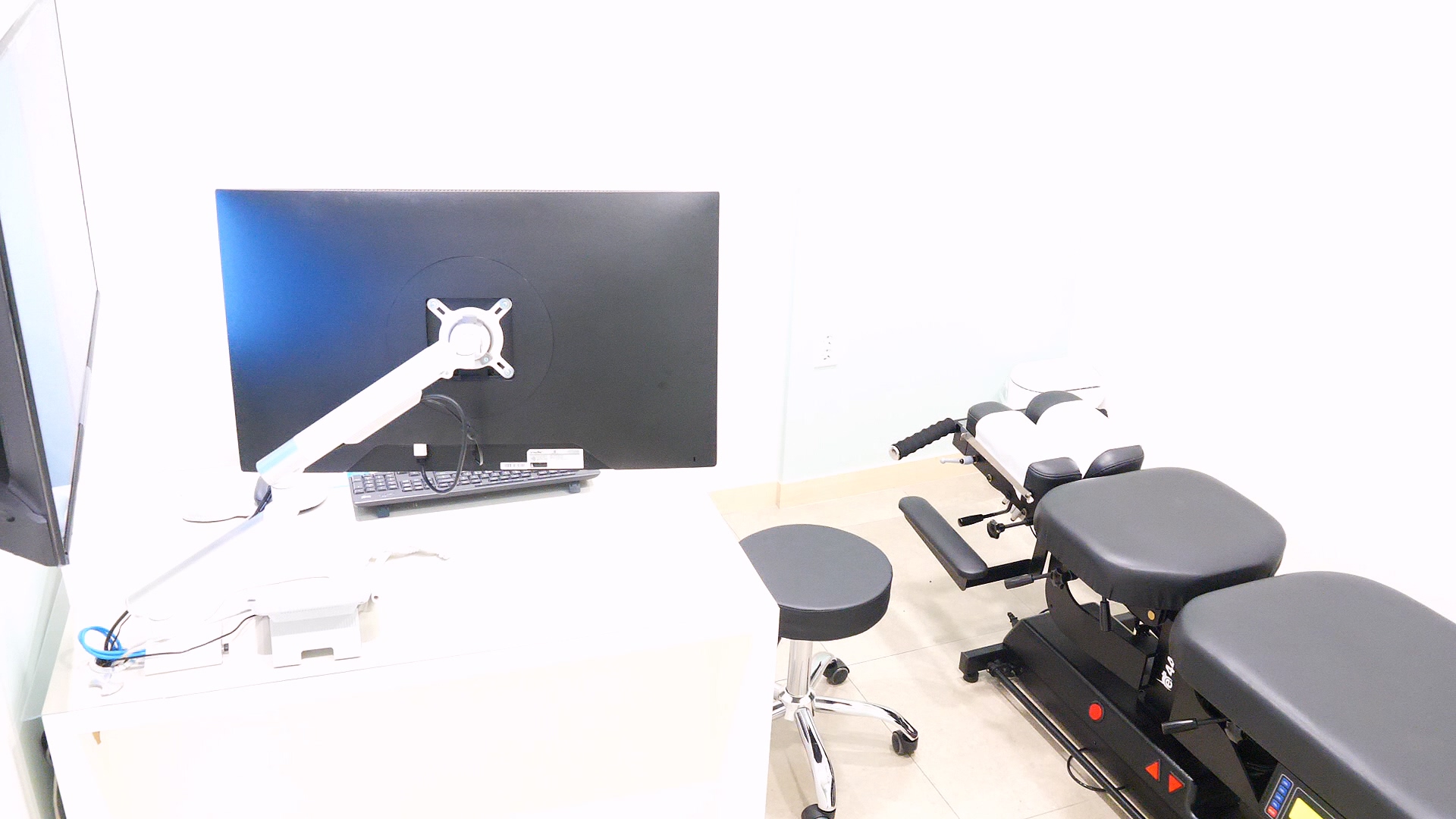
Chuna therapy is a traditional yet scientifically grounded manual procedure designed to correct spinal alignment and restore balanced joint function for enhanced physical mobility.
Understanding Chuna Therapy and Its Role in Structural Restoration
Chuna therapy is defined as a specialized manual treatment where a Korean medicine doctor uses their hands, limbs, or assistive tools to apply controlled force to a patient's musculoskeletal system. This process aims to resolve structural imbalances by realigning vertebrae and optimizing the relationship between muscles, bones, and the nervous system.
The Fundamentals of Biomechanical Alignment in Korean Medicine
In the context of traditional Korean medicine, biomechanical alignment serves as the primary pillar for maintaining overall physiological health. When the skeletal framework, particularly the spinal column, loses its optimal curvature, it creates uneven pressure on the intervertebral discs and surrounding soft tissues. This misalignment often triggers a cycle of chronic inflammation and nerve compression, which can manifest as persistent pain or restricted movement. By focusing on the restoration of these structural relationships, Chuna therapy facilitates a more efficient distribution of body weight and mechanical stress. Clinical observations suggest that correcting the pelvic tilt or cervical alignment may reduce the workload on compensatory muscle groups. This foundational shift is essential because a body in proper alignment experiences less internal friction, potentially leading to improved stamina and reduced fatigue. While many patients seek immediate relief, the fundamental goal is to establish a stable structural baseline that prevents future degenerative changes and supports long-term musculoskeletal integrity.
How Bonecure Approaches Structural Integrity for Functional Health
At Bonecure, we view structural integrity not as an isolated mechanical state but as the harmonious functioning of the entire musculoskeletal system. When we evaluate patients for structural restoration, we prioritize the alignment of the pelvis and spine as the central axis of health. Our clinical philosophy suggests that even a minor deviation in the lumbar vertebrae can create a cascade of compensatory patterns, leading to chronic tension in the neck and shoulders. By utilizing intensive and impactful manual techniques, we aim to redistribute mechanical loads that have been unfairly placed on certain joints or discs over time. This approach goes beyond mere symptom relief, focusing instead on why the structural imbalance occurred in the first place. Through this comprehensive lens, we observe how restoring balance to the skeletal frame may support the body's innate ability to heal. It is important to note that while structural restoration can be transformative, long-term stabilization often requires a personalized plan and consistent follow-up care.
Neurological Benefits and Proprioceptive Resetting Through Manipulation
Beyond simple bone alignment, Chuna therapy exerts a profound influence on the nervous system by resetting proprioceptive inputs. Proprioception is the body's internal sense of its position in space, and chronic misalignment can 'reprogram' the brain to accept an unhealthy posture as normal. During a session at Bonecure, the precise mobilization of joints provides high-velocity sensory input to the central nervous system. This stimulus may help recalibrate the Golgi tendon organs and muscle spindles, effectively 'updating' the brain's map of the body. As these neurological pathways are refreshed, many patients experience a sense of lightness or improved balance. By reducing the interference caused by subluxations, the autonomic nervous system may also find a better state of equilibrium. This neurological reset is a critical component of why many patients report functional improvements following the procedure, though individual response times may vary. However, maintaining this reset requires active patient participation in corrective exercises to reinforce the new, healthier neural patterns established during the clinical session.
The Mechanisms Behind Functional Improvement
Myofascial release within Chuna therapy is defined as the process of applying sustained pressure into myofascial connective tissue restrictions to eliminate pain and restore motion. This mechanical intervention addresses the physical adhesions that develop between muscle fibers and their surrounding sheaths after injury or long-term postural strain.
Myofascial Release and the Science of Adhesion Detachment
One of the primary reasons patients may experience relief after treatment at Bonecure is the physical detachment of fascial adhesions. Over time, chronic tension or repetitive strain causes the fascia—the connective tissue surrounding muscles—to become thick, scarred, and sticky. These adhesions restrict the sliding motion between muscle layers, leading to stiffness and decreased strength. During Chuna therapy, specific shearing forces are applied to these tissues to manually break these micro-adhesions. At Bonecure, we prioritize impactful and efficient techniques that aim for the immediate release of these restrictions. As the fascia regains its elasticity, blood flow to the area typically increases, facilitating the removal of metabolic waste products like lactic acid. While the sensation of releasing these tissues can sometimes be intense, the resulting increase in tissue pliability is a key driver of functional recovery. It is worth noting that localized soreness may occur for 24 to 48 hours as the tissues adapt to their new alignment.
Restoring Joint Range of Motion for Enhanced Physical Performance
Restoring the full range of motion (ROM) in a joint is critical for any individual looking to improve their physical performance or daily comfort. When a joint is 'locked' or restricted due to structural misalignment, the surrounding muscles must work twice as hard to produce movement, leading to premature exhaustion. Chuna therapy utilizes passive stretching and joint mobilization to expand the functional boundaries of restricted joints. By gently moving the joint through its natural physiological barriers, a Korean medicine doctor can help restore the glide and roll mechanics necessary for fluid motion. At Bonecure, we often see that improving the ROM in the hip or ankle can have positive ripple effects up the entire kinetic chain, even relieving pressure on the lower back. Increased joint mobility not only makes movement easier but also reduces the risk of acute strains during physical activity. Every patient's baseline ROM is different, and the degree of improvement often depends on the chronicity of the underlying structural issues.
Synergistic Integration of Acupuncture for Back Pain and Manual Therapy
In many clinical cases, combining Chuna therapy with other modalities provides a more comprehensive approach to recovery. For instance, Acupuncture for Back Pain can be used to relax deep-seated muscular trigger points before the structural manipulation begins. This synergy is a hallmark of the care provided at Bonecure, where we recognize that the skeletal and muscular systems are inextricably linked. While Chuna focuses on the skeletal alignment, acupuncture targets the bioelectrical and chemical environment of the soft tissues. By reducing the overall level of muscle guarding, the skeletal adjustments can be performed more smoothly and with less force. Integrating these therapies allows for a targeted treatment that addresses both the 'hardware' of the bones and the 'software' of the nervous and muscular systems. Patients should be aware that such integrated treatments may require slightly longer session times and individual responses may vary.
Comparing Structural Treatments for Chronic Pain Management
Comparative structural care is defined as the analysis of various manual and physical interventions to determine the most appropriate approach for a patient's unique biomechanical needs. Understanding the differences between Chuna, chiropractic, and standard physical therapy is essential for making an informed healthcare decision.
| Feature | Chuna Therapy (Korean Medicine) | Chiropractic Care | Modern Physical Therapy |
|---|---|---|---|
| Core Philosophy | Balancing Qi and Structural Alignment | Correcting Spinal Subluxation | Functional Movement & Exercise |
| Technique | Impactful Manipulation + Soft Tissue | High-Velocity Adjustments | Exercise + Modalities (Heat/US) |
| Integration | Combined with Acupuncture/Herbs | Primarily Spinal Focus | Focused on Rehabilitation |
| Provider | Korean Medicine Doctor | Doctor of Chiropractic | Physical Therapist |
Chuna Therapy vs. Chiropractic Care: Key Differences in Methodology
While both Chuna therapy and chiropractic care involve manual manipulation of the spine, their underlying methodologies and scopes differ significantly. Chiropractic care traditionally focuses heavily on the 'adjustment'—a quick, forceful move to realign the vertebrae and improve nervous system function. In contrast, Chuna therapy, as practiced at Bonecure, incorporates a range of intensive soft tissue mobilization and rhythmic stretching alongside the skeletal adjustments. Furthermore, Chuna is deeply rooted in the holistic framework of Korean medicine, where structural health is linked to the balance of internal systems. This means a Chuna practitioner might address a digestive issue by working on the mid-back, recognizing the visceral-somatic connections. Additionally, Chuna practitioners at Bonecure utilize focused and impactful techniques aiming for immediate release, which is designed for those seeking efficient and perceptible changes in their structural alignment. Both methods have merit, but Chuna offers a unique blend of structural and systemic focus.
A Comparative Look at Traditional Medicine and Modern Physical Therapy
Modern physical therapy (PT) and traditional Chuna therapy often share the goal of improving function, but they approach it from different angles. Physical therapy typically emphasizes active rehabilitation, where the patient performs specific exercises to strengthen weak muscles and improve coordination. Chuna therapy is more of a 'passive-active' hybrid, where the doctor performs manual work to create the structural space necessary for movement to occur. At Bonecure, we believe that for many chronic cases, manual intervention can be a valuable first step, as structural improvements through Chuna therapy may enhance the efficiency and reach of subsequent exercise-based rehabilitation. Once the structural barriers are removed via Chuna, the therapeutic exercises prescribed in PT can become significantly more effective. Traditional medicine also places a high value on the doctor-patient manual contact, providing a therapeutic benefit beyond just mechanical change. By understanding these differences, patients can better appreciate how Chuna serves as a powerful tool for immediate structural change, while PT serves as a vital component for long-term functional maintenance.
Why Multi-Modal Oriental Medicine for Chronic Pain Offers Unique Benefits
Choosing Oriental Medicine for Chronic Pain provides access to a multi-modal system that addresses the multi-faceted nature of pain. Chronic pain is rarely just a physical issue; it involves neurological sensitization and metabolic imbalances. Chuna therapy at Bonecure is rarely used in isolation; it is part of a larger toolkit that includes herbal medicine, moxibustion, and specialized acupotomy. This comprehensive approach ensures that while the structural misalignment is being corrected, the underlying inflammatory environment is also being managed. For example, if a patient has chronic lower back pain, the structural adjustment handles the mechanical pressure, while herbal prescriptions may help improve local circulation and tissue repair. This layering of treatments creates a synergistic effect. Research into integrative medicine suggests that addressing both the structure and the biochemical environment leads to improved functional outcomes. However, it is essential to undergo a thorough evaluation to determine the most effective combination of therapies for your specific condition.
Clinical Evidence and the Importance of Patient Safety
Evidence-based outcomes in manual therapy are defined as measurable improvements in a patient's condition, verified through objective diagnostic tools such as X-rays, range-of-motion tests, and validated functional pain scales. At Bonecure, we prioritize tracking these metrics to ensure that every structural intervention is moving the patient toward quantifiable recovery.
Evidence Based Outcomes: From X-ray Alignment to Functional Scoring
Objective data is at the heart of the clinical practice at Bonecure. We often utilize Whole Spine X-rays to visualize the actual changes in vertebral alignment before and after a series of treatments. Beyond imaging, we employ validated tools like the Visual Analog Scale (VAS) for pain. In our clinical observations, we have seen significant shifts in these scores. For instance, in a documented case involving a patient with severe structural imbalances and tinnitus, we observed a significant improvement in subjective symptom scores where the tinnitus rating was reduced from 54 to 2 after a dedicated course of treatment. It is important to clarify that these results were specific to that patient's case and do not guarantee the same outcome for everyone. By using these objective metrics, we can adjust the treatment plan in real-time, ensuring that the pressure and techniques used are providing the intended biomechanical shift.
Case Study Insights: Functional Recovery in Spinal Curvature Patients
Case studies provide valuable insights into how structural restoration works in real-world scenarios. I have presented several case reports, including one focused on patients with significant spinal curvature abnormalities. In cases involving spinal curvature abnormalities, Chuna therapy is utilized to assist in structural alignment. For instance, patients with scoliosis-like symptoms may undergo a series of targeted sessions to help improve spinal angles and reduce daily discomfort, though results depend on the individual's condition. These examples highlight the potential for structural work to impact seemingly unrelated symptoms. However, it must be emphasized that these are individual case reports. The results should be interpreted as possibilities within a clinical setting, as individual responses to Chuna therapy vary based on age, lifestyle, and the severity of the structural degradation. Consulting with a professional like Dr. Song Jeong-hyeon is necessary to understand your specific prognosis.
Understanding Potential Side Effects and the Necessity of Professional Consultation
While Chuna therapy is generally considered safe when performed by a qualified Korean medicine doctor, it is not without potential side effects. The most common reaction is temporary post-treatment soreness, which many patients describe as feeling similar to the muscle ache after an intense workout. This is typically a sign that the body is adapting to new structural positions. When utilizing acupotomy (specialized needle-knife therapy) for adhesion release, common side effects include localized pain, minor bleeding, or bruising at the site, with a very rare risk of infection. It is crucial to disclose your full medical history, including any history of osteoporosis or recent fractures, during your consultation at Bonecure. We take these factors into account to modify the intensity of the mobilization. Professional consultation ensures that the risks are minimized and that the chosen technique is the safest option for your unique structural needs.
Maximizing Recovery through Holistic Korean Traditional Medicine
Holistic Korean medicine is defined as a healthcare approach that treats the individual as an integrated whole, focusing on the dynamic relationship between the body’s physical structure and its internal physiological functions to promote sustainable health.
The Role of Moxibustion Therapy in Supporting Tissue Regeneration
Moxibustion is a traditional heat therapy that involves burning dried mugwort near specific points on the body to stimulate circulation and promote healing. When integrated with Chuna therapy at Bonecure, moxibustion serves to warm the deep tissues, making them more pliable and receptive to structural adjustment. The infrared heat generated by moxibustion can penetrate deep into the muscles and ligaments, potentially accelerating the repair of micro-tears and reducing chronic inflammation. While it is a supportive therapy, its role in enhancing the overall comfort and effectiveness of structural work is significant. Patients should be aware that while the heat is generally soothing, the smoke and scent are characteristic of this traditional treatment, and it should only be performed in a professional setting. Results may vary depending on the patient's constitution.
Enhancing Detoxification and Circulation with Cupping Therapy in Seoul
For those seeking Cupping Therapy in Seoul, it is often performed alongside Chuna to address the 'stagnation' that accompanies chronic structural issues. Cupping involves creating a vacuum on the skin's surface, which pulls the underlying soft tissue upward. This action helps to decompress the fascia and draw fresh blood into areas where circulation has been restricted. At Bonecure, we use cupping to assist in the detoxification process, helping the body clear out metabolic byproducts. The characteristic circular marks left by cupping are a result of this increased blood flow and typically fade within a week. While the primary goal of Chuna is to push and align, cupping provides a complementary 'pulling' force that further helps in releasing deep-seated adhesions. This combination is particularly effective for those with Acupuncture for Sports Injuries Seoul needs. As with all treatments, the intensity of cupping is adjusted based on the patient's skin sensitivity.
Maintenance Strategies: Posture Correction for Long Term Vitality
Immediate functional improvement is a wonderful start, but long-term vitality depends on maintenance and proactive posture correction. After a session at Bonecure, we often provide patients with specific 'homework'—small adjustments to their daily habits that prevent the recurrence of structural imbalances. This might include ergonomic changes to a workspace or specific stretching routines designed to keep the newly aligned joints mobile. Consistency is the key to ensuring that the body does not simply slide back into its old, painful patterns. Long-term vitality is not about a single 'fix' but about developing a lifestyle that supports the structural integrity of the spine. We recommend periodic check-ups, especially for those in high-stress or sedentary jobs, to catch minor misalignments before they develop into chronic pain. By combining professional Chuna therapy with dedicated personal maintenance, patients can enjoy the lasting benefits of a balanced and resilient body.
Frequently Asked Questions
Q. What exactly is Chuna therapy and how does it differ from massage?
Chuna therapy is a professional medical procedure performed by a Korean medicine doctor to correct spinal alignment and joint function. Unlike a general massage focused on muscle relaxation, Chuna involves specific, impactful maneuvers to realign the skeletal structure and improve nerve flow. At Bonecure, we focus on identifying and correcting the root causes of pain through intensive structural work.
Q. Is the improvement after Chuna therapy permanent?
While many patients experience immediate functional relief, long-term results depend on the severity of the condition and adherence to posture correction. Chronic cases often require a series of treatments to stabilize the structural changes. Results vary by individual, and maintenance is often necessary for lasting stability.
Q. Does Chuna therapy hurt during or after the procedure?
Some patients may feel pressure or a temporary dull ache as adhesions are released and joints are realigned. Post-treatment soreness, similar to the feeling after an intense workout, is possible but typically subsides within 24 to 48 hours. Most patients find the relief following the session far outweighs the temporary discomfort.
Q. Can I receive Chuna therapy if I have a herniated disc?
Yes, Chuna therapy can be effective for managing disc-related pain by reducing pressure on the nerves. However, a detailed consultation at Bonecure is necessary to determine the safest and most effective technique for your specific condition. We use modified mobilization techniques for acute disc issues to ensure safety.
Q. How much does Chuna therapy cost at a Korean medicine clinic in Cheongdam?
The cost can vary based on the complexity of the treatment and whether it is combined with other modalities like acupotomy or moxibustion. We recommend a consultation for a personalized plan and pricing. In Korea, Chuna therapy for certain musculoskeletal conditions may be covered under national health insurance limits.
Q. Are there any side effects I should be aware of?
Potential side effects include temporary fatigue, localized soreness, or minor bruising. When acupotomy is performed, localized pain and minor bleeding may occur. Serious complications are rare when performed by an experienced practitioner like Director Song Jeong-hyun. We conduct a thorough screening before beginning treatment.
Q. How many sessions are typically required to see significant results?
While patients often feel an immediate difference, chronic structural issues often require a course of 10 to 20 sessions for lasting stability. Every patient's recovery timeline is unique and will be discussed during your initial evaluation. We focus on achieving measurable improvements in both pain levels and physical function.
Key Takeaways
- Structural Focus: Chuna therapy at Bonecure targets the root cause of pain by realigning the skeletal framework through intensive and impactful techniques.
- Immediate Release: Mechanisms such as myofascial release and proprioceptive resetting contribute to functional improvements and increased range of motion.
- Objective Metrics: Clinical outcomes are tracked through measures like X-rays and symptom scores, such as the documented case of a tinnitus score reduction from 54 to 2.
- Holistic Synergy: Integrating Chuna with acupotomy and moxibustion provides a comprehensive approach to both mechanical and physiological health.
- Individualized Care: Professional consultation is essential to tailor treatment, as results vary and side effects like temporary soreness may occur.
For personalized structural restoration and to experience the science of functional recovery, please contact us for a consultation.
Bonecure / Director Song Jeong-hyun
FAQ
- What exactly is Chuna therapy and how does it differ from massage?
- Chuna therapy is a professional medical procedure performed by a Korean medicine doctor to correct spinal alignment and joint function. Unlike a general massage focused on muscle relaxation, Chuna involves specific maneuvers to realign the skeletal structure and improve nerve flow. It is a targeted intervention for structural health rather than just relaxation.
- Is the improvement after Chuna therapy permanent?
- While many patients experience immediate functional relief, long-term results depend on the severity of the condition and adherence to posture correction. Chronic cases often require a series of treatments to stabilize the structural changes. Results may vary by individual, and maintenance is often necessary for lasting stability.
- Does Chuna therapy hurt during or after the procedure?
- Some patients may feel mild pressure or a temporary dull ache as adhesions are released and joints are realigned. Post-treatment soreness, similar to the feeling after a workout, is possible but typically subsides within 24 to 48 hours. Most patients find the relief following the session far outweighs the temporary discomfort.
- Can I receive Chuna therapy if I have a herniated disc?
- Yes, Chuna therapy can be highly effective for managing disc-related pain by reducing pressure on the nerves. However, a detailed consultation and imaging review at Bonecure are necessary to determine the safest and most effective technique for your specific condition. We use gentle mobilization techniques for acute disc issues to ensure patient safety.
- How much does Chuna therapy cost at a Korean medicine clinic in Cheongdam?
- The cost of Chuna therapy can vary based on the complexity of the treatment and whether it is combined with other modalities like acupuncture or moxibustion. We recommend a consultation for a personalized treatment plan and detailed pricing information. In Korea, Chuna therapy for certain musculoskeletal conditions may be covered under national health insurance limits.
- Are there any side effects I should be aware of?
- Potential side effects include temporary fatigue, localized soreness, or minor bruising if cupping is performed simultaneously. Serious complications are rare when performed by an experienced practitioner like Director Song Jeong-hyun. We always conduct a thorough screening to identify any contraindications before beginning treatment.
- How many sessions are typically required to see significant results?
- Acute pain may improve in 1 to 3 sessions, but chronic structural issues often require 10 to 20 sessions for lasting stability. Every patient's recovery timeline is unique and will be discussed during your initial evaluation. We focus on achieving measurable improvements in both pain levels and physical function throughout the treatment course.