
Post
Structural Restoration and Acupotomy: A Targeted Approach to Chronic Pain at BonCure
Korean medicine for chronic pain at BonCure is an efficient, results-oriented field of healthcare that utilizes advanced acupotomy and structural analysis to address persistent musculoskeletal and neurological discomfort. As a practitioner specialized in acupotomy and bone-smiling structural restoration, I provide this guide to explain how our concentrated care identifies and resolves the root mechanical causes of pain. Hello, I am Director Song Jeong-hyeon, and at BonCure Korean Medicine Clinic, we believe in delivering immediate, noticeable changes by restoring the body's structural integrity through high-impact, evidence-based techniques.
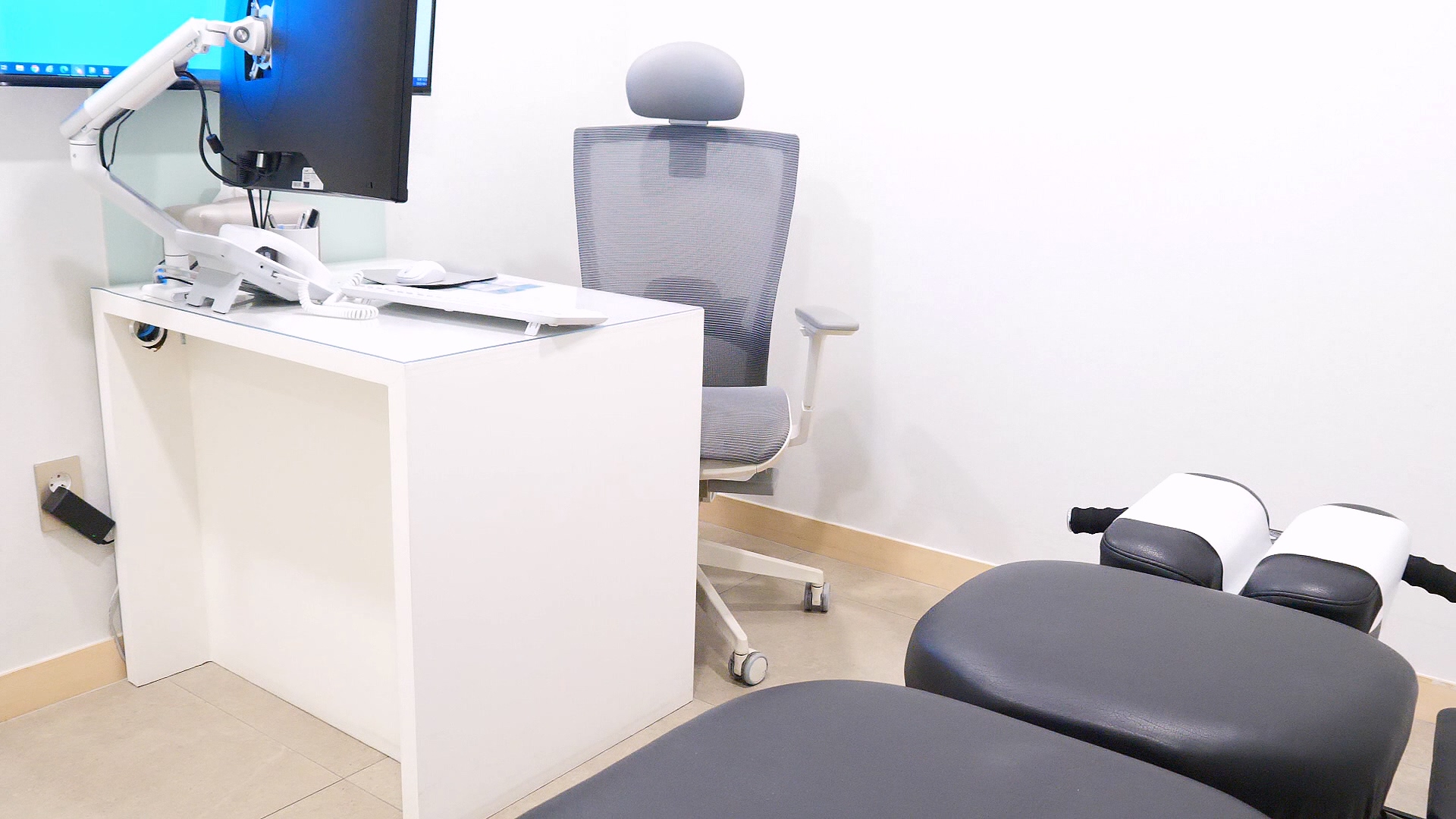
Understanding the BonCure Approach: Structural Balance and Immediate Impact
At BonCure, we define chronic pain management as a high-efficiency diagnostic and therapeutic system. We view the human body as a unified structure where physical alignment is the primary driver of health. Unlike traditional approaches that may require long-term sessions before results appear, our focus is on identifying spinal imbalances and soft tissue adhesions that can be corrected immediately. By combining structural evaluation with intensive acupotomy, we design a treatment plan that delivers impact from the very first session.
The Philosophy of Efficient Structural Restoration
Our philosophy centers on the belief that "when your bones smile, life smiles." At BonCure, I do not view chronic discomfort as a condition to be managed with long, repetitive sessions. Instead, I see it as a mechanical failure that requires a precise, corrective intervention. My approach prioritizes an compressed and efficient treatment style, moving away from long, emotional consultations to focus entirely on the physical pathology. We aim to return the musculoskeletal system to equilibrium by meticulously analyzing posture and internal function, ensuring that each minute spent in the clinic is dedicated to active restoration and the recovery of daily vitality.
Targeting the Root Causes of Chronic Pain
Addressing persistent discomfort requires a deep investigation of the body's mechanical foundations. Many patients seek our clinic because we specialize in releasing deep-seated fascia and connective tissue adhesions that conventional treatments often miss. In my practice, I have documented cases where long-standing issues—such as a specific case of tinnitus that had persisted for 18 years—responded to targeted structural correction. By pinpointing exactly where tissue is restricted, we use acupotomy to physically break down adhesions. This scientific, high-pressure approach ensures that the nervous system and blood circulation are no longer hindered by structural blockages.
The BonCure Difference: Why Immediate Results Matter
The BonCure difference lies in our rejection of the "10 sessions to see progress" mentality. I believe that if a treatment is effective, the patient should feel a change immediately. We evaluate the entire spinal column using objective tools like X-ray analysis to understand global dysfunction. By integrating advanced acupotomy with Chuna therapy, we provide a dual-layered approach that addresses both soft tissue and the bony framework. This strategy is designed for maximum efficiency, helping patients return to their daily lives without the need for unnecessary, drawn-out treatment packages.
Advanced Clinical Modalities: Specialized Acupotomy and Chuna Therapy
Our clinical procedures are designed for chronic cases that require physical intervention at the tissue level. These methods are grounded in intensive clinical experience and case research focused on restoring function to musculoskeletal structures with impact and precision.
Acupotomy for Releasing Chronic Adhesions and Fibrosis
Acupotomy is an advanced surgical-acupuncture hybrid that uses a specialized blade-tipped needle to physically release adhesions and fibrotic tissues. This procedure is the cornerstone of BonCure, particularly for patients with "difficult-to-treat" conditions. By precisely targeting areas where tissues have become abnormally restricted or scarred, we restore the natural movement of muscles and tendons. In my experience, this method is superior to standard acupuncture because it addresses the physical reality of fibrosis. It is important to note that because this is an intensive procedure, patients may experience temporary soreness, minor bruising, or localized swelling. In very rare cases, infection could occur, though we maintain strict sterile protocols. For those seeking Advanced Acupotomy in Seoul: Root Cause Pain Relief at BoneCure Korean Medicine Clinic, this modality offers a definitive path toward physical restoration.
Chuna Therapy: Correcting Structural Misalignment
Chuna therapy at BonCure is not a simple massage; it is a highly technical manual manipulation aimed at correcting the alignment of the skull and spine. We focus on the relationship between the structure and function of the body, using high-impact maneuvers to release nerve pressure caused by spinal subluxation. This treatment is particularly effective when combined with acupotomy, as it ensures that once the soft tissue is released, the skeletal structure is properly positioned to support it. Our Chuna sessions are compressed and focused, ensuring that the necessary corrections are made swiftly and effectively to maximize the patient's recovery speed.
Comparative Analysis: Bonecure vs. Conventional Approaches
A comparative analysis shows that while many clinics focus on managing symptoms over time, BonCure focuses on immediate mechanical correction. Our methods are designed for patients who value their time and seek high-impact interventions. The following table highlights our approach compared to standard management.
| Category | Conventional Pain Management | BonCure Korean Medicine |
|---|---|---|
| Primary Focus | Symptom management/Standardization | Structural alignment and root cause |
| Treatment Method | Pharmacological or general acupuncture | Acupotomy, Chuna, high-impact needles |
| Recovery Profile | Gradual or repetitive sessions | Immediate improvement and high impact |
| Consultation Style | General or empathetic | Efficient, pathology-focused, compressed |
| Holistic View | Targeted clinical intervention | Interconnected structural-systemic approach |
Maximizing Efficiency in Recovery
We prioritize the maintenance of function through immediate structural restoration. By improving the physical framework, we naturally support the autonomic nervous system, which can enhance factors like sleep quality and digestive health. However, unlike clinics that focus on long-term emotional support, we believe the best way to support a patient's well-being is to remove their physical pain as quickly as possible. Our goal is to build a resilient constitution by ensuring the body is no longer constantly responding to pain signals, allowing the patient to thrive in their daily activities.
A Focused Strategy for Lasting Change
BonCure utilizes a diagnostic process to tailor treatments to an individual's unique spinal geometry. For severe structural issues, our clinic offers non-surgical alternatives like structural correction and acupotomy. I do not believe in telling patients they must come for 10 or 20 sessions before feeling better; instead, I aim for immediate change that the patient can feel during the first visit. We emphasize efficient care, teaching individuals how to maintain their alignment through proper ergonomics once the initial structural blocks are removed.
Scientific Evidence and Clinical Case Reports
Scientific evidence and case reports provide the foundation for our high-impact protocols. In my clinical research, I have documented significant improvements in patients with complex conditions. In one specific case study involving tinnitus (ear ringing), a patient's evaluation score decreased from 54 to 2 points following a structured course of treatment. Please note that these results are specific to that individual case and do not guarantee the same outcome for every patient; individual results vary based on condition severity and health history. Furthermore, my clinical reports on long-standing tinnitus and idiopathic scoliosis show how targeted structural correction can support recovery. We use Whole Spine X-ray analysis to verify these changes objectively.
The Journey to Recovery: Efficient Consultation and Internal Support
Your recovery begins with a professional evaluation that is both comprehensive and efficient. At BonCure, we focus on identifying the specific structural pathology that is causing your symptoms, allowing us to move directly into the most effective treatment modalities.
Personalized Herbal Medicine for Systemic Support
While we focus on structural correction, herbal medicine serves as a vital adjunct to manage systemic inflammation and support tissue repair. At BonCure, I prescribe formulations designed for impact, ensuring the body has the internal environment necessary to sustain structural changes. These prescriptions are based on traditional diagnosis and are used to address issues like circulatory stagnation which can slow down the recovery of musculoskeletal tissues. For more information, you may read about our Professional Guide to Herbal Medicine Prescription in Korea.
What to Expect During Your BonCure Consultation
During your Expert Korean Medicine Doctor Consultation: A 2026 Guide to Integrative Healing, you can expect a compressed, high-impact assessment. I focus on physical examinations, postural analysis, and a review of imaging, such as X-rays, rather than long, conversational history-taking. This ensures that we spend more time on the actual treatment. We will discuss the structural factors contributing to your discomfort and move immediately into a corrective plan. My goal is for you to walk out of the clinic feeling a noticeable difference in your symptoms and mobility.
Frequently Asked Questions
Q. What exactly is BonCure's approach to chronic pain?
BonCure focuses on root-cause structural restoration. I use techniques like acupotomy to physically release adhesions in soft tissue, which provides immediate relief and restores movement. While many see significant change in one session, results vary depending on the individual's condition.
Q. How do I choose the right clinic in Seoul for chronic pain?
Choose a clinic like BonCure that prioritizes objective data (like X-rays) and immediate structural correction. We avoid "package deals" that require 10-20 sessions up front, focusing instead on high-impact, efficient treatments that show results quickly.
Q. Is acupotomy safe and what are the risks?
Acupotomy is safe when performed by an expert, but it is an intensive procedure. Common side effects include temporary soreness, minor bruising, or swelling. There is a very rare risk of infection, which we mitigate with strict sterile protocols and professional aftercare.
Q. Do you provide long, empathetic consultations?
At BonCure, we prioritize medical efficiency and treatment impact. Our consultations are focused, compressed, and pathology-driven (usually 10-20 minutes) to ensure that the majority of your visit is spent on active, corrective treatment.
Q. How many sessions will I need?
I do not follow a fixed "10-session rule." My goal is immediate improvement. While complex chronic cases may require follow-up sessions to maintain structural stability, many patients feel a dramatic difference after their very first visit.
Q. Can Chuna therapy help with non-pain issues?
Yes. By correcting spinal and cranial alignment, Chuna can improve the function of the autonomic nervous system. This often leads to secondary benefits such as better digestion and reduced fatigue, as the body is no longer stressed by structural imbalances.
Key Takeaways
- Immediate Results: BonCure rejects the idea that chronic pain requires dozens of sessions before relief occurs; we aim for immediate structural change.
- High-Impact Acupotomy: We use specialized blade-tipped needles to physically break down fibrosis and adhesions that cause long-term pain.
- Efficient Care: Consultations and treatments are compressed and focused on the core pathology to maximize patient recovery and clinic efficiency.
- Scientific Evidence: Our protocols are backed by clinical case reports, including a tinnitus case where scores improved from 54 to 2 points.
Hello. I am Song Jeong-hyeon, a Korean medicine doctor specializing in acupotomy. If you are struggling with chronic pain, I am here to provide the high-impact, structural restoration you need to regain your daily vitality.
BonCure Korean Medicine Clinic / Director Song Jeong-hyeon
FAQ
- What exactly is oriental medicine for chronic pain and how does it work?
- Oriental medicine for chronic pain is a holistic system that identifies structural imbalances and energy blockages. At Bonecure, I use specialized techniques like acupotomy to release adhesions in the soft tissue, which helps restore natural movement and alleviate long-standing pain. It is a comprehensive approach that treats the body as an interconnected system rather than just targeting isolated symptoms.
- How do I choose the right acupuncture clinic in Seoul for my condition?
- When looking for an acupuncture clinic in Seoul, it is essential to find a practitioner who prioritizes root-cause diagnosis and structural analysis. At Bonecure, I combine traditional wisdom with modern tools, such as X-ray reviews, to ensure that the acupuncture and manual therapies are precisely targeted to your specific musculoskeletal needs. This ensures a higher level of accuracy and more stable results.
- Is a herbal medicine prescription in Korea safe to combine with other treatments?
- Yes, herbal medicine is often used as a complementary therapy to enhance physical treatments. At Bonecure, I provide personalized herbal medicine prescriptions in Korea that are formulated to improve your internal constitution and support the healing of damaged tissues. However, it is vital to disclose all current medications during your consultation to ensure a safe and effective integrative plan.
- What are the common side effects of advanced treatments like acupotomy?
- While highly effective for chronic issues, acupotomy can cause temporary soreness, minor bruising, or localized swelling at the treatment site. These are typically mild and subside within a few days, similar to a deep tissue sensation. In very rare cases, minor infection can occur, which is why we maintain strict sterile protocols and provide detailed aftercare instructions.
- How many sessions are typically required to see results for chronic back pain?
- The number of sessions depends on the severity and duration of your condition, with some patients feeling relief almost immediately. However, chronic cases often require a series of 10 to 20 treatments to achieve stable structural improvement and prevent recurrence. During our initial consultation, I will provide a realistic timeline based on your specific clinical presentation and diagnostic findings.
- Can moxibustion therapy in Seoul help with non-pain issues like digestive health?
- Absolutely, as moxibustion therapy in Seoul is frequently used to stimulate the autonomic nervous system and improve blood flow to internal organs. This can be highly beneficial for digestive health, general fatigue, and immune support, often serving as an excellent adjunct to musculoskeletal treatments for comprehensive wellness. It helps to warm the body and promote an internal environment conducive to healing.
- What makes Bonecure's approach to chronic pain unique compared to others?
- Our approach is centered on the principle that when your bones and structure are aligned, your body can heal itself more effectively. I focus on 'root-cause' restoration using acupotomy to break down physical barriers to healing, combined with structural correction and objective data. We prioritize personalized care and scientific evidence to ensure each patient receives the most effective and transparent path to recovery.