
Post
Expert Korean Medicine Doctor Consultation: A 2026 Guide to Integrative Healing
Hello. I am Dr. Jeong-hyeon Song, a Korean medicine practitioner who has specialized in acupotomy and structural restoration for many years. A professional Korean medicine doctor consultation is a systematic clinical assessment that identifies the root causes of pain and systemic imbalance through a synthesis of traditional diagnostic wisdom and modern anatomical science.
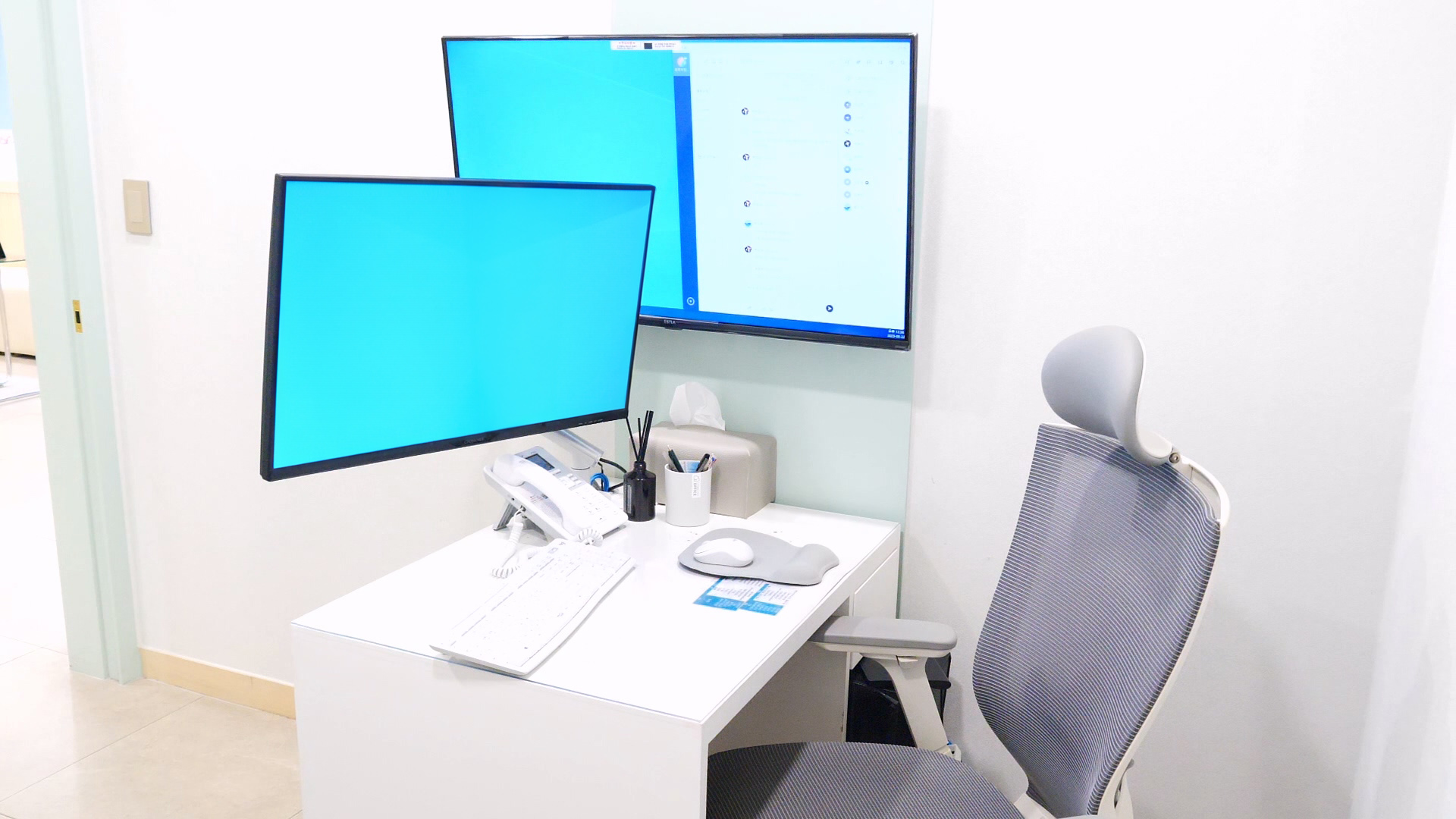
This clinical assessment serves as an impactful first step toward identifying structural causes, focusing on immediate improvement rather than temporary relief.
Understanding the Scope of a Korean Medicine Doctor Consultation
A professional consultation in this field is defined as an efficient diagnostic process that evaluates a patient's physical structure, internal physiological state, and lifestyle factors to pinpoint the origin of disease. By utilizing a holistic lens, the practitioner ensures that critical aspects of the individual's health are addressed before a treatment plan is initiated.
The Role of a Licensed Korean Medicine Practitioner
In the modern healthcare landscape, a licensed practitioner of Korean medicine serves as a bridge between ancient wisdom and contemporary clinical rigor. At BonCure Korean Medicine Clinic, I act as a structural architect for the body, identifying where internal systems have become stagnant or where physical misalignments are causing systemic distress. This role extends beyond simply inserting needles. It involves a deep understanding of anatomy and the interactions between the nervous system and physical health. By focusing on the body's structure—the bones and spine—the doctor facilitates a healing process that aims for immediate and sustainable restoration. Patients benefit from a clinician who views their health journey as a collaborative effort, ensuring that every therapeutic intervention is grounded in professional expertise. Individual results may vary based on health status.
Scientific Assessment and Structural Diagnosis
Modern consultations incorporate objective metrics and advanced imaging to validate traditional diagnostic findings. At BonCure, I utilize digital spinal analysis and analyze whole-spine X-ray imaging—obtained through our close collaboration with partner medical institutions like Harrison Hospital—to observe the physical alignment of the vertebrae. This scientific approach allows for the quantification of postural distortions, moving beyond subjective feelings of discomfort to measurable data points. By comparing these images with ideal structural models, I explain the progression of a patient's condition with clarity and precision. Instead of prescribing a generic number of sessions, I focus on identifying the specific structural blocks that, once released, allow the patient to feel an immediate change in their mobility and pain levels. By combining structural analysis with a deep understanding of patient pathology, we empower individuals to recognize the root of their discomfort.
Integrating Traditional Wisdom with Modern Clinical Evidence
The integration of traditional wisdom with modern evidence involves the application of centuries-old diagnostic techniques within a framework of current clinical research. This dual approach allows the practitioner to detect subtle systemic imbalances, such as those found in autonomic nervous system dysfunction or non-atypical Parkinsonism. Research into the efficacy of these methods demonstrates the impact of combining diverse medical traditions. At BonCure, we prioritize this integrative model to ensure that patients receive compressed and impactful care. By valuing both empirical evidence and technological advancements, we can offer solutions for complex conditions like spasmodic torticollis or 'Baeryeoljeung' (dorsal burning sensation). This synthesis of knowledge leads to more informed decisions and a deeper commitment to the recovery process.
Core Therapies Offered at a Modern Acupuncture Clinic Seoul
Core therapies in a modern clinic refer to a suite of evidence-based interventions designed to address both structural deformities and internal physiological imbalances. These methods utilize specialized tools and manual techniques to restore the body’s innate healing capacity.
Acupotomy for Tissue Regeneration and Adhesion Release
Acupotomy is a specialized therapeutic technique that employs a blade-tipped needle to physically release adhesions in soft tissues and promote regeneration. This procedure is particularly effective for chronic conditions where muscles and fascia have become 'glued' together through long-term inflammation. By creating micro-traumas in these hardened areas, acupotomy triggers a localized healing response. At BonCure, this treatment is a cornerstone for patients dealing with stubborn pain. It requires high anatomical precision to ensure efficacy. Common side effects of acupotomy include temporary pain at the site, minor bruising, and in rare cases, temporary bleeding or infection. This method represents a specialized approach in integrative medicine, combining mechanical precision with the minimally invasive nature of acupuncture. Patients often find that this deep-tissue release provides the foundation for immediate improvement.
Chuna Manual Therapy for Structural Alignment
Chuna manual therapy is a sophisticated form of structural manipulation where the practitioner uses their hands to realign the musculoskeletal system. This therapy focuses on correcting imbalances in the spine and jaw joints (TMJ) that may be impinging on nerves. Unlike generic massage, Chuna is a clinical intervention informed by the patient's X-ray data and physical assessment. At BonCure, I emphasize that when the structure is corrected, the patient's symptoms should show an immediate response. This proactive approach to spinal health not only relieves current discomfort but also enhances the body’s resilience against future injury, allowing patients to enjoy a more active lifestyle. While I do not fix a set number of sessions like '10 visits to see results,' the goal is always to make the patient feel the difference from the very first session, although progress depends on individual response.
Customized Herbal Medicine for Internal Balance
Customized herbal medicine involves formulating specific botanical prescriptions tailored to an individual's unique constitution. These formulas are designed to regulate internal organs and reduce systemic inflammation, providing the internal support necessary for structural therapies to succeed. In Korea, the tradition of herbal prescription is highly regulated. A thorough consultation ensures that the herbs selected do not interfere with existing Western medications. For those seeking Herbal Medicine Prescription Korea, the focus is on achieving internal harmony that facilitates the healing of musculoskeletal tissues. By addressing the biochemical environment of the body, herbal medicine ensures that the recovery process is supported from the inside out, leading to more stable health outcomes.
Comparative Analysis: Conventional vs Integrative BonCure Consultation
Understanding the distinctions between symptom-focused medical approaches and root-cause strategies helps patients choose a path that aligns with their long-term health goals.
| Feature | Conventional Consultation | BonCure Consultation |
|---|---|---|
| Primary Focus | Symptom suppression | Root cause and structural alignment |
| Diagnostic Tools | Blood tests, basic imaging | Referral X-ray analysis, Structural assessment |
| Treatment Method | Medication, standard PT | Acupotomy, Chuna, Herbal medicine |
| Consultation Style | General / Varying length | Efficient, compressed, and impactful |
| Results | Gradual management | Focus on immediate felt improvement |
Focus on Root Cause vs Symptomatic Relief
The fundamental difference in an integrative consultation lies in its commitment to uncovering the underlying cause rather than simply masking symptoms. For example, while a conventional approach to back pain might involve painkillers, we investigate whether the pain stems from cervical misalignment or chronic muscle adhesions. By identifying the origin, treatment can be directed at the source. This approach is particularly beneficial for chronic conditions like Parkinsonism or autonomic nerve issues. Specific case reports in my practice illustrate the potential of addressing the root cause; however, such results are case-specific and do not guarantee similar outcomes for all patients. Root-cause therapy aims for long-term stability by addressing underlying factors, though it does not guarantee a total prevention of recurrence as individual factors vary.
Long term Vitality and Bone Health Alignment
Achieving long-term vitality requires a consistent focus on the health of the skeletal system. A consultation that prioritizes bone health alignment ensures that the body’s framework is capable of supporting an active lifestyle. Proper alignment reduces the wear and tear on joints. At BonCure, we believe that 'when the bones smile, life smiles.' This structural integrity is the foundation for energy and mobility. By utilizing therapies like Chuna and acupotomy, we help patients restore this balance. It is important to note that results vary significantly based on an individual's condition. However, for many, the journey toward structural alignment leads to physical freedom. Investing in the health of your spine today is a vital way to ensure you remain vibrant.
Specialized Treatment for Chronic Conditions and Digestive Health
Specialized treatments are targeted clinical protocols developed to manage complex issues that have not responded to standard medical care. These protocols combine multiple modalities to address the multifaceted nature of chronic disease.
Oriental Medicine for Chronic Pain Management
Chronic pain management involves a multi-layered strategy that addresses both physical and neurological components. For those visiting an Acupuncture Clinic in Seoul, the focus is often on breaking the cycle of inflammation. Techniques such as acupotomy are used to physically disrupt adhesions, while Chuna helps to modulate the nervous system. In my clinical experience, patients with severe conditions like Meniere's-related tinnitus have seen significant normalization through consistent structural care, though the exact duration depends on the individual case. This comprehensive approach is essential for those who have lived with pain for years. It is crucial for patients to understand that chronic issues typically require targeted treatment to achieve stable results.
Korean Medicine Digestive Health Treatment Strategies
Digestive health is a cornerstone of overall wellness, as the gastrointestinal system is responsible for nutrient absorption. Treatment strategies often involve herbal prescriptions and acupuncture to regulate gastric motility. For many, chronic digestive issues are linked to autonomic nervous system imbalances or poor posture that compresses abdominal organs. During a consultation, we assess these connections and develop a plan to restore harmony. Utilizing objective scoring systems can also help identify how stress impacts digestive function. This holistic focus ensures the digestive system supports the rest of the body. Improved digestion often leads to better sleep and a more stable mood, illustrating the profound interconnectedness of all bodily systems.
Moxibustion and Cupping Therapy for Systemic Recovery
Moxibustion and cupping are traditional therapies used to promote recovery by improving blood circulation. Moxibustion involves heat application to warm the meridians and dispel stiffness. Professional Cupping Therapy Guide: Principles and Care at Bonecure Clinic provides insight into how suction can release muscle tension. These are often used as adjuncts to acupotomy to enhance effectiveness. By increasing blood flow, they facilitate the delivery of nutrients needed for tissue repair. While these methods are generally safe, they can cause temporary side effects such as skin redness or circular bruising, which typically resolve within a few days. For patients seeking comprehensive recovery, these therapies provide an essential layer of support.
Frequently Asked Questions
Q. What should I expect during my first consultation at BonCure?
The initial visit involves an efficient and focused evaluation of your physical structure and systemic balance. We analyze spinal alignment (via referral X-rays) and movement to create a precise roadmap. The consultation is designed to be impactful and compressed, focusing on identifying the root cause quickly.
Q. How does acupotomy differ from standard acupuncture?
Acupotomy uses a specialized blade-tipped needle to physically release adhesions in soft tissues. While it can be more intense, it is designed for deeper structural recovery in chronic cases. It targets the actual physical blockages in the muscles and fascia to facilitate immediate relief.
Q. Are the results of the treatment guaranteed?
Results vary based on an individual's condition. While we prioritize immediate improvement that patients can feel after a session, chronic or severe issues may require ongoing management. We focus on evidence-based care rather than absolute guarantees.
Q. What are the potential side effects of these treatments?
Common side effects of acupotomy include temporary pain at the site, minor bruising, and in rare cases, temporary bleeding or infection. Most side effects are transient and resolve within a few days when performed by a licensed professional using sterile equipment.
Q. Is herbal medicine prescription safe?
When prescribed by a qualified doctor, formulas are tailored to your specific constitution and monitored for safety. We use high-quality herbs and adjust the formula as your condition improves. Regular follow-ups are a standard part of herbal therapy at our clinic.
Q. How many sessions are typically required for chronic pain?
At BonCure, I do not tell patients they need a fixed number like 10 or 20 sessions. Instead, I focus on providing a treatment that shows immediate post-treatment changes. The total duration depends on how your body responds to the initial structural correction.
Q. Can I receive Korean medicine alongside Western medical care?
Yes, our integrative approach often complements Western physical therapy. We often collaborate with institutions like Harrison Hospital for diagnostic imaging to ensure a safe and coordinated care plan. It is important to disclose all current treatments during your visit.
Key Takeaways
- A Korean medicine consultation at BonCure focuses on efficient, impactful structural analysis and root-cause identification.
- Advanced therapies like acupotomy and Chuna address the mechanical causes of pain, aiming for immediate felt results.
- X-ray diagnostics are performed through trusted partner medical institutions for accurate structural assessment.
- Personalized care is effective for chronic conditions, though individual results vary and the duration of treatment is personalized.
- Safety is a priority; potential side effects include temporary pain, bruising, and rarely, infection.
If you are struggling with chronic pain or structural imbalances, professional guidance can help you find a path toward recovery. Please feel free to reach out for a personalized assessment.
BonCure Korean Medicine Clinic / Dr. Jeong-hyeon Song
FAQ
- What should I expect during my first Korean oriental medicine doctor consultation?
- The initial visit involves a comprehensive evaluation of your physical structure, lifestyle, and systemic balance. At Bonecure, we utilize digital spinal analysis alongside traditional pulse and tongue diagnosis to create a precise roadmap for your recovery. You will have ample time to discuss your medical history and specific health goals with the practitioner.
- How does acupotomy differ from standard acupuncture?
- Acupotomy uses a specialized blade-tipped needle to physically release adhesions in soft tissues and promote regeneration. While it can be more intense than standard acupuncture, it is designed for deeper structural recovery in chronic cases. It is a minimally invasive procedure that targets the actual physical blockages in the muscles and fascia.
- Are the results of the treatment guaranteed?
- Results vary significantly based on an individual's condition, age, and lifestyle. While many patients experience immediate relief, chronic or severe structural issues typically require a series of sessions for sustained improvement. We focus on providing evidence-based care rather than making absolute guarantees of a cure.
- What are the potential side effects of these treatments?
- Common side effects include temporary soreness at the injection or needle site, minor bruising, or slight fatigue following the release of muscle tension. Serious complications like infection are rare when performed by a licensed professional using sterile, single-use equipment. Most side effects are transient and resolve within a few days.
- Is herbal medicine prescription safe for long-term use?
- When prescribed by a qualified doctor following a thorough consultation, herbal formulas are tailored to your specific constitution and monitored for safety. We use high-quality, screened herbs and adjust the formula as your condition improves to ensure it supports your recovery without causing systemic strain. Regular follow-ups are a standard part of herbal therapy.
- How many sessions are typically required for chronic pain?
- The duration of treatment is highly individualized and depends on the severity and duration of the condition. For acute issues, a few sessions may suffice, but chronic conditions involving structural misalignment often require 10 to 20 sessions to achieve stable alignment and lasting pain relief. We will provide a clearer timeline after your initial structural assessment.
- Can I receive Korean medicine treatments alongside Western medical care?
- Yes, our integrative medicine approach in Seoul often complements Western physical therapy or medication. It is important to disclose all current treatments and medications during your consultation to ensure a safe and coordinated care plan. We often work alongside other specialists to provide the best possible outcome for the patient.