
Post
Professional Cupping Therapy Guide: Clinical Principles at BonCure Clinic
Hello. I am Dr. Song Jung-hyun, a Korean medicine doctor specializing in acupotomy and structural realignment to address complex musculoskeletal disorders. At BonCure Clinic, we focus on identifying the root causes of pain and restoring the body’s overall balance through personalized, high-impact treatment plans.
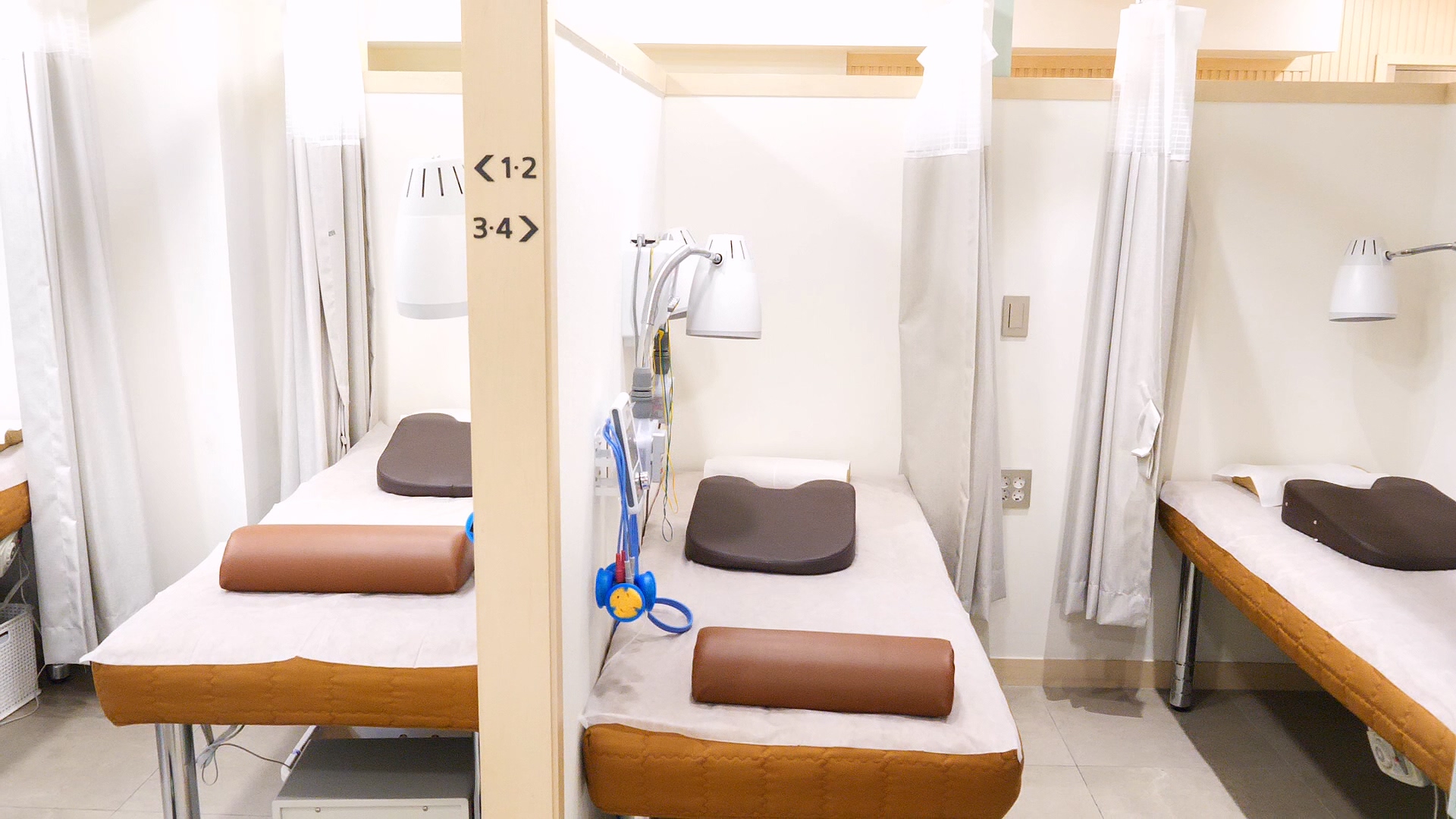
Cupping therapy is a vital component of this integrative approach, offering a path to recovery for those struggling with persistent tension and circulatory stagnation. This guide explores the professional application of this technique in a contemporary setting.
Introduction to Cupping Therapy in a Korean Medicine Clinic
Cupping therapy, frequently referred to as Buhang in a Korean clinic, is a therapeutic method that utilizes specialized cups to create a localized vacuum on the skin. This suction-based technique is designed to stimulate the flow of blood, relax underlying myofascial tissues, and support the body's natural structural recovery. By focusing on areas of stagnation, this treatment serves as a foundational tool for managing both acute muscle strain and chronic systemic imbalances. Unlike general wellness centers, our clinic approaches cupping as a medical procedure to improve the body's internal environment.
Defining Buhang and Its Role in Traditional Korean Medicine
In the context of traditional Korean medicine, Buhang represents a sophisticated method used to regulate the body's internal environment by clearing 'Eohyeol,' or stagnant blood, which is often viewed as a primary cause of chronic pain. At BonCure, we view this practice as a bridge between structural alignment and physiological health. While many patients associate the circular marks with bruising, these marks actually provide clinical insights into the level of congestion within the tissues. For example, in one clinical case involving a patient with 18 years of chronic tinnitus, we utilized integrative methods including cupping and structural correction to restore systemic balance. In this specific case study, the patient experienced significant recovery; however, results for other patients may vary depending on their individual condition and chronicity. The application of these cups helps in identifying areas where the musculoskeletal structure is under the most stress. By applying precise negative pressure, we encourage the removal of metabolic waste from deep tissues, effectively resetting the local environment for better healing.
The Core Principles of Suction and Blood Circulation
The physiological mechanism of cupping therapy centers on the creation of negative pressure, which pulls the skin and superficial muscle layers upward. This action increases the diameter of local capillaries, leading to an immediate surge in blood flow to the treated area. Based on clinical observation, this increased perfusion provides the nutrients necessary for cellular repair and helps resolve ischemia-related pain, where blood supply to specific muscles is restricted. At BonCure, we emphasize that this process is essential for structural health. While some patients observe dramatic improvements in localized circulation within just one or two sessions, it is important to note that individual outcomes depend on the patient's unique physiological state and the depth of the stagnation. By enhancing microcirculation, the therapy helps in reducing the concentration of pain-inducing chemicals. This creates a favorable environment for the restoration of muscle elasticity and joint mobility, which are often compromised by modern sedentary lifestyles and poor postural habits.
Korean Oriental Medicine Doctor Consultation for Pain Management
Effective pain management begins with a thorough consultation led by a licensed doctor to ensure that cupping therapy is appropriately targeted toward structural root causes. Unlike a general spa environment, a clinical setting requires a detailed diagnosis of the patient's constitution and structural state. At BonCure, every session starts with an evaluation of the spine and pelvic alignment to see how they influence the pain site. During these consultations, we may refer to objective metrics, such as the Beck Depression or Anxiety Inventories, to understand how chronic pain is affecting a patient's overall quality of life. In one specific case study of a patient with Meniere’s-like symptoms, a significant reduction in tinnitus scores was achieved through a multi-faceted approach involving 20 sessions of integrative care. It is important to emphasize that this result was specific to that patient's instance and may not be typical for all individuals. This diagnostic process ensures that suction levels are customized to each individual's tolerance and structural pathology.
Types of Cupping Techniques at BonCure
Specialized cupping techniques at our clinic involve both dry and wet methods tailored to specific musculoskeletal needs and the patient's individual health status. We utilize these various modalities to address everything from superficial muscle soreness to deep-seated tissue adhesions. By selecting the clinically suitable technique for a given condition, we maximize the therapeutic impact while maintaining rigorous hygiene and safety protocols for our patients during their recovery journey. Our goal is to provide treatments that are not only effective but also highly efficient and compressed for the modern patient.
Wet Cupping vs Dry Cupping Methods
The choice between wet cupping and dry cupping depends heavily on the presence of inflammatory markers and the severity of 'Eohyeol' (blood stagnation). Dry cupping utilizes only suction to move blood and stretch the fascia, making it an excellent choice for general myofascial relaxation. In contrast, wet cupping involves a controlled, sterile micro-perforation of the skin before the suction is applied to physically remove stagnant blood. At BonCure, we strictly adhere to medical hygiene protocols during wet cupping to eliminate the risk of infection. While dry cupping is frequently used for its non-invasive nature, wet cupping is often indicated for chronic conditions where stagnant blood must be removed to facilitate new, oxygenated blood flow. Both methods typically result in circular marks that fade within 3 to 7 days, depending on the individual's metabolic rate. Our practitioners carefully monitor the skin's response to ensure that the intensity remains within a therapeutic yet comfortable range for each unique patient.
Integrating Acupotomy for Deep Tissue Adhesion Release
For patients with complex, chronic pain that does not respond to standard treatments, we often integrate acupotomy with our cupping protocols. Acupotomy, a specialized form of treatment using a blade-shaped needle, is designed to physically break down adhesions and fibrosis in the deep fascia. At BonCure, this combination is particularly effective for conditions like spinal stenosis or chronic neck tension where tissues have become pathologically fused. In clinical reports, many patients who have undergone this combined approach see significant improvements in range of motion; however, individual results vary. For instance, in a specific case involving a long history of chronic symptoms, the combination of structural release and circulatory support was key. This integrative method allows us to treat the body as a whole, ensuring that the structural corrections made by acupotomy are supported by the enhanced blood flow provided by the cupping procedure. This creates an immediate change that the patient can feel.
The Procedure at a Contemporary Acupuncture Clinic in Seoul
The experience at BonCure combines traditional heritage with modern clinical efficiency. Patients can expect a clean, professional environment where treatment is compressed and impactful. After the initial consultation and structural analysis, the patient is positioned comfortably. The doctor then places the cups, usually for a duration of 5 to 15 minutes, depending on the diagnosis. This streamlined process is designed to be time-efficient for busy professionals while maintaining a focus on high-impact, expert care. Following the removal of the cups, the area may be treated with infrared therapy or structural stabilization to further enhance the effect. We avoid unnecessary, lengthy procedures in favor of precise, medical-grade interventions that yield immediate sensations of improvement. For more information on complementary treatments, you may explore our guide on Acupuncture Clinic in Seoul: Advanced Integrative Korean Medicine for Chronic Pain. Our goal is to provide a seamless transition from diagnosis to recovery.
Comparing Traditional Korean Medicine with Conventional Therapy
Traditional Korean Medicine (TKM) focuses on holistic recovery by addressing the root cause of systemic imbalances rather than merely suppressing local symptoms. By comparing these traditional techniques with conventional physical therapy, patients can better understand the unique benefits of an integrative approach. While conventional methods are excellent for acute rehabilitation, TKM offers a deep-tissue and circulatory focus that is essential for long-term health and the prevention of recurrence. At BonCure, we prioritize structural integrity as the foundation of long-term wellness.
Comparison Table: Cupping Therapy vs Standard Physical Therapy
| Feature | Cupping Therapy (Buhang) | Standard Physical Therapy |
|---|---|---|
| Primary Mechanism | Negative pressure (suction) for circulation | Exercise, heat, and electrical stimulation |
| Focus Area | Myofascial release and structural stagnation | Muscle strengthening and joint mobility |
| Biological Impact | Resolves Eohyeol and improves perfusion | Improves neuromuscular function |
| Visual Aftermath | Temporary circular marks (3-7 days) | Usually no visible marks |
| Systemic Effect | High (affects autonomic nervous system) | Moderate (localized to treated area) |
| Typical Duration | 10 to 15 minutes (Highly efficient) | 30 to 60 minutes per session |
Addressing Muscle Tightness and Chronic Inflammation
Muscle tightness is often a sign of poor tissue oxygenation and structural misalignment. At BonCure, we utilize cupping to break the cycle of pain and tension by applying suction to 'trigger points.' This initiates a localized healing response, which is particularly beneficial for those with postural issues, such as 'tech neck.' Unlike some conventional treatments that only provide temporary relief, cupping aims to change the physiological state of the muscle tissue itself by releasing the underlying fascia. Based on clinical experience, even a single session can help normalize the resting tone of the muscle, providing immediate relief that the patient can feel. For those interested in internal support, our A Professional Guide to Herbal Medicine Prescription in Korea provides additional information on how internal remedies can complement these external structural therapies. This dual approach ensures that both structural and physiological aspects are addressed for a more robust and rapid recovery.
Choosing Traditional Korean Medicine Treatment for Holistic Recovery
Choosing Traditional Korean Medicine means opting for a philosophy that views the body as an interconnected system. When patients come to BonCure, they are evaluated for overall structural balance. This holistic view is why we incorporate techniques like Moxibustion and Chuna alongside cupping. You can learn more about thermal treatments in our article on Moxibustion Therapy in Seoul: Professional Thermal Healing at Bonecure. By addressing the 'Ki' (energy) and blood flow alongside physical alignment, we provide a more comprehensive recovery path. For example, in cases of chronic pain, a holistic approach that targets the bones and the circulation simultaneously often provides the first real sense of progress. This type of recovery is about restoring the body's innate ability to maintain its own balance. Our treatments are designed to empower patients to regain their vitality through structural restoration, though individual health goals and outcomes will naturally vary by patient.
Safety and Post-Treatment Expectations
Safety in cupping therapy is ensured through rigorous clinical hygiene and a clear understanding of the body's physiological responses. While the procedure is generally safe, it is important to be aware of typical reactions and proper aftercare to ensure the best results. At our clinic, we prioritize patient education to ensure that every individual feels informed and comfortable throughout their recovery period. We focus on impactful treatments that respect the patient's time and physiological needs.
Understanding Normal Reactions and Healing Marks
The most common reaction to cupping therapy is the appearance of circular marks, which range from light pink to deep purple. It is important to understand that these are not bruises in the traditional sense, as there is no blunt force trauma involved; they are simply indicative of blood being drawn to the surface. At BonCure, we explain to our patients that these marks typically fade within 3 to 7 days. The intensity of the color often correlates with the degree of stagnation; darker marks may indicate more significant congestion. Some patients may also experience a mild, dull ache immediately following the session as the body begins to process released metabolic waste. Over the course of subsequent sessions, many patients notice that the marks become lighter, signaling an improvement in local circulation and systemic health, though this progression depends entirely on the individual's metabolic rate and healing capacity.
Managing Potential Risks and Aftercare Instructions
While cupping is safe when performed by a professional, minor risks include skin irritation or mild soreness. For treatments involving acupotomy, potential side effects include localized pain at the procedure site, temporary bleeding, and in rare cases, infection. At BonCure, we mitigate these risks through careful patient screening and a sterile environment. Patients are advised to keep the treated area covered and warm following a session. It is also recommended to avoid vigorous exercise or exposure to extreme cold for at least 24 hours. Staying well-hydrated is essential to help the body process mobilized metabolic waste. Individuals on blood thinners should always disclose their medication, as they may be more prone to significant marking or bleeding. By following these aftercare steps, patients can ensure a smooth recovery and optimize the immediate structural benefits of their therapy sessions.
Restoring Structural Balance Through Integrative Medicine in Seoul
The ultimate goal of our treatments is to restore the structural balance that allows for pain-free movement. By combining cupping with techniques like acupotomy and Chuna manual therapy, we address the body's architecture directly. At BonCure, we have seen cases where spinal alignment improved significantly on X-ray following a dedicated course of integrative care. In one notable case, a patient's hearing normalized after structural and circulatory treatment. While these results are specific to individual cases and may vary for others, they highlight the potential of a comprehensive, structural-first treatment plan. We focus on 'structural recovery' because a well-aligned body is less likely to develop the stagnation that leads to chronic pain. Through this evidence-first approach, we help our patients achieve a higher quality of life, guided by the principle that when the bones are in their rightful place, the whole body can function at its peak.
Key Takeaways
- Buhang for Circulation: Cupping therapy creates negative pressure to resolve blood stagnation and improve local perfusion immediately.
- Evidence-Based Care: Clinical case studies demonstrate the potential of integrative care for complex symptoms, though results vary by individual.
- Safe Recovery: Typical marks fade within 3 to 7 days, and following sterile protocols ensures a smooth healing process.
- Structural Focus: BonCure integrates cupping with acupotomy to address both circulatory issues and deep tissue adhesions for impactful results.
Frequently Asked Questions
Q. What exactly is cupping therapy and how does it work at a Korean clinic?
Cupping therapy, or Buhang, involves creating a vacuum on the skin using specialized cups. This suction helps stimulate blood flow, relax tight muscle tissues, and support the body's natural healing processes. In our clinical setting, it is performed to target specific musculoskeletal imbalances and structural misalignments identified during your diagnosis.
Q. Does the cupping procedure cause significant pain?
Most patients feel a tight, pulling sensation rather than acute pain. While the suction can be intense, it is typically followed by a feeling of immediate relaxation. Because we focus on efficient and impactful treatment, any discomfort is usually brief, and we adjust suction levels to your specific tolerance.
Q. How long do the circular marks from cupping therapy last?
Marks typically fade within three to seven days. The exact duration depends on the patient's individual circulation, metabolic rate, and the intensity of the treatment. As your structural health and circulation improve, you will often find that these marks become lighter and fade more quickly.
Q. What are the common side effects or risks I should know about?
Common side effects include temporary circular marks, skin irritation, and mild soreness. When integrated with acupotomy, there is a risk of temporary bleeding and site pain. BonCure maintains rigorous clinical hygiene and performs thorough pre-treatment screening to minimize any risk of infection.
Q. How much does a session of cupping therapy cost in Korea?
Pricing depends on the complexity of the treatment and whether it is combined with acupotomy or Chuna therapy. While specific figures are discussed during your initial visit, we focus on providing a transparent explanation of the treatment's clinical value and structural impact.
Q. How many sessions are typically required to see results for chronic pain?
At BonCure, we do not require long-term packages. We focus on immediate changes; many patients feel a significant difference in just one session. While chronic conditions may require several follow-ups to stabilize the structure, each session is designed to be highly efficient and results-oriented.
Q. Can I receive cupping therapy if I am currently taking blood thinners?
It is essential to disclose all medications during your consultation. Patients on blood thinners may be at a higher risk for more intense marking or bleeding. Our doctors will determine if dry cupping or a modified suction method is a safer and more appropriate alternative for your structural recovery.
If you have any further questions or wish to schedule a consultation for your recovery, please contact us.
BonCure Korean Medicine Clinic / Dr. Song Jung-hyun
FAQ
- What exactly is cupping therapy and how does it work at a Korean clinic?
- Cupping therapy, often called Buhang, involves creating a vacuum on the skin using specialized cups. This suction helps stimulate blood flow, relax tight muscle tissues, and support the body's natural healing processes for chronic pain and stiffness. In a clinical setting, it is performed by a licensed doctor who ensures the placement targets specific musculoskeletal imbalances.
- Does the cupping procedure cause significant pain?
- Most patients feel a tight, pulling sensation rather than acute pain. While the suction can be intense, it is typically followed by a feeling of relaxation as the muscles release their tension. Individual sensitivity varies, so practitioners at Bonecure adjust the suction levels to ensure patient comfort throughout the session.
- How long do the circular marks from cupping therapy last?
- The marks, which are caused by blood being drawn to the surface tissues, typically fade within three to seven days. The exact duration depends on the patient's individual circulation, metabolic rate, and the intensity of the treatment provided. As the body becomes healthier and circulation improves, these marks often become less prominent in subsequent sessions.
- What are the common side effects or risks I should know about?
- Common side effects include temporary bruising or circular marks, skin irritation, and mild soreness similar to a deep tissue massage. In rare cases, especially with wet cupping, there is a small risk of infection or lightheadedness, which is why Bonecure maintains strict clinical hygiene and performs a thorough pre-treatment screening. Most reactions are mild and resolve within a few days.
- How much does a session of cupping therapy cost in Korea?
- Pricing varies based on the complexity of the treatment and whether it is combined with acupuncture, acupotomy, or other specialized therapies. While specific numbers are provided during an individual consultation, the value lies in receiving specialized care from a licensed medical professional. We focus on providing a transparent explanation of the treatment's value during your first visit.
- How many sessions are typically required to see results for chronic pain?
- For acute muscle tension, some patients notice significant improvement after just one or two sessions. However, for chronic conditions or deep-seated structural issues, a series of 10 to 20 treatments over several weeks is often recommended to achieve lasting balance. Each treatment plan is customized based on the patient's initial diagnosis and their body's specific rate of response.
- Can I receive cupping therapy if I am currently taking blood thinners?
- It is essential to disclose all medications, including blood thinners, during your initial consultation. Patients on these medications may be at a higher risk for more intense bruising or prolonged bleeding during wet cupping. In such cases, the doctor will determine if dry cupping or a lighter suction method is a safer and more appropriate alternative for your condition.