
Post
Acupuncture for Sports Injuries Seoul: A 2026 Guide to Structural Recovery at Bonecure
Hello. I am Director Song Jeong-hyeon, a practitioner of Korean medicine who has focused on acupotomy for many years to restore structural integrity.
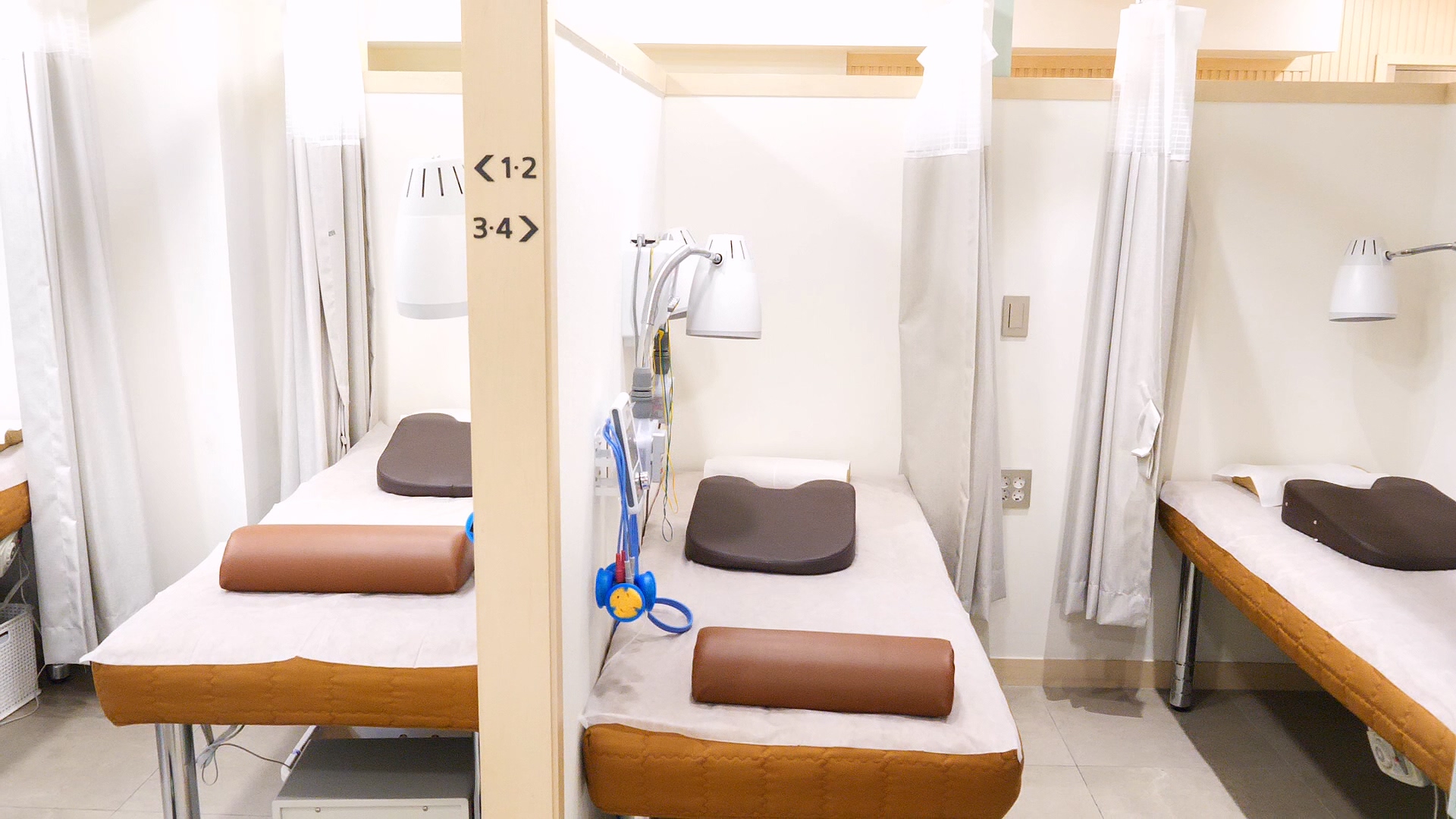
On this day, June 5, 2026, I would like to share how specialized acupuncture can support athletic performance and injury recovery at Bonecure Korean Medicine Clinic, where we believe that when your bones smile, life smiles.
Understanding Acupuncture for Sports Injuries in Seoul
Acupuncture for sports injuries in Seoul is a therapeutic practice that utilizes specialized needles to stimulate biological responses, reduce inflammation, and restore the physical function of athletes. This modality integrates centuries of traditional wisdom with contemporary anatomical understanding to address the unique demands placed on the human body during high-intensity athletic activities.
The Role of Traditional Korean Medicine in Athletic Recovery
Traditional Korean Medicine offers a comprehensive framework for athletes looking to optimize their physical potential. By focusing on the flow of energy and the balance of internal systems, this approach addresses not just localized pain but the systemic factors contributing to injury. In Seoul, athletes often seek these methods to accelerate recovery after intense training blocks. Research indicates that while many clinical trials are ongoing, systematic reviews of various sports-related injuries suggest that acupuncture can be a valuable supportive care option. At Bonecure, we prioritize the restoration of natural movement by addressing the root cause of dysfunction. This process involves a detailed assessment of the patient’s physical state to ensure that every session is tailored to their specific needs. By improving blood circulation and reducing muscular tension, we help athletes return to their routines with a renewed sense of stability and vigor. This holistic approach ensures that the entire body is prepared for the rigors of professional or amateur sports.
How Acupotomy Facilitates Tissue Regeneration for Athletes
Acupotomy is a specialized form of acupuncture that uses a small, blade-like needle to release deep-seated adhesions and scar tissue within the musculoskeletal system. For athletes, these adhesions often form due to repetitive micro-trauma, leading to chronic stiffness and limited range of motion. At Bonecure, we utilize this technique to physically break down tightened tissues that conventional needles might not reach. This mechanical stimulation triggers a local healing response, encouraging the body to replace damaged fibers with healthy, functional tissue. For instance, in clinical cases involving 18-year chronic conditions, we have observed significant improvements in comfort levels through focused structural intervention. It is important to note that while acupotomy can provide immediate relief during the first visit for some, others may require multiple sessions to see lasting results. This method is particularly effective for those who require more than surface-level muscle management, as it addresses the structural integrity of the fascia and ligaments with precision.
Managing Specific Athletic Trauma with Advanced Needling
Managing athletic trauma involves the application of advanced needling techniques to targeted trigger points and structural misalignments caused by sudden impact or long-term wear. This process focuses on realigning the spine and joints to ensure that the body’s weight distribution remains balanced during movement to prevent further injury.
Acupuncture for Back Pain and Spinal Alignment in Athletes
Back pain is one of the most common issues among competitive athletes, often stemming from poor spinal alignment or excessive strain on the lumbar region. At Bonecure, our approach to acupuncture for back pain involves a meticulous analysis of the patient’s posture and vertebral health. By targeting specific points along the spine, we aim to reduce the pressure on spinal nerves and improve the elasticity of surrounding muscles. In certain clinical observations, such as those documenting scoliosis or spinal curvature abnormalities, we have seen how structural realignment can lead to enhanced daily function. It is essential to understand that every athlete's spine is different, and the number of sessions required will vary based on the severity of the alignment issues. While some may experience better mobility after a short course of treatment, chronic cases often necessitate a long-term management plan. This commitment to structural health ensures that athletes can maintain their performance levels without being sidelined by debilitating spinal discomfort.
Addressing Chronic Overuse Injuries via Oriental Medicine
Chronic overuse injuries like tendinitis or stress fractures require a delicate balance of rest and active recovery through Oriental medicine. These conditions occur when the body’s repair mechanisms cannot keep up with the physical demands of training. At Bonecure, we provide targeted acupuncture to stimulate blood flow to areas with poor vascularity, such as tendons and ligaments. This increased circulation delivers the necessary nutrients for tissue repair and helps flush out metabolic waste products as part of a structured healing process. In my clinical experience, patients with long-standing conditions often find that a multifaceted approach is most effective. For example, some individuals may undergo multiple sessions to achieve their recovery goals, particularly when dealing with complex symptoms linked to structural imbalances. We always emphasize that while immediate improvements are possible, the goal of treating overuse injuries is to build a foundation for long-term resilience. This prevents the recurrence of pain and allows athletes to continue their careers with confidence.
Comparison of Traditional Modalities for Sports Rehab
The comparison of traditional modalities for sports rehabilitation involves evaluating the distinct mechanisms and benefits of various Korean medicine techniques. Each method offers a unique contribution to the recovery process, whether through mechanical tissue release, suction-based circulation improvement, or thermal stimulation to enhance the body's natural defense systems.
| Treatment Type | Primary Focus | Clinical Advantage | Typical Application |
|---|---|---|---|
| Acupotomy | Structural Adhesions | Releases deep scar tissue | Chronic joint stiffness |
| Cupping Therapy | Fascial Tension | Improves local blood flow | Muscle recovery and detox |
| Moxibustion | Thermal Balance | Boosts immune response | Systemic fatigue and coldness |
Comparing Acupotomy, Cupping Therapy, and Moxibustion
Understanding the differences these modalities provide is crucial for selecting the right treatment plan. Acupotomy is an intensive procedure designed to release deep structural adhesions that limit an athlete's power. Cupping therapy, on the other hand, uses suction to pull blood to the skin's surface, which helps relieve myofascial tension and improve lymphatic drainage. Moxibustion applies heat to specific points to warm the body and boost the immune response. At Bonecure, we often combine these techniques to provide a holistic recovery experience for our patients. While cupping might be used for general muscle soreness, acupotomy is reserved for more stubborn, localized structural issues. It is important for patients to understand that while these treatments are generally safe, they do carry risks such as temporary bruising or skin irritation. By using a combination of these methods, we can address both the internal energetic balance and the external physical structure. This comprehensive strategy ensures that all aspects of an athlete’s injury are treated.
Structural Realignment vs. Symptom Management
The distinction between structural realignment and simple symptom management is at the heart of our philosophy. While some approaches focus primarily on temporary symptom relief, our goal at Bonecure is to prioritize structural improvement and address the underlying failures that lead to injury. By realigning the spine and joints, we ensure that the body operates as a cohesive unit. This approach is supported by various case reports, including those focused on 18-year histories of chronic discomfort or complex cases like concussion-related symptoms. For instance, normalizing a patient’s vertebral alignment can often resolve issues that seemed unrelated to the back. We utilize objective measures to track these changes over time. In our clinical assessments, we aim for a significant reduction in the patient's subjective pain scale through a dedicated treatment course, though individual results vary. While symptom relief may occur quickly, true structural change is a gradual process that requires patience and consistency. This evidence-based approach allows us to provide a high level of care while ensuring that athletes understand the progress they are making toward recovery.
The Bonecure Approach to Performance and Safety
The Bonecure approach to performance and safety emphasizes a data-driven and structurally focused methodology to help athletes reach their peak physical condition. We prioritize clinical evidence and patient safety above all else, ensuring that every intervention is both effective and responsible in its execution.
Insights from a Korean Medicine Doctor Blog on Injury Rehab
As a dedicated practitioner of Korean medicine, I have spent years documenting the intersection of traditional wisdom and modern athletic needs. My blog serves as a repository for clinical insights gained through treating a wide variety of sports injuries. At Bonecure, we believe in the power of transparency and education. By sharing observations from our clinical experience, such as how we approach cases requiring urgent structural stabilization, we aim to demystify the healing process. It is vital to recognize that clinical observations are often based on individual case reports, meaning that results can vary significantly from person to person. However, these insights provide a roadmap for others facing similar challenges. We focus on root cause recovery rather than temporary fixes. This involves a commitment to understanding the mechanics of every injury, whether it is a sudden tear or a slow-developing chronic condition. By fostering this deep understanding, we empower athletes to take an active role in their rehabilitation.
Clinical Considerations and Managing Potential Side Effects
Safety is the cornerstone of every procedure we perform at the clinic. While acupuncture and acupotomy are highly effective, it is important to acknowledge that they are not without potential side effects. At Bonecure, we maintain rigorous hygiene standards to minimize any risk of complication. Common side effects include temporary soreness at the site of the needle insertion, minor bruising, or light bleeding, which typically resolve naturally within several days. In very rare instances, more serious issues like infection could occur, although we take every precaution to prevent this. We always provide a detailed consultation prior to treatment to discuss these risks and ensure the patient is comfortable with the plan. It is also important to note that certain chronic or complex conditions may require multiple sessions to achieve long-term stability. We do not guarantee a 100 percent success rate for every patient, as biological responses are individual. By maintaining open communication, we ensure that our patients receive the safest care.
Advanced Acupotomy in Seoul: Root Cause Pain Relief at BoneCure Korean Medicine Clinic A Professional Guide to Cheongdam-dong Acupuncture: Structural Alignment and Symptom Management Chronic Pain Management Acupuncture: A 2026 Professional Guide to Structural Recovery
Frequently Asked Questions
Q. What should I expect from acupuncture for sports injuries in Seoul?
At Bonecure, the focus is on identifying structural imbalances and using specialized tools like acupotomy to release adhesions. While the procedure may cause temporary discomfort, it aims to restore natural movement through precise intervention. Outcomes depend on individual physical conditions and the severity of the injury.
Q. Is acupuncture for back pain effective for athletes with chronic issues?
Acupuncture can be a valuable part of a recovery plan for back pain by focusing on relieving pressure on the spine. It helps improve circulation and reduces muscle guarding that often follows an injury. However, chronic cases often require multiple sessions and a comprehensive structural assessment for lasting relief.
Q. Are there side effects associated with acupotomy or sports acupuncture?
Common side effects include temporary soreness at the site of treatment, minor bruising, or light bleeding. These symptoms are generally mild and typically resolve within several days without further intervention. In very rare cases, infection could occur if proper hygiene is not maintained, which is why we follow strict protocols.
Q. How many sessions are typically required to see results for a sports injury?
The duration of treatment varies significantly based on the patient's age and health status. Acute injuries might show improvement within a few sessions, while chronic or severe conditions—such as those involving long-standing structural imbalances—may require multiple sessions. Each recovery plan at Bonecure is personalized to the patient's specific case and structural needs.
Q. What is the difference between cupping therapy and acupuncture in a Korean clinic?
Cupping therapy focuses on improving blood flow and releasing myofascial tension through suction on the skin. Acupuncture uses fine needles to stimulate specific points or release deep tissue adhesions that cupping cannot reach. Often, these are used together to maximize recovery benefits and provide holistic care.
Q. Can I return to training immediately after a treatment session?
I generally recommend a period of rest following intensive needle therapy to allow the body to initiate the healing process. Resuming high-intensity sports too early may aggravate the treated area and delay recovery. Specific guidance is provided based on the injury type and the intensity of the treatment.
Q. What is the cost of sports injury treatment at Bonecure in Cheongdam?
Costs for treatment involve various factors, including the type of needle used and the complexity of the structural adjustment. We focus on providing high-value care that addresses the root cause of the problem. For detailed pricing information, please contact our clinic directly for a consultation.
Key Takeaways
- Acupuncture and acupotomy at Bonecure focus on structural restoration and releasing deep tissue adhesions for long-term recovery.
- Treatment plans are individualized, with chronic or severe cases requiring multiple sessions to achieve optimal results.
- Safety is prioritized through rigorous hygiene and clear communication regarding potential side effects like temporary soreness or bruising.
- A combination of modalities, including cupping and structural realignment, ensures a comprehensive approach to athletic health.
If you are seeking a fundamental recovery from sports-related pain, please contact us for a detailed structural consultation.
Bonecure / Director Song Jeong-hyeon
FAQ
- Is acupuncture for sports injuries painful?
- While some sensation is expected during the release of adhesions, many athletes find the immediate relief of tension outweighs the temporary discomfort. The sensation is often described as a 'heavy' or 'achy' feeling, which is a normal sign of the needle reaching the target tissue. Individual sensitivity varies, and we adjust our technique to ensure the procedure is as comfortable as possible for each patient.
- How many sessions are typically needed for chronic sports pain?
- For chronic or severe cases, multiple sessions are generally required to achieve sustainable structural improvement. Most chronic protocols at Bonecure involve an initial phase of 5 to 10 sessions to assess the body's response, followed by a maintenance or stabilization phase. A personalized plan is determined after a physical examination and a review of your injury history.
- Are there any side effects associated with acupotomy?
- Potential side effects include temporary soreness at the site, minor bruising, or light bleeding. These are usually mild and resolve within 48 to 72 hours without additional intervention. While very rare, infection is a risk that we mitigate through strict sterilization protocols and the use of single-use, medical-grade tools in every session.
- Can I return to training immediately after treatment?
- Most patients require a short period of rest, typically 24 to 48 hours, to allow the tissues to recover from the stimulation. Returning to high-intensity training too quickly can sometimes aggravate the treated area and delay the healing process. We recommend discussing your specific training schedule during your consultation to coordinate the best timing for your sessions.
- How much does sports acupuncture cost at a Seoul clinic?
- Costs vary based on the complexity of the procedure and the combination of therapies used, such as whether acupotomy or Chuna is included. Because sports injuries often require a multifaceted approach, we provide a detailed cost breakdown after your initial diagnostic consultation. We focus on providing transparent pricing so you can plan your recovery without unexpected financial stress.
- What makes Bonecure different from other clinics in Cheongdam?
- Bonecure focuses on the structural alignment of the spine and the functional restoration of soft tissues using specialized acupotomy techniques rather than just superficial pain relief. We believe in treating the body as a single, connected unit, ensuring that your 'bones smile' so that your overall vitality is restored. Our expertise in combining structural lysis with skeletal realignment sets us apart in the field of athletic recovery.
- Does acupuncture work for old injuries that haven't healed?
- Acupotomy is specifically designed to address old scar tissue and adhesions that often cause persistent pain in long-term injuries. By physically releasing these old restrictions, we can often restart the healing process in tissues that have become stagnant. However, results vary by individual case, and we perform a detailed assessment to see if your specific old injury is likely to respond to our methods.