
Post
A Professional Guide to Cheongdam-dong Acupuncture: Structural Alignment and Symptom Management
Hello. I am Song Jung-hyun, a Korean medicine doctor who has long specialized in Dochim (acupotomy) therapy. Before we dive into the details of our treatments, I would like to share my clinical perspective on how structural alignment serves as the foundation for lasting health. At BonCure Korean Medicine Clinic, we devote ourselves to helping each patient regain a healthy and balanced daily life.
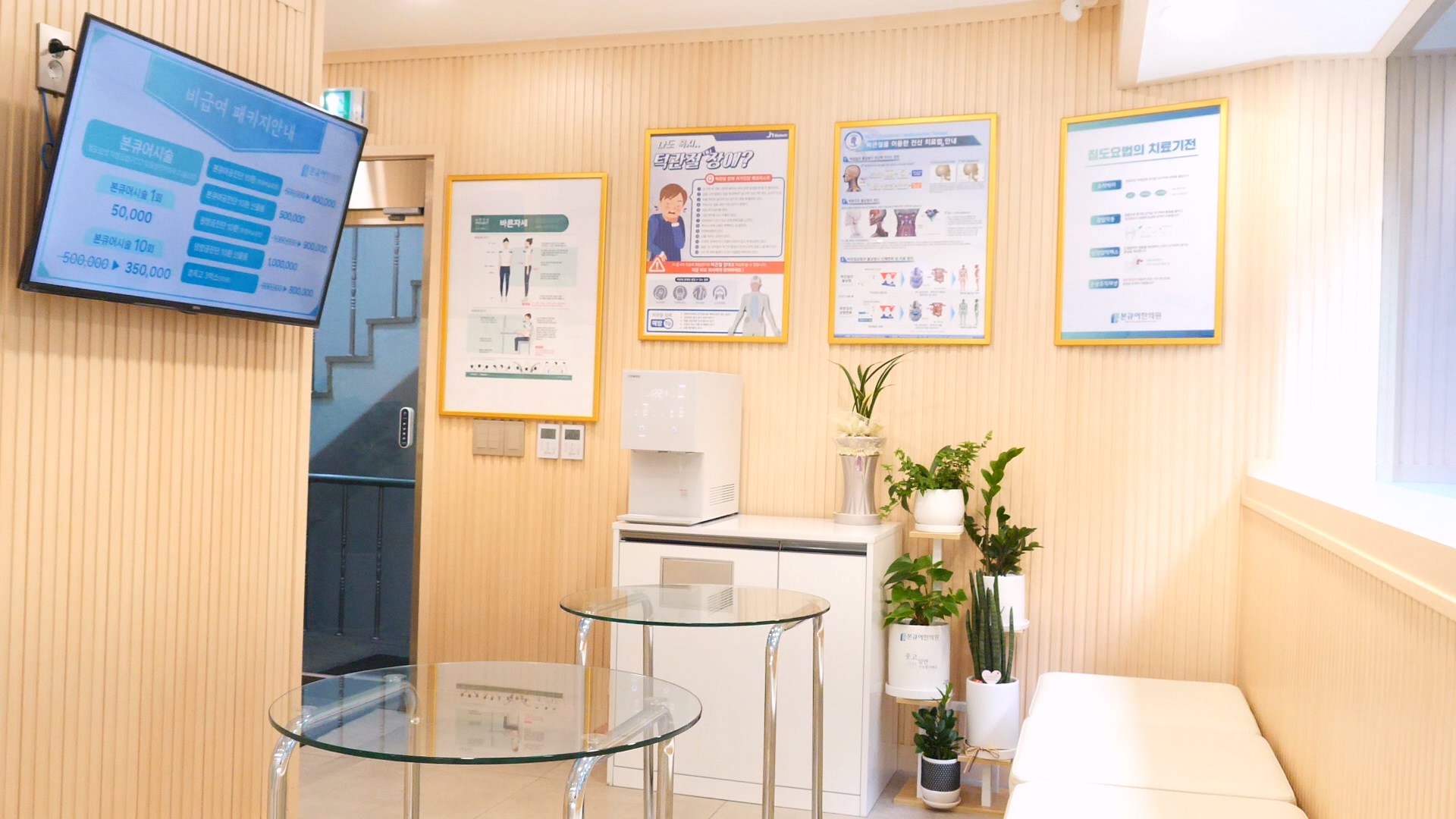
Rather than simply addressing surface symptoms, we focus on identifying the root causes of pain and restoring the body’s overall balance through personalized treatment plans tailored to each individual. This involves a specialized approach to anatomy and skeletal health. Cheongdam-dong acupuncture is a sophisticated medical approach that combines traditional Korean healing principles with modern structural diagnostics to address the underlying causes of chronic pain. If you are seeking a sustainable path to recovery, understanding how skeletal alignment and tissue health interact is essential for maintaining vitality and functional movement. While some cases show rapid improvement, most patients typically observe gradual progress over 5 to 10 sessions, and individual results from these treatments may vary based on various health factors.
Defining Cheongdam-dong Acupuncture and the BonCure Vision
Cheongdam-dong acupuncture refers to the concentration of traditional Korean medical clinics focused on structural health in one of Seoul's established healthcare districts, where practitioners prioritize evidence-based results and structural precision. This regional medical culture emphasizes a shift from mere symptom management to the comprehensive restoration of the body's physical architecture and balance. We focus on the core principle that structural integrity dictates physiological function. While we aim for efficient results, the timeline for recovery depends on the severity of the patient's condition.
A Hub for Focused Healthcare in Seoul Korea
Cheongdam-dong has evolved into a prominent district known for its concentration of healthcare providers dedicated to structural health, where traditional methods are refined through scientific inquiry. At BonCure, we honor this environment by providing treatments that transcend basic symptomatic relief. The integrative approach here involves analyzing the body as a holistic unit, where the spine serves as the central pillar of health. By choosing a clinic in this district, patients gain access to a network of expertise that values both clinical precision and patient-centered care. In the year 2026, the demand for non-invasive, structural interventions has grown significantly, and our clinic is actively participating in this shift. We utilize various diagnostic tools to ensure that every needle placement and herbal prescription is backed by a clear understanding of the patient's unique physiological landscape, ensuring that Korean medical wisdom is applied in a modern, data-driven setting that prioritizes efficient clinical outcomes for every visitor.
My Philosophy: Restoration Through Structural Balance
As the director of BonCure, my clinical philosophy is encapsulated in our slogan: "When your bones smile, life smiles." I believe that when your bones are in their correct positions, your quality of life improves significantly. This means that true health is difficult to achieve without proper structural alignment, as even minor deviations in the vertebral column can lead to systemic dysfunction. I have dedicated my career to developing techniques that address the underlying mechanical causes of pain rather than just masking temporary sensations. By focusing on the relationship between the skeletal structure and the nervous system, we aim to facilitate the body's natural recovery processes. My goal is to guide every patient toward a state of equilibrium where movement is fluid and the aim of returning to a comfortable daily life is realized. Our clinic avoids standardized, long-term package requirements; instead, we prioritize a specialized diagnostic process that identifies structural issues to strive for noticeable symptomatic improvements that many patients report feeling shortly after treatment.
Traditional Korean Medicine Treatment in a Modern Context
Modern Korean medicine is a dynamic science that incorporates contemporary anatomical knowledge into its core practice. In the busy environment of Cheongdam-dong, we apply these principles to help patients navigate the stresses of urban life, which often manifest as chronic neck and back tension. Our clinic utilizes structural analysis to pinpoint where traditional acupoints intersect with modern myofascial trigger points. This synergy allows us to deliver treatments that are both culturally rooted and supported by clinical observation. By maintaining a 2026 perspective on healthcare, we ensure that our patients benefit from clinical observations while still receiving the personalized attention that is the hallmark of Eastern medicine. This balanced approach is particularly suitable for busy professionals and international patients who require efficient interventions that allow them to return to their daily activities with renewed energy and focus. It is important to note that results vary based on individual conditions and health history, and no specific outcome can be guaranteed for every patient.
Specialized Dochim Therapy for Persistent Chronic Pain
Dochim therapy, also known as acupotomy, is a specialized medical procedure that uses a flat-tipped, blade-like needle to release adhesions in the soft tissues and restore normal structural function. This technique is specifically designed for chronic conditions where standard acupuncture may not sufficiently address hardened or fused muscle fibers, allowing for a release of trapped nerves and restricted circulation. While effective for many, patients should be aware of potential side effects, including temporary soreness, minor bleeding, or bruising at the site of the procedure.
Advanced Acupuncture Knife Techniques for Adhesion Release
Dochim therapy represents a significant advancement in the field of Korean medicine, offering an intensive option that can be applied alongside or following other conventional therapies depending on the patient's needs. The tool itself is a hybrid of a needle and a scalpel, designed to enter the skin with minimal trauma while being capable of performing micro-release on internal adhesions. These adhesions, which often form after injury or chronic poor posture, can trap nerves and restrict blood flow, leading to persistent pain. By precisely targeting these restricted areas, we can physically break down the scar tissue and allow the muscle to return toward its natural length and elasticity. The procedure is highly compressed and impactful, typically taking only 10 to 20 minutes for the actual intervention. We focus on providing an experience where the structural problem is addressed directly, allowing many patients to experience a noticeable shift in their mobility and comfort levels. Typical results involve a gradual reduction in stiffness over multiple sessions. However, as with any invasive procedure, there is a very rare risk of infection, which we mitigate through strict sterilization protocols.
Scientific Proof: Objective Metrics in Structural Recovery
At BonCure, we move beyond subjective feelings of improvement by employing evaluation scales and diagnostic imaging. For instance, with the patient's informed consent for the use of their clinical data, I observed a case involving a patient with long-standing chronic tinnitus where we tracked progress using a standardized scale. After a dedicated course of structural correction and acupotomy, this particular patient reported a significant and clinically meaningful reduction in symptom severity. This case is a documented example of how structural realignment can influence neurological symptoms in some individuals; however, it is important to emphasize that such outcomes are specific to this individual case and do not guarantee identical results for everyone. Typically, patients with long-standing chronic issues may observe gradual progress over 5 to 10 treatments rather than an instantaneous resolution. We also utilize Whole spine X-ray analysis to observe physical changes in spinal curvature and alignment before and after the treatment. By documenting these 2026 clinical trends, we provide our patients with a transparent view of their recovery journey, grounded in measurable data, professional observation, and structural evidence.
Managing Expectations: Individualized Treatment Paths
While the clinical observations of Dochim therapy can be encouraging, it is crucial for patients to understand that recovery is an individual process. We do not subscribe to the idea that a fixed number of sessions is required for everyone to see results. Instead, we emphasize that as the structure improves through our intervention, the patient's symptoms can change efficiently. We prioritize high-impact treatments where the results are tangible to the patient. It is also important to acknowledge that because this is a physical intervention, some temporary soreness, minor bleeding, or bruising may occur at the treatment site. These are common signs of the body's response as it begins to remodel the tissue. In rare cases, minor infection is possible, though we maintain strict hygiene standards. We encourage open communication throughout the treatment, allowing us to adjust our techniques and ensure the pace of recovery aligns with the patient's unique physiological capacity and response.
Comparing Traditional Needlework and BonCure Structural Therapy
Traditional needlework focuses on balancing the body's internal energy, whereas structural therapy at BonCure targets the physical alignment of bones and the release of soft tissue restrictions. Both methods have their place in healthcare, but understanding their differences is key to choosing the right intervention for your specific pain.
| Feature | Traditional Acupuncture | BonCure Structural Therapy |
|---|---|---|
| Primary Focus | Energy (Qi) flow and meridian balance | Physical alignment and tissue adhesion |
| Tool Used | Fine filiform needles | Specialized flat-tipped Dochim (Acupotomy) |
| Target Area | Superficial acupoints | Deep fascia, tendons, and ligaments |
| Main Goal | Balance internal systems | Release structural restrictions and restore gait |
| Typical Session | 20 to 30 minutes of needle retention | Intensive structural analysis and impactful release |
General Meridian Stimulation vs. Structural Realignment
Traditional acupuncture is often used for systemic issues such as stress, digestive upset, and general wellness by stimulating specific points along meridian lines. This method aims to regulate the flow of energy and blood throughout the body. While meridian stimulation is a valuable approach for many, patients with structural concerns may also benefit from therapies that directly address the physical architecture of the body. At BonCure, we integrate these perspectives to support overall recovery. We look at how the pelvis is tilted or how the cervical vertebrae are rotated, as these mechanical issues often place uneven pressure on the muscles and nerves. By combining the systemic benefits of acupuncture with the mechanical precision of structural correction, we aim to provide a more comprehensive solution. This dual approach ensures that both the internal physiological environment and the external physical structure are considered, leading to more resilient recovery outcomes depending on individual response and anatomical needs. Typical outcomes involve a steady improvement in range of motion over a course of care.
Determining the Right Method for Your Specific Condition
Choosing between traditional acupuncture and advanced structural therapy depends largely on the nature and duration of your symptoms. If you are experiencing acute stress or minor systemic imbalances, traditional methods may provide the relief you need. However, if you are struggling with chronic pain that has persisted for months or years, or if you have visible postural distortions, a structural approach is likely more appropriate. During your visit to our clinic, we conduct a thorough assessment to determine which method will be most suitable for your case. Often, we find that a combination of both approaches yields the most favorable individual results. For example, using Advanced Acupotomy in Seoul: Root Cause Pain Relief at BonCure Korean Medicine Clinic can release deep physical blockages, while traditional needles can help soothe the nervous system. Our clinical team is dedicated to providing an honest evaluation, ensuring that you receive the most appropriate care for your specific stage of healing and structural restoration.
Comprehensive Care: From Herbal Medicine to Cupping Therapy
Comprehensive care in Korean medicine involves a multi-faceted approach that addresses both the internal and external factors contributing to health. By utilizing a variety of modalities, we can ensure that the patient's entire system is supported throughout the recovery process.
Customized Herbal Medicine Prescription in Korea
Herbal medicine plays a vital role in supporting the structural changes achieved through acupuncture by nourishing the body's tissues from within. At BonCure, we provide personalized herbal prescriptions that are tailored to each patient's unique constitution and current health status. These formulas are designed to help manage internal inflammation, improve circulation, and support the ligaments and tendons that maintain skeletal alignment. In the year 2026, we utilize high-quality, screened ingredients to prioritize safety and potency. For patients dealing with chronic pain, a Professional Guide to Herbal Medicine Prescription in Korea can be a resource for understanding how these natural compounds facilitate recovery. By integrating herbal therapy into the treatment plan, we can address the biochemical aspect of health, ensuring that the body has the necessary nutrients to maintain the structural corrections made during clinical sessions, thereby aiming to support long-term structural vitality and function based on individual response.
Korean Medicine for Digestive Health and Systemic Vitality
There is a connection between digestive health and the body's overall structural integrity. When the digestive system is compromised, it can lead to systemic inflammation and poor nutrient absorption, which in turn may weaken the muscles and connective tissues. In Korean medicine, we prioritize the health of the Spleen and Stomach systems as the foundation of vitality. By improving gastrointestinal function, we help our patients build the physical strength needed to support a healthy posture. Our treatments often include specific acupuncture points and herbal formulas that help regulate the autonomic nervous system, which governs digestion. This holistic focus is a key part of our vision, as we recognize that a patient's back pain may be linked to their internal physiological state. By aiming to restore systemic vitality, we create a supportive environment for structural healing to take place, ensuring that the benefits of our physical interventions are maximized over time based on the patient's individual health capacity and metabolic function.
Moxibustion and Cupping Therapy at a Professional Clinic
Supplemental therapies like moxibustion and cupping are tools for managing localized pain and improving blood flow to the muscles. Moxibustion involves the application of heat to specific points, which helps to relax deep-seated tension and improve circulation in stiff areas. Cupping therapy, on the other hand, uses suction to pull stagnant blood to the surface, allowing the body's systems to clear it away. These techniques are particularly useful for individuals with physically demanding jobs who experience frequent muscle fatigue. At our clinic, we apply these methods with professional precision, ensuring they complement our primary structural treatments. While these therapies are generally safe, they can leave temporary marks on the skin that usually fade within 3 to 7 days. By including these traditional modalities in our comprehensive care plans, we provide our patients with symptomatic support while we work on the more complex task of structural realignment, ensuring a well-rounded and efficient clinical experience.
Consultations at a Professional Acupuncture Clinic in Seoul
An efficient consultation is the first step toward a successful recovery, providing the data necessary to create a safe and tailored treatment plan. We prioritize clear communication and thorough diagnostics to ensure that every patient feels informed and receives high-impact care from their very first visit.
What to Expect During Your First Doctor Consultation
Your journey at BonCure begins with a highly efficient diagnostic assessment. Rather than engaging in prolonged consultations, I focus on a meticulous physical evaluation that includes postural analysis, movement assessment, and organ function evaluation to pinpoint structural imbalances. I directly palpate and assess each patient to identify the exact areas requiring intervention. This process is designed to be impactful and streamlined, moving quickly from assessment to specialized procedures like Chuna or Dochim. If you have previous imaging such as X-rays or MRIs, I review those to gain a clearer picture of your internal structure. I explain the mechanics of your condition and how our techniques aim to provide efficient relief. By the end of this session, you will have a clear understanding of your condition and a roadmap for recovery. This focused approach ensures that we maximize clinical time for actual treatment, which is essential for striving for the significant symptomatic improvements our patients expect in 2026.
Navigating Healthcare as an International Patient in Cheongdam
We understand that seeking medical care in a foreign country can be a significant decision, which is why we have streamlined our services to accommodate international patients. Our clinic is located at 3F, 767 Samseong-ro, Gangnam-gu, Seoul, making it accessible for those staying in the Cheongdam area. We provide clear guidance on our procedures and ensure that all communication is handled with professional care. Many of our international visitors are specifically looking for the specialized techniques associated with Dochim therapy and structural correction, which may not be as readily available in their home countries. We prioritize efficiency and clear scheduling to ensure that patients can receive intensive treatment during their stay in Seoul. Our team is committed to making your experience as smooth as possible, from the initial inquiry to the final follow-up, ensuring that you receive professional Korean medical care in a welcoming and supportive environment that respects your time.
Prioritizing Safety: Understanding Potential Risks and Limitations
Safety is our highest priority, and we believe in providing a balanced view of every treatment we offer. While acupuncture and Dochim therapy are specialized interventions, like any medical procedure, they carry certain risks and limitations. Potential side effects of Dochim therapy include localized pain at the insertion site, minor bleeding, or temporary swelling. In rare cases, there is a small risk of infection, which we mitigate by using sterile, single-use instruments and maintaining a pristine clinical environment. It is also important to recognize that not every condition can be resolved with acupuncture alone. For instance, advanced structural damage or certain complex neurological conditions may require a multidisciplinary approach. We are committed to honesty in our practice, and if we determine that your condition is beyond the scope of our clinic, we will provide guidance for alternative care. By prioritizing safety and transparency, we ensure that our patients receive responsible and appropriate care tailored to their health needs.
Frequently Asked Questions
Q. What distinguishes Cheongdam-dong acupuncture clinics from others in Seoul?
Clinics in this area, including BonCure, often integrate traditional wisdom with modern diagnostic tools and structural analysis. The focus here is on precision for chronic pain, utilizing specialized techniques like Dochim therapy to address musculoskeletal dysfunction and strive for efficient symptomatic improvements rather than just surface symptoms.
Q. What exactly is Dochim or acupuncture knife therapy?
Dochim is a specialized tool with a flat, blade-like tip designed to release adhesions and scar tissue in the fascia and muscles. It is used for chronic conditions where tissues have become fused. Patients may feel some pressure or a sharp sensation, and minor bruising, soreness, or rare infection are potential temporary side effects during the healing process.
Q. Are the results of acupuncture treatment guaranteed?
No medical treatment can guarantee a 100 percent success rate because every human body reacts differently. However, our philosophy is to focus on treatments that strive for noticeable shifts in structural balance and symptom levels. Results vary significantly based on a patient's age, the severity of their condition, and their lifestyle habits.
Q. Is the acupuncture treatment painful and are there side effects?
While the procedure involves some sensation, most patients find it manageable and describe it as temporary pressure or a sharp release. Common side effects include mild localized pain, minor bleeding, or slight swelling at the treatment site, which typically resolve within 3 to 5 days. We take every precaution to prioritize your comfort and safety during the procedure.
Q. Can I receive a customized herbal medicine prescription in Korea?
Yes, at BonCure, we offer personalized herbal prescriptions tailored to your specific physical constitution and health needs. These formulas are designed to support your recovery by managing internal inflammation and supporting connective tissues. Our herbal medicines are prepared with high-quality ingredients as part of our holistic approach, though individual efficacy varies.
Q. How many sessions are typically required for chronic pain?
At BonCure, we do not require a fixed number of sessions to see results. Our goal is to provide treatment that aims for efficient symptomatic improvement that the patient can perceive. Most patients typically observe gradual progress over 5 to 10 sessions, though the total number depends on the complexity of your condition and your individual response.
Q. What should I prepare for a consultation at BonCure?
It is helpful to bring any previous medical records, such as X-rays or MRI reports, so we can have a full understanding of your structural history. During the consultation, we will perform a highly efficient physical analysis and movement evaluation. No special preparation is required, but wearing comfortable clothing is recommended for the physical examination.
Key Takeaways
- Structural Focus: BonCure focuses on skeletal alignment and the release of tissue adhesions through specialized Dochim therapy to support chronic pain recovery and efficient symptom management.
- Visible Improvements: We prioritize treatments that strive for noticeable changes in symptoms, moving away from standardized long-term package requirements. Typical progress is observed over 5 to 10 sessions.
- Comprehensive Approach: Treatments may combine customized herbal medicine, cupping, and structural realignment for a holistic recovery process based on individual health capacity.
- Safety First: We provide transparent consultations, explaining both the benefits and potential risks like minor bruising, soreness, or rare infection to ensure informed care.
- Global Standards: Located in Cheongdam-dong at Samseong-ro, our clinic provides specialized acupuncture services for local residents and international patients with a focus on clinical efficiency.
BonCure Korean Medicine Clinic / Song Jung-hyun, Director
FAQ
- What distinguishes Cheongdam-dong acupuncture clinics from others in Seoul?
- Clinics in this area, including Bonecure, often integrate traditional wisdom with modern diagnostic tools and structural analysis. The focus here is on precision and high-impact results for chronic pain, utilizing advanced techniques like Dochim therapy to address the root causes of musculoskeletal dysfunction rather than just surface symptoms.
- What exactly is Dochim or acupuncture knife therapy?
- Dochim is a specialized tool with a flat, blade-like tip designed to release adhesions and scar tissue in the fascia and muscles. It is particularly effective for chronic conditions where tissues have become fused, helping to restore normal movement. Patients may feel some pressure or a sharp sensation, and minor bruising or soreness is a common temporary side effect during the healing process.
- Are the results of acupuncture treatment guaranteed?
- No medical treatment can guarantee a 100 percent success rate because every human body reacts differently. Results vary significantly based on a patient's age, the severity of their condition, and their overall lifestyle. We provide individualized assessments and data-driven progress tracking to set realistic recovery goals and ensure the best possible outcomes for each person.
- Is the acupuncture treatment painful and are there side effects?
- While the procedure involves some sensation, most patients find it manageable and describe it as a temporary pressure or a dull ache. Common side effects include mild localized pain, minor bleeding, or slight swelling at the treatment site, which typically resolve within 3 to 5 days. We take every precaution to ensure your comfort and safety throughout the session.
- Can I receive a customized herbal medicine prescription in Korea?
- Yes, at Bonecure, we offer personalized herbal prescriptions tailored to your specific physical constitution and health needs. These formulas are designed to support your structural recovery by reducing internal inflammation and strengthening the connective tissues. Our herbal medicines are prepared with high-quality ingredients and are a vital part of our holistic treatment approach.
- How many sessions are typically required for chronic pain?
- While some patients notice relief after just one or two visits, chronic or severe cases often require a series of 5 to 10 sessions to achieve lasting structural change. The exact number of treatments depends on the complexity of your condition and is determined during your initial consultation with the doctor. We monitor your progress closely to adjust the plan as you heal.
- What should I prepare for a consultation at Bonecure?
- It is helpful to bring any previous medical records, such as X-rays or MRI reports, so we can have a full understanding of your structural history. During the consultation, we will perform a physical analysis and discuss your symptoms in detail. No special preparation is required, but wearing comfortable clothing can make the physical examination more convenient for you.