
Post
Acupuncture for Back Pain: Structural Alignment and Root Cause Recovery
Hello. I am Dr. Song Jeong-hyeon, a Korean Medicine doctor and director of Bonecure Korean Medicine Clinic.
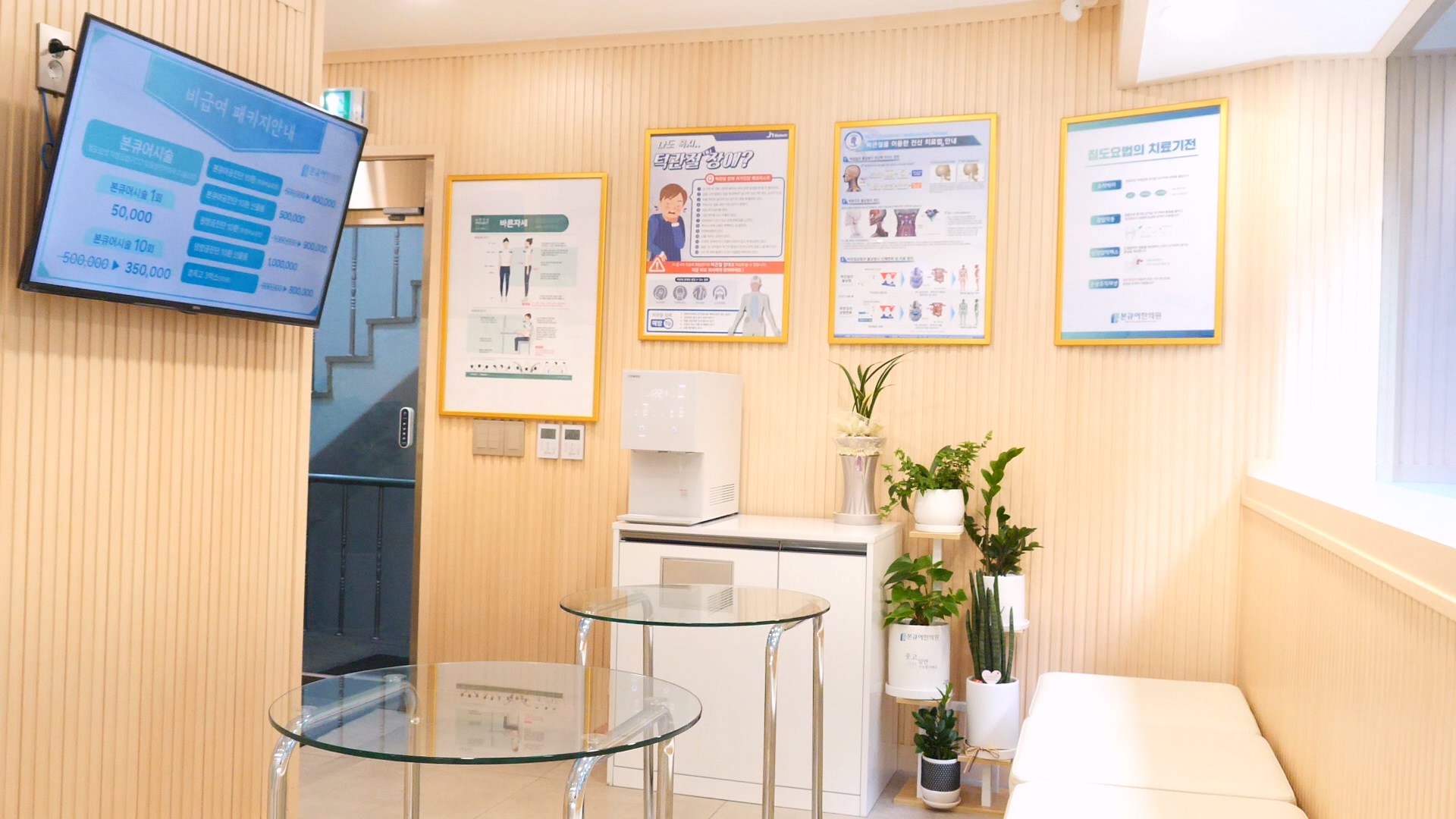
I have devoted my career to helping patients regain a healthy, balanced daily life by identifying the root causes of pain rather than simply masking symptoms. Acupuncture for back pain is a therapy that may help address inflammation and structural imbalances based on clinical evidence. In this guide, I will explain the biological mechanisms and our specialized structural approaches, focusing on how we help you regain mobility through precision care.
Understanding Acupuncture for Back Pain and Its Biological Mechanisms
Acupuncture for back pain is a clinical technique where fine, sterile needles are inserted into specific anatomical points to modulate the nervous system. At Bonecure, we view this not just as a pain-killing method, but as a way to restore the body’s overall structural homeostasis.
The Science Behind Nerve Stimulation and Endorphin Release
The biological interaction between acupuncture needles and the human nervous system involves the activation of specific sensory nerve fibers. When I insert these fine instruments into precise locations, they trigger the release of endorphins—the body’s natural biochemical painkillers. This neuro-modulation is thought to alter the pain signals traveling to the brain. Research recognized by the National Institutes of Health (NIH) confirms that this process helps manage persistent discomfort. By engaging the body's internal healing mechanisms, many patients find they can reduce their reliance on pharmaceutical interventions. This drug-free method may help restore physiological balance while avoiding the systemic side effects associated with long-term medication use.
How Fine Needles Improve Local Blood Circulation
Improving local circulation is a benefit that can facilitate the delivery of oxygen and nutrients to damaged spinal tissues. Needle insertion creates a localized response that signals the body to increase blood flow to the affected region. This help in flushing out inflammatory byproducts and metabolic waste that accumulate in the muscles surrounding the lumbar spine. At Bonecure, I emphasize circulatory enhancement to support the repair of ligaments and tendons. Improved hemodynamics in the lower back may contribute to long-term tissue health and flexibility. This process does not just address the immediate sensation of pain; it fortifies the structural integrity of the spinal support system against future strain.
Targeting Trigger Points for Natural Pain Relief
Acupuncture is used to target myofascial trigger points—hyperirritable spots in the skeletal muscle that contribute to radiating back pain and stiffness. By precisely inserting needles into these tense fibers, the treatment induces a release of built-up tension, which may help the muscle return toward its natural resting length. I use this technique to address pain sources that may not be directly targeted by some other approaches. Scientific evidence suggests that releasing these trigger points may improve physical function. This approach may be helpful for those with mechanical back pain due to postural imbalances. The stimulation breaks the cycle of muscle spasms, allowing for improved movement and stability.
Clinical Evidence and Effectiveness for Spinal Health
Clinical evidence provides data regarding why advanced acupuncture techniques may be effective for some patients suffering from chronic musculoskeletal conditions. Modern research continues to support these interventions as options for spinal care.
Research Summaries on Mobility and Function Improvement
Extensive research regarding chronic low back pain indicates that acupuncture may help improve physical function and mobility. Studies reviewed by major health organizations, including the NIH, demonstrate that some studies report improvements in daily activities for patients receiving acupuncture compared to those receiving conventional care alone. At Bonecure, I integrate these evidence-based findings into personalized treatment protocols. Comparative studies show that the specific anatomical placement of needles may play a role in therapeutic outcomes. This data supports acupuncture as a non-surgical option for those seeking to restore their quality of life without invasive procedures.
The Role of Acupuncture as a Recommended First-Line Option
Acupuncture is included in some clinical guidelines as a non-drug option for managing chronic musculoskeletal pain. Leading medical organizations have included it in clinical practice guidelines as a primary recommendation before considering more invasive interventions. This shift reflects the safety and effectiveness reported in some clinical trials. By choosing this approach early, patients may help reduce the need for opioid use or surgery in some cases. At Bonecure, I prioritize these conservative structural interventions focused on alignment. This foundational element of integrative medicine offers a sustainable way to manage discomfort while promoting long-term functional vitality and overall health.
Understanding Different Back Pain Treatment Modalities
Evaluating various interventions helps patients understand the characteristics of their care options. For many, a structural approach provides a focused way to address musculoskeletal issues, which may be helpful for those seeking non-pharmaceutical options.
| Treatment Option | Primary Mechanism | Characteristics |
|---|---|---|
| Bonecure Acupuncture | Neuro-stimulation & Alignment | Aims for structural balance and neuro-modulation |
| Medication | Biochemical pain blocking | Focuses on biochemical symptom management |
| Physical Therapy | Muscular strengthening | Focuses on gradual range of motion improvement |
| Surgery | Structural alteration | Involves invasive structural modification |
For more details on how we approach complex cases, see our guide on Structural Restoration and Acupotomy: A Targeted Approach to Chronic Pain at BonCure.
The Bonecure Approach to Restoring Structural Balance
The Bonecure approach focuses on structural restoration by identifying and treating deep tissue adhesions and spinal misalignments. My goal is to ensure that the internal architecture of your body is correctly aligned to allow for effortless movement.
Releasing Adhesions through Specialized Acu-blade Therapy
At Bonecure, I utilize specialized Acu-blade therapy (Acupotomy) to address deep tissue adhesions that cause chronic, recurring back pain. This involves a needle with a tiny, flat blade at the tip designed to release fibrotic tissues and scarred ligaments that restrict spinal movement. By breaking down these internal adhesions, we aim to restore the natural gliding motion between muscle layers and nerves, though individual results may vary depending on the severity of the adhesions. This approach may be considered for patients who have not experienced sufficient improvement with conventional acupuncture. My approach focuses on the specific points where the structure is compromised to aim for noticeable changes. While the procedure may cause temporary soreness, the results may help release long-term pressure.
Correcting Spinal Alignment for Root Cause Recovery
Correcting spinal alignment is the ultimate goal at Bonecure. When the spine or cranium is misaligned, it creates uneven pressure on discs and nerves, leading to persistent discomfort. Through a combination of Acu-blade therapy and Chuna (structural adjustment), I work to re-establish the body's natural balance. I often use whole-spine X-ray analysis in collaboration with partner hospitals to monitor these changes objectively. I focus on making each session impactful, aiming to address structural problems directly. Achieving proper alignment is not just about pain relief; it is about supporting your structural health so that your "bones can smile" and your life can smile, which may help support long-term health and vitality.
For those interested in how these techniques apply to localized symptoms, you may read about A Professional Guide to Cheongdam-dong Acupuncture: Structural Alignment and Symptom Management.
Safety Protocols and Personalized Care Expectations
Safety and clinical efficiency are my highest priorities. I focus on providing the most necessary and impactful treatments to ensure your time is spent effectively on recovery.
- Focus on Efficient Recovery: We provide personalized treatment plans based on individual conditions, striving for perceptible improvement from the initial stages. Please note that clinical outcomes depend on the patient's specific condition and medical history.
- Personalized Planning: Treatment frequency is tailored to your specific condition. Some chronic cases require more intensive care, while others may require only a few sessions to restore balance.
- Safety & Side Effects: We use only sterile, single-use needles. Potential side effects are generally mild and may include temporary soreness, minor bruising, or localized swelling at the treatment site. Rare risks like infection or dizziness are minimized through strict clinical protocols.
- Clinical Efficiency: Our sessions are compressed and impactful, focusing on deep tissue release and structural correction rather than general relaxation.
Further information on expert care can be found in our Advanced Acupotomy in Seoul: Root Cause Pain Relief at BoneCure Korean Medicine Clinic.
Key Takeaways
- Acupuncture provides natural pain relief by modulating the nervous system and improving local circulation.
- Clinical research recognized by major health organizations suggests a potential role for acupuncture as a primary non-drug treatment for some cases of back pain.
- Bonecure specializes in Acu-blade therapy (Acupotomy) to release deep tissue adhesions and restore structural alignment.
- We focus on providing targeted, individualized care based on each patient's specific structural needs.
- This approach aims for root-cause recovery while maintaining a strong focus on patient safety protocols.
Frequently Asked Questions
Q. How does acupuncture at Bonecure help with back pain?
I use fine, sterile needles to stimulate the nervous system and trigger the release of endorphins. Beyond simple pain relief, we use specialized tools like the Acu-blade to release physical adhesions in the muscles and ligaments that keep the spine misaligned.
Q. Is acupuncture scientifically proven?
Some organizations, such as the NIH and the American College of Physicians, include acupuncture as a recommended option for some patients with chronic musculoskeletal pain, based on certain clinical trials and systematic reviews. However, individual results may vary and not all patients may experience the same benefits.
Q. How many sessions will I need to see results?
At Bonecure, I do not use a "one-size-fits-all" protocol. My goal is to aim for improvement as early as possible, though individual results may vary. The total number of treatments depends entirely on your specific structural condition and how your body responds to the initial alignment.
Q. What are the risks of Acu-blade therapy?
Acu-blade therapy (Acupotomy) is very safe when performed by an expert. You may experience temporary soreness or light bruising at the site of treatment, similar to a deep tissue release. Serious risks are extremely rare due to our strict adherence to sterile and anatomical safety protocols.
Q. How is Bonecure different from other clinics?
Bonecure is dedicated to structural restoration through personalized care. I personally perform detailed assessments and provide intensive treatments (Acupotomy and Chuna) to address the underlying structural cause of your pain.
Q. Can I receive acupuncture alongside other treatments?
Yes, it is often complementary to physical therapy or modern diagnostic imaging (X-ray/MRI). We frequently collaborate with diagnostic centers to ensure our structural corrections are precise and safe.
Q. Does insurance cover these treatments?
Coverage depends on your specific health insurance provider and plan. Many international and domestic policies cover acupuncture for chronic back pain. We recommend checking with your insurance representative for details on your specific benefits.
If you are struggling with persistent pain that hasn't responded to other treatments, I encourage you to seek a structural consultation. I am committed to providing sincere, high-impact care to help you return to a balanced life.
Bonecure Korean Medicine Clinic / Dr. Song Jeong-hyeon
FAQ
- How exactly does acupuncture help with lower back pain?
- Acupuncture works by stimulating specific nerves and the nervous system using fine, sterile needles. This process triggers the release of the body's natural painkillers, called endorphins, while simultaneously increasing local blood flow to reduce inflammation in the muscles surrounding the spine.
- Is acupuncture scientifically proven to be effective?
- Yes, multiple high-quality studies and clinical guidelines from organizations like the NIH and the American College of Physicians support its effectiveness. These reports highlight that acupuncture significantly improves physical function and provides better pain relief than no treatment for chronic musculoskeletal conditions.
- How many sessions are typically required for noticeable improvement?
- While some patients feel immediate relief, a standard treatment protocol usually involves 6 to 12 sessions over a period of three months. This timeframe allow the body to undergo structural changes and ensures that the results are sustainable over the long term.
- Are there any side effects or risks associated with the treatment?
- Acupuncture is generally very safe when performed by a qualified professional. Some patients may experience minor, temporary side effects such as soreness, light bruising, or slight bleeding at the needle insertion site. Rare risks like dizziness or infection are minimized through strict adherence to sterile protocols.
- How does the treatment at Bonecure differ from general acupuncture?
- At Bonecure, our focus is specifically on structural restoration rather than just temporary pain relief. We use advanced tools like the Acu-blade to release deep tissue adhesions and incorporate spinal alignment assessments to ensure we are treating the root cause of your back pain.
- Can I combine acupuncture with other treatments like physical therapy?
- Acupuncture is an excellent complement to physical therapy and other integrative medicine approaches. By reducing muscle tension and pain, acupuncture can make your physical therapy exercises more effective and less painful, accelerating your overall recovery process.
- Does insurance typically cover acupuncture for back pain?
- Coverage for acupuncture varies depending on your specific health insurance provider and plan. Many modern insurance policies now recognize and cover acupuncture for chronic low back pain. We recommend contacting your provider directly to confirm the details of your specific coverage.