
Post
Precision Acupotomy and Its Role in Restoring Joint Mobility: A Professional Guide
Hello. I am Dr. Song Jeong-hyeon, Director of Bonecure Korean Medicine Clinic.
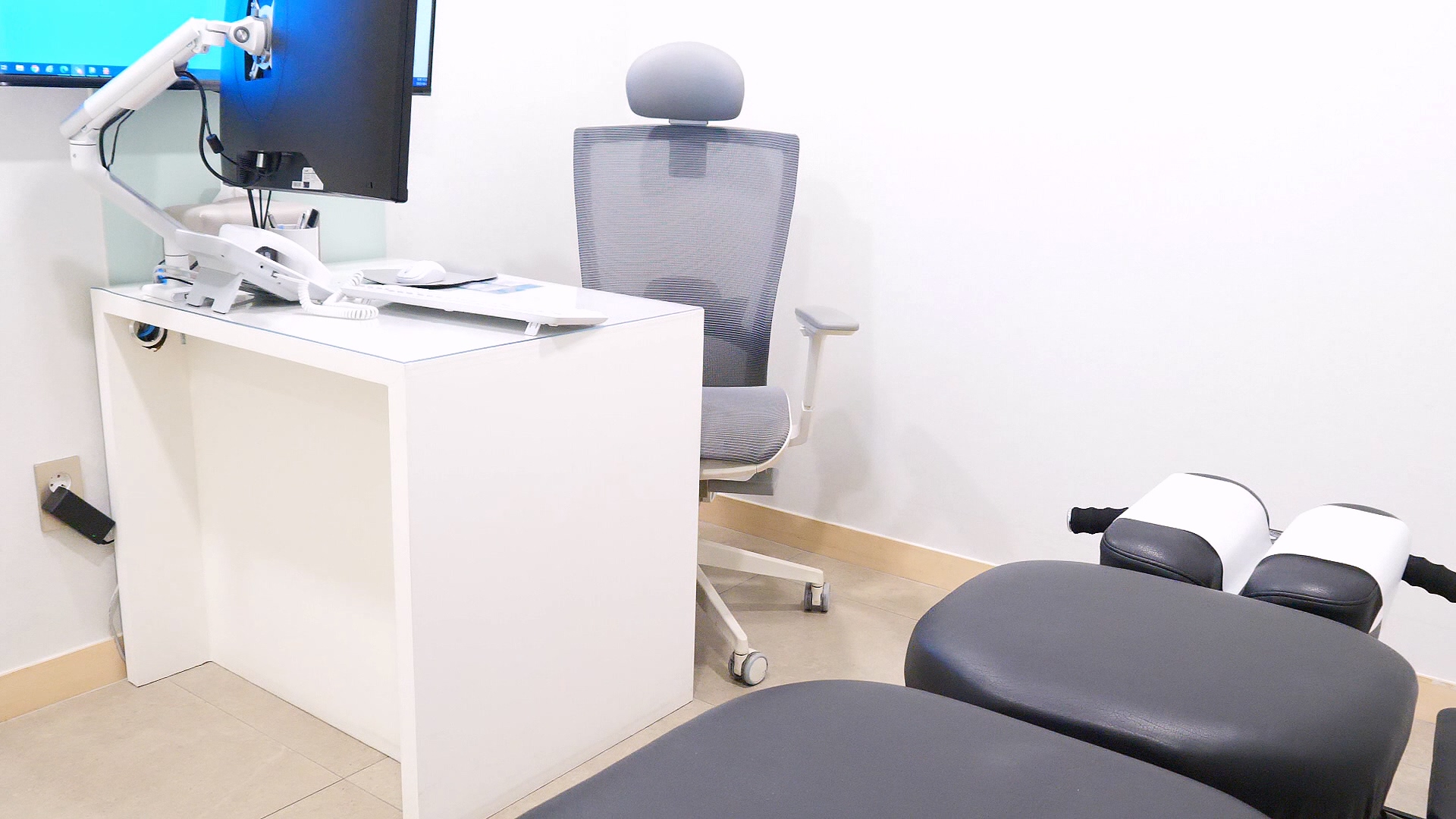
My clinical practice is dedicated to identifying the root causes of pain and restricted movement through acupotomy and structural restoration. Many patients suffer from persistent stiffness that does not respond to conventional care. My focus is on using specialized, blade-shaped acupuncture tools to release internal adhesions and restore the body’s natural balance. This guide outlines how we address these structural barriers to help you regain functional mobility and a healthy daily life.
Defining the Acupotomy Technique in Modern Korean Medicine
Acupotomy is a modern therapeutic evolution of traditional acupuncture, utilizing a specialized tool with a flat, blade-like tip to physically release soft tissue adhesions. Unlike standard needles that primarily focus on stimulation, the tools we use at Bonecure are designed to enter the subcutaneous layer to physically separate thickened, scarred, or adhered fascia and ligaments. This intervention is crucial for conditions where tissue has become so dense that traditional therapies provide only temporary relief. By addressing these structural barriers, we create the necessary environment for joints to move freely and for nerves to function without irritation. At Bonecure, we prioritize the use of sterile, single-use equipment to ensure the highest safety standards for every procedure.
The Science of Tissue Adhesion and Joint Stiffness
When the body undergoes chronic inflammation or repetitive stress, it often produces excessive fibrous tissue, a process known as adhesion. These adhesions act like internal glue, binding muscles and fascia that should normally slide past one another. In my clinical observations, including chronic cases lasting over a decade, this internal "stiffness" results in significant restrictions in the range of motion in adjacent joints. This is not a simple surface-level muscle knot but a deep structural change that requires a precise physical release. Our acupoint release technique focuses on these specific zones of fibrotic change. By carefully separating adhered fibers, we restore the natural gliding mechanism of soft tissues, which is fundamental for long-term comfort and healthy movement.
How Structural Alignment Impacts Daily Movement
Structural alignment is the foundation of efficient movement. When a spinal segment or major joint is misaligned, the body overcompensates, leading to further strain and tissue damage. At Bonecure, we utilize diagnostic insights, including X-ray analysis through our partner hospitals (such as Harrison Hospital), to identify these precise deviations. For instance, a cervical misalignment can lead to a noticeable loss in rotation, which may manifest as chronic headaches or vestibular issues. By restoring proper alignment through a combination of Chuna therapy and acupotomy, we reduce mechanical stress on the nervous system. Proper structural positioning allows the body's framework to work in harmony, preventing premature wear and ensuring that daily activities are performed with minimal resistance.
The Mechanism of Acupoint Release for Chronic Pain
Our approach involves the application of micro-pressure to physically separate internal scars and alleviate chronic pain. We target the 'root' of the pain—the points where structural tension is highest. By using a fine, blade-shaped needle, we perform a highly targeted intervention that releases deep-seated tension. This method is particularly effective for patients who have found that standard treatments offer only fleeting relief. Through this structural reset, we aim to normalize the environment around joints and nerves, allowing the body’s innate recovery processes to take over. While the procedure involves some physical pressure, it is a focused alternative to more invasive surgical options for many chronic conditions.
Releasing Adhesion to Restore Range of Motion
Restoring mobility requires direct intervention into the fibrotic tissues blocking joint movement. In clinical practice, releasing a major adhesion can lead to a perceptible improvement in flexibility, though individual results will vary based on the patient's condition and the chronicity of the injury. We focus on specific anatomical markers where the fascia has tightened. For example, in treating lower back pain, we often address the muscles that develop adhesions from prolonged sitting. By physically breaking these bonds, we allow the joint to regain its capacity for movement. This restoration is critical for preventing future injuries and slowing degenerative changes in the spine and extremities.
Promoting Natural Tissue Regeneration Through Micro-Stimulation
Beyond the physical separation of tissue, the micro-stimulation provided by acupotomy triggers the body’s regenerative response. Releasing an adhesion creates a controlled environment that stimulates blood flow and the migration of healing cells. In complex cases, such as those involving sensory recovery or chronic tinnitus, patients may require a consistent series of sessions to see significant functional changes, as tissue regeneration is a cumulative process. This stimulation encourages the production of healthy collagen fibers organized along lines of mechanical stress. At Bonecure, we emphasize that while the release provides the opportunity for movement, the subsequent biological regeneration is what helps prevent the recurrence of pain.
Addressing Chronic Pain in Back and Spinal Structures
Chronic spinal pain is often the result of long-standing structural imbalances and deep adhesions around the vertebral joints. Many patients present with high pain scales after other treatments have failed. By applying acupotomy to the paraspinal muscles and ligaments, we can reduce internal pressure on the spinal structures. I have observed cases where long-term discomfort was significantly alleviated following a comprehensive structural program. However, it is important to note that results are case-specific. Addressing these spinal adhesions helps decompress the nerves and improve metabolic flow, which is essential for managing pain that has resisted less intensive forms of therapy.
Comparative Analysis: Traditional Acupuncture vs. Acupoint Release Technique
Comparing traditional acupuncture with the acupoint release technique highlights the specialized nature of structural restoration. While traditional acupuncture is effective for symptom management and nervous system regulation, acupoint release is specifically designed for physical structural change.
| Feature | Traditional Acupuncture | Acupoint Release (Acupotomy) |
|---|---|---|
| Tool Shape | Fine, filiform needle | Specialized flat-blade needle |
| Primary Goal | Nerve stimulation | Physical release of tissue adhesions |
| Target Tissue | Skin and muscle layers | Deep fascia, ligaments, and scars |
| Chronic Focus | General pain management | Severe, fibrotic chronic conditions |
| Sensation | Mild tingling or ache | Deep pressure or brief sharp ache |
Clinical Applications for Spine and Joint Health
Clinical applications at Bonecure focus on restoring mobility and reducing pain through precise structural intervention tailored to each patient's anatomical needs. Our goal is to improve quality of life by facilitating better movement. Acupotomy and Structural Restoration: A Guide to Precision Care at Bonecure
Improving Cervical Rotation and Reducing Neck Stiffness
Neck stiffness is a common modern complaint, often leading to restricted rotation and tension headaches. We apply acupoint release to the suboccipital muscles and cervical fascia to restore the neck's natural integrity. Patients often experience a gradual improvement in rotation after a series of sessions, though chronic cases require more intensive care. This mobility is vital because the cervical spine houses critical nerves and arteries. By releasing adhesions that lock vertebrae in place, we support better blood flow and nervous system function, ensuring relief is part of a broader structural restoration.
Lower Back Pain Management and Spinal Decompression
Lower back pain is frequently linked to lumbar compression and connective tissue adhesion. Acupotomy targets the deep ligaments of the lumbar spine, providing a form of manual decompression. For those who have suffered for years, relief often occurs when we address the fibrotic tissue pulling the spine out of alignment. This reduces pressure on the intervertebral discs. Treatment frequency is established based on the patient's unique state, focusing on stable, long-term improvement. While the procedure involves temporary soreness, the reduction in chronic pressure often leads to a significant increase in functional capacity.
Case-Specific Observations on Structural Realignment
Every patient presents a unique structural puzzle. For instance, in some cases involving spinal curvature, we have observed measurable improvements in alignment through combined acupotomy and Chuna therapy, supported by post-treatment X-ray data. It is important to emphasize that while significant functional recovery is possible, every individual responds differently. Some may require a longer period of care to achieve their mobility goals. This evidence-based approach ensures that our treatments are grounded in clinical reality. Dr. Song Jeong-hyeon: Precision Acupotomy and Impactful Structural Recovery at Bonecure
Patient Experience and Safety Protocols at Bonecure
Patient experience and safety are our top priorities. We follow strict protocols to ensure every treatment is safe and effective. We prioritize clear communication, ensuring you are fully informed about potential benefits and the necessary precautions for your specific case.
Understanding the Treatment Process and Immediate Sensations
During a session, we perform a thorough structural examination. The procedure involves the insertion of the acupotomy tool into identified areas of adhesion. Patients typically describe a sensation of deep pressure or a brief, sharp ache. This is often a sign that the tool is successfully addressing the fibrotic tissue. Following the treatment, it is common to feel immediate lightness, though this may be accompanied by temporary muscle soreness, often called 'good pain.' This typically subsides within 24 to 48 hours as the body begins to heal.
Risk Management and Potential Side Effects of Acupotomy
Acupotomy is safe when performed by a trained professional, but like any medical intervention, it carries certain risks. Potential side effects include localized pain, temporary bleeding, minor bruising, or soreness at the site. More rare risks include infection or temporary nerve irritation. To minimize these, we use sterile, single-use equipment and follow precise anatomical mapping. Patients must disclose any blood-thinning medications or underlying health conditions prior to treatment. We provide detailed aftercare instructions to ensure the treated area heals correctly.
Frequency of Care and Long-term Mobility Maintenance
The frequency of treatments depends entirely on the nature and chronicity of the condition. While acute issues may require only a few sessions, chronic structural misalignments usually necessitate a more structured course of treatment tailored to the patient's healing capacity. Once initial adhesions are released, we shift the focus to long-term maintenance, which may include periodic check-ups or specific exercises to maintain alignment. We recommend a 24 to 48-hour rest period after intensive sessions to allow tissues to stabilize.
Key Takeaways
- Targeted Release: Acupotomy physically breaks down fibrotic adhesions that cause significant joint range of motion restrictions.
- Structural Alignment: Bonecure utilizes Chuna and acupotomy to correct misalignments identified through careful assessment and X-ray diagnostics.
- Personalized Care: Treatment frequency and goals are customized based on the severity and chronicity of each patient's condition.
- Safety Standards: We minimize risks such as bruising or soreness through sterile equipment and precise anatomical knowledge.
- Long-Term Health: Success is achieved through a combination of physical release and the body’s cumulative regenerative response.
Frequently Asked Questions
Q. What is the acupoint release technique used at Bonecure?
It is a specialized technique (acupotomy) that uses a blade-shaped needle to physically release adhesions in soft tissue, restoring blood flow and mobility to joints restricted by scarred or thickened tissues.
Q. Does the acupoint release treatment cause pain?
Patients generally feel deep pressure or a momentary sharp ache during the release. While more intense than standard acupuncture, the discomfort is brief, and many find the resulting relief from chronic stiffness to be significant.
Q. How many sessions are required to see improvements?
The number of sessions depends on the severity and duration of your condition. We evaluate each patient individually to create a personalized plan; some see changes quickly, while chronic cases require a more consistent course of care.
Q. Are there side effects or risks associated with this procedure?
Common side effects include temporary soreness, minor bruising, or light bleeding, which typically resolve within 48 hours. Rare risks like infection are mitigated through strict sterilization and expert anatomical precision.
Q. Is this technique effective for chronic back pain?
Acupotomy is designed for chronic, fibrotic conditions that have not responded to standard treatments. By addressing the root structural cause, it can be highly effective for persistent pain, though results vary by individual.
Q. How does this differ from physical therapy or stretching?
While physical therapy focuses on muscle strengthening and length, acupoint release removes the internal physical adhesions that might prevent those exercises from being effective. It acts as a structural reset.
Q. Can I return to normal activities immediately after treatment?
We recommend rest on the day of treatment and avoiding strenuous exercise for 24 to 48 hours to allow the tissues to stabilize and heal correctly. Light activity like walking is generally encouraged.
Bonecure Korean Medicine Clinic / Dr. Song Jeong-hyeon
FAQ
- What exactly is the acupoint release technique used at Bonecure?
- The acupoint release technique, also known as acupotomy, utilizes a specialized blade-shaped needle to physically release adhesions in the soft tissue. This helps restore blood flow and improves the mobility of joints that have been restricted by thickened or scarred tissues. It is a modern evolution of traditional medicine focused on structural restoration.
- Does the acupoint release treatment for joint mobility cause pain?
- Patients often describe the sensation as a deep, heavy pressure or a momentary sharp ache during the release of adhesions. While it can be more intense than general acupuncture, many find the subsequent relief from chronic stiffness to be significant. Individual sensitivity varies, and any discomfort is usually very brief.
- How many sessions are typically required to see improvements in mobility?
- The number of sessions depends on the chronicity and severity of the condition. While some individuals notice changes after a few sessions, chronic cases or severe structural misalignments often require a series of treatments to achieve stable results. We evaluate each case individually using tools like X-ray analysis.
- Are there any side effects or risks associated with this procedure?
- Common side effects include temporary soreness, minor bruising, or light bleeding at the site of the procedure. While rare, infection or nerve irritation are potential risks that we mitigate through strict sterilization and anatomical knowledge. Most side effects resolve within 24 to 48 hours.
- Is this technique effective for chronic back pain that has not responded to other treatments?
- Acupotomy is specifically designed to address chronic conditions where tissue has become fibrotic or adhered. In my experience at Bonecure, it can be effective for persistent back pain that hasn't responded to stretching or standard needles. Results depend on the underlying structural health of the patient.
- How does this differ from standard physical therapy or stretching?
- Physical therapy and stretching focus on lengthening muscles and strengthening supporting structures. Acupoint release physically breaks down the internal adhesions that may prevent those exercises from being fully effective. It acts as a structural reset that makes subsequent physical therapy more efficient.
- Can I return to normal activities immediately after a mobility treatment?
- We generally recommend a period of rest on the day of treatment to allow the body to process the structural changes. Avoid strenuous exercise or heavy lifting for 24 to 48 hours to allow the treated tissues to begin the healing process without unnecessary strain. Light walking is usually encouraged.