
Post
A 2026 Clinical Guide to Stress Panic Attack Symptoms and Structural Recovery
Hello. I am Song Jung-hyun, an oriental medical doctor who has focused on miniscalpel acupuncture for many years.
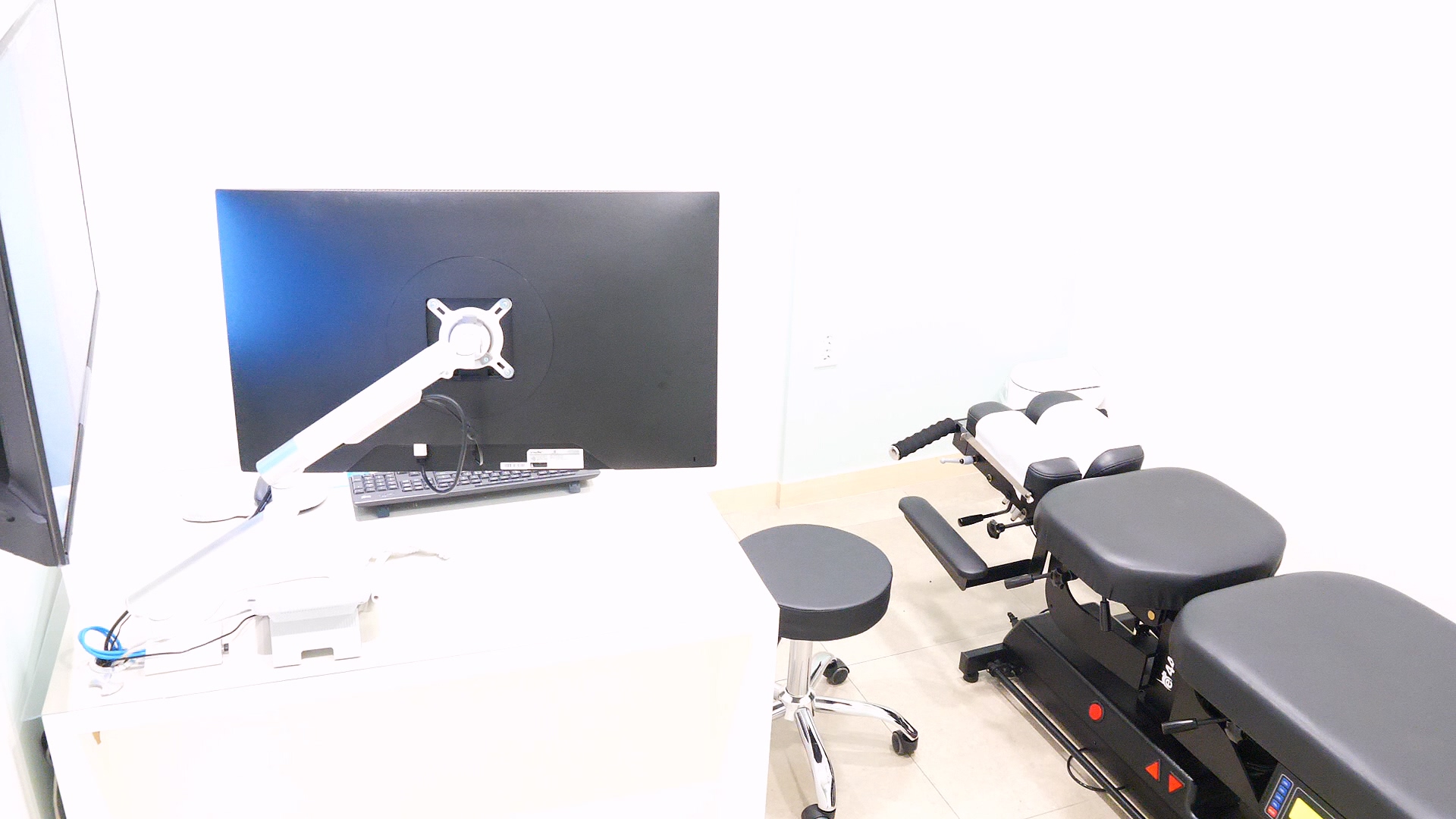
Stress panic attack symptoms are intense physical and psychological reactions to perceived threats or chronic pressure, often manifesting when the body's alarm system becomes hypersensitive. In this guide, I will explain why looking beyond the mind to the physical structure of the spine can be helpful in seeking relief and supporting autonomic stabilization.
Understanding Stress Panic Attack Symptoms and the Body's Alarm System
Stress panic attack symptoms are defined as the acute activation of the sympathetic nervous system in response to emotional or physiological stressors, leading to a cascade of involuntary physical responses. This state, often referred to as the 'fight or flight' response, occurs when the brain perceives danger, even if no immediate external threat is present. When these episodes occur frequently, they indicate that the body's natural regulatory mechanisms are struggling to return to a state of homeostasis.
Common Physical Manifestations of Stress Panic Attacks
The physical profile of a panic episode is often so severe that individuals mistake it for a cardiovascular emergency. Patients typically report a rapid, pounding heartbeat, sudden shortness of breath, and significant chest pain or tightness. These symptoms are frequently accompanied by profuse sweating, trembling, and a sense of choking. In clinical observations at Bonecure, we often see that these physical signals are not random. For instance, in case studies involving chronic autonomic distress, objective measurements have shown a significant reduction in physiological anxiety markers after structural intervention. These physical manifestations represent the body's attempt to mobilize resources, yet when the nervous system is hyper-reactive, even minor stressors can trigger a full-scale physical alarm. This heightened state of arousal can lead to secondary symptoms such as dizziness or nausea, which further fuel the cycle of panic and physical discomfort throughout the body.
The Psychological Impact of Recurrent Panic Episodes
Beyond the physical toll, recurrent panic episodes create a profound psychological burden characterized by an overwhelming sense of impending doom. This psychological distress often manifests as a fear of losing control, 'going crazy,' or even the fear of death during the height of an attack. Many individuals also experience depersonalization or derealization, where the world feels dreamlike or they feel detached from their own bodies. In my clinical experience, patients with long-term symptoms often develop 'anticipatory anxiety,' where the fear of having another attack becomes a constant source of stress. While cognitive approaches are common, stabilizing the physical foundation is crucial. For example, my clinical data includes a case involving 18 years of chronic tinnitus where addressing the structural root helped lower psychological distress scores from a severe 54 points down to a manageable baseline of 2 points on standardized scales, illustrating the profound link between physical alignment and mental calm.
How Chronic Stress Weakens the Nervous System
Chronic stress acts as a persistent drain on the nervous system's reserves, eventually leading to a state of exhaustion where the autonomic balance is lost. When the body is constantly exposed to stress hormones like cortisol and adrenaline, the parasympathetic nervous system, responsible for 'rest and digest' functions, becomes suppressed. In structural assessments at Bonecure, we frequently observe that patients under chronic stress exhibit significant muscular guarding and spinal tension. This physical rigidity irritates the nerves that regulate the stress response, creating a biological environment where panic can flourish. Data from clinical case reports suggest that without addressing this underlying nervous system fatigue, symptoms often recur even after temporary relief. Restoring the body's capacity to handle stress requires both emotional support and a physical release of the chronic tension stored within the deep tissues and spinal structures of the patient.
Structural Integrity and Autonomic Balance in Stress Management
Structural integrity refers to the proper alignment and health of the musculoskeletal system, particularly the spine, which serves as the protective housing for the central nervous system. When the spine is correctly aligned, the nerves can transmit signals between the brain and the rest of the body without interference. In the context of stress management, maintaining this structural balance is vital because any misalignment can create 'physical noise' that the brain interprets as a constant state of low-level threat, thereby lowering the threshold for a panic attack.
The Relationship Between Spinal Alignment and Panic Responses
There is a direct physiological link between the alignment of the cervical spine and the body's panic responses. The upper neck area houses critical pathways for the autonomic nervous system. When the vertebrae are misaligned or 'locked' due to poor posture or injury, they can put pressure on the surrounding nerves. At Bonecure, we utilize X-ray analysis to identify these structural deviations. We have observed that many patients suffering from panic symptoms also present with a loss of the natural cervical curve. This structural distortion can overstimulate the sympathetic chain, leading to a state of 'hyper-vigilance' in the brain. Correcting these alignments has shown promising results. For instance, in cases of autonomic imbalance, restoring the spinal curve through specialized techniques often coincides with a decrease in the frequency of panic episodes, as the physical irritation to the nervous system is reduced and the body regains its natural balance.
How Vagus Nerve Function Influences Stress Recovery
The vagus nerve is the primary component of the parasympathetic nervous system and plays a central role in calming the body after a stress event. If the structures in the neck or upper back are compromised, the vagus nerve's ability to signal the 'relaxation response' can be impaired. This means that after a stressor passes, the body remains in a high-alert state for much longer than necessary. Through the use of miniscalpel acupuncture, we target the adhesions and tight tissues that may be compressing or irritating the vagal pathway. By improving the environment around this nerve, we help the body regain its ability to self-soothe. Clinical data from our practice includes cases where patients saw a notable acceleration in their recovery speed after a panic event, moving toward much faster physiological settling after structural treatment compared to their pre-treatment baseline.
Clinical Observations: Structural Tension and Anxiety Loops
Clinical observations suggest that physical tension in the upper trapezius and suboccipital muscles often mirrors the internal state of anxiety. This creates a feedback loop where mental stress causes muscle tension, and that muscle tension, in turn, signals to the brain that the body is in danger. To break this cycle, we must address the physical adhesions that keep the muscles in a state of contraction. In our review of multiple clinical cases, addressing these structural loops has been a key factor in long-term stabilization. For example, a patient who had experienced symptoms for over a decade found that once the deep spinal adhesions were released, the 'background' feeling of anxiety subsided significantly. This suggests that the brain can only truly relax when the body's structural signals are no longer reporting a state of emergency to the central nervous system.
Traditional Korean Medicine Approaches to Panic and Chronic Pain
Traditional Korean Medicine (TKM) for stress and panic focuses on restoring the flow of vital energy and blood circulation while addressing the physical imbalances that contribute to emotional distress. TKM views the body and mind as an inseparable unit, where the health of the internal organs and the skeletal structure directly influences emotional stability. By utilizing time-tested techniques like acupuncture and Chuna therapy, we aim to harmonize the autonomic nervous system and release the 'stagnation' that manifests as chronic pain and acute panic symptoms.
Acupuncture for Back Pain and Emotional Regulation
Acupuncture targeting the back is a sophisticated method for regulating emotions by influencing the spinal nerves. In TKM, the 'Bladder Meridian' which runs along the spine is closely linked to the function of the internal organs and the stress response. When we use acupuncture for back pain, we are also stimulating the nerves that communicate with the brain's emotional centers. At Bonecure, we have seen that patients receiving treatment for chronic spinal tension often report a secondary benefit of feeling 'lighter' and more resilient. By relaxing the deep musculature of the back, we remove physical triggers that often exacerbate stress panic attack symptoms, providing a more stable foundation for both physical and mental health. While generally safe, patients may experience temporary soreness or minor bruising at the needle sites.
Moxibustion Therapy in Seoul for Restoring Vitality
Moxibustion therapy in Seoul is frequently used to restore vitality to patients who have been depleted by the exhaustive cycle of panic attacks. This therapy involves the application of heat to specific points, which improves local blood flow and stimulates the parasympathetic nervous system. For those with stress-induced disorders, moxibustion helps to warm the core and improve digestion, which is often compromised during periods of high anxiety. The gentle, penetrating heat helps to soften rigid tissues that traditional needles might not reach as effectively. In clinical practice, we find that combining moxibustion with structural realignment provides a comprehensive recovery path. While moxibustion is safe, it is important to note that individual skin sensitivity varies, and treatments should always be administered by a qualified professional.
Integration of Oriental Medicine for Chronic Pain and Anxiety
The integration of oriental medicine for chronic pain and anxiety offers a holistic approach to recovery. This perspective recognizes that chronic pain can be a significant trigger for panic, and vice versa. At Bonecure, our integrative protocol involves detailed physical examinations and traditional diagnostic methods to create a tailored treatment plan. This might include herbal prescriptions to nourish the nervous system alongside physical procedures. In clinical practice, patients with both chronic neck pain and frequent panic attacks may find that a tailored course of integrative care helps reduce the frequency of their symptoms, though individual results vary based on the patient's condition. Chronic conditions often require a series of treatments to retrain the body's responses, as there are no 'instant cures' for long-standing structural issues.
Comparison: Conventional Stress Management vs. Bonecure Structural Recovery
Conventional stress management typically focuses on cognitive behavioral therapy and pharmacological interventions to manage the psychological symptoms of panic. The Bonecure approach to structural recovery is designed to work alongside these established methods by focusing on the physical environment in which the nervous system operates.
| Feature | Conventional Stress Management | Bonecure Structural Recovery |
|---|---|---|
| Primary Focus | Cognitive patterns & neurotransmitters | Spinal alignment & nerve decompression |
| Mechanism | Behavioral change or medication | Releasing adhesions & restoring structure |
| Target | Emotional and mental symptoms | Autonomic nervous system & physical root |
| Methodology | Therapy (CBT) and/or Pharmacology | Miniscalpel acupuncture & Chuna therapy |
| Outcome Goal | Symptom management & coping skills | Long-term autonomic stabilization |
Why Structural Realignment Matters for Long-Term Calm
Structural realignment addresses the 'hardware' of the human stress response. Even with psychological tools, a person may still feel anxious if their body is constantly sending signals of physical distress to the brain due to a misaligned spine. At Bonecure, we focus on the long-term calm that comes from a nervous system that is no longer being irritated by its own physical housing. By restoring the correct spinal curvature and releasing deep-seated muscular adhesions through miniscalpel acupuncture, we allow the parasympathetic nervous system to function effectively. Clinical reports indicate that patients who undergo structural realignment often experience a shift in their baseline anxiety levels. While individual results vary, the stabilization of the physical structure provides a more resilient platform for overall well-being.
Case-Specific Approaches at a Korean Traditional Medicine Clinic in Cheongdam
At our Korean traditional medicine clinic in Cheongdam, we emphasize case-specific approaches because every individual's structural and emotional history is unique. By using advanced diagnostic tools and traditional techniques, we can pinpoint the locations of structural stress. In our practice, we have documented cases where patients from various backgrounds found relief. For instance, addressing upper cervical alignment may help support the body's natural ability to manage stress during challenging situations. Each treatment plan is a collaborative effort, ensuring that the pace and intensity of the therapy are appropriate for their specific needs and physical condition.
A 2026 Clinical Guide to Autonomic Dysfunction and Structural Recovery in Korean Medicine
Innovative Interventions: Miniscalpel Acupuncture and Autonomic Recovery
Innovative interventions like miniscalpel acupuncture represent a modern evolution of traditional techniques, specifically designed to address the complex relationship between physical structure and autonomic health. This procedure uses a specialized tool to release stubborn adhesions and thickened tissues. By physically breaking down these obstructions, we can restore the natural movement of the spine and improve the function of the nerves that govern our involuntary responses.
Releasing Adhesions to Stabilize the Autonomic Nervous System
Releasing deep-seated adhesions is a critical step in stabilizing the autonomic nervous system. Adhesions are bands of scar-like tissue that form between muscles and nerves, often acting like 'clamps' on the nerves. Using miniscalpel acupuncture, we can precisely target these areas. At Bonecure, we have seen that when these physical 'clamps' are released, the autonomic nervous system can more easily transition from a state of sympathetic dominance to a balanced state. For example, in our documented clinical cases, patients with severe autonomic dysfunction often show improvements in heart rate variability (HRV) after the release of cervical adhesions. While the procedure can cause temporary soreness, minor bleeding, or rare risk of infection, these are typically short-lived compared to the benefit of reducing the physical fuel for stress panic attack symptoms.
Restoring Natural Alignment for Sustained Mental Health
Restoring natural alignment is about creating the physical conditions necessary for sustained mental health. A spine that is properly aligned allows for optimal nerve conduction, essential for emotional regulation. At Bonecure, we view structural recovery as a foundational pillar of well-being. When the spine is in its natural state—as our slogan 'When your bones smile, life smiles' suggests—the brain is better equipped to process stress. Data from our clinic shows that even complex cases show marked improvement when alignment is prioritized. By treating the physical structure, we provide the patient with a sturdy internal environment that can withstand the inevitable stresses of modern life.
Clinical Notes on Structural Treatment for Stress Related Disorders
Clinical notes from my years of practice indicate that structural treatment is often the 'missing piece' for many suffering from stress-related disorders. It is important to note that these treatments must be part of a comprehensive care plan. While miniscalpel acupuncture is effective, it is not without limitations; patients with acute infections or certain bleeding disorders may not be candidates. Furthermore, chronic or severe cases often require multiple sessions—sometimes up to 20 depending on the condition—to achieve stabilization. However, the objective improvements we see, such as X-ray evidence of improved spinal curvature and patient-reported reductions in anxiety scores, are highly encouraging. We use objective indicators to monitor progress, helping patients return to a life free from the shadows of panic.
Frequently Asked Questions
Q. What are the primary stress panic attack symptoms I should look for?
Symptoms often include a rapid heartbeat, shortness of breath, sudden sweating, chest pain, and an overwhelming sense of impending doom. These physical signals indicate a sudden surge in the sympathetic nervous system, which can be linked to chronic structural tension. Identifying these symptoms early allows for more proactive management.
Q. Can acupuncture for back pain also help with panic attacks?
Yes, acupuncture targeting the back can release physical tension that often mirrors psychological stress. By calming the nerves along the spine, it can help lower the body's overall reactivity to stress triggers. Many patients find that as their back pain subsides, their frequency of panic attacks also decreases.
Q. How does moxibustion therapy in Seoul assist in stress recovery?
Moxibustion uses localized heat to improve circulation and stimulate the autonomic nervous system. At clinics in Seoul, this is used to restore balance to the body's energy. This warming therapy can be particularly helpful for those who feel physically exhausted due to prolonged anxiety.
Q. Is there a relationship between spinal health and anxiety?
Clinical observations suggest that spinal misalignment can irritate nerves that regulate the stress response. Correcting these structural issues can reduce the 'physical background noise' that often precedes a panic attack. A healthy spine provides a clearer pathway for the signals that keep our emotions in balance.
Q. What makes the approach at Bonecure in Cheongdam different?
Bonecure integrates modern structural analysis with traditional methods like miniscalpel acupuncture. This combination focuses on the physical root causes of nervous system dysfunction, such as deep-seated adhesions, rather than just managing emotional symptoms.
Q. Are the results of these treatments guaranteed for every patient?
Results vary depending on the individual's condition, severity, and overall health status. Chronic cases typically require multiple sessions to achieve structural and neurological stabilization. It is important to have a personalized consultation to understand the timeline for your specific situation.
Q. What are the potential side effects of miniscalpel acupuncture for stress?
Some patients may experience temporary soreness at the treatment site, minor bruising, or very rarely, a slight infection. These side effects are generally transient as the body begins the process of structural realignment and tissue recovery. We always prioritize patient safety and provide detailed aftercare instructions.
Key Takeaways
- Autonomic Stabilization: Stress panic attack symptoms are often driven by an overactive sympathetic nervous system that can be calmed through structural recovery.
- Structural Focus: Spinal misalignment, particularly in the cervical region, can irritate nerves and lower the threshold for panic episodes.
- Integrative Care: Combining traditional Korean medicine with procedures like miniscalpel acupuncture offers a holistic path to mental and physical health.
- Evidence-Based Observations: Clinical data at Bonecure shows significant reductions in distress scores and improved spinal alignment in patients undergoing structural treatment.
- Individualized Treatment: Recovery plans are tailored to each patient, often requiring a series of treatments for long-term stabilization and resilience.
For more information on how structural recovery can help you manage stress and anxiety, please contact us for a detailed consultation.
Bonecure / Song Jung-hyun
FAQ
- What are the primary stress panic attack symptoms I should look for?
- Symptoms often include a rapid heartbeat, shortness of breath, sudden sweating, chest pain, and an overwhelming sense of impending doom. These physical signals indicate a sudden surge in the sympathetic nervous system, which can be linked to chronic structural tension. Identifying these symptoms early allows for more proactive management of the autonomic nervous system.
- Can acupuncture for back pain also help with panic attacks?
- Yes, acupuncture targeting the back can release physical tension that often mirrors psychological stress. By calming the nerves along the spine, it can help lower the body's overall reactivity to stress triggers. Many patients at Bonecure find that as their back pain subsides, their frequency of panic attacks also significantly decreases.
- How does moxibustion therapy in Seoul assist in stress recovery?
- Moxibustion uses localized heat to improve circulation and stimulate the autonomic nervous system. At clinics in Seoul, this is used to restore balance to the body's energy, which is often depleted by chronic panic episodes. This warming therapy can be particularly helpful for those who feel physically cold or exhausted due to prolonged anxiety.
- Is there a relationship between spinal health and anxiety?
- Scientific observation suggests that spinal misalignment can irritate nerves that regulate the stress response. Correcting these structural issues can reduce the 'physical background noise' that often precedes a panic attack. A healthy spine provides a clearer pathway for the signals that keep our emotions and physical responses in balance.
- What makes the approach at Bonecure in Cheongdam different?
- Bonecure integrates modern structural analysis with traditional methods like miniscalpel acupuncture. This combination focuses on the physical root causes of nervous system dysfunction rather than just managing emotional symptoms. By releasing deep adhesions, we address the mechanical triggers of the stress response.
- Are the results of these treatments guaranteed for every patient?
- Results vary depending on the individual's condition, the severity of their symptoms, and their overall health status. Chronic cases may require multiple sessions to achieve significant structural and neurological stabilization. It is important to have a personalized consultation to understand the expected timeline for your specific situation.
- What are the potential side effects of miniscalpel acupuncture for stress?
- Some patients may experience temporary soreness at the site of treatment, minor bruising, or very rarely, a slight infection. These side effects are generally transient and occur as the body begins the process of structural realignment and tissue recovery. We always prioritize patient safety and provide detailed aftercare instructions.