
Post
Acupuncture Clinic Gangnam Seoul: A 2026 Guide to Structural Recovery at Bonecure
Greetings. I am Dr. Song Jung-hyun, a Korean medicine doctor who has long specialized in acupotomy and structural restoration. My goal at Bonecure is to help you achieve a balanced life through scientific and evidence-based medicine that focuses on the root cause of your physical discomfort.
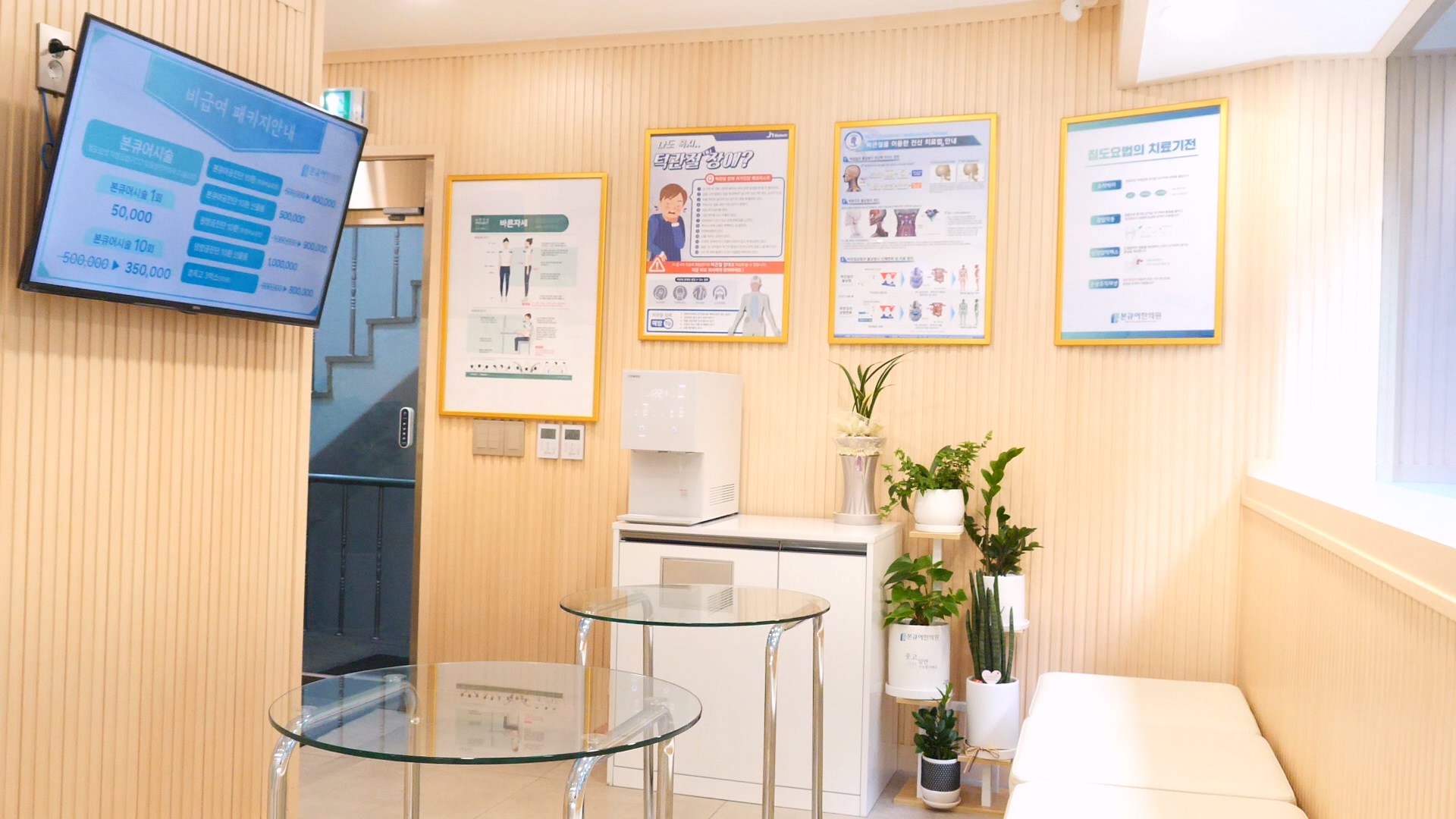
By integrating modern diagnostic tools with specialized acupuncture and acupotomy techniques, we aim to restore your body's natural alignment and vitality.
Understanding Traditional Korean Medicine and Bonecure Clinic in Gangnam
An acupuncture clinic in Gangnam Seoul refers to a specialized healthcare facility that integrates centuries-old Korean medical wisdom with contemporary anatomical precision to address musculoskeletal and neurological imbalances. At Bonecure, we define this approach as structural restoration, focusing not just on the symptom but on the underlying skeletal and soft tissue environment that governs systemic health. This methodology ensures that we address the functional root of pain rather than providing temporary relief.
Core Philosophy of an Acupuncture Clinic in Gangnam Seoul
The core philosophy of a specialized acupuncture clinic in Gangnam Seoul centers on the belief that structural integrity is the foundation of internal health. At Bonecure, we operate under the guiding principle that when your bones smile, your entire life smiles. This signifies that a correctly aligned skeletal system reduces the burden on the nervous system and enhances overall vitality. My approach as Dr. Song Jung-hyun focuses on identifying where the body has lost its natural symmetry due to repetitive stress or injury. Rather than lengthy consultations, we prioritize highly efficient, impactful treatments that address the root cause of pain within condensed 10-to-20-minute sessions. Our clinic emphasizes the relationship between the spine and the brain, ensuring that every needle placement or manual adjustment serves the goal of holistic structural recovery and rapid functional improvement for every individual.
Defining Traditional Korean Medicine and Its Modern Clinical Application
Defining Traditional Korean Medicine today involves a sophisticated synthesis of ancient acupuncture techniques and modern anatomical knowledge. In an acupuncture clinic in Gangnam Seoul, this translates to using diagnostic tools like whole spine X-rays to visualize misalignments before treatment begins. Traditional Korean Medicine is not a stagnant practice, it is a dynamic field that now incorporates evidence-based protocols to manage chronic pain and complex neurological issues. At Bonecure, we apply these modern standards to ensure that every patient receives care that is both safe and effective. We utilize specialized tools such as the acupotomy, a blade-edged needle, to address deep-seated soft tissue adhesions that traditional methods might miss. This integration of technology and tradition allows us to treat conditions ranging from simple muscle strains to complex autonomic nervous system dysregulation. While results may vary, our clinical notes suggest that this dual approach provides a comprehensive pathway toward functional recovery.
Scientific Principles of Acu-puncture and Acu-point Release
The scientific principles of acupuncture and acupoint release are rooted in the modulation of the nervous system and the restoration of blood flow. When a needle is inserted into a specific acupoint, it triggers a local response that stimulates the nervous system. Furthermore, targeted acupotomy at Bonecure helps to physically release myofascial adhesions that restrict movement and compress nerves. Recent clinical observations indicate that this process can significantly alter the signaling pathways of the autonomic nervous system. By removing these physical obstructions, we allow for improved circulation and nutrient delivery to damaged tissues. This biological reset is essential for patients suffering from long-term inflammatory conditions. Our clinic utilizes these principles to bridge the gap between subjective pain relief and objective structural improvement. Scientific evidence supports the use of these techniques as a reliable method for managing chronic musculoskeletal disorders while promoting the natural regeneration of soft tissues.
For more information on the practitioners behind these techniques, you may read our A 2026 Guide to English-Speaking Korean Medicine Doctors: Global Care at Bonecure.
Comprehensive Treatment Options for Chronic Pain and Structural Health
Structural health and chronic pain management involve the systematic identification and correction of skeletal misalignments and soft tissue dysfunctions that lead to persistent physical discomfort. At Bonecure, this comprehensive approach combines traditional manual techniques with advanced needle-based interventions to ensure that the entire musculoskeletal system is balanced. This allows for improved range of motion and a reduction in the neurological stress caused by physical compression.
Specialized Acupuncture for Back Pain and Spinal Realignment
Specialized acupuncture for back pain and spinal realignment focuses on the deep-seated tensions that pull the vertebrae out of their natural position. At Bonecure, we recognize that back pain is often a symptom of structural imbalance rather than just a localized muscle issue. Our techniques involve identifying the specific segments of the spine where the surrounding ligaments and tendons have become fibrotic or adhered. By applying precise acupotomy to these areas, we can release the tension that maintains the misalignment. This process is often combined with Chuna therapy to reinforce the new, healthier alignment. Clinical case reports highlight that addressing these structural foundations can lead to significant improvements in mobility. While typical results are not guaranteed and may vary by case, focusing on the root cause of spinal stress is a supportive approach to achieving functional relief in a high-stress urban environment.
Acupotomy for Structural Release: Addressing Fibrosis and Adhesions
Acupotomy is a core treatment at Bonecure, designed to treat chronic pain by physically breaking down fibrotic tissue and adhesions. Unlike general acupuncture, the blade-edged needle allows for the mechanical dissection of scarred soft tissues that restrict movement. This therapy is particularly beneficial for patients who experience chronic stiffness, such as torticollis (Sagyong-jeung) or severe spinal tension. By restoring the natural length and elasticity of muscles through adhesion release, we enable the body to regain its proper structural alignment. We carefully assess each patient's condition to ensure the treatment is targeted and efficient. Clinical data suggests that acupotomy can be a powerful primary therapy for managing inflammatory conditions and improving musculoskeletal function. It serves as a direct and impactful way to support the body's structural correction without unnecessary downtime.
To better understand how these manual interventions work, please consult A 2026 Clinical Guide to Chuna Manual Therapy Benefits and Structural Recovery.
Characteristics of Modern Acu-puncture Techniques
| Feature | Advanced Acupotomy (Acu-puncture) |
|---|---|
| Primary Target | Deep soft tissue adhesion release |
| Tool Used | Specialized blade-edged needle |
| Action | Precise micro-adhesion dissection |
| Focus | Structural recovery of scarred tissue |
| Recovery Cycle | Targeted corrective phases |
Advanced Clinical Approaches for Complex Neurological Symptoms
Advanced clinical approaches for complex neurological symptoms focus on the intricate relationship between the central nervous system and the physical structure of the spine and cranium. These treatments aim to resolve imbalances in the autonomic nervous system that manifest as tinnitus, dizziness, or chronic anxiety. By correcting the structural environment around the nerves, we facilitate better communication between the brain and the body.
Managing Autonomic Nervous System Dysregulation and Tinnitus
Managing autonomic nervous system dysregulation and tinnitus requires a deep understanding of the connection between the cervical spine and cranial nerves. In our Gangnam clinic, we often see patients who have suffered from chronic tinnitus for long periods. At Bonecure, we approach these complex symptoms by examining the structural pressure on the upper cervical vertebrae. Misalignments in this area can interfere with the signals of the vagus nerve and the auditory pathways. Our specialized protocols involve releasing the adhesions around the atlas and axis bones to restore proper neurological communication. Case reports have shown that patients might see an improvement in symptoms after a dedicated course of treatment, though results vary by individual. This neurological stabilization is a key component of our integrative care, providing a path for those who have found little relief through conventional interventions alone.
Traditional Medicine Clinical Notes: Insights into Patient Recovery Journeys
Traditional medicine clinical notes provide invaluable insights into the diverse recovery journeys of our patients. These records document the transition from acute pain to functional stability. At Bonecure, we maintain detailed case reports that include objective measures like whole spine X-rays. For instance, we have documented cases where patients with moderate idiopathic scoliosis or post-concussion syndrome have achieved improved structural balance through consistent care. These notes emphasize that recovery is specific to the individual and requires a targeted approach. By reviewing these outcomes, we can refine our techniques and provide efficient care for new patients. It is important to note that while these case studies show significant potential for improvement, individual results depend on the specific health history of the person. These documented experiences serve as a testament to the efficacy of structural restoration in modern practice.
Treating 'Baeyeol-jeung' (Dorsal Burning Sensation) and Sensory Abnormalities
Targeted therapy for sensory abnormalities at Bonecure addresses conditions like 'Baeyeol-jeung,' where patients experience a burning or hot sensation in the back without an external heat source. This is often a sign of autonomic nervous system imbalance or nerve entrapment in the thoracic region. Our acupuncture clinic in Gangnam Seoul utilizes specific protocols to release the tension in the multifidus and erector spinae muscles that may be compressing the dorsal rami of the thoracic spinal nerves. By focusing on the structural alignment of the thoracic spine, we help to normalize sensory signaling. Clinical observations indicate that addressing the fascial adhesions around the shoulder blades is crucial for alleviating this distressing 'burning' sensation. We provide a clinically-focused environment where patients can address these complex sensory issues through precise acupotomy. Our goal is to resolve these abnormalities by balancing the internal nervous system through external structural correction.
Your Journey at a Premium Korean Traditional Medicine Clinic in Cheongdam
The journey at a premium Korean traditional medicine clinic in Cheongdam is a structured clinical process designed to guide patients from initial diagnosis through to structural health maintenance. This experience emphasizes clinical precision and the use of advanced acupotomy to ensure a high standard of care. We focus on an efficient environment where healing can happen through impactful and targeted procedures.
Targeted Acupotomy and Myofascial Adhesion Release
Targeted acupotomy and myofascial adhesion release are essential components of the treatment protocol at Bonecure. Rather than general cupping, we utilize the blade-edged needle to directly address micro-adhesions in the fascia that cause chronic stiffness and restricted range of motion. This process is highly effective for breaking down hardened tissues that accumulate due to repetitive stress. When combined with our Chuna therapy, acupotomy helps to accelerate the recovery of soft tissues after structural adjustments. Patients often describe an immediate feeling of improved flexibility following a session. This therapy ensures that the muscles can support the newly aligned skeletal structure effectively and without pain. While minor soreness may occur, it is a normal part of the tissue release process. This focused intervention is designed to achieve maximum functional improvement in minimal time.
Personalized Treatment Plans for Long-term Vitality and Mobility
Personalized treatment plans for long-term mobility are the cornerstone of the patient experience at Bonecure. We recognize that no two bodies are the same, and therefore, no two treatment paths should be identical. During your journey at our premium Korean traditional medicine clinic in Cheongdam, we conduct a thorough initial assessment to map out your specific structural needs. This plan includes a combination of acupotomy, manual therapy, and physical therapy tailored to your goals. Whether you are managing chronic fatigue or structural pain, our plans are designed for clinical efficiency. We emphasize that while immediate improvement is often felt, consistent care is necessary to achieve sustainable structural stabilization for chronic conditions. Our focus is on providing you with the treatments necessary to maintain mobility. By prioritizing high-impact structural health, we help you build a foundation for a life full of movement and vitality.
Essential Precautions and Patient Safety Guidelines for In-clinic Care
Essential precautions and patient safety guidelines for in-clinic care are strictly followed at Bonecure to ensure a safe environment for every visitor. As with any clinical procedure, minor side effects can occur. These may include temporary soreness at the site of acupotomy, slight bruising, or occasional mild bleeding. These reactions are generally brief and are considered a natural part of the body's response to tissue stimulation. We use only sterile, single-use disposable needles. Before starting treatment, we conduct a health screening to identify any contraindications. It is also advised that patients avoid strenuous exercise immediately after a session to allow the body to process the treatment effectively. Our team is dedicated to providing clear communication and professional care to ensure that your path to structural recovery is as comfortable and safe as possible.
For those suffering from nerve pain, you may explore A 2026 Clinical Guide to Trigeminal Neuralgia and Structural Recovery at Bonecure.
Frequently Asked Questions
Q. What should I expect during my first visit to Bonecure in Gangnam?
Your first visit involves a comprehensive structural analysis, including posture assessment and evaluation of structural misalignments. We focus on identifying the root cause of pain through efficient clinical observations to create a targeted treatment plan. This assessment ensures we understand your unique skeletal alignment before beginning our impactful 10-to-20-minute sessions.
Q. How does acupotomy at Bonecure differ from general acupuncture?
Unlike general acupuncture that focuses on energy flow, our acupotomy techniques use a specialized blade-edged needle to target deep tissue adhesions and fibrotic tissue. By mechanically releasing these adhesions, we aim to restore natural structural balance and facilitate immediate functional recovery. This approach targets the structural environment that maintains muscle tension.
Q. What is 'Baeyeol-jeung' and can it be treated?
'Baeyeol-jeung' refers to an abnormal burning sensation in the back, often linked to autonomic nervous system issues or nerve entrapment. At Bonecure, we treat this by releasing the structural tension and adhesions in the thoracic spine and surrounding muscles, which helps normalize sensory signals and reduce the burning sensation. Typical results vary depending on the chronicity of the condition.
Q. Are there any side effects to the advanced acupotomy used at Bonecure?
As with any clinical procedure, minor side effects like temporary soreness, slight bruising, or mild bleeding at the insertion site can occur. These symptoms are brief and a natural part of the tissue recovery process. We utilize sterile techniques and single-use needles to prioritize your safety and comfort throughout the process.
Q. How many sessions are typically required for chronic conditions?
While many patients report immediate improvement in symptoms after just one session, chronic or complex neurological cases may require a series of treatments to achieve sustainable structural stabilization. A typical course might involve 10 to 20 sessions depending on the initial structural assessment and the severity of the condition.
Q. Why does Bonecure prioritize shorter, impactful treatment sessions?
Dr. Song Jung-hyun focuses on a high-efficiency clinical system where treatments are condensed into 10-to-20-minute sessions of intensive, targeted acupotomy and Chuna. This allows us to focus entirely on the necessary structural corrections, providing impactful results without unnecessary time spent on non-clinical procedures.
Q. Does Bonecure provide treatment for specialized issues like tinnitus or Parkinsonism?
Yes, we utilize specialized protocols that combine structural spinal correction with targeted acupotomy to address the underlying imbalances often associated with tinnitus and Parkinson-like symptoms. These protocols focus on the cervical spine and are based on clinical case reports where structural restoration helped manage chronic symptoms.
Key Takeaways
- Bonecure specializes in structural restoration by integrating advanced acupotomy with modern diagnostic precision.
- Treatment sessions are highly efficient, typically lasting 10-20 minutes, focusing on immediate and impactful structural correction.
- Acupotomy addresses deep-seated soft tissue adhesions and fibrosis, which are often the root cause of chronic pain.
- Complex symptoms like Baeyeol-jeung (dorsal burning) and tinnitus are managed through structural correction of the thoracic and cervical spine.
- Patient safety is ensured through sterile, single-use tools and health screenings, with an emphasis on functional mobility and long-term stabilization.
Bonecure / Dr. Song Jung-hyun
FAQ
- What should I expect during my first visit to an acupuncture clinic in Gangnam, Seoul?
- Your first visit involves a comprehensive structural analysis, including posture assessment and pulse diagnosis. We focus on identifying the root cause of pain through both traditional methods and modern clinical observations to create a personalized treatment plan. This assessment ensures that we understand your unique skeletal alignment before beginning any intervention.
- How does acupuncture for back pain at Bonecure differ from general physical therapy?
- Unlike general physical therapy that often focuses on surface muscles, our acupuncture techniques target deep tissue adhesions and structural misalignments. By releasing these adhesions using specialized tools like the acupotomy, we aim to restore natural spinal balance and facilitate long-term functional recovery. This approach targets the structural environment that causes muscle tension in the first place.
- Is moxibustion therapy in Seoul suitable for everyone?
- Moxibustion is excellent for improving circulation and warming the body, but it is tailored to each individual's constitution. We assess your thermal sensitivity and systemic health before proceeding to ensure the therapy is both comfortable and effective for your specific needs. It is particularly recommended for those with chronic fatigue or cold-related musculoskeletal stiffness.
- Are there any side effects to the advanced acu-puncture techniques used at Bonecure?
- As with any clinical procedure, minor side effects like temporary soreness, slight bruising, or mild bleeding at the insertion site can occur. These symptoms are generally brief and a natural part of the tissue recovery process, though individual results and reactions may vary. We utilize sterile techniques and single-use needles to prioritize your safety and comfort throughout the process.
- How many sessions are typically required for chronic conditions at a Korean traditional medicine clinic in Cheongdam?
- The duration of treatment depends on the severity and chronicity of the condition. While some patients report immediate relief in mobility, chronic or complex neurological cases may require a series of sessions to achieve sustainable structural stabilization. A typical course might involve 10 to 20 sessions depending on the initial structural assessment and your body's response rate.
- What is the primary benefit of cupping therapy in a Korean clinic setting?
- Cupping therapy helps in detoxifying the localized blood supply and relieving myofascial tension. At Bonecure, we integrate it with other therapies to enhance the overall recovery of soft tissues and improve systemic blood flow. It is a vital tool for preparing the muscles to support a newly corrected spinal alignment without residual stiffness.
- Does Bonecure provide treatment for specialized issues like tinnitus or autonomic nervous system disorders?
- Yes, we utilize specialized protocols that combine structural spinal correction with targeted acupuncture to address the underlying nervous system imbalances often associated with tinnitus and autonomic dysfunction. These protocols are based on documented clinical case reports, including instances where long-term chronic symptoms were managed effectively through structural restoration of the cervical spine.