
Post
A 2026 Guide to English-Speaking Korean Medicine Doctors: Global Care at Bonecure
Hello. I am Dr. Song Jeonghyeon, a Korean medicine doctor specializing in acupotomy and structural restoration at Bonecure. In 2026, the demand for traditional medical care among the international community in Seoul has grown significantly. An English Speaking Korean Medicine Doctor serves as a vital resource for global citizens seeking to integrate ancient healing wisdom with modern linguistic accessibility.
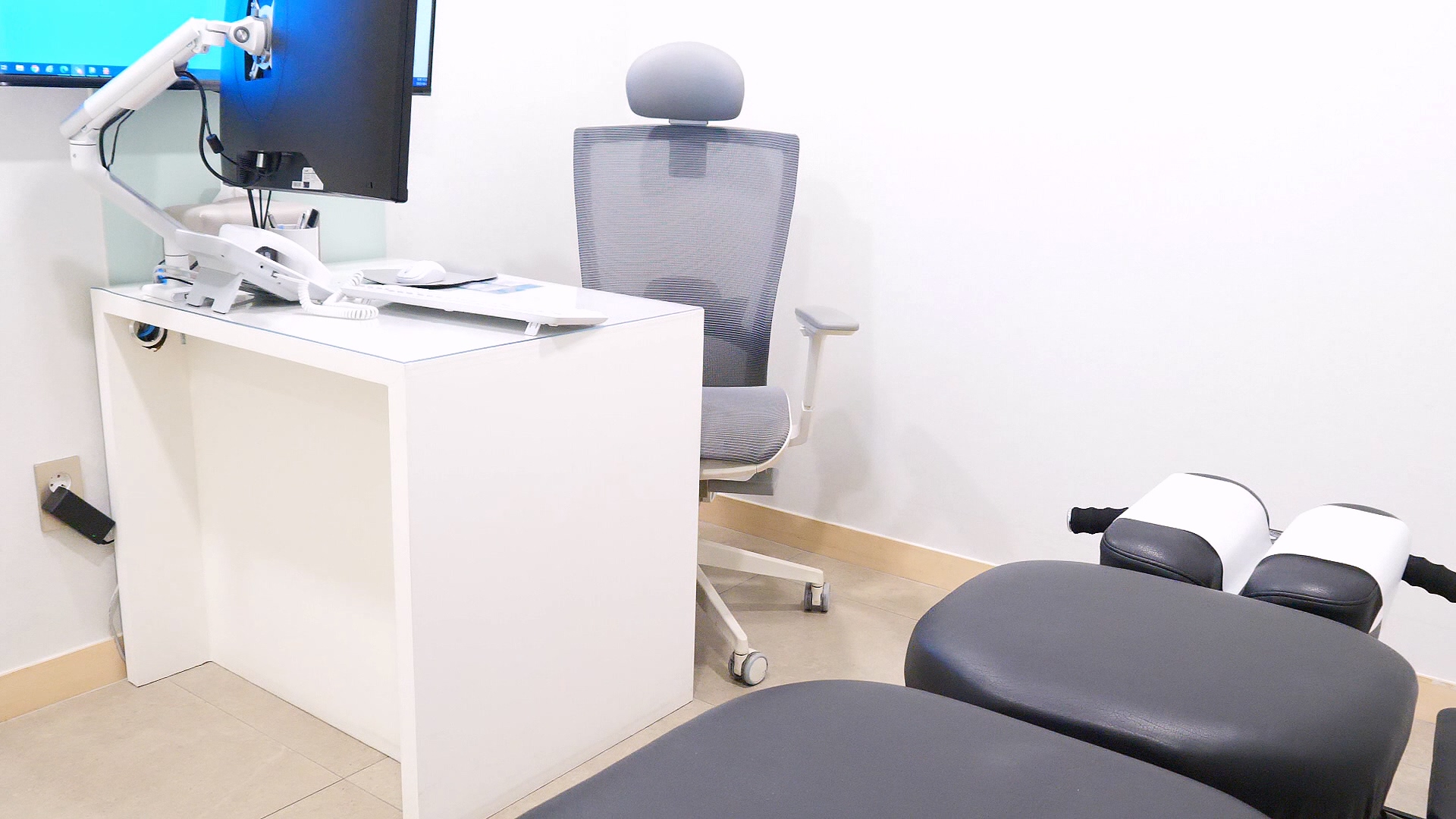
This guide explores how specialized care in English can bridge the gap between complex structural issues and effective, personalized recovery.
The Value of an English Speaking Korean Medicine Doctor for Global Patients
An English Speaking Korean Medicine Doctor is a licensed healthcare professional in Korea who possesses the linguistic proficiency to explain traditional diagnoses, treatment protocols, and physiological concepts to non-Korean speakers. This role is essential for ensuring that international patients can navigate the nuances of traditional medicine without the barrier of a language gap, fostering a safer and more transparent medical environment.
The Importance of Direct Communication in Traditional Korean Medicine
Seeking a consultation with a practitioner who understands both your language and your physical condition is essential for effective recovery. At Bonecure, I prioritize clear dialogue to uncover the root causes of pain that often get lost in translation. In traditional medicine, the patient's subjective description of their discomfort is a vital diagnostic tool. When there is no language barrier, I can accurately assess how your lifestyle, stress levels, and history contribute to structural imbalances. This direct interaction eliminates the risk of misinterpretation that often occurs when using third-party translators. My goal is to ensure you feel heard and understood throughout your journey toward wellness. By explaining complex concepts like qi flow or structural restoration in plain English, I empower you to take an active role in your treatment plan. This clarity fosters a stronger doctor-patient relationship, which is a cornerstone of the healing process at Bonecure clinic. My patients appreciate this direct connection greatly.
Addressing the Demand for Traditional Medicine Clinical Notes in English
International patients often require detailed medical documentation to maintain continuity of care or to facilitate private insurance claims. At Bonecure, we provide comprehensive medical certificates and treatment records written in English to meet global standards. Having these documents allows you to easily share your progress with other healthcare providers in your home country. It also simplifies the reimbursement process with international insurance companies that require professional translations of medical procedures. We document each session, including the specific acupuncture points used and the progress of structural alignment achieved through Chuna therapy. In 2026, our clinic continues to streamline this administrative support for our global community. This service ensures that your focus remains entirely on your recovery rather than navigating complex paperwork. Providing such meticulous records reflects our commitment to professional excellence and patient advocacy. We believe that accessibility should extend beyond the consultation room into every aspect of the patient experience. This builds trust with our international visitors.
Comprehensive Treatment Options at Bonecure Clinic
Comprehensive treatment in this context refers to a multi-modal approach combining acupuncture, manual manipulation, and specialized surgical-needle techniques to address musculoskeletal disorders. By integrating these various methods, we can target both the superficial symptoms and the deeper structural issues that cause chronic pain and functional dysfunction in the body.
Acupuncture for Back Pain and Chronic Musculoskeletal Issues
Acupuncture is a primary modality used to manage pain and stimulate the body's natural healing response by targeting specific meridian points. For many international residents dealing with chronic back pain, traditional acupuncture offers a non-invasive alternative to medication. At Bonecure, I utilize refined techniques to address tension in the deep muscular layers of the spine. While standard acupuncture is effective for muscle relaxation, it is often combined with other therapies for structural issues. In my practice, I focus on providing immediate, palpable changes where patients can feel their symptoms and structure improve right from the very first session. It is important to note that while I do not prescribe a mandatory number of sessions for everyone, I ensure the treatment is efficient and impactful. We focus on a holistic view, ensuring that your back pain is addressed as part of your overall structural health. Patients often report feeling a sense of renewed vitality as their pain levels and structural balance improve immediately after treatment. This efficient approach is central to our clinical philosophy.
Specialized Chuna Manual Therapy and Scoliosis Correction
Chuna manual therapy is a specialized technique where the doctor uses their hands and specialized equipment to realign the musculoskeletal structure. This therapy is particularly beneficial for patients with scoliosis or pelvic imbalances that lead to chronic discomfort. At Bonecure, Chuna is not just about a temporary adjustment but about retraining the body to maintain a healthy posture. We analyze the spine's curvature and use precise pressure to restore symmetry and balance. In several clinical cases, Chuna therapy has shown immediate improvements in spinal alignment and reduced nerve compression that the patient can perceive instantly. It is important to remember that for long-term correction, patients must also follow-up with recommended stretching and lifestyle changes. This collaborative effort between the doctor and the patient ensures that the structural gains achieved during the session are maintained over time. We emphasize that every body is unique, and we tailor the intensity of the therapy to your specific tolerance and structural needs for safety.
Acupotomy Therapy for Adhesion Release and Tissue Regeneration
Acupotomy is a specialized form of acupuncture that uses a small, scalpel-like needle to release adhesions in the soft tissues. This technique is highly effective for chronic conditions where tissues have become hardened or stuck together due to long-term inflammation. At Bonecure, I perform acupotomy to physically break down these adhesions, allowing for the regeneration of normal, healthy tissue. This procedure is particularly useful for stubborn cases of frozen shoulder, trigger finger, or chronic neck pain that have not responded to conventional treatments. While the sensation can be intense during the procedure, many patients experience significant improvements in mobility and an immediate reduction in pain. Minor side effects such as temporary soreness, bruising, or slight bleeding at the site may occur, but these usually resolve quickly. We maintain the highest sterilization standards to ensure patient safety. By restoring the sliding motion between tissue layers, acupotomy addresses the mechanical causes of pain, providing a foundation for lasting structural recovery for our patients.
Why Location and Language Matter in Korean Traditional Medicine
Choosing the right location and language accessibility ensures that international residents in Seoul receive timely and accurate medical interventions without cultural barriers. A central location combined with fluent English communication allows for a seamless healthcare experience that prioritizes the patient's convenience and understanding of their own medical journey.
Finding an Acupuncture Clinic in Seoul with English Services
Navigating the healthcare system in a foreign city can be daunting, which is why finding an acupuncture clinic with English services is crucial. Located in a reachable area of Seoul, Bonecure offers a welcoming environment for global patients who may feel overwhelmed by the city's vast medical landscape. Having an English speaking Korean medicine doctor allows for a deep dive into your medical history without the fear of misunderstanding. This accessibility is especially important for those living in districts like Cheongdam or Gangnam, where international communities are concentrated. Our clinic is designed to provide a modern, comfortable experience that respects both traditional values and international expectations. We strive to be more than just a medical facility; we aim to be a partner in your long-term health. By offering appointments in English, we ensure that every visitor feels confident and well-informed. Our staff is trained to assist you with every step, from initial registration to the final treatment session of the day.
The Unique Approach of Bonecure’s Traditional Korean Medicine
Understanding the specific characteristics of our treatment modalities helps patients choose the best path for their recovery. At Bonecure, we focus on a multi-dimensional approach that prioritizes structural alignment and internal balance. Our primary tools include Acupotomy, Chuna manual therapy, and specialized acupuncture, which are used to address the root causes of musculoskeletal dysfunction. The diagnostic process involves holistic observation and detailed structural analysis to create a personalized plan. By providing direct English consultations, I ensure that every patient understands their treatment goal, which involves releasing deep-tissue adhesions to facilitate immediate symptom relief and long-term mobility.
A 2026 Clinical Guide to Chuna Manual Therapy Benefits and Structural Recovery
Scientific Approach and Patient Centric Care at Bonecure
A patient-centric, scientific approach relies on objective data and case reports to validate the efficacy of traditional treatments for modern health issues. By combining clinical observation with measurable outcomes, we can provide a more reliable and evidence-based framework for traditional Korean medicine in the year 2026.
Evidence Based Clinical Case Reports and Objective Evaluations
At Bonecure, I emphasize the use of clinical case reports to track and validate the progress of our patients. For example, in a specific case of a patient with chronic tinnitus, we observed a significant improvement in clinical indicators through structural restoration. Another instance involving hearing difficulties showed a meaningful recovery of auditory function. These results, while specific to these individual cases and not guaranteed for every patient, demonstrate the potential for functional improvement when Korean medicine is applied with precision. We use objective scales and spinal imaging to monitor the physical changes in each patient. This data-driven approach allows us to refine our treatment plans and provide realistic expectations for recovery. We believe that documenting these successes is vital for the advancement of our field. Every case contributes to our growing body of knowledge, helping us better serve the international community in Seoul with confidence and scientific integrity.
Holistic Recovery from Autonomic Nervous System Dysregulation
Autonomic nervous system (ANS) dysregulation can lead to various symptoms like chronic fatigue, insomnia, and digestive issues. At Bonecure, we address these concerns by restoring the balance between the sympathetic and parasympathetic nervous systems. Structural alignment of the spine is closely linked to ANS function, as the spinal cord is the main highway for neural signals. By correcting misalignments, we can reduce the physical stress on the nervous system, allowing the body to return to a state of homeostasis. Patients often find that their internal symptoms begin to stabilize as their physical structure improves. This holistic approach ensures that we are not just treating the surface symptoms but the underlying systemic imbalances. We provide a calm and supportive environment to facilitate this internal healing process. While severe dysregulation may benefit from continued monitoring, we focus on providing treatments that offer immediate relief and a clear path toward resilience. Individual results can vary depending on the severity of the dysregulation.
Safety Protocols and Potential Side Effects Management
Patient safety is our highest priority at Bonecure, and we strictly adhere to modern medical sterilization and hygiene protocols. All needles used in acupuncture and acupotomy are single-use and disposable, ensuring a sterile environment for every procedure. It is important for patients to be aware of potential side effects, which are generally mild and temporary. These may include localized soreness at the injection site, minor bruising, or a small amount of bleeding. In very rare cases, more serious complications like infection can occur if post-treatment care instructions are not followed, though we take every precaution to prevent this. I always conduct a thorough initial screening to identify any contraindications or specific sensitivities you may have. We encourage open communication regarding any discomfort you feel during or after your treatment. By managing these risks proactively, we ensure a safe and effective healing journey for all our international patients. Understanding the limitations and risks of any medical procedure is a key part of informed consent and successful recovery. We provide detailed aftercare instructions to help you manage any minor soreness at home.
A 2026 Clinical Guide to Structural Restoration by Dr. Song Jeonghyeon at Bonecure
Frequently Asked Questions
Q. Does Bonecure provide direct English consultations with the doctor?
Yes, at Bonecure, I personally provide consultations in English to ensure clear communication regarding your symptoms and the proposed treatment plan without the need for a translator. This direct interaction helps in establishing an accurate diagnosis and a personalized recovery path.
Q. Can I receive an English medical certificate for insurance purposes?
Bonecure can provide medical certificates and treatment records in English to assist international patients with their private insurance claims or follow-up care in their home countries. These documents are prepared to meet professional standards and simplify your administrative needs.
Q. What is the difference between standard acupuncture and Acupotomy?
While standard acupuncture focuses on meridian points, Acupotomy uses a specialized scalpel-shaped needle to physically release adhesions in hardened tissues. This promotes the regeneration of normal structures and is particularly effective for chronic musculoskeletal conditions.
Q. Is acupuncture for back pain effective for chronic conditions?
Based on clinical results at Bonecure, acupuncture and Chuna therapy provide immediate relief and structural improvement for many patients with chronic back pain. We do not demand a fixed number of sessions; instead, we focus on treatments that patients can feel working from their very first visit.
Q. Are there any side effects to traditional Korean medicine treatments?
Minor side effects such as temporary soreness, bruising, or slight bleeding at the needle site may occur. Serious complications like infection are rare as we adhere to strict sterilization protocols and use single-use needles for all patients.
Q. Do I need a prior appointment for an English-speaking consultation?
To ensure sufficient time for a detailed English consultation and thorough examination, we recommend scheduling an appointment in advance. This allows us to dedicate the necessary time to understand your specific health concerns and history.
Q. How many sessions are typically required for chronic pain relief?
At Bonecure, we do not follow a "one-size-fits-all" plan such as a 10-session requirement. Patients typically experience immediate, palpable improvement in symptoms and structure during their treatment. The total number of sessions is flexible and determined based on your unique structural needs and how your body responds to the initial immediate improvements.
Key Takeaways
- Direct communication with an English-Speaking Korean Medicine Doctor at Bonecure ensures accurate diagnosis and personalized care for international patients.
- Specialized treatments like Acupotomy and Chuna therapy focus on structural restoration and immediate symptom relief through tissue regeneration.
- Detailed English medical documentation is available to support insurance claims and maintain continuity of care globally.
- A scientific approach is used to track recovery, with patients often perceiving structural and functional improvements instantly during sessions.
- Safety and hygiene are prioritized through strict sterilization protocols and transparent communication regarding potential side effects.
Hello. I am Dr. Song Jeonghyeon, a Korean medicine doctor who has long specialized in acupotomy therapy. If you have any further questions about our English services or structural treatments, please feel free to reach out for a consultation.
Bonecure / Dr. Song Jeonghyeon
FAQ
- Does Bonecure provide direct English consultations with the doctor?
- Yes, at Bonecure, I personally provide consultations in English to ensure clear communication regarding your symptoms and the proposed treatment plan without the need for a translator. This direct interaction helps in establishing an accurate diagnosis and a personalized recovery path.
- Can I receive an English medical certificate for insurance purposes?
- Bonecure can provide medical certificates and treatment records in English to assist international patients with their private insurance claims or follow-up care in their home countries. These documents are prepared to meet professional standards and simplify your administrative needs.
- What is the difference between standard acupuncture and Acupotomy?
- While standard acupuncture focuses on meridian points, Acupotomy uses a specialized scalpel-shaped needle to physically release adhesions in hardened tissues. This promotes the regeneration of normal structures and is particularly effective for chronic musculoskeletal conditions.
- Is acupuncture for back pain effective for chronic conditions?
- Based on various clinical cases at Bonecure, acupuncture and Chuna therapy have shown improvements in chronic back pain by restoring structural balance. However, individual results vary, and chronic cases often require a consistent series of sessions for stable relief.
- Are there any side effects to traditional Korean medicine treatments?
- Minor side effects such as temporary soreness, bruising, or slight bleeding at the needle site may occur. Serious complications like infection are rare as we adhere to strict sterilization protocols and use single-use needles for all patients.
- Do I need a prior appointment for an English speaking consultation?
- To ensure sufficient time for a detailed English consultation and thorough examination, we recommend scheduling an appointment in advance. This allows us to dedicate the necessary time to understand your specific health concerns and history.
- How many sessions are typically required for chronic pain relief?
- Treatment duration depends on the severity and chronicity of your condition. While some patients experience immediate relief, chronic or severe cases often require a series of 10 to 20 sessions to achieve long-term structural stability and recovery.