
Post
Acupotomy vs. Traditional Acupuncture for Chronic Scar Tissue: A 2026 Clinical Guide by Bonecure
Hello. I am Dr. Song Jung-hyun, a Korean medicine doctor specializing in structural restoration and acupotomy at Bonecure.
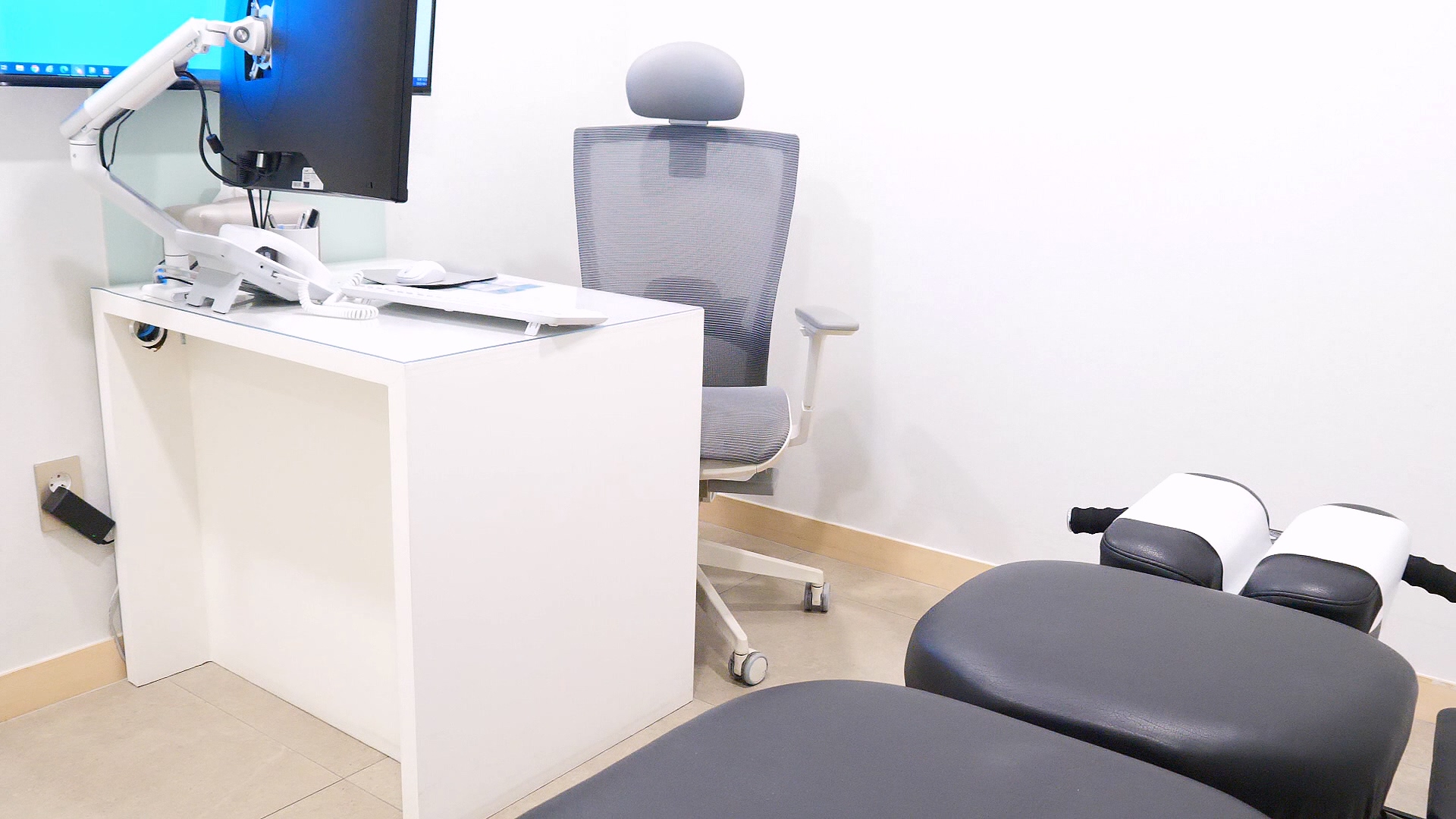
Acupotomy is a specialized therapeutic technique combining the needle-based approach of acupuncture with the mechanical release principles of surgery to treat chronic soft tissue adhesions. Through this clinical guide, I will explore the distinctions between this advanced method and traditional acupuncture for treating persistent musculoskeletal pain.
What is Acupotomy and How Does It Release Chronic Scar Tissue?
Acupotomy is a clinical procedure that utilizes a specialized, flat-headed needle to physically release adhesions in the soft tissues, integrating traditional meridians with modern surgical principles. By targeting the source of chronic tension, this method aims to restore blood flow and mobility to regions previously locked by fibrotic tissue.
Defining Acupotomy: The Integration of Acupuncture and Surgery
Acupotomy, also known as Acuknife therapy, represents a sophisticated evolution in Eastern medicine by merging the microsurgical precision of modern instruments with classical meridian theory. Unlike conventional treatments, this procedure employs a needle with a small, flat blade at the tip, designed to perform a blunt dissection of pathological tissue adhesions. At Bonecure, we apply this method to address chronic conditions where traditional filiform needles focus on neuromodulation, while acupotomy provides the specific mechanical force needed for physical release. The primary goal is to release the 'entrapment' of nerves and blood vessels caused by thickened fascia. By physically separating these layers, the body is given a chance to initiate a natural healing response. While the tool is more robust than a standard needle, the procedure is minimally invasive and performed with high precision. It is important to note that because this involves mechanical release, individual healing times can vary, and patients should be aware of potential side effects such as temporary pain, localized bleeding, or rare instances of infection.
The Science of Chronic Scar Tissue and Adhesion Formation
Chronic scar tissue, or clinical adhesions, form when the body’s inflammatory response is prolonged, leading to the excessive deposition of collagen in the extracellular matrix. This process creates dense, non-elastic bands that tether muscles and fascia together, significantly restricting normal range of motion. In my clinical observations, these adhesions often act as a physical barrier that prevents traditional therapies from reaching deeper structural layers. When these tissues become fibrotic, they compress surrounding nociceptors, leading to a cycle of persistent pain and compensatory postural shifts. At Bonecure, we focus on identifying these specific points of adhesion through palpation and structural analysis. Releasing these bonds is not merely about pain relief; it is about restoring the sliding mechanism between muscle groups. Our clinical philosophy focuses on providing immediate, perceptible changes in flexibility and comfort during the very first session. Even in cases of severe fibrosis, our approach is designed so that the patient can feel the structural release and symptom improvement immediately rather than waiting for an arbitrary number of sessions.
Structural Differences Between Acupotomy and Traditional Filiform Needles
The most significant distinction between these two modalities lies in the physical geometry and intended function of the tools. Traditional filiform needles are incredibly thin and pointed, designed to penetrate the skin with minimal resistance to stimulate specific nerve endings and modulate the autonomic nervous system. In contrast, the acupotomy tool features a flat, chisel-like head that allows for the physical cutting and scraping of hardened scar tissue. This structural difference allows the practitioner to apply lateral force to break down calcified ligaments or dense adhesions that are resistant to stimulation alone. At Bonecure, we select the tool based on the depth of the target tissue and the degree of palpable resistance. The use of a flat head ensures that the release is targeted at the adhesion itself rather than just providing a generalized stimulus. Because the tool is slightly larger, there may be a temporary sensation of pressure during the procedure. However, this mechanical approach is essential for addressing the structural root causes of chronic pain that simple neuromodulation might not fully resolve.
Acupotomy vs. Traditional Acupuncture: Key Functional Comparisons
The functional distinction lies in the primary mechanism of action: traditional acupuncture primarily modulates the nervous system, while Acupotomy physically dissects pathological adhesions. Choosing between them depends on whether the patient requires sensory regulation or mechanical tissue restoration.
Mechanical Adhesion Release vs. Neuromodulation
Traditional acupuncture excels at neuromodulation, which involves stimulating the nervous system to release natural painkillers like endorphins and regulate the body’s internal balance. This is highly effective for acute pain or systemic issues where nerve signaling is the primary concern. However, when a patient presents with structural deviations caused by physical adhesions, neuromodulation and mechanical release serve different functional roles in the recovery process. Acupotomy functions as a mechanical intervention, physically breaking the 'glue' that binds tissue layers together. This process, often referred to as lysis of adhesions, directly addresses the physical impediment to movement. At Bonecure, we often use these methods in a complementary manner, but we recognize that mechanical release is the prerequisite for structural realignment. For instance, in cases involving long-standing chronic symptoms as documented in clinical reports, the physical breakdown of persistent scar tissue was a critical step in the recovery journey for those specific patients. Individual results may vary depending on the condition.
Treatment Depth and Precision for Deep Musculoskeletal Layers
Precision in depth is a defining characteristic of advanced acupotomy, particularly when treating the deep muscles of the spine, such as the multifidus or the ligamentum flavum. Traditional needles are often limited by their lack of rigidity, which can make it difficult to exert precise force at the deep musculoskeletal layers where adhesions often reside. Acupotomy tools are engineered to maintain their integrity, allowing the practitioner to feel the 'end-feel' of the tissue and precisely target the depth where the adhesion resides. This level of precision is crucial for avoiding vital structures while ensuring the pathological tissue is adequately treated. At Bonecure, our protocols emphasize a deep understanding of anatomy to ensure that every release is both safe and effective. The ability to reach these deeper layers is why this method is frequently chosen for chronic spinal conditions that have not responded to superficial therapies.
Comparison Table: Traditional Acupuncture vs. Acupotomy
| Feature | Traditional Acupuncture | Acupotomy (Acuknife) |
|---|---|---|
| Primary Tool | Thin, pointed filiform needle | Flat-headed, chisel-like needle |
| Mechanism | Neuromodulation & Energy flow | Mechanical adhesion release & Lysis |
| Target Tissue | Nerve endings, skin, superficial muscle | Deep fascia, scarred ligaments, adhesions |
| Sensation | Mild tingling or 'De-qi' sensation | Pressure or temporary dull ache |
| Indication | Stress, acute pain, systemic balance | Chronic pain, scar tissue, structural loss |
| Recovery Focus | Sensory regulation | Structural restoration and mobility |
Targeting Chronic Pain: Why Oriental Medicine Focuses on Soft Tissue Recovery
Focusing on soft tissue recovery means addressing the root physical barriers, such as scarred fascia and shortened muscles, that prevent permanent postural realignment. By restoring the integrity of these tissues, we create the necessary environment for the spine and joints to return to their optimal positions.
Acupuncture for Back Pain: Moving Beyond Superficial Relief
When treating back pain, it is common to find that the pain is merely a symptom of a deeper structural imbalance. While superficial acupuncture can provide temporary relief by relaxing the outer muscle layers, it may not reach the underlying adhesions that keep the vertebrae in a sub-optimal position. At Bonecure, we utilize whole-spine X-ray analysis to determine how soft tissue tension is pulling the skeletal frame out of alignment. By applying acupotomy to the specific ligaments and tendons that are under excessive tension, we aim to release the pull on the bones themselves. This approach is consistent with our philosophy that "when your bones smile, life smiles." We don't just treat the site of pain; we treat the tension patterns that cause it. Clinical data suggests that addressing these structural root causes may lead to more sustainable outcomes compared to treating symptoms alone. However, patients should understand that correcting long-standing structural issues often requires a series of treatments alongside postural retraining to prevent the recurrence of adhesions.
Traditional Korean Medicine Treatment for Structural Restoration
Structural restoration in Korean medicine is a holistic process that involves both manual therapy, like Chuna, and mechanical release methods like acupotomy. In our clinical practice at Bonecure, we have observed cases where patients with severe sensory issues achieved significant milestones and meaningful improvements in clinical assessment scales after addressing the structural tension in the neck and jaw. These outcomes are specific to those cases and do not guarantee the same results for all patients. These case reports highlight the profound connection between the musculoskeletal system and the cranial nerves. By restoring the proper alignment of the cervical spine, we reduce the physical stress on the nervous system. Our clinical notes often reflect that when the 'physical house' of the body is straight, the 'electrical wiring' functions more efficiently. It is important to emphasize that these results are based on individual case studies and may not be typical for every patient. A comprehensive diagnostic process is always the first step to ensure that the structural approach is appropriate for the individual’s unique health history and physical condition.
Restoring Range of Motion through Adhesion Decompression
Decompression is the natural result of successful adhesion release. When scar tissue is lysed, the pressure on the surrounding nerves and blood vessels is immediately reduced, which can lead to an improved range of motion and a decrease in ischemic pain. At Bonecure, we monitor these changes closely, often seeing improvements in joint mobility during the very first session. For example, a patient who could not rotate their neck beyond 30 degrees may find an increased arc of movement once the fibrotic bands in the levator scapulae are addressed. This restoration of movement is critical because it allows the patient to engage in corrective exercises that were previously too painful to perform. By breaking the cycle of pain and immobility, we facilitate a return to daily activities. However, it is essential to manage expectations: while the release is mechanical, the body’s inflammatory response to the procedure is a necessary part of the healing process. Minor swelling or bruising can occur, which is a sign that the body is working to repair and remodel the newly freed tissue.
A 2026 Clinical Guide to Chuna Manual Therapy in Seoul: Science of Structural Recovery
Clinical Application and Safety Considerations in Contemporary Practice
Safe clinical application requires a thorough diagnostic assessment, including structural imaging, to ensure the depth and force of the Acupotomy procedure are tailored to the patient’s specific tissue density. Our commitment to safety is paramount, ensuring that every intervention is evidence-based and patient-centered.
Traditional Medicine Clinical Notes: Patient-Specific Progression
Every patient’s journey toward recovery is unique, and our clinical notes at Bonecure reflect this diversity. We track progression through both subjective pain scales and objective structural measurements. For many, recovery is rapid, with significant changes occurring within the first few sessions. We have seen instances where hearing sensitivity improved significantly over a sustained treatment period in specific clinical cases, but we always remind our patients that these are individual results and a thorough diagnosis is required to determine the necessary duration of care. The progression depends on factors like age, metabolic health, and compliance with post-treatment care. By documenting these variations, we are better able to refine our treatment plans and provide realistic timelines for our patients. Our goal is to provide a transparent look at what recovery looks like, acknowledging both the successes and the time required for the body to physically restructure itself.
Safety Protocols: Managing Potential Side Effects and Healing Responses
While acupotomy is a highly effective tool for structural recovery, like any medical procedure, it carries potential risks and side effects that must be managed. Common responses include temporary soreness, localized bruising, or mild swelling at the site of the release. These are typically self-limiting and resolve within a few days as the tissue begins to heal. In very rare cases, infection or nerve irritation can occur, which is why at Bonecure, we maintain a strictly sterile environment and use advanced anatomical mapping. We ensure that every patient is fully informed of these possibilities before beginning treatment. It is also important to note that patients with certain bleeding disorders or those on specific blood-thinning medications may not be candidates for this procedure. We prioritize a thorough medical history check to minimize risks. Our approach is to balance the significant benefits of adhesion release with a cautious, safety-first methodology. If a patient experiences unusual pain or persistent redness after a session, we provide immediate follow-up care to ensure their safety and comfort.
Post-Treatment Care for Long-Term Structural Integrity
The work done during an acupotomy session is only one part of the recovery equation; maintaining that progress requires diligent post-treatment care. Once the adhesions are released at Bonecure, the body enters a remodeling phase where new, healthy tissue is formed. During this time, it is crucial to avoid repetitive strain and to practice postural awareness. We often prescribe specific stretches and strengthening exercises to support the newly aligned structure. Without these changes, the body may revert to its old patterns, potentially leading to the reformation of adhesions. Think of the procedure as 'unlocking the door,' while post-treatment care is 'walking through it' into a healthier lifestyle. We recommend staying hydrated and getting adequate rest to support the metabolic demands of tissue repair. By empowering our patients with the tools to maintain their own structural integrity, we aim for long-term wellness rather than just temporary relief. Consistent follow-up and a commitment to the rehabilitation process are the keys to ensuring that the bones—and the patient—continue to smile for years to come.
Chimdo (Acuknife) Therapy Benefits: A 2026 Guide to Structural Recovery at Bonecure Traditional Korean Medicine for Chronic Pain: A 2026 Guide to Structural Recovery at Bonecure
Frequently Asked Questions
Q. What exactly is Acupotomy and how does it differ from regular acupuncture?
Acupotomy uses a specialized flat-headed needle designed to mechanically release adhesions and scar tissue, whereas traditional acupuncture focuses on energy flow and neuromodulation using fine needles. It combines surgical principles with oriental medicine to achieve structural recovery in deep tissue layers. At Bonecure, we use this primarily for chronic cases that require physical decompression.
Q. Is Acupotomy effective for long-term chronic back pain?
Yes, many clinical observations suggest it is highly effective for chronic pain caused by physical tissue adhesions. By releasing the physical tension in the deep fascia and ligaments, it allows for better blood flow and structural realignment. However, individual results may vary, and a full structural assessment is necessary before treatment.
Q. Does the procedure hurt more than traditional acupuncture?
Because the tool is slightly thicker and performs mechanical release, there can be a temporary sensation of pressure or a dull, heavy ache during the procedure. However, most patients report that this is followed by a sense of immediate lightness and improved mobility. The sensation is generally well-tolerated and brief.
Q. How many sessions are typically required to see results for scar tissue?
At Bonecure, we do not adhere to a fixed rule that multiple sessions are mandatory for improvement. Our objective is to provide a treatment that allows you to feel immediate structural changes and symptom relief during the first visit. While long-term stability for chronic issues may involve follow-up care, you should experience a perceptible difference right away.
Q. Are there any side effects I should be aware of?
Minor side effects may include temporary soreness, localized bruising, or mild swelling at the site of treatment, which are normal signs of the body's healing response. While rare, potential risks such as infection or nerve irritation exist, which is why we maintain strict sterile protocols. Any persistent or unusual symptoms should be reported to the clinic immediately.
Q. Can I receive Acupotomy if I have had previous surgeries?
Often, yes, as acupotomy is frequently used to address post-surgical scar tissue that restricts movement or causes pain. However, a thorough consultation is required to review your surgical history and ensure that the treatment is safe for your specific condition. We take great care to avoid any implanted hardware or surgical sites that are not fully healed.
Q. Is Acupotomy recognized in modern Korean traditional medicine?
Acupotomy is a widely utilized and scientifically researched method within modern Korean medicine, specifically for musculoskeletal disorders that do not respond to conventional physical therapy. It is part of a growing field of integrative medicine that combines classical knowledge with modern anatomical understanding. Bonecure continues to study and apply these clinical advancements.
Key Takeaways
- Mechanical Release: Acupotomy physically breaks down chronic scar tissue and adhesions that traditional needles cannot reach.
- Structural Focus: At Bonecure, the goal is to restore the body's natural alignment by releasing soft tissue tension.
- Immediate Improvement: Our treatment philosophy emphasizes that patients should feel a perceptible difference and structural release immediately after a session.
- Integrative Recovery: Combining acupotomy with postural correction leads to more sustainable long-term outcomes for chronic pain.
- Safety & Compliance: While highly effective, individual results vary, and maintaining safety through professional diagnosis and disclosure of side effects is essential.
For professional consultation and to learn more about how we can help you achieve structural balance, please contact us.
Bonecure / Dr. Song Jung-hyun
FAQ
- What exactly is Acupotomy and how does it differ from regular acupuncture?
- Acupotomy uses a specialized flat-headed needle designed to mechanically release adhesions and scar tissue, whereas traditional acupuncture focuses on energy flow and neuromodulation using fine needles. It combines surgical principles with oriental medicine to achieve structural recovery in deep tissue layers. At Bonecure, we use this primarily for chronic cases that require physical decompression.
- Is Acupotomy effective for long-term chronic back pain?
- Yes, many clinical observations suggest it is highly effective for chronic pain caused by physical tissue adhesions. By releasing the physical tension in the deep fascia and ligaments, it allows for better blood flow and structural realignment. However, individual results may vary, and a full structural assessment is necessary before treatment.
- Does the procedure hurt more than traditional acupuncture?
- Because the tool is slightly thicker and performs mechanical release, there can be a temporary sensation of pressure or a dull, heavy ache during the procedure. However, most patients report that this is followed by a sense of immediate lightness and improved mobility. The sensation is generally well-tolerated and brief.
- How many sessions are typically required to see results for scar tissue?
- While some patients feel an immediate improvement in mobility after just one session, chronic cases often require a series of treatments to achieve lasting structural change. A personalized plan is usually developed at Bonecure after a thorough analysis of the patient's spine and joint function. Typically, 5 to 10 sessions are a standard starting point for chronic issues.
- Are there any side effects I should be aware of?
- Minor side effects may include temporary soreness, bruising, or localized swelling at the site of treatment, which are normal signs of the body's healing response. While infection or nerve irritation are extremely rare, we maintain strict sterile protocols to ensure patient safety. Any persistent or unusual symptoms should be reported to the clinic immediately.
- Can I receive Acupotomy if I have had previous surgeries?
- Often, yes, as acupotomy is frequently used to address post-surgical scar tissue that restricts movement or causes pain. However, a thorough consultation is required to review your surgical history and ensure that the treatment is safe for your specific condition. We take great care to avoid any implanted hardware or surgical sites that are not fully healed.
- Is Acupotomy recognized in modern Korean traditional medicine?
- Acupotomy is a widely utilized and scientifically researched method within modern Korean medicine, specifically for musculoskeletal disorders that do not respond to conventional physical therapy. It is part of a growing field of integrative medicine that combines classical knowledge with modern anatomical understanding. Bonecure stays at the forefront of these clinical advancements.