
Post
Traditional Korean Medicine for Chronic Pain: A 2026 Guide to Structural Recovery at BonCure
Hello. I am Dr. Song Jung-hyun, a Korean medicine doctor who has focused on Acupotomy therapy for many years. Traditional Korean medicine for chronic pain provides a holistic alternative for those seeking to move beyond temporary relief toward deep, structural restoration.
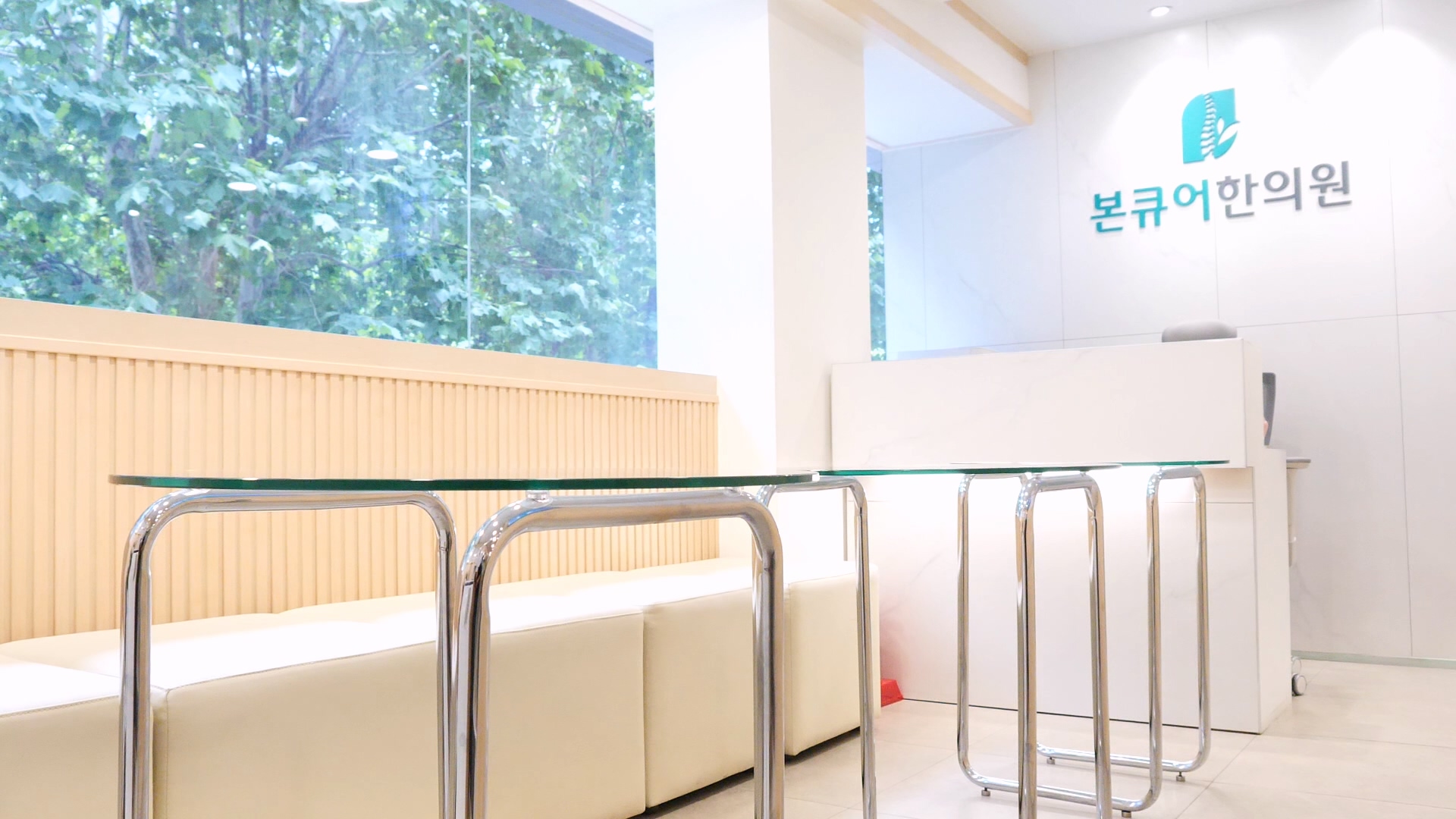
By combining time-tested techniques with modern diagnostic precision, we aim to address the root causes of physical distress. At BonCure, our devotion lies in helping each patient regain a healthy and balanced daily life by identifying the fundamental source of pain rather than merely masking the symptoms through temporary interventions.
Understanding Traditional Korean Medicine for Chronic Pain
Traditional Korean medicine for chronic pain refers to a specialized clinical paradigm that identifies the root cause of physical suffering within the imbalance of internal systems and the misalignment of the skeletal framework. This methodology prioritizes the body's natural capacity for self-repair by removing the physical obstructions that prevent healthy circulation and neurological function. We believe that when your bones smile, life smiles, which is why we focus heavily on the structural integrity of the skull and the spine.
Core Philosophy of Balance and Structural Integrity
This approach views the human body as an integrated ecosystem where energy must flow unimpeded through meridians to maintain health and vitality. At BonCure, we emphasize that chronic pain is often a significant signal of structural discord or tissue stagnation that has built up over time. Our philosophy centers on structural integrity as the primary foundation of all physiological functions, aiming to address the root cause beyond localized symptom relief. When the spine and joints are properly aligned, the nervous system can communicate effectively, facilitating the body’s innate regenerative processes. We observe that restoring this balance involves more than just physical manipulation; it requires a deep understanding of how internal stressors manifest as musculoskeletal tension. We provide personalized treatment plans tailored to each individual, ensuring that the intervention is precise and efficient. By addressing these foundational elements, we aim to provide a sustainable pathway toward wellness that respects the complex interplay between the physical form and the vital forces that sustain movement.
How Korean Medicine Differs from Conventional Pain Management
Traditional Korean medicine differs from conventional Western protocols by prioritizing functional restoration over pharmaceutical intervention or surgical modification. While conventional Western approaches often focus on biochemical pathways through pharmaceutical interventions, the approach at BonCure emphasizes identifying where structural misalignments and tissue adhesions disrupt natural movement. While Western medicine excels in acute trauma care, our traditional methods provide a nuanced perspective on chronic, degenerative conditions that have persisted for many years. We utilize specialized diagnostic tools, such as whole-spine X-ray analysis in collaboration with partner hospitals, to visualize the structural cause of pain rather than just treating the site of discomfort. This evidence-based yet holistic strategy allows us to create individualized treatment plans that address the unique anatomical needs of each patient. We focus on compression and efficiency, ensuring that each treatment session provides an impactful step toward recovery by prioritizing the most critical structural adjustments needed for long-term health.
Core Modalities of Traditional Korean Medicine at BonCure
Core modalities in this field involve a diverse range of therapeutic techniques designed to stimulate the body's healing response and correct physical distortions. These methods include precision needle therapies, pharmacopuncture, and manual adjustments like Chuna therapy that work together to restore mobility and reduce the burden of long-term inflammation and structural misalignment.
Acupuncture for Back Pain and Joint Inflammation
Acupuncture for back pain is a well-established method within traditional Korean medicine for reducing inflammation and improving blood circulation in localized areas. This modality involves the insertion of fine, sterile needles into specific points to regulate the nervous system and trigger the release of natural pain-relieving chemicals. At BonCure, we utilize acupuncture not just for symptom management but as a tool to modulate the immune response and decrease the swelling that often accompanies chronic joint issues. Unlike protocols that suggest waiting for several weeks to feel a change, we strive for treatments that allow patients to feel an immediate shift in their symptoms. Patients frequently report an immediate reduction in stiffness and a perceptible change in their range of motion after a targeted session. By targeting the deeper layers of muscle tissue, we can influence the metabolic rate of the affected area, promoting the removal of inflammatory byproducts. This treatment serves as a foundational component of our integrative protocols, providing an effective way to prepare the body for more intensive structural interventions and long-term rehabilitation.
Acupotomy (Dachim): Precision Adhesion Release for Tissue Restoration
Acupotomy, also known as Dachim in the clinical context, is a specialized procedure that utilizes a blade-like needle to address chronic adhesions within the soft tissues. At BonCure, this technique is used to mechanically release tightened fascia and ligaments that have become restricted due to long-term inflammation or postural stress. In cases where patients have suffered for years with chronic symptoms, we find that standard needles may not be sufficient to break through dense scar tissue. The Acupotomy tool allows for precision in restoring the glide between muscle layers, which can significantly reduce mechanical pressure on surrounding nerves. This process involves a sensation of pressure and may cause temporary soreness, but it is designed to trigger a robust and immediate healing response. By physically clearing these obstructions, we enable the body to reorganize its structural alignment more effectively. We prioritize immediate improvement so that patients can feel the difference in their structural mobility during the very first visit, aiming to support the recovery of functional comfort levels through precise adhesion release.
Pharmacopuncture and Physical Therapy in Modern Korean Clinics
Pharmacopuncture and physical therapy are core components that enhance the effects of structural treatments by providing biochemical support and functional stimulation. Pharmacopuncture involves the injection of purified herbal extracts into specific acupuncture points, combining the benefits of herbal medicine with the precision of needle therapy. This is particularly effective for reducing deep-seated inflammation and nourishing tissues that have been weakened by chronic misalignment. Alongside this, we integrate modern physical therapy to stabilize the joints and improve the surrounding muscular support. At BonCure, we use these tools within a modern clinical setting to support the recovery of the autonomic nervous system and local circulation. By increasing local blood flow and lymphatic drainage, these therapies help to nourish damaged tissues and speed up the repair process. These treatments are particularly beneficial for patients who experience chronic fatigue or systemic tension alongside their musculoskeletal pain. When used in conjunction with structural alignment, they provide a comprehensive approach to healing that addresses both the physical and biochemical aspects of health, ensuring a more resilient recovery.
Comparing Traditional Modalities with Integrative Approaches
Integrating traditional modalities involves the combination of various treatment types to create a synergistic effect that exceeds the potential of any single intervention. This comparative and integrative view allows us to tailor the intensity and focus of the treatment to the specific phase of the patient's recovery.
| Feature | Traditional Acupuncture | Acupotomy (Dachim) Therapy |
|---|---|---|
| Primary Tool | Fine, filiform needle | Specialized blade-like needle |
| Main Goal | Energy regulation & inflammation reduction | Adhesion release & structural restoration |
| Target Tissue | Nerve endings & meridians | Dense fascia, ligaments, & scar tissue |
| Sensation | Mild tingling or heaviness | Localized pressure & temporary soreness |
| Typical Duration | 15–20 minutes per session | 5–10 minutes of precision release |
| Best For | Acute pain & general tension | Chronic adhesions & structural distortion |
Synergy Between Structural Alignment and Nerve Recovery
The synergy between structural alignment and nerve recovery is a critical focus for patients dealing with complex pain syndromes. When we address the physical misalignments through techniques like Chuna therapy or Acupotomy, we are essentially decompressing the pathways through which the nervous system operates. At BonCure, we have observed that correcting a pelvic tilt or a cervical curvature can lead to immediate improvements in how the brain perceives pain signals. For more detailed insights, you may explore A 2026 Clinical Guide to Chuna Manual Therapy Benefits and Structural Recovery. By removing the mechanical interference caused by shifted bones or hardened tissues, we allow the peripheral nerves to heal and regain their proper function. This integrated approach ensures that we are not just moving joints, but also calming the overactive pain receptors that often persist in chronic conditions. This dual focus on structure and neurology is essential for achieving the long-term stabilization that many of our patients seek after years of discomfort. We believe in providing treatments that patients can feel immediately, validating the restoration of their natural skeletal balance.
Holistic Benefits for Women's Health and Autonomic Balance
Traditional Korean medicine for chronic pain also offers significant benefits for women's health and the stabilization of the autonomic nervous system (ANS). Many chronic pain patients also struggle with symptoms like insomnia, digestive issues, or hormonal imbalances, which are often linked to a state of chronic sympathetic dominance. At BonCure, we use structural restoration to help rebalance the ANS, transitioning the body from a 'fight or flight' state to a 'rest and digest' state. This is particularly relevant for those managing conditions such as fibromyalgia or chronic fatigue. For further reading on this topic, consider our guide on A 2026 Clinical Guide to Chronic Pain Management and Structural Recovery at Bonecure. By improving the alignment of the upper cervical spine and the sacrum, we can influence the vagus nerve and other regulatory pathways. This holistic perspective ensures that as the physical pain decreases, the patient's overall well-being, emotional stability, and systemic health also improve, leading to a more comprehensive recovery experience that impacts multiple aspects of daily life, resulting in a more vibrant and energetic everyday existence.
Clinical Evidence and Professional Observations
Clinical evidence in traditional Korean medicine is built upon a foundation of documented case studies and objective physiological markers that track the progress of structural and functional recovery. Professional observations allow us to refine our techniques and provide patients with a realistic understanding of their expected healing journey based on clinical experience.
Case Study Insights: Restoring Mobility in Chronic Spine Conditions
Case study insights from our clinical practice demonstrate the potential for significant recovery even in long-standing musculoskeletal conditions. We have documented instances where individuals with severe spinal distortions, who had previously tried various unsuccessful treatments, found relief through our targeted structural approach. In our practice, we emphasize immediate feedback; we do not tell patients they must wait 10 sessions to see a change. Instead, we aim for perceptible improvement in every visit. For long-term stabilization and to prevent the recurrence of chronic issues, we may recommend a protocol of 10 to 20 sessions once the initial relief is achieved. These results are documented through a consistent protocol that targets the underlying structural cause. While every individual's response to treatment is unique, these documented cases provide a framework for understanding how the body can reorganize itself when the correct mechanical and physiological stimulus is applied. We emphasize that such outcomes are part of a personalized plan and that the most durable results are achieved through commitment to the stabilization process after the initial symptoms have improved.
Scientific Markers: Evaluating Functional Improvements and Structural Change
The validation of traditional Korean medicine for chronic pain at BonCure involves the use of objective markers to track patient progress over time. We utilize diagnostic assessments to quantify functional improvements, such as the Tinnitus Handicap Inventory (THI) for patients with related auditory symptoms. In one specific case report involving a patient with severe auditory distress, we documented a significant functional improvement from a score of 54 down to 2 points following a course of treatment. These observations are based on individual clinical cases and do not guarantee identical outcomes for all patients. Beyond subjective scales, we perform whole-spine X-ray assessments to measure changes in spinal curvature and pelvic tilt. For patients with autonomic dysregulation, heart rate variability (HRV) tests provide data on the balance between the sympathetic and parasympathetic nervous systems. These metrics ensure that our clinical observations are supported by measurable data, allowing for a transparent and evidence-based approach to recovery that provides clarity for both the practitioner and the patient, focusing on the immediate impact of structural restoration.
Safety Considerations and Managing Expectations During Treatment
Safety is a paramount consideration in all modalities of traditional Korean medicine for chronic pain practiced at BonCure. While our treatments are generally considered safe when performed by experienced practitioners, patients should be aware of potential side effects and clinical limitations. Common reactions include minor bruising, localized swelling, or transient soreness at the insertion site, which typically resolve within a few days. In the case of Acupotomy, patients might experience temporary pain, minor bleeding, or in very rare instances, infection, which is why we maintain strict sterile standards. It is important to note that individuals with severe underlying pathologies or those taking certain medications may require specialized adjustments to their treatment plan. Additionally, while we strive for immediate relief, chronic conditions that have developed over several years usually necessitate a structured protocol for long-term stability. Maintaining realistic expectations and adhering to the recommended stabilization schedule is essential for achieving the most favorable outcomes in structural rehabilitation. We ensure that our patients are well-informed about both the potential benefits and the inherent risks associated with advanced needle therapies.
Frequently Asked Questions
Q. What is the primary focus of Traditional Korean Medicine for chronic pain?
It focuses on restoring the natural balance and structural alignment of the body to facilitate self-healing rather than just suppressing temporary symptoms. At BonCure, we focus on identifying the root causes of pain through personalized treatment plans. By addressing structural integrity, we aim for immediate symptom changes and long-term stability.
Q. Is acupuncture effective for severe lower back pain?
Yes, acupuncture for back pain is a well-established method for reducing inflammation and improving blood circulation. At BonCure, we focus on providing treatments that offer immediate feedback to the patient. It works by stimulating specific nerve pathways to release natural pain-relieving substances and calm the immune system, making it an essential part of an integrated recovery strategy.
Q. What is the difference between standard acupuncture and Acupotomy (Dachim) therapy?
Acupotomy (Dachim) uses a specialized blade-like needle to release adhesions in hardened tissues, aiming for structural restoration beyond simple stimulation. While standard acupuncture is excellent for regulation and circulation, Acupotomy is designed to mechanically break down scar tissue and tight fascia. This makes it particularly effective for chronic conditions where tissues have become physically restricted and require deep release.
Q. Are there any side effects to these traditional treatments?
Minor bruising, temporary soreness at the site, or slight bleeding may occur, and in the case of Acupotomy, there is a very rare risk of infection. These effects are typically transient as the body begins its recovery process. We always monitor our patients closely to ensure that the treatment intensity is appropriate and safe for their specific condition.
Q. How many sessions are typically required for chronic conditions?
We do not follow a rule that it takes 10 sessions to see improvement; we aim for immediate results that the patient can feel. However, for long-term stabilization of structural changes and to prevent recurrence, a structured series of 10 to 20 sessions may be recommended. Each plan is tailored based on the initial assessment of the structural misalignment.
Q. Can these treatments help with autonomic nervous system disorders?
Yes, by correcting spinal and skull alignment, we often observe improvements in dizziness, tinnitus, and overall autonomic function. The structural integrity of the spine is closely linked to the function of the nerves that regulate internal organs and emotional balance. Many patients report systemic improvement and a sense of restored daily vitality following treatment.
Q. How do I choose the right Korean medicine clinic in Seoul?
Look for clinics that provide objective clinical data, individualized treatment plans, and specialized experience in structural rehabilitation like BonCure. It is important to find a practitioner like Dr. Song Jung-hyun who focuses on root-cause restoration and provides treatments with clear, immediate impact. Transparency and evidence-based tracking are key indicators of quality care.
Key Takeaways
- Traditional Korean medicine focuses on structural restoration and systemic balance rather than just masking symptoms.
- Acupotomy (Dachim) is a specialized tool used at BonCure to release deep-seated tissue adhesions that contribute to chronic pain.
- Scientific markers like THI scores (improving from 54 to 2 in specific cases) and X-ray analysis provide an evidence-based approach to healing.
- While improvement is often felt immediately, stabilization of chronic conditions typically involves a protocol of 10 to 20 sessions for long-term health.
If you are struggling with persistent discomfort and are looking for a path toward lasting recovery, please contact us for a consultation.
BonCure / Dr. Song Jung-hyun
FAQ
- What is the primary focus of Traditional Korean Medicine for chronic pain?
- It focuses on restoring the natural balance and structural alignment of the body to facilitate self-healing rather than just suppressing temporary symptoms. By addressing the root cause, we aim for long-term stability in physical function and comfort. This approach often involves looking at the body as a whole rather than just focusing on the area of discomfort.
- Is acupuncture effective for severe lower back pain?
- Yes, acupuncture for back pain is a well-established method for reducing inflammation and improving blood circulation in localized areas. It works by stimulating specific nerve pathways to release natural pain-relieving substances and calm the immune system. Many patients find it an essential part of their overall recovery strategy for chronic lumbar issues.
- What is the difference between standard acupuncture and Acureflex (Dachim) therapy?
- Acureflex uses a specialized blade-like needle to release adhesions in hardened tissues, aiming for structural restoration beyond simple stimulation. While standard acupuncture is excellent for regulation and circulation, Acureflex is designed to mechanically break down scar tissue and tight fascia. This makes it particularly effective for chronic conditions where tissues have become physically restricted.
- Are there any side effects to these traditional treatments?
- Minor bruising, temporary soreness at the site, or slight bleeding may occur, but these are typically transient as the body begins its recovery process. Most of these effects resolve within a few days and are a normal part of the tissue response to treatment. We always monitor our patients closely to ensure that the treatment intensity is appropriate for their specific sensitivity.
- How many sessions are typically required for chronic conditions?
- While some notice immediate relief, chronic or severe cases usually require a structured series of treatments to ensure long-term stability and prevent recurrence. A typical protocol may involve 10 to 20 sessions depending on the severity of the structural misalignment. We provide a detailed assessment at the beginning of the journey to determine the most effective timeline for each individual.
- Can these treatments help with autonomic nervous system disorders?
- Yes, by correcting spinal alignment and reducing physical tension, we often observe improvements in dizziness, tinnitus, and overall autonomic function. The structural integrity of the spine is closely linked to the function of the nerves that regulate internal organs and emotional balance. Many patients report feeling more relaxed and systematic improvement across multiple bodily functions.
- How do I choose the right Korean medicine clinic in Seoul or Cheongdam?
- Look for clinics that provide objective clinical data, individualized treatment plans, and specialized experience in structural rehabilitation like Bonecure. It is important to find a practitioner who explains the underlying causes of your pain and uses measurable markers to track your progress. Transparency and a focus on root-cause restoration are key indicators of a high-quality clinic.