
Post
A 2026 Clinical Guide to Chuna Manual Therapy in Seoul: Science of Structural Recovery
Hello. I am Dr. Song Jung-hyun, a Korean medicine doctor who has dedicated many years to structural restoration through Chuna manual therapy and Acu-point release. Chuna manual therapy in Seoul is a sophisticated clinical practice that uses physical manipulation to realign the skeletal structure and restore functional harmony to the body.
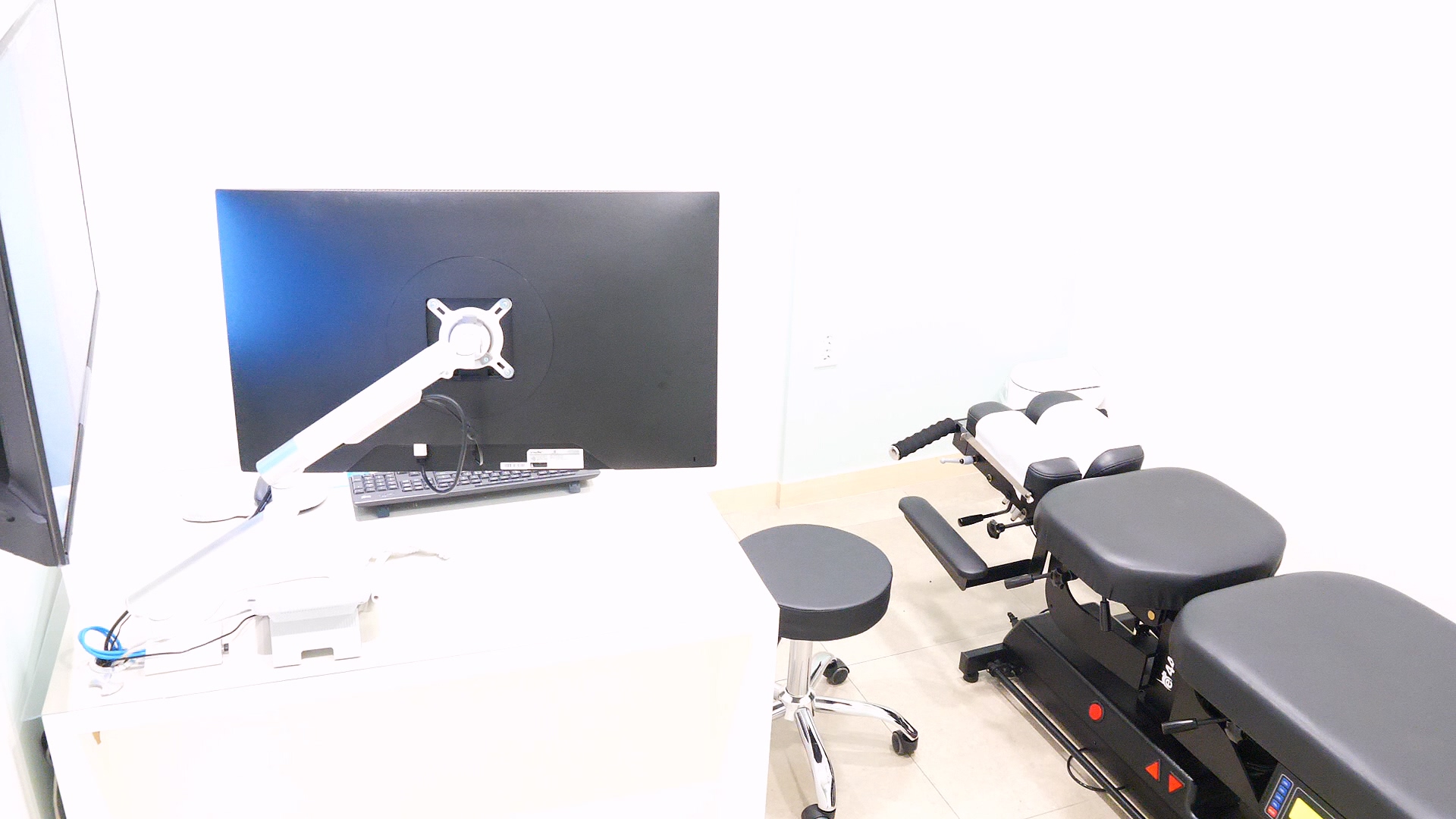
Understanding Chuna Manual Therapy in Seoul: A Scientific Path to Structural Recovery
Chuna manual therapy in Seoul refers to a specialized therapeutic approach within Korean Traditional Medicine where a practitioner uses their hands, limbs, or specific assistive tools to apply force to the patient’s body structure. The primary objective is to correct structural misalignments in the musculoskeletal system, thereby enhancing blood circulation and restoring the natural flow of energy. By focusing on the relationship between the spine, joints, and soft tissues, this method aims to address underlying structural imbalances contributing to pain rather than merely masking symptoms. It involves precise techniques of pushing and pulling, tailored to the unique physiological needs of each individual. This practice is deeply rooted in anatomical knowledge and has evolved into a clinical discipline that supports long-term physical vitality. While many patients seek this therapy for immediate relief from acute discomfort, its greatest value lies in the restoration of functional balance and the prevention of chronic degenerative conditions through proactive alignment.
Defining Chuna Manual Therapy and Its Role in Modern Health
The role of Chuna manual therapy in modern health is increasingly recognized as a vital component of integrative care for those living in high-stress urban environments like Seoul. In my clinical experience, many individuals suffer from postural distortions caused by prolonged sedentary work and digital device usage. This therapy provides a non-surgical pathway to address these distortions by physically readjusting the vertebrae and pelvic alignment. By correcting these structural deviations, we can alleviate the pressure on nerves and improve the overall efficiency of the body’s movement patterns. Furthermore, the therapy serves as a bridge between traditional wisdom and modern biomechanics, offering a holistic solution that promotes wellness without the need for invasive procedures. It is particularly effective for those seeking to resolve the underlying tension that leads to chronic fatigue and restricted mobility, ensuring that the body remains resilient against the physical demands of daily life in 2026.
The Core Philosophy: When Your Bones Smile, Life Smiles
At Bonecure, the foundational philosophy is encapsulated in the phrase, "When your bones smile, life smiles." This perspective emphasizes that the structural integrity of the skeletal system is inextricably linked to the overall quality of one’s daily existence. When bones and joints are properly aligned, the body moves with ease, and the nervous system functions without interference, leading to a state of profound physical comfort. I believe that true health begins with a stable foundation, and my clinical practice is dedicated to helping patients achieve this inner harmony. By focusing on the structural recovery of the spine and pelvis, we aim to unlock the body’s innate healing potential. This philosophy guides every treatment plan, ensuring that we look beyond the localized area of pain to consider the entire person. The goal is to facilitate a life characterized by free movement, vitality, and the simple joy that comes from a body in balance.
Differentiating Korean Chuna from Western Chiropractic Adjustments
While both Korean Chuna manual therapy and Western chiropractic adjustments involve the manipulation of the skeletal system, there are distinct differences in their underlying principles and techniques. Chuna is an integrative part of Korean Traditional Medicine, which means it considers the meridian system and the flow of vital energy alongside anatomical structure. Unlike some Western modalities that may focus exclusively on high-velocity joint adjustments, Chuna at Bonecure utilizes condensed and impactful treatment focusing on essential areas and meridian stimulation to prepare the body for alignment. This holistic approach ensures that the surrounding muscles and ligaments are addressed to maintain the correction over time. At Bonecure, I utilize these traditional methods to provide a comprehensive recovery experience that honors both ancient wisdom and modern clinical insights. By understanding these nuances, patients can better appreciate how Chuna supports not just joint mobility, but the systemic health of the entire body through balanced structural restoration and energy regulation.
Core Techniques at Bonecure: Integrating Acu-point Release with Structural Alignment
Core techniques at Bonecure involve a multifaceted approach that combines the precision of Acu-point release with the comprehensive realignment of the skeletal framework. This integration allows for the simultaneous treatment of hardened soft tissues and misaligned bones, facilitating a more thorough recovery process for patients with complex chronic conditions.
Beyond Surface Treatment: The Role of Acu-point Release (Dochim) for Adhesion Recovery
Acu-point release, often referred to as Dochim or needle-knife therapy, plays a critical role in my practice at Bonecure when dealing with chronic adhesions. This technique involves using a specialized blade-like needle to physically break down the scar tissue and adhesions that have formed around joints and nerves. For instance, in cases of chronic tinnitus, addressing deep muscular tension in the upper cervical region can be a significant factor in supporting the recovery process. By addressing these internal blockages, we can significantly reduce localized pressure and improve neurological function. It is important to note that while this procedure may cause temporary discomfort or minor bruising, it is a key step in liberating the body from long-standing pain. This method goes beyond surface-level symptoms to target the structural knots, helping the body strive for improved functional balance and structural health.
Restoring Balance Through Whole Spine X-ray Diagnostics and Objective Measurement
To ensure the accuracy of our treatments, we rely on objective measurement tools such as Whole spine X-ray diagnostics. This allows us to visualize the exact degree of spinal curvature and identify specific areas of misalignment that may be contributing to systemic issues. In my clinical notes, I have documented cases where patients experienced a significant reduction in dizziness symptoms, as measured by objective evaluation scales, following consistent structural alignment. We also utilize standard metrics like the Beck Anxiety and Depression scales to monitor the psychological impact of chronic physical pain. By tracking these data points, we can adjust our protocols to meet the evolving needs of each patient. Bonecure is committed to a science-based approach where every adjustment is informed by clear evidence. This rigorous diagnostic process ensures that we are not just treating symptoms, but are actively working toward a verifiable improvement in the patient’s overall structural health and physiological well-being.
Addressing Chronic Pain with Targeted Traditional Korean Medicine Treatment
Targeted Traditional Korean Medicine treatment at Bonecure is designed to provide long-term relief for those who have exhausted conventional pain management options. By combining Chuna therapy with herbal prescriptions and acupuncture, we address both the physical structure and the internal biochemistry of the patient. For example, chronic conditions often require a dedicated and multifaceted approach, where the number of sessions is tailored to the individual's specific physiological needs to support improvement in hearing and balance. This illustrates that chronic conditions often necessitate a dedicated and multifaceted approach. We focus on revitalizing the body’s energy reserves while physically correcting the imbalances that cause inflammation and nerve compression. Our goal is to empower patients to reclaim their daily lives by providing a comprehensive care plan that focuses on the structural factors contributing to their discomfort. Through this integrative strategy, we help patients move beyond the cycle of chronic pain and toward a future characterized by improved mobility and restored physical resilience.
Comparative Overview: Choosing the Right Modality for Chronic Pain Relief
Choosing the right modality for chronic pain relief requires an understanding of how different treatments interact with the body’s structural and physiological systems. While multiple options exist within Korean Traditional Medicine, the selection depends on the specific nature of the patient’s condition and their long-term recovery goals.
| Treatment Modality | Primary Focus | Best For | Typical Sensation |
|---|---|---|---|
| Chuna Therapy | Skeletal Alignment | Structural imbalances, spine | Pressure and stretching |
| Acupuncture | Energy Flow (Qi) | Inflammation, acute pain | Tingling or dull ache |
| Acu-point Release | Tissue Adhesion | Chronic stiffness, scar tissue | Sharp, temporary soreness |
| Cupping Therapy | Circulation | Muscle tension, toxins | Pulling and suction |
| Herbal Medicine | Internal Balance | Systemic health, recovery | Internal warmth and vitality |
When to Seek Care at a Korean Traditional Medicine Clinic in Cheongdam
Seeking care at a Korean traditional medicine clinic in Cheongdam is particularly beneficial for individuals seeking impactful and efficient treatment-focused care and specialized structural expertise. This area is known for its concentration of advanced clinics that focus on holistic wellness and structural restoration. At Bonecure, we cater to patients who are looking for a sophisticated blend of traditional techniques and modern diagnostic clarity. If you are experiencing persistent neck pain, lower back discomfort, or symptoms related to the autonomic nervous system that have not responded to standard treatments, it may be time to consider a consultation. My clinical approach in Cheongdam emphasizes a thorough initial assessment to determine if your symptoms are linked to spinal misalignment. By addressing these issues early, we can prevent more serious degenerative changes and help you maintain a high quality of life. Consistent care in this professional setting ensures that your recovery journey is supported by the latest clinical insights.
Synergistic Benefits of Combining Cupping Therapy with Manual Manipulation
The combination of cupping therapy and manual manipulation offers synergistic benefits that enhance the overall effectiveness of the recovery process. Cupping therapy works by creating suction on the skin, which helps to increase local blood flow and draw out metabolic waste from deep within the muscle tissues. This process prepares the soft tissues for the structural adjustments performed during Chuna therapy. When the muscles are relaxed and the circulation is improved, the skeletal alignment can be achieved more easily and held for a longer duration. Within the Bonecure environment, I often integrate these two modalities to provide a more comprehensive release of tension. This dual approach is especially effective for patients with severe muscular guarding or those recovering from sports injuries. By addressing both the fluid dynamics of the tissues and the structural alignment of the bones, we can facilitate a more efficient and comfortable path toward physical restoration and long-term wellness.
Clinical Notes and Patient Safety: What to Expect During Your Recovery Journey
Clinical notes and patient safety are the cornerstones of a successful recovery journey, ensuring that every patient receives care that is both effective and secure. Understanding the process and the potential physiological responses to treatment helps in setting realistic expectations and fostering a collaborative healing environment.
Personalized Treatment Plans: Clinical Notes on Restoring Spinal Curvature
Every patient at Bonecure receives a personalized treatment plan that is meticulously documented in our clinical notes to track the progress of spinal curvature restoration. These plans are not one-size-fits-all; they are adapted based on the specific X-ray findings and the patient's functional limitations. For instance, restoring the natural curve of the cervical spine requires a different set of techniques than correcting a pelvic tilt. We monitor the subtle shifts in alignment over multiple sessions to ensure that the changes are sustainable and safe. My experience has shown that consistent, incremental adjustments lead to the best long-term outcomes for structural health. We also consider factors such as age, lifestyle, and past medical history to refine our approach. This level of detail ensures that every patient understands their unique path to recovery and the specific milestones we are aiming to achieve together. By prioritizing personalized care, we can better address the complexities of individual musculoskeletal health.
Understanding Safety Protocols and Potential Side Effects such as Temporary Pain or Bruising
Safety is our highest priority at Bonecure, and we adhere to strict clinical protocols to ensure that all treatments are performed with the utmost care. It is important for patients to understand that while Chuna and Acu-point release are safe, they can lead to temporary side effects. Some individuals may experience localized tenderness, minor bruising, or a temporary increase in muscle soreness following a session. These are often signs that the body is responding to the structural changes and the release of long-standing tension. In rare cases, patients might feel mild fatigue as the body adjusts to its new alignment. I always perform a comprehensive screening before any procedure to minimize risks and ensure that the selected techniques are appropriate for the patient's current condition. We encourage open communication throughout the process so that any discomfort can be addressed immediately. By being transparent about these potential responses, we build a foundation of trust and ensure a safer, more predictable recovery experience for everyone.
The Importance of Consistent Care for Autonomic Nervous System and Women’s Health
Consistent care is essential for addressing issues related to the autonomic nervous system and specialized areas like women’s health. Structural imbalances in the thoracic and cervical spine can often interfere with the nerves that regulate internal organ functions, leading to symptoms such as indigestion or irregular cycles. In my practice at Bonecure, I have observed that long-term structural restoration can help stabilize these systemic functions over time. For women, maintaining pelvic and spinal health is particularly important for managing the physical changes associated with different life stages. Routine check-ups and maintenance sessions help to ensure that the body remains in balance, preventing the recurrence of chronic issues. By focusing on the relationship between structure and function, we provide a holistic support system that promotes internal stability and overall vitality. Consistent care allows us to fine-tune the body’s alignment, ensuring that the autonomic nervous system operates without the interference caused by structural neglect or chronic postural stress.
A 2026 Clinical Guide to Chuna Manual Therapy Benefits and Structural Recovery
A 2026 Clinical Perspective on Structural Restoration with Dr. Song Jung-hyun
Frequently Asked Questions
Q. What exactly is Chuna manual therapy and how does it work?
Chuna manual therapy is a traditional Korean medical practice where a doctor uses their hands, limbs, or assistive tools to apply pressure to the patient’s musculoskeletal structure. By correcting misalignments and pushing or pulling specific joints, I aim to restore balance, improve circulation, and relieve pain caused by structural imbalances. This method focuses on addressing underlying structural factors rather than just surface symptoms.
Q. How does Chuna therapy differ from regular acupuncture for back pain?
While acupuncture for back pain focuses on stimulating specific points to regulate energy flow and reduce inflammation, Chuna therapy directly addresses the physical alignment of the bones and joints. In my practice at Bonecure, I often combine both to ensure that the physical structure is aligned while the soft tissues are relaxed and healing. This dual approach provides a more comprehensive recovery for chronic conditions.
Q. Is the treatment painful and are there any side effects?
Some patients may feel mild discomfort or temporary soreness during the adjustment or acu-point release process, which is often described as a 'productive pain.' Potential side effects can include temporary bruising, localized tenderness, or mild fatigue, but these typically resolve quickly within a few days. I always conduct a thorough assessment to ensure the technique is appropriate and safe for your specific condition.
Q. How many sessions will I need to see a visible change in my posture?
The duration of treatment varies significantly based on whether the condition is acute or chronic, as individual physiological responses differ. While some patients experience immediate relief in mobility, chronic structural issues often require multiple sessions over several weeks to achieve stable alignment. It is important to note that results vary for each individual based on their unique physiological state and health history.
Q. Can Chuna therapy help with symptoms beyond simple back pain?
Yes, structural misalignment can affect the autonomic nervous system, leading to various systemic issues. In my clinical notes, I have observed cases where correcting the cervical or thoracic spine helped alleviate symptoms related to dizziness, headaches, and even digestive issues. However, a personal consultation is necessary to determine if your specific symptoms are linked to spinal health and structural integrity.
Q. What is the cost of Chuna manual therapy at a clinic in Seoul?
The cost of therapy depends on the complexity of the alignment required and whether additional treatments like acu-point release or specialized herbal medicine are included. For specific pricing and to discuss a value-based plan for your health, please contact our clinic directly for a private consultation. We focus on providing long-term value through root-cause restoration rather than temporary fixes.
Q. Why should I choose a Korean medicine doctor blog or clinic for my recovery?
A Korean medicine doctor brings a holistic perspective that combines anatomical knowledge with traditional physiological principles of energy flow. At Bonecure, I focus on addressing the underlying structural imbalances by looking at the whole spine rather than just the localized area of pain, supporting long-term vitality. This integrated approach ensures that we achieve systemic health rather than just temporary relief from discomfort.
Key Takeaways
- Chuna manual therapy is a science-based structural recovery method focusing on skeletal alignment and functional balance.
- Techniques like Acu-point release (Dochim) are essential for addressing chronic tissue adhesions and deep structural blockages.
- Objective diagnostics using Whole spine X-ray and anxiety/depression scales ensure a data-driven and personalized treatment journey.
- Patient safety is prioritized through careful screening and the management of temporary side effects like soreness or bruising.
- Consistent care is vital for maintaining the health of the autonomic nervous system and ensuring long-term physical resilience.
Bonecure / Dr. Song Jung-hyun
FAQ
- What exactly is Chuna manual therapy and how does it work?
- Chuna manual therapy is a traditional Korean medical practice where a doctor uses their hands, limbs, or assistive tools to apply pressure to the patient’s musculoskeletal structure. By correcting misalignments and pushing or pulling specific joints, I aim to restore balance, improve circulation, and relieve pain caused by structural imbalances. This method focuses on the root cause rather than just surface symptoms.
- How does Chuna therapy differ from regular acupuncture for back pain?
- While acupuncture for back pain focuses on stimulating specific points to regulate energy flow and reduce inflammation, Chuna therapy directly addresses the physical alignment of the bones and joints. In my practice at Bonecure, I often combine both to ensure that the physical structure is aligned while the soft tissues are relaxed and healing. This dual approach provides a more comprehensive recovery for chronic conditions.
- Is the treatment painful and are there any side effects?
- Some patients may feel mild discomfort or temporary soreness during the adjustment or acu-point release process, which is often described as a 'productive pain.' Potential side effects can include temporary bruising, localized tenderness, or mild fatigue, but these typically resolve quickly within a few days. I always conduct a thorough assessment to ensure the technique is appropriate and safe for your specific condition.
- How many sessions will I need to see a visible change in my posture?
- The duration of treatment varies significantly based on whether the condition is acute or chronic, as individual physiological responses differ. While some patients experience immediate relief in mobility, chronic structural issues often require multiple sessions over several weeks to achieve stable alignment. It is important to note that results vary for each individual based on their unique physiological state and health history.
- Can Chuna therapy help with symptoms beyond simple back pain?
- Yes, structural misalignment can affect the autonomic nervous system, leading to various systemic issues. In my clinical notes, I have observed cases where correcting the cervical or thoracic spine helped alleviate symptoms related to dizziness, headaches, and even digestive issues. However, a personal consultation is necessary to determine if your specific symptoms are linked to spinal health and structural integrity.
- What is the cost of Chuna manual therapy at a clinic in Seoul?
- The cost of therapy depends on the complexity of the alignment required and whether additional treatments like acu-point release or specialized herbal medicine are included. For specific pricing and to discuss a value-based plan for your health, please contact our clinic directly for a private consultation. We focus on providing long-term value through root-cause restoration rather than temporary fixes.
- Why should I choose a Korean medicine doctor blog or clinic for my recovery?
- A Korean medicine doctor brings a holistic perspective that combines anatomical knowledge with traditional physiological principles of energy flow. At Bonecure, I focus on 'root-cause treatment' by looking at the whole spine rather than just the localized area of pain, ensuring long-term vitality. This integrated approach ensures that we achieve systemic health rather than just temporary relief from discomfort.