
Post
Chimdo (Acuknife) Therapy Benefits: A 2026 Guide to Structural Recovery at Bonecure
Greetings. I am Dr. Song Jung-hyun, a practitioner who has long focused on the clinical application of structural recovery through specialized Korean medicine. At Bonecure Korean Medicine Clinic, we devote ourselves to helping each patient regain a healthy and balanced daily life.
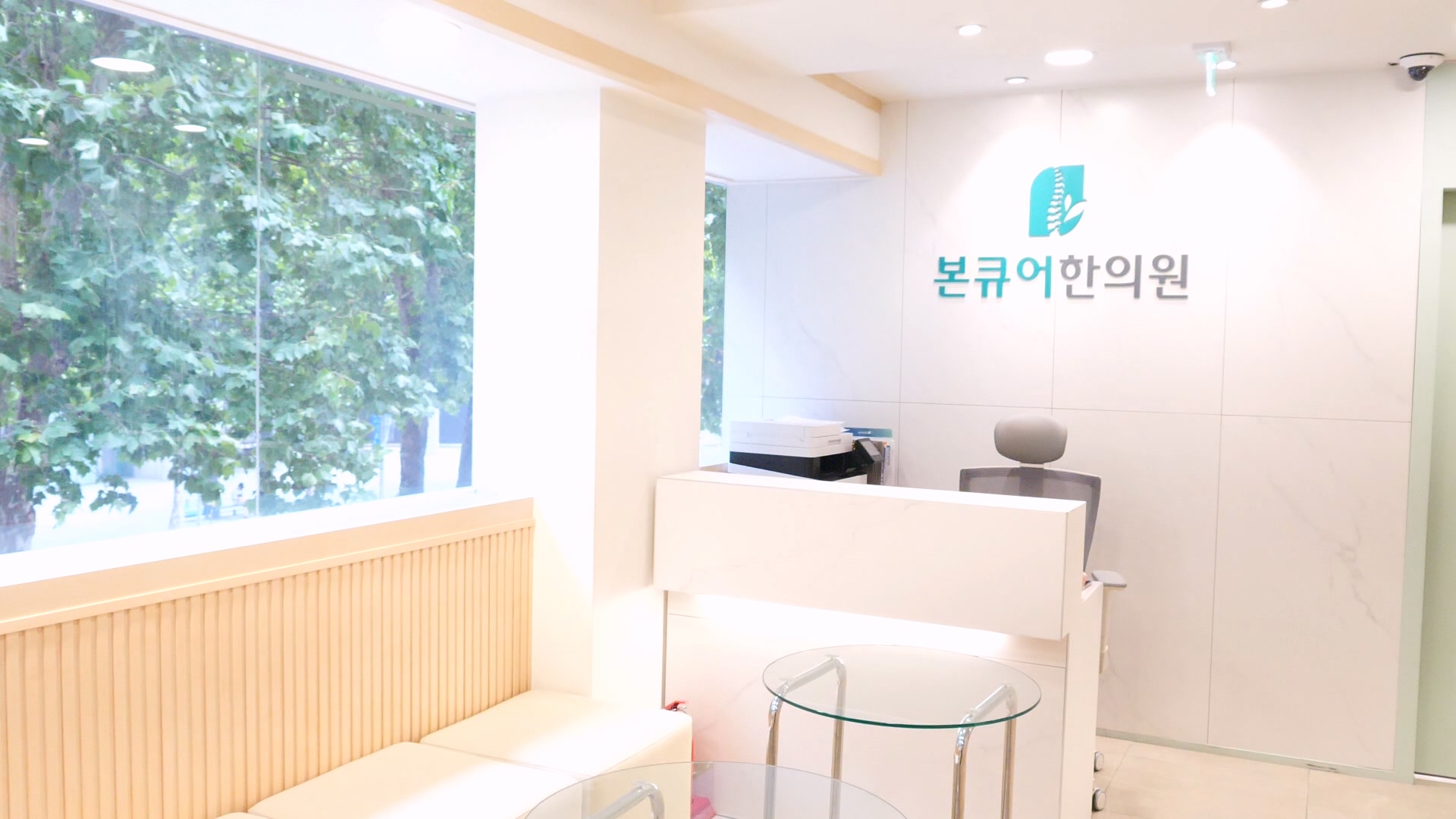
Rather than simply relieving symptoms, we focus on identifying the root causes of pain and restoring the body’s overall balance through personalized treatment plans. Our core expertise lies in Chimdo (Acuknife) therapy—a specialized technique designed to release adhesions and restore structural integrity. When your bones smile, life smiles.
What is Chimdo (Acuknife) Therapy and Its Role in Structural Recovery
Chimdo therapy, also known as Acuknife or needle-knife therapy, is a specialized treatment in Traditional Korean Medicine (TKM) that utilizes a unique tool with a flat, blade-like tip. Unlike traditional thin needles, the Acuknife is designed to perform micro-surgery on internal tissues without a large incision. This method focuses on releasing "adhesions"—areas where muscles, tendons, or fascia have become fused or fibrotic due to chronic inflammation or injury. By physically loosening these tight structures, we restore the natural movement of the spine and joints, effectively addressing the root cause of chronic pain.
The Science of Adhesion Release and Nerve Decompression
The physiological effects of Chimdo are driven by its ability to penetrate deep into soft tissues to treat chronic lesions that standard acupuncture cannot reach. When the body suffers from chronic stress or trauma, tissues often heal poorly, leading to fibrosis and the formation of adhesions. These hardened tissues can compress nearby nerves and blood vessels, leading to persistent pain, numbness, and restricted motion. In a typical session at Bonecure, the Acuknife is used to precisely dissect these fibrotic tissues. This process triggers the body's natural regenerative response, increasing blood flow and oxygen delivery to the area. While the procedure focuses on mechanical release, the long-term benefit is the restoration of proper nerve signaling and the stabilization of the musculoskeletal structure.
The Synergy Between Chimdo and Chuna Manual Therapy
When addressing complex spinal discomfort, combining Chimdo with Chuna manual therapy creates a powerful synergy for structural recovery. Chimdo serves as the "pioneer" treatment, softening rigid connective tissues and releasing muscular knots that have been locked for years. Once the soft tissues are flexible, Chuna therapy—a manual manipulation of the bones and joints—becomes significantly more effective. This dual approach is particularly impactful for patients with cervical instability or chronic back issues. By releasing the soft tissue barriers first, we can align the skeletal structure with less resistance and higher precision. This combined methodology allows for an impactful treatment plan that targets both the "soft" (muscles/fascia) and "hard" (bones/joints) components of the body's structure.
Specialized Care for Autonomic and Complex Disorders in Cheongdam
In our specialized clinic in Cheongdam, we go beyond simple pain relief to treat complex autonomic disorders. We view the human body as an integrated system where the alignment of the cranium and spine directly impacts the nervous system. At Bonecure, we utilize Chimdo to address conditions like Autonomic Nervous System (ANS) dysfunction, which can manifest as digestive issues, palpitations, or sleep disturbances. For instance, tension in the thoracic spine can disrupt the nerves regulating the digestive tract. By releasing the deep-seated tension around the 12 thoracic vertebrae, we can often see improvements in internal organ function. Each plan is tailored to the individual’s specific constitution, ensuring that structural health becomes the foundation of overall vitality and sustainable health management.
Clinical Insights: Treating Chronic and Ailment-Specific Conditions
The clinical benefits of Chimdo therapy represent a multifaceted approach to treating conditions that have often resisted conventional treatments. This therapy excels in addressing the underlying physical obstructions that prevent the body from healing itself. Whether it is a chronic tremor, tinnitus, or a burning sensation in the back, the application of Acuknife provides a direct pathway to functional restoration.
Addressing Parkinsonism and Motor Function Disorders
In my clinical experience, I have observed that while true Parkinson's disease is a progressive neurodegenerative condition, many patients suffer from "Parkinsonism"—symptoms that mimic Parkinson's but stem from different causes. For these patients, Chimdo therapy can be a significant intervention. By targeting the upper cervical spine (C1 and C2) and the suboccipital muscles with aggressive adhesion release, we can often improve bradykinesia (slowness of movement) and tremors. While it is not a "cure" for degenerative brain changes, releasing the structural compression in the neck and spine can significantly enhance a patient's quality of life and slow the progression of symptoms. It is a vital tool for those seeking to manage their motor functions naturally alongside standard care.
Solutions for Tinnitus and Dorsal Burning Sensation (Baeyeol-jeung)
Many patients visit Bonecure complaining of unique symptoms like a burning sensation in the back, known as "Baeyeol-jeung," or persistent tinnitus. These are often caused by nerve entrapment in the upper back and neck area. Tinnitus is frequently linked to structural imbalances in the jaw and cervical spine. By using Chimdo to release adhesions in the suboccipital region, we can reduce the pressure on auditory nerves. Similarly, the sensation of heat or burning in the back is often an "esthesia" or sensory abnormality caused by the entrapment of the dorsal rami of the spinal nerves. By precisely releasing the multifidus and longissimus muscles, we can eliminate the irritation to the skin's sensory nerves, providing immediate relief from the burning sensation where other tests appeared normal.
Specialized Treatment for Cervical Dystonia and Fibrosis
Cervical Dystonia, or spasmodic torticollis, involves involuntary muscle contractions that cause the head to twist or turn. While Botox is a common symptomatic treatment, it does not address the underlying fibrosis of the neck muscles. Over time, these muscles lose their elasticity and become hardened. At Bonecure, our approach involves using Chimdo to perform "adhesion detachment" on the fibrotic sternocleidomastoid and trapezius muscles. By physically restoring the length and flexibility of these muscles, we help the patient regain control over their neck movements. This structural approach is essential for long-term management, as it addresses the physical changes in the tissue that have occurred due to chronic spasms.
Clinical Observations: Real-World Applications at Bonecure
Clinical observations at Bonecure bridge the gap between traditional theory and modern evidence-based practice. By systematically documenting outcomes, we have refined our techniques for diverse health challenges, seeing firsthand how structural alignment and Acuknife therapy interact to facilitate recovery in complex, chronic cases.
Traditional Medicine Clinical Notes on Tinnitus and Auditory Health
My clinical notes often reflect the profound impact that consistent structural therapy has on auditory comfort. In one instance, a patient suffering from 18 years of chronic tinnitus showed significant improvement after a series of targeted Chimdo and Chuna sessions focused on the upper cervical spine. My published case reports, including those on sudden hearing loss and Meniere’s disease, illustrate that addressing the underlying structural causes—such as spinal curvature abnormalities—can be a significant step toward managing symptoms. While individual responses to treatment vary, our goal at Bonecure is to restore the body’s fundamental balance, which often leads to the natural resolution of even long-standing sensory issues.
Bonecure’s Approach to Urban Stress and ANS Dysfunction
In the high-pressure environment of Seoul, urban stress often manifests as "dorsal burning," neck tension, and Autonomic Nervous System (ANS) imbalances. Many city dwellers live in a constant 'fight or flight' state, which leads to physical hardening of the spinal structures. Chimdo therapy serves as an impactful reset for these individuals. By releasing the deep-seated tension in the back and neck, we allow the nervous system to transition into a restorative mode. Patients frequently report feeling more grounded and energized after treatment, as the physical release of tension directly correlates with a reduction in mental fatigue. Providing this space for structural realignment is essential for maintaining resilience in modern urban life.
What to Expect at Bonecure: Professional Care in Seoul
At Bonecure, we prioritize high-efficiency, targeted treatment. Every session is designed to be impactful, focusing only on what is necessary for the patient's recovery. We use modern diagnostic approaches to design treatment plans tailored to each individual, ensuring a safe and professional experience.
Safety Protocols and Clinical Standards for Chimdo Therapy
Safety is our highest priority at Bonecure. We utilize single-use, sterile Acuknife tools and follow strict hygiene protocols. It is important to note that while Chimdo is highly effective, it is an invasive procedure compared to standard acupuncture. Patients may experience temporary soreness, bruising, or mild swelling at the site of the procedure. These are normal signs of the body’s healing process and typically resolve within a few days. We conduct a detailed screening for every patient to ensure they are good candidates for this therapy. We also disclose that individual results may vary based on the chronicity and severity of the condition; while many feel immediate improvement, chronic cases may require multiple sessions for full functional restoration.
Determining Your Personalized Treatment Plan
Your journey at Bonecure begins with a thorough evaluation of your spinal alignment and joint mobility. We utilize objective measures, such as X-rays (via our partner clinics) and functional movement assessments, to track your progress. Our goal is not just to provide temporary relief but to achieve a "structural smile." For complex or chronic issues, we might recommend an intensive initial phase to build momentum for recovery. We focus on providing high-impact, compressed treatments where the doctor is directly involved in every step—from evaluation to Chuna and Chimdo. By partnering with us, you are choosing a path toward structural integrity and a healthier daily life specifically designed for your unique needs.
Key Takeaways
- Root Cause Focus: Chimdo (Acuknife) therapy targets the physical adhesions and fibrosis that cause chronic pain and nerve compression.
- Structural Synergy: Combining Chimdo with Chuna manual therapy allows for more effective skeletal alignment by first releasing soft tissue barriers.
- Specialized for Complex Cases: We offer targeted solutions for Parkinsonism, Tinnitus, Cervical Dystonia, and Autonomic Nervous System disorders.
- Clinical Authority: Our treatments are backed by Dr. Song Jung-hyun’s extensive research and case reports on structural recovery.
- Safety and Transparency: We provide professional, hygienic care with clear disclosures regarding the nature of the treatment and potential individual variations.
Frequently Asked Questions
Q. What exactly is Chimdo (Acuknife) therapy and how does it differ from acupuncture?
Chimdo is a specialized therapy using a flat-tipped tool to physically release internal adhesions and fibrotic tissues. While standard acupuncture focuses on nerve stimulation and Qi flow, Chimdo performs micro-dissection of hardened tissues to restore movement and decompress nerves.
Q. Can Chimdo therapy help with symptoms of Parkinsonism?
Yes, by releasing adhesions in the upper cervical spine and suboccipital region, we can often improve slowness of movement and tremors associated with Parkinsonism. It focuses on improving structural efficiency and nerve signaling, though individual results vary.
Q. Is Chimdo therapy safe for chronic back pain?
When performed by a licensed expert like Dr. Song Jung-hyun, it is very safe. We use sterile, disposable tools. Some patients may experience temporary soreness or minor bruising, which is a normal part of the tissue recovery process.
Q. How many sessions are typically required at Bonecure?
At Bonecure, we prioritize efficiency and do not push for unnecessary long-term packages. Many patients feel an immediate change after 1 or 2 sessions, but chronic structural issues often require a structured plan of 5 to 10 sessions to stabilize the recovery.
Q. Does the procedure hurt?
Because the tool is designed to release deep adhesions, there can be a sensation of pressure or temporary sharp discomfort during the procedure. However, the relief felt immediately afterward is often significant, as the source of chronic tension is finally removed.
Q. What is "Dorsal Burning" (Baeyeol-jeung) and can you treat it?
Baeyeol-jeung is a sensation of heat or burning in the back, often caused by nerve entrapment in the thoracic spine. We treat this by using Chimdo to release the muscles and fascia compressing the sensory nerves, which often resolves the issue even when standard scans are clear.
Q. Do I need an appointment for an initial consultation?
Yes, to ensure high-quality, personalized care where the director can focus on each patient's structural needs, we operate by appointment. This allows us to maintain an impactful and efficient treatment environment.
Bonecure Korean Medicine Clinic / Dr. Song Jung-hyun
FAQ
- What exactly is moxibustion therapy and how does it work?
- Moxibustion is a form of heat therapy where dried plant materials called moxa are burned on or near very specific points on the body. This thermal stimulation aims to facilitate the flow of energy and improve blood circulation to accelerate natural healing. The infrared heat penetrates deep into the tissues to stimulate metabolic recovery and reduce localized inflammation.
- Can moxibustion be combined with acupuncture for back pain?
- Yes, many patients at our clinic receive both treatments concurrently. Moxibustion provides deep heat that relaxes muscles, which can enhance the efficacy of acupuncture needles in relieving chronic tension. This combination is especially effective for conditions involving stiff joints or deep muscular knots.
- Is moxibustion therapy in Seoul safe for everyone?
- While generally safe when performed by a licensed professional, it may not be suitable for individuals with certain skin conditions, high fever, or sensory loss. A thorough consultation is always required to ensure the treatment is appropriate for your specific health profile. We monitor the skin closely during the session to prevent any burns or adverse reactions.
- How long does a typical moxibustion session take?
- Sessions typically last between 15 to 30 minutes, depending on the severity of the condition and the number of points being treated. It is often part of a broader oriental medicine treatment plan for chronic pain management. The duration ensures that the heat can penetrate sufficiently to trigger a physiological response.
- Does moxibustion therapy cause any pain or discomfort?
- Patients usually feel a pleasant, deep warming sensation during the procedure. While direct moxibustion can be intense, modern clinics often use indirect methods to ensure comfort while maintaining therapeutic benefits. Any sensation of excessive heat is immediately addressed by the practitioner to ensure safety.
- Are there specific benefits for women's health in Korean medicine?
- Moxibustion is frequently used to address concerns such as menstrual cramps and irregular cycles by warming the lower abdomen and improving pelvic circulation. This reflects core principles of traditional Korean medicine treatment that emphasize the importance of internal warmth for hormonal balance. It helps in managing the 'cold' constitution often associated with these disorders.
- How many sessions are typically required to see results?
- Results vary significantly between individuals based on their condition and overall health. While some feel immediate relief, chronic conditions often require a series of sessions to see lasting change. In my clinical experience at Bonecure, a structured plan of 5 to 10 sessions is common for assessing progress and adjusting the treatment strategy.