
Post
Postural Correction Clinic Gangnam: A 2026 Guide to Structural Restoration at Bonecure
Postural correction is the process of restoring the natural alignment of the spine and joints to optimize musculoskeletal function and neurological health. At Bonecure, we provide an integrated approach to structural restoration, helping patients reclaim their daily vitality through scientific diagnostic tools and specialized traditional techniques.
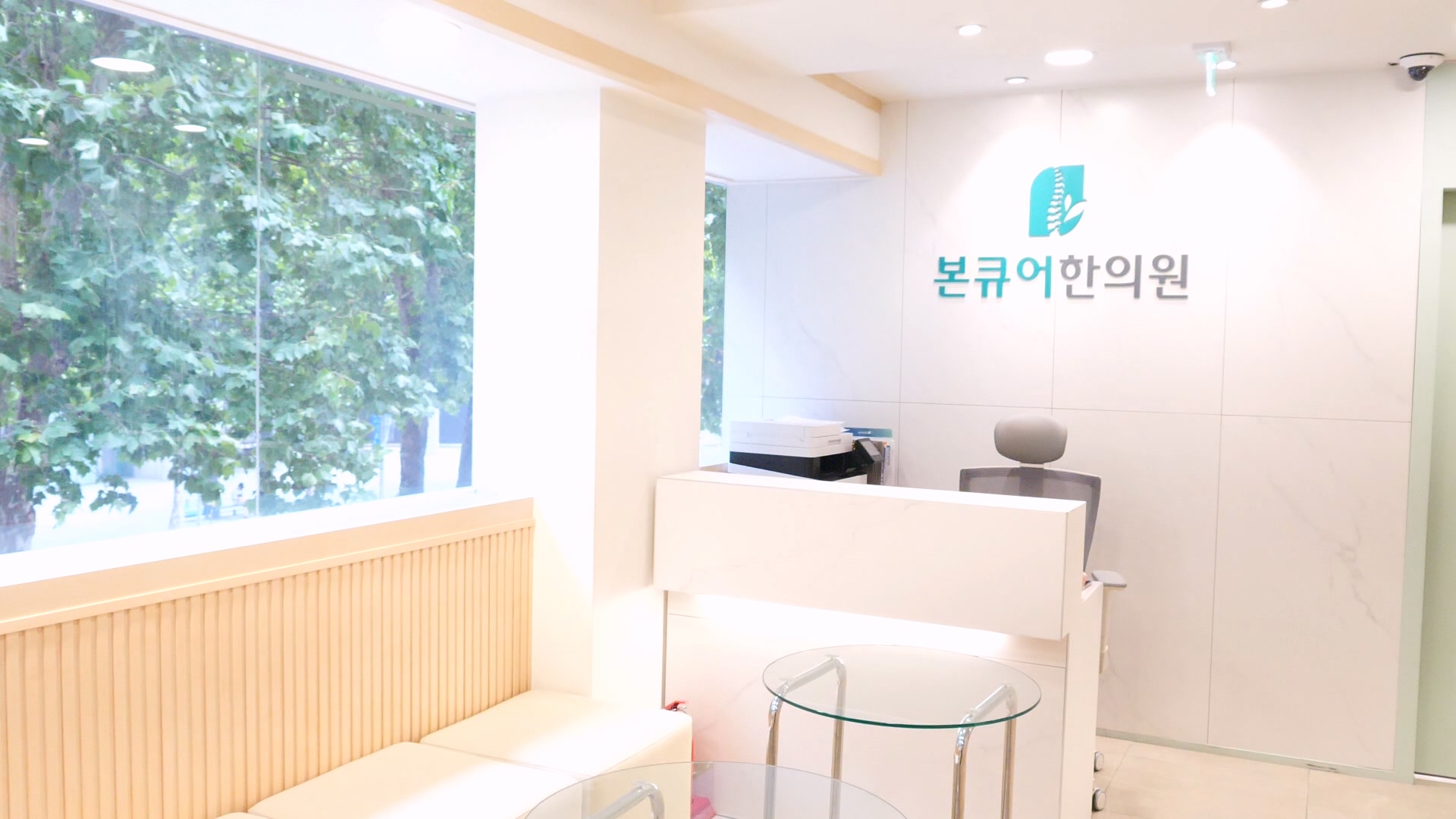
By addressing the root causes of misalignment rather than just masking symptoms, we empower individuals to live pain-free lives in a high-pressure urban environment.
Understanding Postural Correction and Structural Balance at Bonecure
Postural correction is the systematic realignment of the body's skeletal framework to ensure that weight is distributed evenly across the joints and muscles. This process involves identifying specific deviations in the spine and pelvis that may lead to secondary health issues if left untreated.
Why Modern Lifestyle Necessitates a Postural Correction Clinic in Gangnam
Modern life in an urban hub like Gangnam often involves prolonged sitting and repetitive digital device usage, which places immense stress on the cervical and lumbar spine. This postural correction clinic Gangnam addresses the growing prevalence of "Text Neck" and pelvic tilts that are increasingly common among office workers due to sedentary work environments. When the skeletal framework shifts, it creates a cascade of muscular compensation that leads to stiffness and reduced range of motion. At Bonecure, we observe that patients frequently present with symptoms that conventional rest cannot resolve. By focusing on the structural integrity of the body, we help individuals transition from a state of constant physical strain to one of balanced alignment. This shift is essential for long-term health in a high-pressure environment where physical performance and mental clarity are intertwined. Through precise assessment and targeted intervention, we aim to restore the natural curves of the spine that modern habits often flatten or distort.
The Direct Correlation Between Spinal Misalignment and Chronic Pain
Chronic pain is rarely an isolated event; it is usually the final signal of a long-standing structural imbalance within the body. When the spine is misaligned, the nervous system faces unnecessary interference, which can manifest as persistent aches or even neurological symptoms like numbness. Bonecure emphasizes that correcting these misalignments is the first step in breaking the cycle of recurrent discomfort that plagues many patients. Clinical observations on musculoskeletal health suggest that improper vertebral alignment can increase the pressure on intervertebral discs and surrounding tissues. This clinic utilizes structural restoration to address these specific mechanical failures rather than just masking the sensation of pain. By stabilizing the foundation of the body, we allow the soft tissues to heal without the constant irritation of structural friction. Our approach ensures that every patient understands the mechanical root of their condition, empowering them to pursue a recovery path that offers lasting stability and functional freedom.
Defining the Bonecure Philosophy: When Your Bones Smile, Life Smiles
The philosophy at Bonecure is built on the belief that "When your bones smile, life smiles." This means that when the skeletal structure is in its optimal position, every other system in the body, from the nervous system to the digestive tract, functions more efficiently. We view the bones as the framework of human vitality, and our mission is to ensure that this framework is as strong and balanced as possible. This perspective shifts the focus from treating sickness to cultivating wellness and resilience. By centering our care on structural restoration, we help patients reclaim the joy of movement and the comfort of a body that works in harmony. Our clinic in Cheongdam serves as a sanctuary for those who are tired of superficial treatments and are ready to invest in their long-term structural health. We are committed to providing an environment where science and professional expertise meet, helping every individual achieve a state of balance that radiates through every aspect of life.
Specialized TKM Methods: Acupuncture for Back Pain and Acu-needle Therapy
Acu-needle therapy, or Dochim, is a specialized medical technique that uses a flat-headed needle to release internal tissue adhesions and restore mobility to the musculoskeletal system. This method is a specialized option for chronic conditions where the release of deep-seated adhesions is necessary for functional improvement.
How Acu-needle Therapy (Dochim) Releases Tissue Adhesion and Restores Function
Acu-needle therapy, also known as Dochim, is a specialized technique that uses a flat-headed needle to release internal tissue adhesions. In chronic conditions, the body often forms dense scar tissue or adhesions that bind muscles and nerves together, causing restricted movement and persistent pain. At Bonecure, we use this precise tool to physically separate these micro-adhesions, which facilitates improved blood flow and nerve conduction. While the procedure involves a sensation of pressure, it is designed to stimulate the body's natural regenerative response. Patients should be aware that results vary by individual, and chronic cases often require multiple sessions to achieve stability. Common side effects include temporary soreness, minor bruising, or localized swelling at the treatment site. However, by addressing the physical obstructions within the soft tissue, we provide a pathway for functional recovery that traditional acupuncture might not reach alone. This method is a cornerstone of our structural restoration philosophy.
Synergizing Moxibustion Therapy in Seoul with Modern Diagnostic Tools
Traditional techniques like moxibustion therapy in Seoul are often integrated with modern diagnostic tools to enhance the healing environment of the body. Moxibustion involves the application of heat to specific meridian points, which promotes circulation and helps to relax deep-seated muscle tension. At Bonecure, we find that this thermal therapy prepares the tissues for more intensive procedures like Acu-needle therapy by increasing elasticity and reducing local inflammation. This synergy between ancient wisdom and contemporary science allows for a more comprehensive treatment experience. For example, applying heat to the lumbar region can soothe the nerves before we address a herniated disc or structural misalignment. By combining these methods, we create a multi-layered approach to pain management that addresses both the physical structure and the energetic flow of the body. This holistic strategy is particularly effective for patients with chronic conditions who require a professional intervention to stimulate their body's internal healing mechanisms and restore overall balance.
Oriental Medicine for Chronic Pain: A Root Cause Approach Beyond Temporary Relief
Oriental medicine offers a unique perspective on chronic pain by viewing it as a stagnation of energy and blood caused by structural or environmental factors. Rather than focusing solely on the site of pain, we look at the entire kinetic chain to see how the body has adapted to injury or stress. This root cause approach is central to the care provided at Bonecure, where we utilize a variety of traditional modalities to restore equilibrium. By combining acupuncture, herbal medicine, and manual adjustments, we address the biochemical and mechanical aspects of pain simultaneously. This comprehensive strategy helps to prevent the recurrence of symptoms by strengthening the body's underlying structures. Patients often report that this method provides a deeper sense of relief compared to temporary fixes that only dull the sensation of discomfort. Our goal is to facilitate a complete restoration of function, allowing individuals to return to their favorite activities with confidence, knowing their body is supported by a solid foundation. Traditional Korean Medicine for Chronic Pain: A 2026 Guide to Structural Recovery at BonCure
The Principles of Structural Restoration at Bonecure
Structural restoration refers to the methodology of identifying and addressing the physical misalignment of the skeletal system to support physiological function. Our approach focuses on the whole spine and global alignment using tools such as Acu-needle therapy, Chuna manual therapy, and X-ray analysis. By prioritizing the structural integrity of the body, we aim to facilitate functional recovery and help patients manage the underlying mechanical factors contributing to their discomfort. This process is designed to support the body's natural healing mechanisms and promote long-term stability.
Analyzing Case Reports and Traditional Medicine Clinical Notes
In my clinical practice, I have documented various instances where structural restoration led to significant improvements in refractory conditions. For instance, I have published case reports exploring how addressing cervical spine alignment and releasing deep tissue tension can assist in managing refractory conditions like tinnitus or hearing-related symptoms. In these specific clinical observations, structural interventions were applied to support the nervous system's environment. While these case reports document positive outcomes for the individuals involved, it is important to note that results vary significantly by patient, and these findings do not guarantee identical outcomes for others. Each treatment plan is tailored to the individual's unique structural needs. We utilize clinical notes to track objective progress, such as changes in Beck Anxiety or Depression scores, to ensure that the recovery is holistic. It is important to note that every patient's body responds differently, and these cases serve as evidence of what is possible through dedicated structural care. Chimdo (Acuknife) Therapy Benefits: A 2026 Guide to Structural Recovery at Bonecure
The Role of Whole Spine X-ray in Scientific Postural Assessment
Accurate diagnosis is the foundation of effective treatment, which is why Bonecure utilizes whole spine X-ray imaging to assess global alignment. Unlike localized films, a full-spine view allows us to see how a tilt in the pelvis might be contributing to a compensatory curve in the neck. This bird's-eye view of the skeletal system ensures that we are not simply chasing symptoms but are instead identifying the primary driver of dysfunction. By measuring specific angles and vertebral rotations, we can create a customized treatment plan that addresses the patient's unique biomechanical needs. We also use these images to track progress over time, providing objective proof of structural changes. Scientific assessment removes the guesswork from postural correction, allowing for a more predictable and safe clinical outcome. This data-driven approach ensures that each patient receives care that is tailored to their specific anatomy, promoting a more efficient and stable recovery process for long-term health and improved mobility.
Navigating Your Recovery Journey at a Korean Traditional Medicine Clinic in Cheongdam
A recovery journey at a specialized clinic involves a step-by-step process of assessment, intervention, and stabilization to ensure that health gains are maintained. This structured path provides patients with a clear understanding of their progress and the time required for tissues to heal and realign.
Personalized Treatment Protocols: From Diagnosis to Functional Recovery
A recovery journey at a premium clinic in Cheongdam features an efficient and high-impact diagnostic assessment of your musculoskeletal health and physical goals. Every patient at Bonecure receives a protocol that is uniquely designed to match their specific structural deviations and symptom severity. During the initial consultation, we analyze your gait, posture, and diagnostic images to map out a clear path toward functional recovery. This roadmap includes a timeline of expected milestones, such as a reduction in pain intensity or an increase in joint mobility. We prioritize transparency, ensuring that you understand the rationale behind each treatment choice, whether it involves intensive Acu-needle therapy or gentle moxibustion. As you progress, we continuously refine your protocol based on your body's response, ensuring that the care remains effective and safe. This professional attention is what allows us to achieve high levels of patient satisfaction and sustainable results, even in cases that have been labeled as difficult by other providers.
Addressing Refractory Conditions: Tinnitus and Autonomic Nervous System Balance
Beyond musculoskeletal pain, structural restoration can have a profound impact on conditions that seem unrelated to the spine, such as autonomic nervous system imbalances. When the upper cervical vertebrae are misaligned, they can exert pressure on the brainstem and vagus nerve, potentially leading to symptoms like dizziness, digestive issues, or chronic fatigue. At Bonecure, we have observed that restoring the alignment of the atlas and axis vertebrae can help stabilize the autonomic system, allowing the body to exit a constant fight or flight state. This approach is particularly relevant for patients suffering from refractory tinnitus or persistent vertigo that has not responded to conventional medication. By improving the flow of cerebrospinal fluid and reducing neurological irritation, we support the body's innate ability to regulate itself. While these conditions are complex and require a comprehensive diagnostic approach, addressing the structural component often provides the missing piece of the puzzle for patients seeking a more holistic and lasting form of relief. Acupuncture Clinic Gangnam Seoul: A 2026 Guide to Structural Recovery at Bonecure
Ensuring Long-term Stability: Post-Treatment Maintenance and Lifestyle Alignment
Achieving structural balance is a significant milestone, but maintaining that balance requires a commitment to lifestyle alignment and ongoing self-care. At Bonecure, we believe that the true success of postural correction is measured by how well a patient can sustain their results in their daily environment. To support this, we provide specific guidance on ergonomic adjustments, such as the proper setup of a workstation or the best sleeping positions to support spinal health. We also teach corrective exercises that strengthen the muscles responsible for maintaining a neutral posture. Regular follow-up sessions may be recommended to address minor shifts before they become major problems, especially for those with high-demand careers in Gangnam. By integrating these habits into your routine, you can protect the investment you have made in your health and prevent the return of chronic pain. Our team is dedicated to being your long-term partner in wellness, ensuring that your bones continue to smile so that you can live life to the fullest.
Key Takeaways
- Postural correction involves identifying skeletal misalignments that cause chronic pain and nervous system interference.
- Bonecure utilizes specialized Acu-needle therapy to release tissue adhesions and promote deep structural healing.
- Scientific assessment, including whole spine X-ray, is essential for creating personalized and effective recovery protocols.
- Restoring cervical and spinal alignment can significantly impact refractory conditions like tinnitus and autonomic imbalances.
- Long-term stability requires a combination of clinical intervention, ergonomic adjustments, and consistent maintenance habits.
Frequently Asked Questions
Q. What should I expect during my first visit to Bonecure in Gangnam?
Your journey begins with a comprehensive structural analysis, including a whole spine X-ray, followed by an efficient diagnostic assessment with Dr. Song Jung-hyun to identify underlying misalignments. We focus on identifying the physical drivers of your symptoms to create an impact-driven roadmap for recovery. This initial assessment ensures that all subsequent treatments are tailored to your unique anatomy.
Q. Is acupuncture for back pain effective for chronic conditions?
Yes, especially when combined with Acu-needle therapy, which targets the specific adhesions causing limited mobility and nerve compression. While traditional acupuncture provides relief, our structural restoration approach addresses the mechanical root cause of the pain. Results vary by individual, and chronic cases often require multiple sessions to achieve lasting stability.
Q. Are there any side effects associated with Acu-needle or Dochim therapy?
Some patients may experience temporary soreness, minor bruising, or localized swelling at the treatment site for a few days. Rare risks include infection, which we mitigate through strict sterilization protocols and advanced clinical techniques. We recommend resting for 24 hours post-treatment to allow the tissues to begin the regeneration process safely.
Q. How many sessions are typically required for postural correction?
While some patients experience immediate relief after just one session, structural correction typically involves a series of treatments over several weeks. The exact number of sessions depends on the severity of the misalignment and the patient's individual healing rate. A specific timeline is provided after your initial structural assessment and diagnostic imaging.
Q. Does this Korean traditional medicine clinic in Cheongdam treat non-musculoskeletal issues?
Dr. Song Jung-hyun has published case reports exploring the relationship between spinal alignment and conditions such as tinnitus or autonomic imbalances. These reports suggest that addressing cervical misalignments may support the nervous system's function. However, these are individual case studies, and clinical outcomes can vary based on a patient's specific health status and the severity of their condition.
Q. How much does the treatment cost at a premium clinic in Gangnam?
Costs are determined by the complexity of your condition and the specific combination of therapies required, such as Acu-needle, Chuna, or moxibustion. We provide a transparent value breakdown during your initial consultation so you can make an informed decision. We focus on providing high-quality, root-cause care that reduces the need for long-term symptom management.
Q. Can I return to daily activities immediately after treatment?
Most patients can return to work or light activity, though we recommend avoiding strenuous exercise for 24 hours to allow the treated tissues to begin the regeneration process. Some localized tenderness is normal, and using a warm compress can help soothe the area. We provide specific post-care instructions to ensure your recovery is smooth and effective.
Hello. I am Dr. Song Jung-hyun, a practitioner of Korean Medicine who has focused on Acu-needle therapy for many years.
Sincerely,
Bonecure / Dr. Song Jung-hyun
FAQ
- What should I expect during my first visit to Bonecure in Gangnam?
- Your journey begins with a comprehensive structural analysis, including a whole spine X-ray, followed by a personal consultation with Dr. Song Jung-hyun to identify underlying misalignments. We focus on understanding your health history and physical goals to create a roadmap for recovery. This initial assessment ensures that all subsequent treatments are tailored to your unique anatomy.
- Is acupuncture for back pain effective for chronic conditions?
- Yes, especially when combined with Acu-needle therapy, which targets the specific adhesions causing limited mobility and nerve compression. While traditional acupuncture provides relief, our structural restoration approach addresses the mechanical root cause of the pain. Results vary by individual, and chronic cases often require multiple sessions to achieve lasting stability.
- Are there any side effects associated with Acu-needle or Dochim therapy?
- Some patients may experience temporary soreness, minor bruising, or localized swelling at the treatment site for a few days. Rare risks include infection, which we mitigate through strict sterilization protocols and advanced clinical techniques. We recommend resting for 24 hours post-treatment to allow the tissues to begin the regeneration process safely.
- How many sessions are typically required for postural correction?
- While some patients experience immediate relief after just one session, structural correction typically involves a series of treatments over several weeks. The exact number of sessions depends on the severity of the misalignment and the patient's individual healing rate. A specific timeline is provided after your initial structural assessment and diagnostic imaging.
- Does this Korean traditional medicine clinic in Cheongdam treat non-musculoskeletal issues?
- Dr. Song Jung-hyun has published case reports on treating conditions like tinnitus, Meniere's disease, and autonomic imbalances by restoring spinal alignment. These conditions are often linked to neurological interference caused by cervical misalignments. By improving nervous system flow, we can help resolve symptoms that seem unrelated to the musculoskeletal system.
- How much does the treatment cost at a premium clinic in Gangnam?
- Costs are determined by the complexity of your condition and the specific combination of therapies required, such as Acu-needle, Chuna, or moxibustion. We provide a transparent value breakdown during your initial consultation so you can make an informed decision. We focus on providing high-quality, root-cause care that reduces the need for long-term symptom management.
- Can I return to daily activities immediately after treatment?
- Most patients can return to work or light activity, though we recommend avoiding strenuous exercise for 24 hours to allow the treated tissues to begin the regeneration process. Some localized tenderness is normal, and using a warm compress can help soothe the area. We provide specific post-care instructions to ensure your recovery is smooth and effective.