
Post
Structural Medicine Approach to Chronic Fatigue and Autonomic Dysfunction: A 2026 Clinical Guide
The structural medicine approach to chronic fatigue and autonomic dysfunction focuses on the intricate relationship between the physical alignment of the musculoskeletal system and the regulatory efficiency of the nervous system.
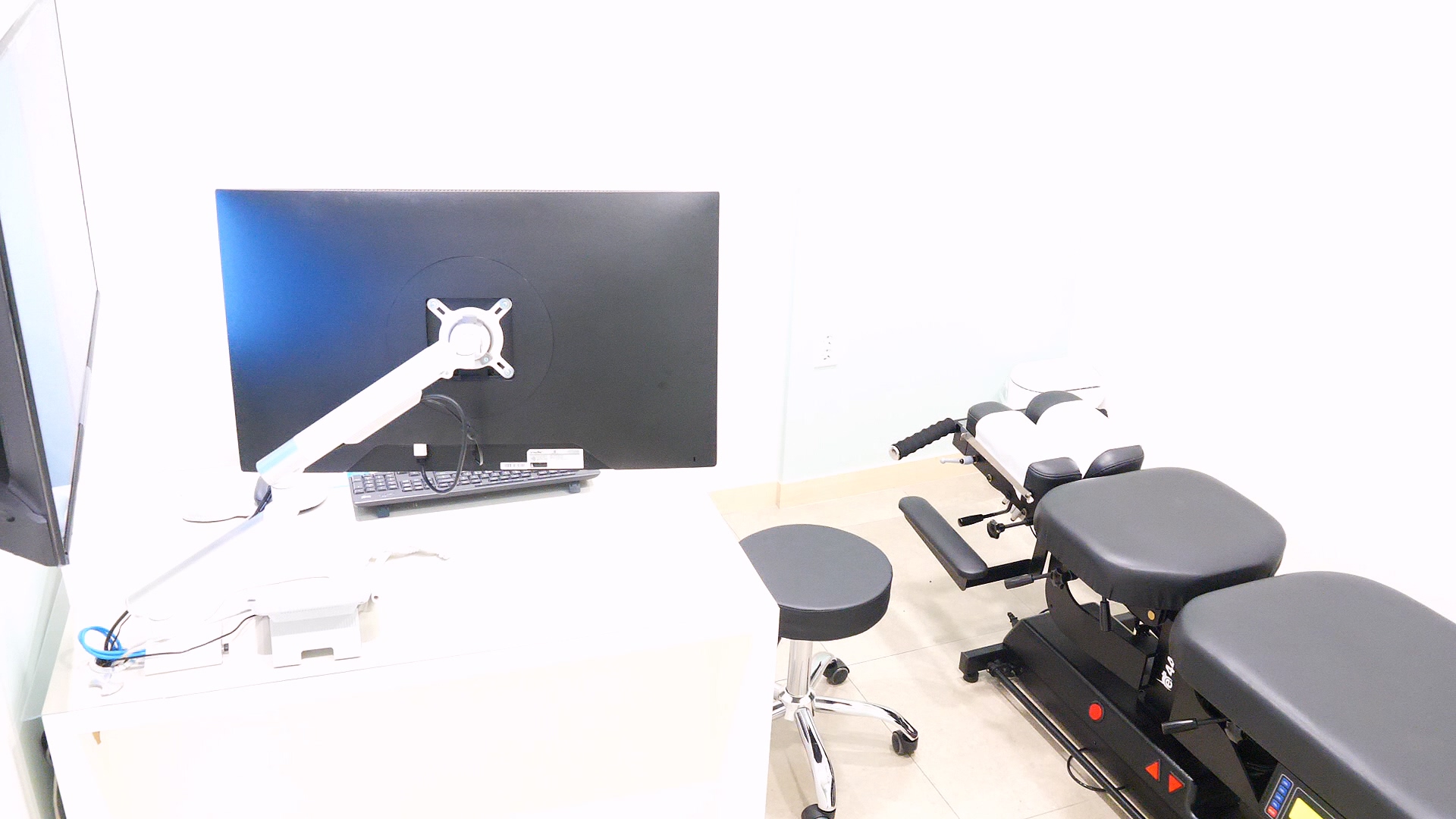
This methodology posits that persistent exhaustion and neurological imbalances are often rooted in physical obstructions along the spinal column that hinder optimal communication between the brain and internal organs. By restoring structural integrity, patients can experience improved energy levels and systemic stability. Hello. I am Dr. Song Jung-hyun, an oriental medicine doctor with extensive experience focusing on needle knife therapy and structural restoration. At Bonecure, we believe that when your bones are in their correct positions, your entire body can function without the unnecessary stress of mechanical interference.
Defining the Structural Medicine Approach to Chronic Fatigue and Autonomic Dysfunction
The structural medicine approach is a clinical philosophy that identifies spinal and cranial misalignments as primary contributors to systemic health issues, particularly those involving the autonomic nervous system. Unlike traditional approaches that may only focus on chemical imbalances, this method examines how the physical housing of the nervous system affects its signal transmission. When the spine loses its natural curvature or when individual vertebrae become fixated, it can create a state of perpetual physiological stress that manifests as chronic fatigue.
The Link Between Spinal Alignment and Energy Production
Spinal alignment serves as the physical foundation for the body's energy distribution system. The human spine consists of 24 movable vertebrae that protect the spinal cord, which acts as the main highway for neurological impulses. If even one of these segments deviates from its optimal position, it can cause micro-tensions in the surrounding fascia and vasculature. These tensions restrict the flow of oxygenated blood and essential nutrients to vital tissues, forcing the body to work significantly harder to maintain basic homeostasis. Over time, this constant energy drain leads to the profound exhaustion characteristic of chronic fatigue syndrome. Clinical observations suggest that a significant number of patients with spinal curvature issues report concurrent lethargy, as the mechanical stress drains systemic resources. By addressing these mechanical inefficiencies at Bonecure, we help the body redirect its internal resources toward healing rather than just sustaining a compromised structure. This structural correction is fundamental to achieving long-term vitality and reducing the metabolic load on the individual.
Understanding Autonomic Nerve Entrapment via Spinal Imbalance
Autonomic nerve entrapment occurs when misaligned skeletal structures exert physical pressure on the nerves responsible for involuntary functions like heart rate, digestion, and respiratory rhythm. The autonomic nervous system is divided into the sympathetic and parasympathetic branches, which must remain in a delicate balance. However, structural distortions in the upper cervical spine or the pelvic region can trap these nerves, leading to a state of dysautonomia. In many clinical cases, we observe that patients suffering from long-term stress often have visible deviations in their X-ray imaging, showing a loss of the natural lordotic curve. These structural abnormalities can interfere with the transmission of autonomic nervous system signals, which carry vital parasympathetic information. When this communication is disrupted, the body remains stuck in a 'fight or flight' state, preventing the restorative processes necessary for overcoming fatigue. Bonecure focuses on releasing these physical entrapments to allow the nervous system to recalibrate and return to its natural, balanced state of functioning.
How Bonecure Views Chronic Exhaustion through Bone Health
At Bonecure, we view chronic exhaustion not as a singular symptom but as a systemic failure resulting from a loss of structural harmony. Our perspective is rooted in the idea that the skeleton is more than just a frame; it is a dynamic organ system that influences every physiological process. When the bones are misaligned, they create a cascade of tension that affects the deep fascia and the central nervous system. To take an example of one patient who had struggled with symptoms for over 18 years, we found that their persistent issues were linked to a long-forgotten structural injury. Please note that this is an individual case and results may vary depending on the patient's condition. By utilizing specialized diagnostic tools and structural assessments, we identify these hidden mechanical stressors. Our goal is to provide a path to recovery that goes beyond temporary relief by addressing the actual physical roots of the exhaustion. While individual results may vary, restoring the 'smile' to your bones often results in a profound improvement in daily life quality and overall physical resilience.
Comparing Structural Rehabilitation and Symptomatic Management
Structural rehabilitation focuses on correcting the underlying physical causes of illness, whereas symptomatic management aims to reduce the immediate discomfort of the patient. In the context of chronic fatigue and autonomic dysfunction, choosing between these two paths determines whether the patient can work toward long-term health recovery or focuses on immediate symptom relief. Structural medicine can be used in conjunction with other therapies to provide a complementary effect through structural improvement. Structural medicine seeks to change the physical environment of the body to allow for natural self-healing.
Symptomatic Medication vs. Structural Realignment
Symptomatic medication typically involves the use of stimulants or anti-anxiety drugs to manage the feelings of fatigue and neurological instability. While these treatments serve an important role in symptom management, structural realignment at Bonecure can work alongside them to address potential physical imbalances. While these can provide short-term relief, they do not address the physical nerve compression or spinal imbalances that may be driving the symptoms. In contrast, structural realignment at Bonecure involves physically adjusting the vertebrae and releasing adhered tissues to restore proper neurological flow. Many patients find that while medication provides a temporary lift, their symptoms return as soon as the dose wears off because the structural mechanical stress remains unchanged. Realignment requires a commitment to a series of treatments, often spanning several weeks, to retrain the muscles and ligaments to hold the bones in their correct positions. This process addresses the root cause of the energy drain, potentially leading to a more sustainable and drug-free recovery. However, it is important to note that structural changes take time and require patience to manifest fully.
Traditional Korean Medicine Treatment for Nerve Recovery
Traditional Korean Medicine offers a unique framework for nerve recovery by combining structural techniques with biochemical support. At Bonecure, we utilize specialized methods such as Chuna manual therapy and pharmacopuncture to physically mobilize the spine and improve the circulation of blood. This approach recognizes that nerve health is dependent on the surrounding fluid environment. When the structural alignment is restored, the inflammatory markers surrounding the nerves typically decrease, allowing the nervous system to recover more effectively. We often integrate herbal decoctions specifically formulated to nourish the system and reduce oxidative stress. This dual approach of physical manipulation and herbal support provides a comprehensive environment for the body to repair itself. For instance, in cases of severe autonomic dysfunction, stabilizing the spine provides the physical foundation upon which nutritional and herbal therapies can be most effective. This integrative method is designed to foster a resilient nervous system that can handle the stressors of modern life.
Comparison Table: Bonecure Approach vs. General Chronic Fatigue Management
| Feature | Bonecure Structural Approach | General Symptomatic Management |
|---|---|---|
| Primary Focus | Spinal alignment and nerve decompression | Suppression of fatigue and pain symptoms |
| Mechanism | Physical release of deep fascia and bone | Chemical intervention via medication |
| Treatment Tool | Needle knife (Acupotomy) and Chuna | Oral supplements or pharmaceuticals |
| Long-term Goal | Restoring innate healing capacity | Managing daily symptom levels |
| Typical Duration | Multi-session structural rehabilitation | Indefinite or as-needed medication |
| Nervous System | Aiming for autonomic balance (Homeostasis) | Often masks neurological signals |
Clinical Application of Specialized Procedures for Nerve Regulation
The clinical application of specialized acupuncture and acupotomy (needle knife therapy) is essential for regulating the nervous system and releasing structural adhesions. These techniques go beyond traditional acupuncture by targeting the deep connective tissues that often hold the spine in a misaligned state. By physically breaking down these adhesions, the clinician can facilitate a more rapid return to structural and neurological health.
Acupuncture for Systemic Balance and Autonomic Stabilization
Acupuncture is a cornerstone of our treatment protocol for stabilizing the autonomic nervous system. By stimulating specific points along the spine and extremities, we can trigger a systemic response that shifts the body from a sympathetic-dominant state to a parasympathetic-dominant state. This shift is crucial for patients with chronic fatigue, as it allows the body to enter a 'rest and digest' mode where healing can occur. For many patients, localized discomfort is often a sign of a larger autonomic imbalance. At Bonecure, we have seen that consistent acupuncture sessions can help lower heart rate variability and improve sleep quality, which are key indicators of autonomic health. While some patients report feeling significantly more relaxed after just one session, chronic conditions usually require 10 to 20 treatments to achieve lasting stability. It is essential to recognize that while acupuncture is generally safe, minor bruising or temporary fatigue immediately following a session may occur as the body begins to rebalance itself.
Advanced Acupotomy Techniques for Chronic Adhesion Release
Needle knife therapy, or acupotomy, is a specialized procedure used at Bonecure to treat chronic scar tissue and deep fascia adhesions that traditional needles cannot reach. This tool features a small, flat blade at the tip, allowing the practitioner to perform micro-stripping of adhered tissues. In the context of autonomic dysfunction, adhesions around the spinal joints can lock the vertebrae in place, creating a permanent state of nerve irritation. By precisely releasing these tight bands of tissue, we allow the bones to return to their natural alignment. This procedure is particularly effective for patients who have not responded to conventional manual therapies. We often observe that releasing these adhesions helps patients feel a sense of tension relief or increased mobility in the spine. As with any procedure, individual responses vary. Because this is a more intensive procedure, patients may experience localized soreness for 2-3 days post-treatment, and rarely, minor bruising or temporary swelling may occur. It is a powerful method for restoring the structural integrity required for a healthy, high-functioning nervous system.
Pharmacopuncture for Targeted Neurological Support
Pharmacopuncture involves the injection of purified herbal extracts into specific acupoints or areas of muscle tension to provide both physical and biochemical relief. This method is particularly effective for patients suffering from autonomic dysfunction, as it allows for the targeted delivery of nutrients that support nerve recovery. At Bonecure, we use pharmacopuncture to reduce deep-seated inflammation that may be hindering the effectiveness of structural adjustments. The herbal extracts work to soothe the nervous system while the physical insertion of the needle helps to release local muscle knots. This dual-action treatment is often integrated with Chuna therapy to maximize the body's rehabilitative potential. By addressing both the structural misalignment and the underlying chemical stress in the tissues, pharmacopuncture provides a comprehensive layer of support for patients with chronic fatigue. While the procedure is minimally invasive, some localized stinging or temporary tenderness at the injection site is common. This approach ensures that the nervous system has the necessary nutritional support to maintain its new, balanced alignment.
Holistic Integration for Long-term Autonomic Resilience
Holistic integration involves combining various therapeutic modalities to ensure that the patient remains healthy long after their initial symptoms have faded. By addressing the body as a whole, rather than a collection of parts, we can build long-term resilience against the stresses that lead to autonomic dysfunction and chronic fatigue. This requires a focus on both physical structure and internal physiological balance.
Structural Foundation for Systemic Resilience
Resilience in the face of chronic stress begins with a stable skeletal foundation. Many patients experiencing chronic fatigue also face systemic imbalances that can be exacerbated by spinal misalignments in the lumbar and pelvic regions. These structural issues can interfere with the nerve supply to the vital organs, leading to symptoms like sluggishness or poor metabolic function. At Bonecure, we assess the pelvic tilt and lumbar curvature to ensure that the signaling pathways are unobstructed. By combining pelvic realignment with personalized care plans, we help restore the body's natural rhythms. We have observed that when the structural foundation is stabilized, many systemic symptoms improve alongside the patient's energy levels. It is important to acknowledge that neurological recovery can be a gradual process, often requiring a combination of structural care and lifestyle adjustments over several months. This holistic focus ensures that patients receive comprehensive care that addresses the unique intersection of their skeletal and neurological health.
Long-term Maintenance for Autonomic Stability
Maintaining autonomic stability requires more than just initial treatment; it involves a commitment to preserving the structural integrity of the spine. Once the primary misalignments have been corrected, the goal shifts toward preventing the recurrence of tension and adhesions. At Bonecure, we emphasize the importance of regular maintenance sessions and ergonomic adjustments to protect the nervous system from the daily stresses of modern life. By keeping the deep fascia pliable and the vertebrae mobile, we ensure that the body can continue to function in a state of parasympathetic dominance. This proactive approach helps to buffer the system against future episodes of chronic fatigue or autonomic flare-ups. Patients who engage in a maintenance phase often report higher overall life satisfaction and a greater ability to manage stress without physical regression. Our objective is to empower every individual with a resilient body that remains balanced long after their initial symptoms have resolved.
Personalized Traditional Medicine Clinical Notes for Patient Recovery
Every patient at Bonecure receives a personalized clinical plan that documents their structural progress and neurological recovery. These clinical notes are essential for tracking the subtle changes that occur during the rehabilitation process, such as improvements in posture, nerve conduction, and subjective energy levels. We emphasize the importance of consistent care, especially for those with long-standing chronic conditions. For instance, a patient with 18 years of chronic symptoms may require a more intensive initial phase of treatment compared to someone with a recent injury. Our clinical observations show that structural stability usually begins to solidify after the first 10 sessions, but long-term resilience often requires a maintenance phase. We work closely with each individual to adjust their treatment frequency based on their specific healing rate and lifestyle demands. This data-driven and patient-centered approach allows us to provide a high level of care while remaining transparent about the expected timelines and potential outcomes of the structural medicine journey.
A 2026 Clinical Perspective on Structural Restoration with Dr. Song Jung-hyun
Songhanisa Clinic Reviews: Dr. Song Jung-hyun’s Structural Restoration at Bonecure
Frequently Asked Questions
Q. What is the structural medicine approach used by Bonecure?
It is a clinical methodology that focuses on correcting the physical alignment of the spine and bones to release pressure on the autonomic nerves. By restoring the correct structural relationship between the skeleton and the nervous system, Bonecure aims to revitalize the body's natural energy flow and healing capacity. This approach is based on the principle that mechanical integrity is the foundation of physiological health.
Q. How does spinal alignment affect chronic fatigue?
Misaligned vertebrae can compress nerves and blood vessels, which hinders the delivery of neurological signals throughout the body. This mechanical stress forces the body to consume excessive energy just to maintain basic functions, leading to persistent exhaustion. Correcting these misalignments reduces the metabolic load, allowing the body to redirect energy toward restoration and daily activities.
Q. Is acupuncture effective for autonomic dysfunction?
Yes, specific acupuncture techniques are highly effective for regulating the parasympathetic nervous system and inducing a state of deep relaxation. By targeting key neurological centers, acupuncture helps the body move out of a chronic stress state and into a healing state. However, the exact effectiveness can vary depending on the severity of the patient's condition and their individual physiological response.
Q. What are the potential side effects of needle knife therapy?
Some patients may experience temporary soreness, minor bruising, or a dull ache at the site of the procedure for a few days. These are normal responses as the body begins to heal and reorganize the released tissues. While severe complications are extremely rare, we provide comprehensive post-care instructions to ensure a safe and smooth recovery process.
Q. How many sessions are required for noticeable recovery?
For chronic or severe cases of fatigue and autonomic imbalance, a series of 10 to 20 sessions is often necessary to achieve lasting structural stability. The first few sessions focus on releasing acute tensions, while subsequent treatments work on retraining the body to maintain its new, healthy alignment. A personalized timeline is established after a thorough initial consultation at Bonecure.
Q. Does this treatment guarantee a complete cure for chronic fatigue?
While many of our patients report significant and life-changing improvements in their energy levels, we do not guarantee a 100% cure. Results are influenced by various factors, including the patient's age, the duration of their symptoms, and their adherence to lifestyle recommendations. Our goal is to maximize your structural health to provide the best possible environment for recovery.
Q. Can I receive Korean traditional medicine alongside Western medicine?
In most cases, the structural medicine approach at Bonecure can safely complement conventional medical treatments. Many patients find that addressing the physical structure of the spine enhances the effectiveness of their other therapies. However, we always recommend consulting with your primary healthcare provider before beginning any new treatment regimen to ensure a coordinated and safe approach to your health.
Key Takeaways
- Root Cause Focus: Chronic fatigue and autonomic dysfunction are often linked to spinal misalignments that compress vital nerves and drain the body's energy.
- Structural Release: Bonecure uses advanced techniques like needle knife therapy (acupotomy) to release deep tissue adhesions and restore skeletal integrity.
- Autonomic Balance: Treatments are designed to shift the body from a stress-dominant state to a restorative parasympathetic state, facilitating natural healing.
- Integrative Care: Combining acupuncture, pharmacopuncture, and Chuna provides a comprehensive approach to both physical structure and internal vitality.
- Personalized Progress: Recovery is a gradual process that requires a customized clinical plan and consistent treatment to achieve long-term resilience and health.
Hello. I am Dr. Song Jung-hyun, an oriental medicine doctor with extensive clinical experience in needle knife therapy. If you are struggling with persistent fatigue or a nervous system that feels out of balance, a structural approach may be the missing piece of your recovery. Please reach out for a consultation to see how we can help you find your path back to vitality.
Bonecure / Dr. Song Jung-hyun
FAQ
- What is the structural medicine approach used by Bonecure?
- It is a clinical methodology that focuses on correcting the physical alignment of the spine and bones to release pressure on the autonomic nerves. By restoring the correct structural relationship between the skeleton and the nervous system, Bonecure aims to revitalize the body's natural energy flow and healing capacity. This approach is based on the principle that mechanical integrity is the foundation of physiological health.
- How does spinal alignment affect chronic fatigue?
- Misaligned vertebrae can compress nerves and blood vessels, which hinders the delivery of oxygen and neurological signals throughout the body. This mechanical stress forces the body to consume excessive energy just to maintain basic functions, leading to persistent exhaustion. Correcting these misalignments reduces the metabolic load, allowing the body to redirect energy toward restoration and daily activities.
- Is acupuncture effective for autonomic dysfunction?
- Yes, specific acupuncture techniques are highly effective for regulating the parasympathetic nervous system and inducing a state of deep relaxation. By targeting key neurological centers, acupuncture helps the body move out of a chronic stress state and into a healing state. However, the exact effectiveness can vary depending on the severity of the patient's condition and their individual physiological response.
- What are the potential side effects of needle knife therapy?
- Some patients may experience temporary soreness, minor bruising, or a dull ache at the site of the procedure for a few days. These are normal responses as the body begins to heal and reorganize the released tissues. While severe complications like infection are extremely rare, we provide comprehensive post-care instructions to ensure a safe and smooth recovery process.
- How many sessions are required for noticeable recovery?
- For chronic or severe cases of fatigue and autonomic imbalance, a series of 10 to 20 sessions is often necessary to achieve lasting structural stability. The first few sessions focus on releasing acute tensions, while subsequent treatments work on retraining the body to maintain its new, healthy alignment. A personalized timeline is established after a thorough initial consultation at Bonecure.
- Does this treatment guarantee a complete cure for chronic fatigue?
- While many of our patients report significant and life-changing improvements in their energy levels, we do not guarantee a 100% cure. Results are influenced by various factors, including the patient's age, the duration of their symptoms, and their adherence to lifestyle recommendations. Our goal is to maximize your structural health to provide the best possible environment for recovery.
- Can I receive Korean traditional medicine alongside Western medicine?
- In most cases, the structural medicine approach at Bonecure can safely complement conventional medical treatments. Many patients find that addressing the physical structure of the spine enhances the effectiveness of their other therapies. However, we always recommend consulting with your primary healthcare provider before beginning any new treatment regimen to ensure a coordinated and safe approach to your health.