
Post
Songhanisa Clinic Reviews: Dr. Song Jung-hyun’s Structural Restoration at Bonecure
Songhanisa is a professional moniker commonly used to refer to Dr. Song Jung-hyun, a practitioner of Korean medicine with extensive clinical experience in treating chronic pain and structural dysfunction.
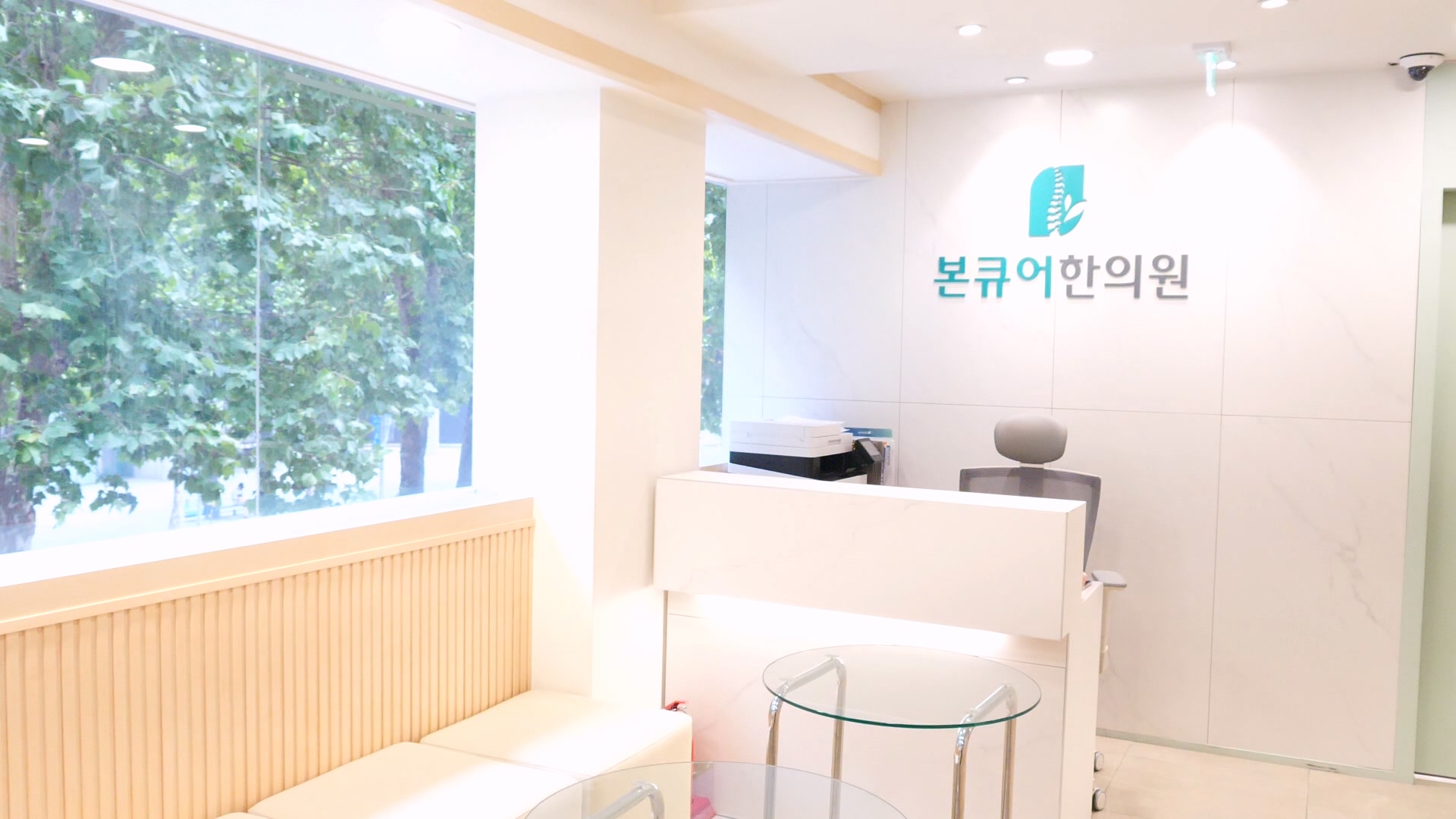
By focusing on the fundamental alignment of the skeletal system and the release of deep tissue adhesions, his work offers a pathway to recovery for patients who have found limited success with conventional symptomatic treatments.
Who is the Korean Medicine Doctor Known as Songhanisa
Songhanisa is a professional moniker for Dr. Song Jung-hyun, the representative director of Bonecure, who has dedicated his career to the science of structural restoration and advanced acupotomy. His clinical philosophy is rooted in the belief that "when your bones smile, life smiles," emphasizing that physical health is inseparable from proper skeletal alignment.
Defining the Expertise of Dr. Song Jung-hyun at Bonecure
Hello, I am Dr. Song Jung-hyun, a practitioner of Korean medicine who has dedicated years to mastering acupotomy. At Bonecure, I approach the human body not just as a collection of symptoms but as a complex structural system that requires precise alignment. Many international patients search for Songhanisa clinic reviews to understand my unique methodology, which bridges the gap between traditional wisdom and modern structural analysis. My goal is to identify the root cause of dysfunction, often found in deep-seated tissue adhesions or spinal misalignments that general treatments may overlook. By focusing on restoration rather than temporary relief, I strive to help patients regain their quality of life. The clinical environment at Bonecure reflects this commitment, utilizing modern diagnostic tools like whole-spine imaging to ensure that every adjustment is backed by objective data. When the structural integrity of the skeletal system is restored, the body's natural healing capacity is significantly enhanced, leading to sustainable wellness for the patient.
The Philosophy of Restoration and Structural Balance
Structural balance is the cornerstone of my clinical practice, as it dictates the efficiency of the nervous system and overall mobility. At Bonecure, we prioritize the restoration of the natural curves of the spine to alleviate pressure on the autonomic nervous system. This philosophy extends beyond mere bone adjustment; it involves regenerating damaged tissues and restoring the functional balance of the entire body. Many patients come to me with complex neurological symptoms that stem from chronic structural neglect. By integrating structural restoration with patient-specific care plans, I have observed significant improvements in conditions that were once considered unmanageable. It is essential to understand that while we aim for fundamental recovery, every patient's body responds differently to treatment. We use objective evaluation scales for dizziness and pain to ensure that our progress is scientifically measurable. This evidence-based approach allows us to provide a clear roadmap for patients seeking to overcome chronic health challenges through the expertise available at Bonecure.
Understanding the Unique Approach to Chronic Pain Relief
The primary clinical approach utilized by Dr. Song involves the use of specialized tools and techniques to physically dismantle internal barriers to healing, such as hardened fascia and scar tissue. This methodology, known as acupotomy or blade needle therapy, is designed to stimulate the body's regenerative processes by addressing the structural root of chronic inflammation.
Acupuncture for Back Pain and Adhesion Release
Blade-shaped needle therapy, or acupotomy, is a specialized technique used at Bonecure to treat chronic conditions that have failed to respond to conventional acupuncture. Unlike standard thin needles, the blade-shaped tip is designed to physically release adhesions in the fascia and muscle tissues that have become hardened over time. This process is crucial for restoring blood flow and nerve signaling to affected areas. In my clinical experience, even for patients with long-term chronic tinnitus, we aim to improve clinical symptoms based on the individual's condition. While specific case reports have shown significant improvements in symptom scales, it is important to note that results vary by individual and these outcomes do not guarantee the same results for all patients. While the procedure involves some temporary discomfort or mild bruising, the immediate improvement in mobility is often a significant turning point for many sufferers. I focus on providing treatment where patients can immediately feel the improvement in their symptoms and structure, rather than requiring a mandatory long-term count of 10 or 20 sessions to see results. By addressing these internal barriers, we pave the way for a more comprehensive recovery.
The Science Behind Blade-Shaped Needle Therapy
The science of blade-shaped needle therapy lies in its ability to create micro-stimulations that trigger the body's natural repair mechanisms within chronically adhered tissues. At Bonecure, we utilize this method to address the physical thickening of ligaments and tendons that often restricts movement and causes persistent pain. This technique is particularly effective for spinal alignment issues, where traditional manual therapy alone may be hindered by internal tissue stiffness. By physically breaking down these adhesions, we allow the skeletal structure to return to its optimal position more effectively. It is a process of regeneration, where the goal is to replace dysfunctional scar tissue with healthy, flexible fibers. Patients should be aware that because this is a deep tissue intervention, localized soreness for 24 to 48 hours is a common and expected part of the healing response. This specialized care is one reason why many seek out A 2026 Clinical Guide to Structural Restoration by Dr. Song Jeonghyeon at Bonecure to understand the long-term benefits of structural restoration.
Comparing Traditional Care and Structural Restoration
Structural restoration is an integrative medical philosophy that distinguishes itself from traditional symptomatic care by focusing on the physical realignment of the body's framework. While traditional methods may prioritize the reduction of inflammation through external means, structural restoration seeks to remove the physical cause of that inflammation.
Bonecure vs Conventional General Clinics
When comparing Bonecure to general pain clinics, the primary distinction lies in the objective of the treatment. While many clinics focus on immediate pain suppression through medication or general physiotherapy, Bonecure emphasizes the restoration of structural balance. This specialized approach is particularly attractive to global patients seeking advanced Korean medicine for complex spinal issues or neurological symptoms like dizziness and autonomic nervous system dysfunction. The integration of structural restoration with traditional principles allows for a more holistic recovery process. For instance, in cases involving mid-level idiopathic scoliosis, my approach involves verifying spinal curvature changes through X-ray analysis to ensure structural improvements are actually occurring. Although the initial phase of treatment requires patience as the body adapts to structural changes, the immediate relief felt after structural improvement is a core part of our philosophy. By prioritizing structural integrity, Bonecure provides a unique pathway for those who have found little success with conventional methods, striving to provide every patient with a personalized and scientifically tracked restoration plan.
At Bonecure, our structural restoration approach focuses on the fundamental alignment of the body and tissue regeneration. Unlike general symptomatic care, we utilize acupotomy (blade needle therapy) and whole-spine X-ray diagnostics to address chronic adhesions and restore natural functional movement. Our goal is to provide a comprehensive recovery pathway that addresses the root causes of physical dysfunction.
Why Global Patients Seek Specialized Korean Medicine
International patients are increasingly turning to specialized Korean medicine at Bonecure because it offers a unique synthesis of ancient structural wisdom and modern diagnostic precision. Unlike standard acupuncture, which many have experienced in their home countries, the acupotomy techniques I utilize are focused on tangible physical changes within the muscle and skeletal structures. Global patients often report that they seek out A 2026 Clinical Guide to Chuna Manual Therapy Benefits and Structural Recovery to find solutions for chronic conditions that have not responded to Western surgical or pharmaceutical interventions. The ability to see objective changes in spinal alignment on an X-ray provides a level of transparency and confidence that is highly valued. Furthermore, the efficiency of our personalized care allows patients who visit from outside the local region to receive intensive, impact-driven treatment. While the treatment requires a commitment to the process, the possibility of regaining mobility without invasive surgery remains a powerful draw for those seeking specialized care in Seoul.
Clinical Notes on Patient Outcomes and Recovery Pathways
Clinical recovery pathways at Bonecure involve a data-driven approach where patient progress is monitored through both subjective symptom reports and objective imaging. These pathways are designed to transition the patient from a state of chronic dysfunction to one of structural stability and renewed vitality.
Case Reports on Spinal Alignment and Neurological Symptoms
Managing patient expectations is a vital part of the recovery pathway at Bonecure. For chronic conditions, recovery is rarely a linear process and often requires a dedicated series of sessions to overcome years of structural neglect. I emphasize the use of objective data, such as whole-spine X-rays, to track the alignment of the vertebrae throughout the treatment process. Clinical case reports have shown that neurological symptoms, including those related to concussion syndromes or chronic fatigue, can improve when the underlying structural pressure on the nervous system is alleviated. For example, some patients have seen significant improvements in their autonomic balance after addressing cervical misalignments. However, patients should be aware that minor side effects like local soreness are part of the tissue remodeling process. It is essential to understand that while one patient may see immediate relief, another with deep-seated adhesions might require more intensive care. By maintaining transparency regarding these timelines and potential outcomes, I ensure that my patients are empowered partners in their journey toward health, often referring to resources like the 2026 Clinical Guide to Autonomic Nervous System (ANS) Balance and Structural Recovery at Bonecure.
Managing Long-Term Expectations for Chronic Conditions
Long-term recovery for chronic conditions at Bonecure is built on the foundation of gradual structural change and consistent tissue regeneration. It is important for patients to understand that chronic pain often involves years of accumulated tissue damage that cannot be reversed in a single day. In my practice, I find that a focused approach is necessary to achieve a stable structural shift that prevents the recurrence of symptoms. During this period, we closely monitor variables such as spinal curvature and pain scales to ensure the treatment is effective. We also educate patients on posture and lifestyle adjustments that support their structural recovery. While the road to full restoration can be challenging, the objective is to provide a lasting solution rather than a temporary fix. Patients should remain mindful that results are individual and that maintaining structural health requires ongoing awareness of one’s physical alignment. By providing this comprehensive care, we help our patients achieve a state where their bones truly smile, allowing them to enjoy a higher quality of life for years to come.
Frequently Asked Questions
Q. What is the primary treatment focus at Bonecure?
Bonecure focuses on restoring the fundamental structure of the body through specialized needle therapy that releases tissue adhesions and realigns the spine. By targeting the root cause of physical dysfunction, we aim to facilitate the body's natural regenerative processes for long-term health.
Q. Is the specialized needle therapy painful for the patient?
While the process may cause temporary discomfort as it targets hardened tissues and adhesions, many patients report immediate relief in mobility following the procedure. Any localized soreness or mild bruising typically resolves within a few days as the tissue begins the healing process.
Q. How many sessions are typically required for chronic back pain?
Treatment duration is tailored to each individual. Unlike traditional clinics that may mandate 10 or 20 sessions before seeing results, our philosophy is to provide treatment that allows patients to feel immediate structural and symptomatic changes. The total number of sessions depends on the patient's unique condition and recovery pace.
Q. Are there any side effects associated with blade-shaped needle therapy?
Minor side effects such as temporary soreness at the site of the procedure or slight bruising may occur, though these typically resolve quickly. These reactions are a normal part of the tissue remodeling process as the body works to repair and realign itself.
Q. Does Bonecure provide care for international patients in Seoul?
Yes, Dr. Song Jung-hyun frequently treats patients seeking advanced traditional Korean medicine for complex pain and structural issues, including those visiting from outside the region. Our clinic provides efficient, high-impact treatment plans for those traveling for care.
Q. How are patient results measured and verified?
Bonecure uses objective data, including whole spine X-rays and clinical assessment scales for symptoms like dizziness or pain, to track progress scientifically. This ensures that every step of the recovery process is backed by evidence and can be adjusted based on the patient's specific needs.
Q. What makes Dr. Song's approach different from standard acupuncture?
Unlike general wellness acupuncture, Dr. Song utilizes structural restoration techniques aimed at regenerating damaged tissues by physically addressing internal adhesions. This method combines the principles of traditional medicine with modern anatomical science to achieve deeper and more lasting structural changes.
Key Takeaways
- Structural Alignment: Bonecure focuses on the fundamental restoration of the spine and skeletal system rather than just masking symptoms.
- Acupotomy Expertise: Dr. Song Jung-hyun (Songhanisa) utilizes specialized blade-shaped needles to release chronic tissue adhesions that hinder mobility.
- Evidence-Based Care: Treatment progress is verified through objective tools like whole-spine X-rays and standardized clinical scales.
- Immediate Results Philosophy: We prioritize treatments that produce noticeable, immediate improvements in structure and symptoms, avoiding unnecessary fixed-session packages.
- Focused Accessibility: Specialized care is available for patients seeking advanced, non-surgical solutions for complex structural pain, with efficient protocols for those traveling from afar.
For more information on structural restoration and to start your journey toward recovery, please contact our clinic for a consultation.
Bonecure / Dr. Song Jung-hyun
FAQ
- What is the primary treatment focus at Bonecure?
- Bonecure focuses on restoring the fundamental structure of the body through specialized needle therapy that releases tissue adhesions and realigns the spine. By targeting the root cause of physical dysfunction, we aim to facilitate the body's natural regenerative processes for long-term health.
- Is the specialized needle therapy painful for the patient?
- While the process may cause temporary discomfort as it targets hardened tissues and adhesions, many patients report immediate relief in mobility following the procedure. Any localized soreness or mild bruising typically resolves within a few days as the tissue begins the healing process.
- How many sessions are typically required for chronic back pain?
- Treatment duration varies by individual; however, chronic or severe cases often require a series of at least 20 sessions to achieve lasting structural stability. A consistent schedule allows the body to adapt to structural changes and ensures that regenerated tissues remain flexible and functional.
- Are there any side effects associated with blade-shaped needle therapy?
- Minor side effects such as temporary soreness at the site of the procedure or slight bruising may occur, though these typically resolve quickly. These reactions are a normal part of the tissue remodeling process as the body works to repair and realign itself.
- Does Bonecure provide care for international patients in Seoul?
- Yes, Dr. Song Jung-hyun frequently treats international patients seeking advanced traditional Korean medicine for complex pain and structural issues. Our clinic is equipped to handle the unique needs of global patients, providing clear communication and structured treatment plans.
- How are patient results measured and verified?
- Bonecure uses objective data, including whole spine X-rays and clinical assessment scales for symptoms like dizziness or pain, to track progress scientifically. This ensures that every step of the recovery process is backed by evidence and can be adjusted based on the patient's specific needs.
- What makes Dr. Song's approach different from standard acupuncture?
- Unlike general wellness acupuncture, Dr. Song utilizes structural restoration techniques aimed at regenerating damaged tissues by physically addressing internal adhesions. This method combines the principles of traditional medicine with modern anatomical science to achieve deeper and more lasting structural changes.