
Post
Integrated Medicine in Seoul, South Korea: A 2026 Guide to Structural Recovery at Bonecure
Integrated medicine Seoul South Korea refers to a comprehensive healthcare approach that combines traditional Korean healing modalities with modern scientific diagnostics to achieve structural and physiological harmony.
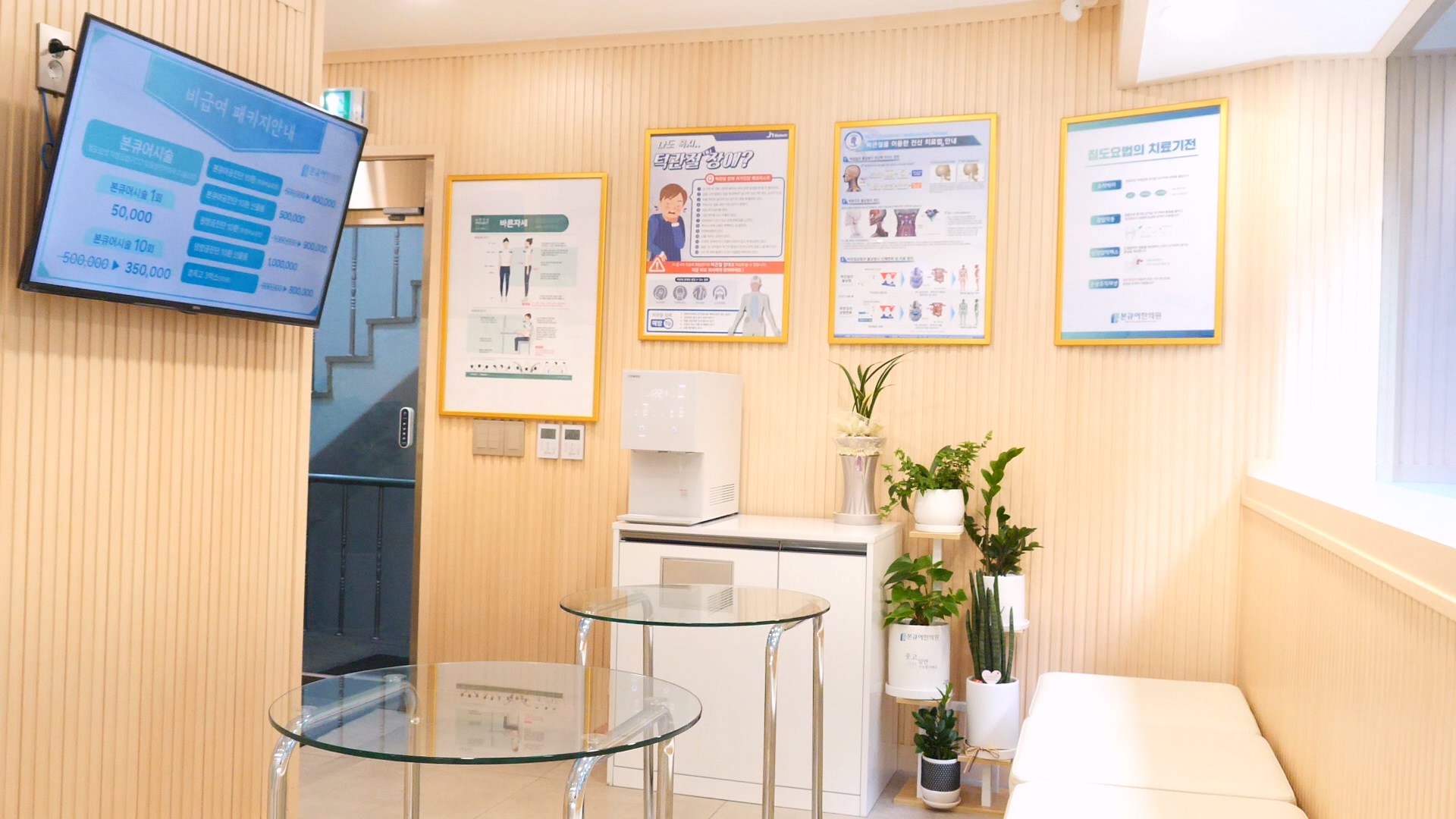
As a practitioner who has focused on acupotomy and spinal restoration for years, I believe that true recovery begins when we address the root structural causes of pain rather than just suppressing symptoms.
Understanding Integrated Medicine in Seoul: A Synergy of Tradition and Science
Integrated medicine in this region is defined as a holistic discipline that bridges the gap between ancient Eastern philosophies and contemporary Western clinical evidence. By utilizing advanced diagnostic imaging alongside traditional acupuncture, clinics in Seoul aim to provide a more precise and effective pathway for patients suffering from complex chronic conditions that have not responded to conventional treatments.
What is Integrated Medicine in South Korea?
Integrated medicine in South Korea represents a sophisticated fusion of traditional Korean medical wisdom and contemporary diagnostic precision, creating a comprehensive healthcare paradigm for 2026. This approach does not merely treat symptoms. It addresses the physiological and structural roots of illness by combining centuries-old acupuncture techniques with modern tools like X-ray imaging and postural and movement analysis. In Seoul, particularly within the bustling medical districts of Gangnam and Cheongdam, this model has gained significant traction among both local and international patients seeking alternatives to invasive surgeries. By integrating herbal pharmacotherapy with advanced manual techniques, practitioners aim to restore the body’s innate homeostasis. This synergy allows for a nuanced understanding of chronic conditions, where the musculoskeletal system and internal organ functions are viewed as an interconnected whole. Consequently, patients receive a personalized treatment protocol that leverages the strengths of both worlds, ensuring that the recovery process is as efficient and evidence-based as possible for various neurological and orthopedic issues.
The Evolution of Korean Traditional Medicine at Bonecure
The evolution of Korean traditional medicine at Bonecure is centered on the principle that structural integrity is the foundation of overall wellness. I have developed specialized protocols that move beyond simple needle insertion to focus on the mechanical restoration of the spine and joints. In 2026, our clinic utilizes advanced data analytics to track patient progress, ensuring every intervention is backed by clinical observation. We have observed that many patients coming to us have suffered from chronic ailments for extended periods, including cases persisting for over 18 years. Our methodology has evolved to prioritize the release of deep-seated tissue adhesions that standard therapies often overlook. By refining the application of acupotomy and structural correction, we provide a modern context for ancient healing. This evolution reflects a broader trend in Seoul where traditional medicine is increasingly validated through rigorous clinical documentation and objective assessment scales, allowing us to bridge the gap between subjective relief and measurable structural improvement for every individual.
Defining Evidence-Based Acupotomy and Spinal Alignment
Evidence-based acupotomy and spinal alignment involve the use of specialized blade-tipped needles to physically resolve internal tissue adhesions while simultaneously correcting the skeletal framework. This dual approach is grounded in the understanding that misaligned vertebrae often cause chronic inflammation in surrounding soft tissues. At Bonecure, we utilize X-ray imaging to assess spinal curvature before and after treatment to provide objective evidence of structural changes. While traditional acupuncture focuses on meridian flow, our evidence-based approach targets the physical pathology of the musculoskeletal system. For instance, we have documented cases where cervical alignment was significantly improved through targeted intervention, leading to a reduction in neurological symptoms. It is important to note that while many patients experience positive shifts, individual results can vary based on the severity of the condition. By focusing on the tangible evidence of tissue regeneration and skeletal symmetry, we offer a pathway to recovery that is both scientifically grounded and deeply rooted in the clinical traditions of Korean medicine.
Core Therapies for Chronic Pain Management and Structural Recovery
Core therapies for chronic pain management are specific medical interventions designed to release physical obstructions in the body and restore the natural alignment of the spine. These treatments prioritize the mechanical health of the body, recognizing that pain is often a signal of structural imbalance or tissue adhesion that requires physical resolution rather than just chemical management.
| Feature | Traditional Korean Medicine | Integrated Approach at Bonecure |
|---|---|---|
| Primary Focus | Energy Flow and Herbal Balance | Structural Alignment and Tissue Recovery |
| Diagnostic Tools | Pulse Diagnosis and Observation | X-ray Imaging and Objective Pain Scales |
| Technique | Standard Filiform Acupuncture | Acupotomy (Blade-needle) and Chuna |
| Recovery Target | Symptom Relief | Adhesion Release and Tissue Recovery |
| Assessment | Subjective Feedback | Measurable Structural and Scale Changes |
Acupuncture for Back Pain: Beyond Surface Relief
Acupuncture for back pain at our clinic is designed to go beyond surface-level muscle relaxation by targeting the deep myofascial structures that support the spine. In the context of 2026 integrated medicine, we view the back not just as a site of pain, but as a complex architectural unit that requires precise balancing. Many patients seek help after failing to find relief through various modalities, including those that focus primarily on superficial muscle strengthening. Our approach involves identifying specific trigger points and structural imbalances that contribute to persistent discomfort. By integrating Acupuncture Clinic Gangnam Seoul: A 2026 Guide to Structural Recovery at Bonecure, we provide a comprehensive framework for spinal health. Clinical observations suggest that addressing the underlying tension in the deep paraspinal muscles can lead to significant improvements in mobility and a reduction in reported pain levels. However, chronic back pain often requires a multifaceted strategy, as individual responses to needle stimulation depend on the chronicity of the injury and the patient’s overall health status.
Acupotomy for Adhesion Release and Tissue Regeneration
Acupotomy is a specialized procedure that utilizes a blade-like needle to physically release adhesions within the soft tissue, thereby promoting the body’s natural regenerative processes. This technique is particularly effective for chronic conditions where scar tissue has formed around nerves or joints, restricting movement and causing persistent pain. At Bonecure, we focus on the mechanical release of these adhesions to restore blood flow and nutrient delivery to damaged areas. This process is crucial for tissue regeneration, as it removes the physical barriers that prevent healing. While the procedure involves deeper penetration than standard acupuncture and may cause temporary soreness or minor bruising, the long-term goal is to achieve lasting structural freedom. We have seen individual cases where long-term pain was managed effectively after other modalities failed. It is essential for patients to understand that while acupotomy is a powerful tool for structural recovery, it must be performed by an experienced practitioner to minimize risks such as localized bleeding or rare infections at the site.
Specialized Treatment Modalities in Contemporary Korean Clinics
Specialized treatment modalities in contemporary Korean clinics are modern adaptations of traditional therapies that incorporate scientific validation to treat complex neurological and internal conditions. These modalities extend the reach of Korean medicine beyond simple musculoskeletal issues, addressing the autonomic nervous system and sensory disorders through structural intervention.
Moxibustion Therapy and Cupping in Modern Seoul Clinics
Moxibustion therapy and cupping serve as vital adjuncts to structural restoration, focusing on thermotherapy and negative pressure to enhance systemic circulation. In modern Seoul clinics, these traditional techniques are applied with a scientific understanding of blood flow dynamics and metabolic waste removal. Moxibustion involves the application of heat through burning mugwort, which helps to relax deep muscle fibers and improve the efficacy of subsequent acupotomy treatments. Cupping, on the other hand, uses suction to facilitate myofascial release and stimulate the lymphatic system. At Bonecure, we integrate these methods to prepare the body for deeper structural work and to accelerate the recovery of tissues post-procedure. While these treatments are generally well-tolerated, they can leave temporary marks or cause mild heat sensitivity in some individuals. When used in combination with A 2026 Clinical Guide to Chuna Manual Therapy in Seoul: Science of Structural Recovery, these therapies provide a comprehensive approach to managing both the symptoms and the physical causes of chronic inflammation and structural stiffness.
Clinical Notes: Addressing Tinnitus and Menieres through Spinal Correction
Addressing tinnitus and Meniere’s disease through spinal correction is a specialized area of my practice that highlights the connection between cervical alignment and sensory function. Clinical notes from my sessions at Bonecure indicate that misalignments in the upper cervical spine can exert pressure on the nerves and blood vessels related to the auditory system. We have documented significant progress in individual cases, such as a patient who experienced a substantial reduction in their tinnitus assessment score following a course of structural treatment. These results suggest that by correcting the physical structure, we can potentially alleviate symptoms that are often considered idiopathic in conventional medicine. However, it is vital to emphasize that these are individual case reports and do not guarantee the same outcome for every patient. Treatment for these conditions typically involves a series of sessions aimed at stabilizing the neck and improving autonomic balance. Potential side effects are usually limited to temporary neck stiffness, and we always advise a thorough consultation to determine if a patient's specific sensory issues are related to structural imbalances in the spine.
Choosing the Right Korean Traditional Medicine Clinic in Cheongdam
Choosing the right clinic in Cheongdam requires a careful evaluation of a practitioner’s commitment to evidence-based care and their ability to provide objective data regarding treatment outcomes. A reliable clinic should prioritize patient education and transparency, ensuring that individuals understand the mechanisms of structural recovery and the realistic expectations for their specific health journey.
Science-Backed Results: X-ray Improvements and Assessment Scales
Science-backed results are the cornerstone of modern Korean medicine, moving away from anecdotal claims toward measurable data points like X-ray improvements and standardized assessment scales. At Bonecure, we place a high priority on documenting the structural changes that occur throughout a patient’s treatment plan. By comparing pre-treatment and post-treatment imaging, we can visualize the correction of spinal curvature and the restoration of joint space. Additionally, we use validated tools such as the Beck Anxiety Inventory and various pain scales to track the psychological and physical impact of our interventions. For instance, our clinical records show that structural alignment can lead to improvements in autonomic nervous system function, though results vary by individual case. This focus on objective data ensures that the treatment is not only perceived as helpful but is demonstrably effective. Patients are encouraged to review these metrics during their consultations to gain a clearer understanding of their progress and the scientific basis for their personalized care plan, fostering a sense of confidence in their recovery process.
What to Expect During Your Visit to Bonecure
When you visit Bonecure, you can expect a comprehensive diagnostic process that begins with a detailed analysis of your posture and spinal structure. I personally conduct a thorough consultation to understand your medical history and the specific nature of your symptoms. Following this, we often utilize imaging to identify the precise areas of structural imbalance and tissue adhesion. The treatment itself may include a combination of acupotomy, Chuna manual therapy, and other specialized modalities tailored to your needs. It is common to feel immediate changes in mobility, though some localized soreness may occur as the tissues begin to reorganize and heal. Most chronic conditions require a focused treatment plan to achieve stable and lasting structural recovery, and we will work with you to develop a realistic timeline. We prioritize clear communication, ensuring you are informed about the potential risks and the expected benefits at every stage of your treatment. Our goal is to provide a professional and supportive environment where your journey toward structural health is guided by both clinical expertise and a genuine commitment to your long-term well-being.
Frequently Asked Questions
Q. What exactly is Integrated Medicine in the context of Seoul clinics?
Integrated medicine in Seoul combines traditional Korean healing methods, such as acupuncture and herbal medicine, with modern diagnostic tools and structural therapies like acupotomy. At Bonecure, we focus on balancing the skeletal structure alongside internal physiological recovery to treat the root cause of pain. This synergy between tradition and science allows for a more comprehensive approach to chronic health issues.
Q. Is acupuncture for back pain scientifically proven?
Yes, many studies published in international journals support acupuncture for back pain management. However, results vary significantly by individual and the nature of the condition. At Bonecure, we use acupotomy, a specialized blade-tipped needle, to physically release adhesions in the soft tissue, which is documented in our clinical case reports for spinal alignment and recovery.
Q. Does acupotomy treatment hurt and are there any side effects?
Acupotomy involves a deeper release of tissue, which can involve temporary discomfort or soreness during the procedure itself. While the treatment is generally safe when performed by a licensed professional, potential side effects include localized pain, minor bruising, or temporary bleeding at the site. Serious infections are extremely rare but remain a theoretical risk in any invasive procedure.
Q. How many sessions are typically required for chronic pain?
For chronic or severe cases, several sessions are often necessary to see significant and stable structural changes. While we aim for immediate symptom improvement that the patient can perceive from the first session, long-term stability is achieved through a personalized protocol. Every patient's recovery timeline is unique based on their specific condition.
Q. Can Korean traditional medicine help with non-musculoskeletal issues like tinnitus?
Yes, clinical notes from Bonecure show that addressing cervical spine alignment through Korean medicine can improve symptoms of tinnitus and autonomic nervous system dysfunction in some patients. These cases are treated by correcting the physical structure that may be impacting nerve function and blood flow. However, sensory disorders are complex, and success depends on the individual's underlying pathology.
Q. What is the difference between moxibustion and cupping therapy?
Moxibustion uses heat therapy from burning mugwort to stimulate circulation and relax muscles, while cupping uses suction to promote blood flow and myofascial relaxation. Both are utilized at Bonecure to supplement acupotomy and enhance the body's natural healing response. They are often used together to prepare the tissue for structural correction and to reduce post-treatment inflammation.
Q. Are the results of these treatments guaranteed?
Medical treatments, including those at Bonecure, cannot offer a 100% guarantee of a cure. Results depend on individual health status, the severity of the condition, and consistent adherence to the recommended treatment plan. We provide evidence-based care and track progress using objective scales and X-ray data to ensure we are moving toward the best possible outcome for each patient.
Key Takeaways
- Integrated Approach: Integrated medicine in Seoul combines traditional Korean techniques with modern diagnostics to treat the root cause of pain.
- Structural Restoration: Bonecure focuses on acupotomy and spinal alignment to release tissue adhesions and restore skeletal symmetry.
- Evidence-Based Care: Treatments are supported by clinical case reports, X-ray imaging, and objective assessment scales to track patient progress.
- Individualized Treatment: Recovery focus is on immediate improvement and personalized timelines, often requiring several sessions for chronic structural issues.
- Professional Guidance: Always consult with a licensed Korean medicine doctor to understand the potential risks and benefits tailored to your specific condition.
Bonecure Clinic / Dr. Junghyun Song
FAQ
- What exactly is Integrated Medicine in the context of Seoul clinics?
- Integrated medicine in Seoul combines traditional Korean healing methods, such as acupuncture and herbal medicine, with modern diagnostic tools and structural therapies like acupotomy. At Bonecure, we focus on balancing the skeletal structure alongside internal physiological recovery to treat the root cause of pain. This synergy between tradition and science allows for a more comprehensive approach to chronic health issues.
- Is acupuncture for back pain scientifically proven?
- Yes, many studies published in international journals support acupuncture for back pain management. However, results vary significantly by individual and the nature of the condition. At Bonecure, we use acupotomy, a specialized blade-tipped needle, to physically release adhesions in the soft tissue, which is documented in our clinical case reports for spinal alignment and recovery.
- Does acupotomy treatment hurt and are there any side effects?
- Acupotomy involves a deeper release of tissue, which can involve temporary discomfort or soreness during the procedure itself. While the treatment is generally safe when performed by a licensed professional, potential side effects include localized pain, minor bruising, or temporary bleeding at the site. Serious infections are extremely rare but remain a theoretical risk in any invasive procedure.
- How many sessions are typically required for chronic pain?
- For chronic or severe cases, multiple sessions are usually necessary to see significant and stable structural changes. While some patients experience immediate relief after the first few visits, long-term stability often requires a dedicated treatment plan involving 10 to 20 sessions depending on the case. Every patient's recovery timeline is unique based on their specific condition and adherence to the plan.
- Can Korean traditional medicine help with non-musculoskeletal issues like tinnitus?
- Yes, clinical notes from Bonecure show that addressing cervical spine alignment through Korean medicine can improve symptoms of tinnitus and autonomic nervous system dysfunction in some patients. These cases are treated by correcting the physical structure that may be impacting nerve function and blood flow. However, sensory disorders are complex, and success depends on the individual's underlying pathology.
- What is the difference between moxibustion and cupping therapy?
- Moxibustion uses heat therapy from burning mugwort to stimulate circulation and relax muscles, while cupping uses suction to promote blood flow and myofascial relaxation. Both are utilized at Bonecure to supplement acupotomy and enhance the body's natural healing response. They are often used together to prepare the tissue for structural correction and to reduce post-treatment inflammation.
- Are the results of these treatments guaranteed?
- Medical treatments, including those at Bonecure, cannot offer a 100% guarantee of a cure. Results depend on individual health status, the severity of the condition, and consistent adherence to the recommended treatment plan. We provide evidence-based care and track progress using objective scales and X-ray data to ensure we are moving toward the best possible outcome for each patient.