
Post
Can Structural Acupuncture Help with Post-Viral Chronic Fatigue Syndrome? A 2026 Clinical Insight
Hello. I am Dr. Song Jeong-hyeon, a Korean Medicine Doctor and practitioner focusing on acupotomy at Bonecure.
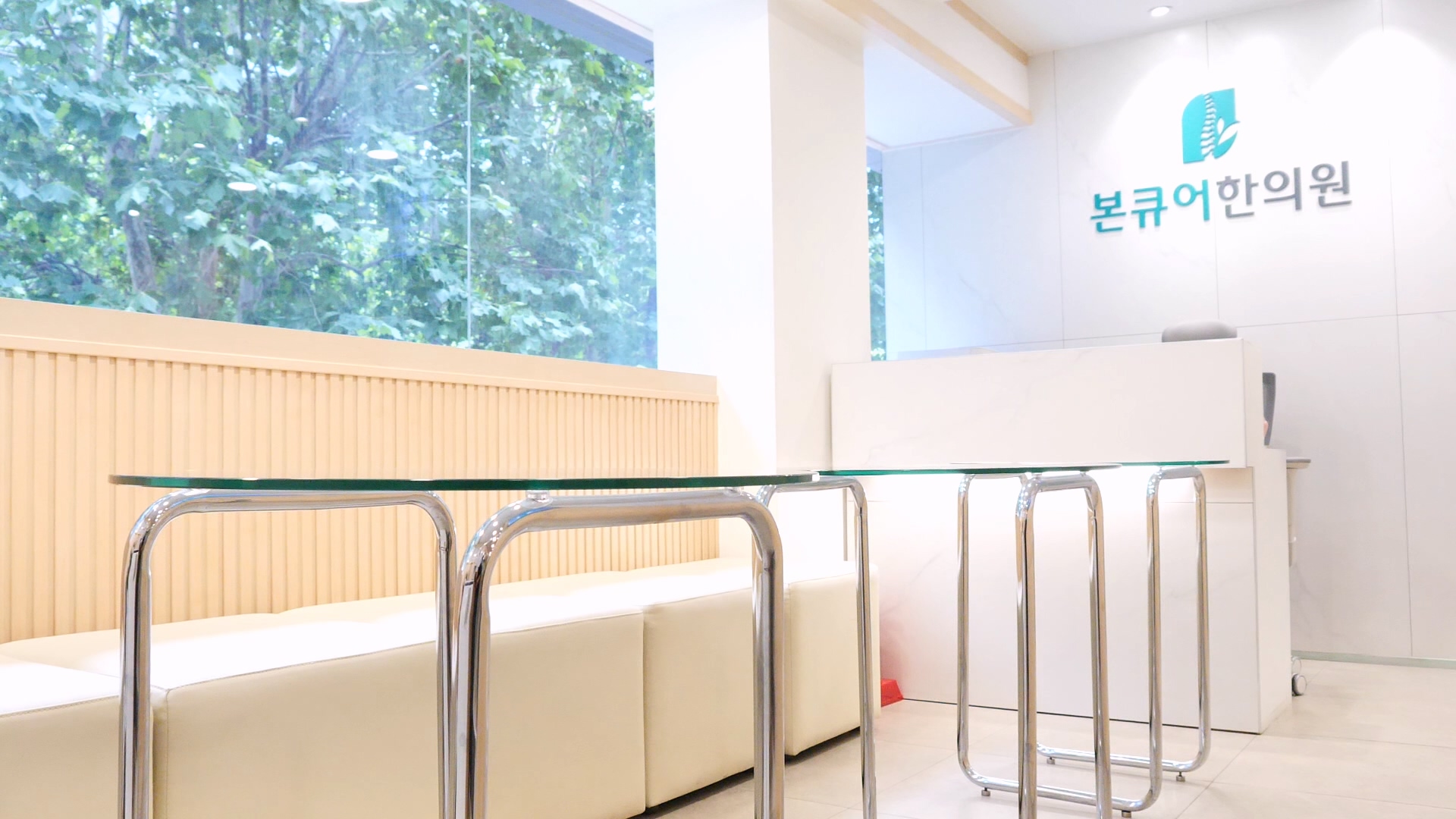
I have devoted my career to helping patients regain a healthy daily life by identifying the root causes of pain rather than simply treating surface symptoms. Post-viral chronic fatigue syndrome represents a complex state of systemic exhaustion that persists long after an initial infection, often leaving patients with profound lethargy. At Bonecure, we approach this condition through structural restoration. By combining traditional Korean medicine—including Chuna therapy and acupotomy—with modern diagnostic approaches, we aim to support improvements in the body's structural balance and nervous system function, though results may vary by individual.
Understanding Post-Viral Chronic Fatigue and the Role of Structural Acupuncture
Post-viral chronic fatigue syndrome is a condition characterized by extreme tiredness and a range of secondary symptoms like brain fog or muscle pain that do not improve with rest. This syndrome often follows a significant viral event and can disrupt the autonomic nervous system, leading to a state of perpetual physical stress. Structural acupuncture is a specialized clinical intervention that focuses on the physical alignment of the skeletal system and the release of myofascial adhesions to alleviate pressure on the central nervous system. Unlike symptomatic relief, this method seeks to normalize the structural environment of the nerves, thereby potentially improving the body’s metabolic and immunological resilience.
Defining Post-Viral Chronic Fatigue Syndrome
Post-viral chronic fatigue syndrome involves a persistent lack of energy that typically follows a viral infection. It is often diagnosed when fatigue lasts for six months or longer and is accompanied by cognitive difficulties, unrefreshing sleep, and physical pain. Many patients find that their energy levels do not return to baseline despite standard care, which suggests an underlying disruption in the body’s regulatory systems. In our clinical observations at Bonecure, we frequently see that such patients also exhibit significant tension in the cervical and thoracic spine, which can exacerbate autonomic dysfunction. While the exact viral trigger may be gone, the physiological imprint remains, manifesting as a lowered threshold for physical and mental exertion. Addressing this requires a comprehensive view of how the body maintains its equilibrium through both structural and metabolic pathways.
What is Structural Acupuncture?
Structural acupuncture is a precise medical technique that utilizes specialized needles, including acupotomy (blade-tipped needles), to release adhesions in the soft tissues surrounding the joints and spine. At Bonecure, this approach prioritizes the mechanical restoration of the musculoskeletal framework. We target specific points where muscles and ligaments have become shortened or fibrotic due to chronic stress or illness. By physically breaking down these micro-adhesions, we aim to reduce mechanical strain on the spinal nerves. This process helps re-establish a healthy range of motion and facilitates better circulation. It is an impactful practice that relies on a deep understanding of human biomechanics, ensuring that every needle insertion serves a corrective purpose with the goal of immediate functional change.
How Structural Alignment Impacts Systemic Energy Levels
Structural alignment is the cornerstone of efficient energy expenditure. A body in balance requires less muscular effort to maintain posture. When the spine is misaligned, the nervous system must constantly compensate, leading to chronic sympathetic dominance that drains energy. By utilizing structural acupuncture at Bonecure, we work to support the natural curves of the spine and the symmetry of the pelvis, aiming to shift the body back into a parasympathetic, restorative state. In many cases, addressing these physical stressors can help improve sleep quality and reduce the overall perception of fatigue, although individual outcomes depend on the patient's condition. When the 'bone smiles'—meaning the skeleton is correctly aligned—the internal organs and nerves may function with less resistance. This reduction in internal friction allows the body to redirect its limited resources toward healing and vitality rather than constant postural correction.
The Science Behind Spinal Health and Nervous System Recovery
Spinal health serves as the foundation for a well-functioning nervous system because the vertebral column houses and protects the spinal cord. When structural imbalances occur, such as a loss of the cervical curve or pelvic tilting, it can cause mechanical irritation of the nerves and restrict the flow of cerebrospinal fluid. This interference can contribute to systemic issues like fatigue, as the brain and body cannot communicate efficiently. At Bonecure, we prioritize the restoration of this structural integrity to ensure that the nervous system can operate without the constant burden of mechanical compression or inflammation.
How Spinal Imbalance Contributes to Persistent Exhaustion
Spinal imbalance creates a ripple effect of dysfunction that can manifest as profound, persistent exhaustion. When the head is positioned too far forward or the lower back is excessively arched, the supporting muscles remain in constant contraction to prevent injury. This 'isometric' work consumes vast amounts of cellular energy, leaving the individual feeling drained. Furthermore, misalignments in the upper cervical spine can impede venous drainage from the brain, potentially contributing to 'brain fog.' At Bonecure, we have observed that correcting these deviations through targeted acupotomy and Chuna therapy can lead to a noticeable decrease in the systemic load. By addressing physical obstacles to energy flow, we aim to help the patient's body move more fluidly and rest more deeply, which can be a supportive factor in managing long-term viral effects, though recovery timelines vary.
Scientific Insights from Clinical Observations
Evidence-based documentation in our clinical practice reveals a correlation between structural correction and the improvement of systemic health markers. In practice, we observe that even in cases involving long-term chronic neurological symptoms, focusing on structural alignment aims to support functional recovery by addressing the physical framework of the body. My clinical philosophy is built on providing immediate changes that the patient can perceive. Rather than following a rigid 10-session package, we focus on high-impact treatments that show immediate results in structural improvement and symptomatic relief. We utilize objective measures, such as Whole spine X-rays, to track physical changes in the skeletal structure. While individual results vary, the goal is to create a more favorable structural environment that allows the nervous system to regain its functional capacity naturally.
The Relationship Between Nerve Compression and Immune Function
There is an intricate relationship between the structural health of the spine and the efficiency of the immune system. The autonomic nervous system, which is directly influenced by the alignment of the vertebrae, plays a crucial role in modulating immune responses. When a patient suffers from nerve compression due to spinal adhesions, it can trigger a chronic inflammatory state that mimics persistent infection. Structural acupuncture at Bonecure aims to decompress these neural pathways, thereby potentially calming overactive immune signals that contribute to chronic fatigue. By ensuring that signals between the brain and immune organs are clear, we help the body exit its defensive posture and enter a state of recovery. This structural intervention is particularly important for post-viral patients whose immune systems may be stuck in a feedback loop of fatigue and inflammation.
Structural Acupuncture vs. Traditional Approaches for Fatigue
Structural acupuncture at Bonecure offers a direct, biomechanical intervention that targets the physical 'hardware' of the body. While various approaches to fatigue exist, our focus remains on identifying and addressing underlying mechanical stressors. A precision-based structural approach can be a valuable component of a comprehensive recovery plan for many patients.
| Feature | Structural Acupuncture (Bonecure) |
|---|---|
| Primary Focus | Anatomical alignment and tissue release |
| Technique | Acupotomy (Deep tissue/adhesion release) |
| Goal | Restore biomechanical integrity |
| Assessment | X-ray and structural palpation |
| Mechanism | Mechanical decompression of nerves |
A Comparison of Oriental Medicine for Chronic Pain Approaches
When exploring Oriental medicine for chronic pain, it is important to distinguish between general wellness treatments and targeted structural interventions. While standard acupuncture focuses on systemic balance, Bonecure’s structural acupuncture provides a biomechanical approach for severe post-viral symptoms by focusing on the skeletal frame. For example, while various forms of acupuncture can provide relief, our approach focuses on the underlying spinal curvature. We integrate traditional wisdom with mechanical precision to address the structural foundation, aiming to support long-term health and manage the risk of recurring neurological exhaustion.
Why Structural Precision is Essential for Post-Viral Recovery
Structural precision is essential because the nervous system is highly sensitive to even minor deviations in the spinal column. For a patient recovering from a viral infection, the body is already in a fragile state, making it even more susceptible to mechanical tension. At Bonecure, we believe that precise treatment can help provide the deep decompression that supports the revitalization of a suppressed nervous system. Precision allows us to target the exact ligament or muscle group causing nerve interference. By focusing on the 'root cause'—which is often a physical adhesion at a specific vertebral level—we can trigger a more robust healing response. This level of accuracy is vital for restoring the complex functions of the autonomic nervous system, which regulates heart rate and energy metabolism. Without addressing these specific structural bottlenecks, the path to recovery can remain unnecessarily long.
Bonecure Methodology: Addressing the Root Cause Through Alignment
At Bonecure, our methodology is built on the philosophy that true health begins with structural integrity. We do not simply look at where the fatigue is felt; we trace the dysfunction back to its origin in the skeletal system. This involves a comprehensive evaluation of the entire spine to identify areas of restricted movement. Once these are found, we apply structural acupuncture to release the tension that binds the joints in an unhealthy position. This process is often complemented by Chuna therapy to gently encourage the bones to return to their optimal alignment. By addressing structural root causes, we aim to provide a sustainable path to recovery and long-term vitality. Our goal is to ensure that the patient's body can once again support itself naturally, leading to a lasting restoration of vitality and a significant reduction in post-viral exhaustion symptoms.
Clinical Care at Bonecure: Navigating the Path to Vitality
Navigating the path to vitality requires a structured and personalized clinical approach. At Bonecure, our care protocols are designed to be comprehensive and adaptive, ensuring that we support the body through every stage of recovery. From initial assessment to maintenance, our team provides high-quality care that prioritizes long-term outcomes. We combine innovative techniques with a compassionate understanding of the challenges faced by those living with chronic fatigue, creating a healing environment that fosters physical well-being.
Integrating Chuna Therapy and Structural Realignment
The science behind rapid functional relief after Chuna therapy is a vital part of our integrated care model. While structural acupuncture releases deep soft tissue restrictions, Chuna therapy provides the manual manipulation necessary to guide the vertebrae back into position. This combination is effective for post-viral patients because it addresses both 'soft' and 'hard' components of dysfunction. During a Chuna session, we use specialized techniques to improve joint mobility and reduce strain on the nervous system. This manual realignment helps to consolidate the gains made during acupotomy. Patients often report an immediate sense of lightness or improved breathing, though lasting change requires consistent care. By integrating these modalities, we offer a holistic solution targeting the physical barriers to health.
Personalized Treatment Protocols at Our Acupuncture Clinic in Seoul
Every patient who visits our acupuncture clinic in Seoul receives a customized treatment plan tailored to their specific structural needs. We recognize that post-viral chronic fatigue manifests differently in everyone. During the initial consultation, we perform a detailed analysis of posture, gait, and spinal health, often using Whole spine X-rays to pinpoint misalignments. Based on these findings, we develop a protocol that may include structural acupuncture sessions, Chuna adjustments, and lifestyle recommendations. For some, the focus might be on the upper cervical region to alleviate brain fog, while for others, the emphasis is on the lumbar-pelvic region. This personalized attention ensures that each patient receives the most effective care for their specific condition, maximizing the potential for recovery.
What to Expect During Your Recovery Journey
When you begin your recovery journey at Bonecure, you can expect a focus on immediate, perceivable results. I do not believe in "prescribing" a set 10-session package before you feel better; instead, we aim for immediate changes in your structural comfort and energy levels after each treatment. In the early stages, the focus is on breaking down chronic adhesions and beginning spinal realignment. Some patients may experience temporary localized soreness, which is a normal therapeutic response. As the sessions progress, most individuals notice a steady improvement in baseline energy and a reduction in neurological symptoms. We monitor your progress closely and adjust the treatment plan as needed. By remaining committed to the protocol, you can move toward a state of renewed vitality and a more resilient, balanced body.
Safety Protocols and Realistic Expectations for CFS Patients
At Bonecure, patient safety and realistic expectations are the foundations of our practice. While structural acupuncture is a powerful tool, it must be administered with care. We are committed to transparency, ensuring that every patient understands what the treatment involves and what results they can reasonably anticipate. By maintaining high safety standards and fostering honest communication, we build a relationship of trust essential for managing complex conditions like chronic fatigue syndrome.
Understanding Potential Side Effects and Clinical Risks
Structural acupuncture involves certain potential side effects that patients should be aware of. Common side effects include temporary localized soreness, minor bruising, or a feeling of fatigue immediately following a session. These symptoms are generally mild and resolve within a few days. Although rare, there is a risk of minor infection or localized inflammation if post-care instructions are ignored. At Bonecure, we use sterilized, single-use needles and follow strict hygiene protocols. It is important to note that reaching deep-seated adhesions requires specific pressure, which can cause discomfort. We encourage patients to communicate any discomfort during treatment so we can adjust our technique to their sensitivity levels while maintaining efficacy.
Why Results May Vary and Individual Factors to Consider
It is vital to recognize that the results of structural acupuncture may vary. The duration and severity of post-viral fatigue, the patient’s age, and existing spinal health all play a role in the response to treatment. For instance, a patient with a recent onset of fatigue may see improvements faster than someone with decades-old structural issues. Additionally, lifestyle factors such as diet and daily posture can either support or hinder the realignment process. At Bonecure, we do not guarantee a 100% cure, as chronic conditions are influenced by many complex variables. However, we have observed that many patients achieve a meaningful reduction in symptoms and improved quality of life. Setting realistic goals helps maintain the patience necessary for a successful long-term recovery journey.
Long-term Management and Sustainable Wellness
Sustainable wellness is our ultimate goal, requiring a commitment to long-term management even after fatigue has improved. Once the spine is aligned and the nervous system is functioning optimally, it is important to adopt habits that prevent the recurrence of structural adhesions. This may include regular stretching, ergonomic adjustments, and periodic 'tune-up' sessions to maintain spinal integrity. We provide personalized guidance on how to support your recovery at home. By taking a proactive approach to structural health, patients can enjoy a more vibrant life, free from the burden of post-viral exhaustion. Our team at Bonecure remains a dedicated partner in your ongoing wellness, providing the expertise needed to keep your 'bones smiling.'
Frequently Asked Questions
Q. What exactly is structural acupuncture and how does it differ from general acupuncture?
Structural acupuncture at Bonecure focuses on the physical alignment of the spine and joints to relieve nerve pressure through deep tissue release (acupotomy), whereas general acupuncture often focuses on energy flow or localized pain relief. We use anatomical landmarks and diagnostic imaging to target specific structural deviations for a more corrective intervention. This approach is suited for those whose fatigue is linked to chronic physical tension.
Q. Can structural acupuncture help with the brain fog associated with post-viral CFS?
By improving cervical alignment and blood flow, structural acupuncture aims to reduce neurological strain, though results vary for every individual. When the upper neck is correctly aligned, it can improve venous drainage and reduce physical pressure on the brainstem. Many patients report a clearer mind and improved focus after targeted structural treatments.
Q. Are there any side effects or risks I should be aware of?
Patients may experience temporary soreness, localized bruising, or mild fatigue immediately after treatment. Rare risks include minor infection at the insertion site. This treatment involves deep tissue work (acupotomy) which can be slightly uncomfortable, but we always prioritize patient safety and adjust intensity to your tolerance.
Q. How many sessions are typically required to see an improvement in fatigue levels?
At Bonecure, I focus on immediate changes that the patient can feel rather than requiring a set number of sessions to see a difference. While chronic conditions may require a series of treatments for long-term stability, we track progress through physical exams and imaging to ensure the treatment plan is effective from the very first session. The total duration depends on your individual structural status.
Q. Is structural acupuncture painful for those with high sensitivity?
We use specialized techniques to minimize discomfort. However, because we are targeting deep-seated adhesions and structural issues, some pressure or a dull aching sensation is normal. We encourage open communication so that we can adjust the treatment intensity to match your personal tolerance levels while still achieving the necessary structural release.
Q. Can I receive this treatment while taking Western medications for my symptoms?
Yes, structural acupuncture can be used as a complementary therapy alongside Western medicine. It addresses the physical and structural components of fatigue, which often works well in conjunction with metabolic treatments. We recommend consulting with your primary physician to coordinate your comprehensive care plan.
Q. Why does Bonecure focus so heavily on the spine for chronic fatigue?
The spine houses the central nervous system, which controls nearly every function. We believe that when the 'bone smiles'—properly aligned—the body’s innate ability to recover from viral fatigue is significantly enhanced. By removing mechanical interference from the nerves, we allow the body's natural energy regulation systems to function at their highest potential.
Key Takeaways
- Structural Focus: Post-viral fatigue is often linked to spinal misalignments and tissue adhesions; structural acupuncture aims to correct these root causes.
- Immediate Change: We prioritize treatments that provide immediate, perceivable functional improvements rather than relying on arbitrary session counts.
- Nervous System Recovery: Aligning the spine reduces mechanical stress on the nerves, potentially restoring autonomic balance and systemic energy.
- Integrated Care: Combining acupotomy with Chuna therapy provides a comprehensive approach to both soft tissue and skeletal restoration.
- Objective Tracking: Bonecure utilizes diagnostic tools like X-rays to track structural changes, ensuring that treatment is grounded in objective data.
Dr. Song Jeong-hyeon: Precision Acupotomy and Impactful Structural Recovery at Bonecure
Bonecure / Dr. Song Jeong-hyeon
FAQ
- What exactly is structural acupuncture and how does it differ from general acupuncture?
- Structural acupuncture at Bonecure focuses on the physical alignment of the spine and joints to relieve nerve pressure, whereas general acupuncture often focuses on energy flow or localized pain relief. We use anatomical landmarks and diagnostic imaging to target specific structural deviations, ensuring a more mechanical and corrective intervention. This approach is particularly suited for those whose fatigue is linked to chronic physical tension or spinal misalignment.
- Can structural acupuncture help with the brain fog associated with post-viral CFS?
- By improving cervical alignment and blood flow to the head, structural acupuncture aims to reduce neurological strain, though results vary for every individual. When the upper neck is correctly aligned, it can improve venous drainage and reduce the physical pressure on the brainstem and cranial nerves. Many patients report a clearer mind and improved focus after a series of targeted structural treatments.
- Are there any side effects or risks I should be aware of?
- Patients may experience temporary soreness, localized bruising, or mild fatigue immediately after treatment. Rare risks include minor infection at the insertion site if post-care instructions are not followed. It is important to remember that this treatment involves deep tissue work, which can be slightly uncomfortable, but we always prioritize patient safety and comfort during the procedure.
- How many sessions are typically required to see an improvement in fatigue levels?
- Chronic conditions usually require a series of treatments to achieve stable results. While some experience immediate relief after just one or two sessions, a typical course at Bonecure may involve 10 to 20 sessions depending on the severity of the structural imbalance. We track progress through physical exams and imaging to ensure the treatment plan is effective for your specific case.
- Is structural acupuncture painful for those with high sensitivity?
- We use specialized techniques to minimize discomfort for our patients. However, because we are targeting deep-seated adhesions and structural issues, some pressure or a dull aching sensation is normal during the procedure. We encourage open communication so that we can adjust the intensity of the treatment to match your personal tolerance levels while still achieving the necessary structural release.
- Can I receive this treatment while taking Western medications for my symptoms?
- Yes, structural acupuncture can be used as a complementary therapy alongside Western medicine. It addresses the physical and structural components of fatigue, which often works well in conjunction with metabolic or pharmacological treatments. We recommend consulting with your primary physician to coordinate your comprehensive care plan for the best possible health outcomes.
- Why does Bonecure focus so heavily on the spine for a condition like chronic fatigue?
- The spine houses the central nervous system, which controls nearly every function in the body. We believe that when the 'bone smiles'—meaning it is properly aligned—the body’s innate ability to recover from viral fatigue is significantly enhanced. By removing mechanical interference from the nerves, we allow the body's natural energy regulation and immune systems to function at their highest potential.