
Post
Cheongdam-dong Acupuncture Clinic: A 2026 Professional Guide to Structural Recovery at BonCure
Hello. I am Song Jeong-hyeon, a Korean medicine doctor who has long specialized in acupotomy and structural restoration. At BonCure Korean Medicine Clinic, our mission is captured in our slogan: 'When your bones smile, life smiles.'
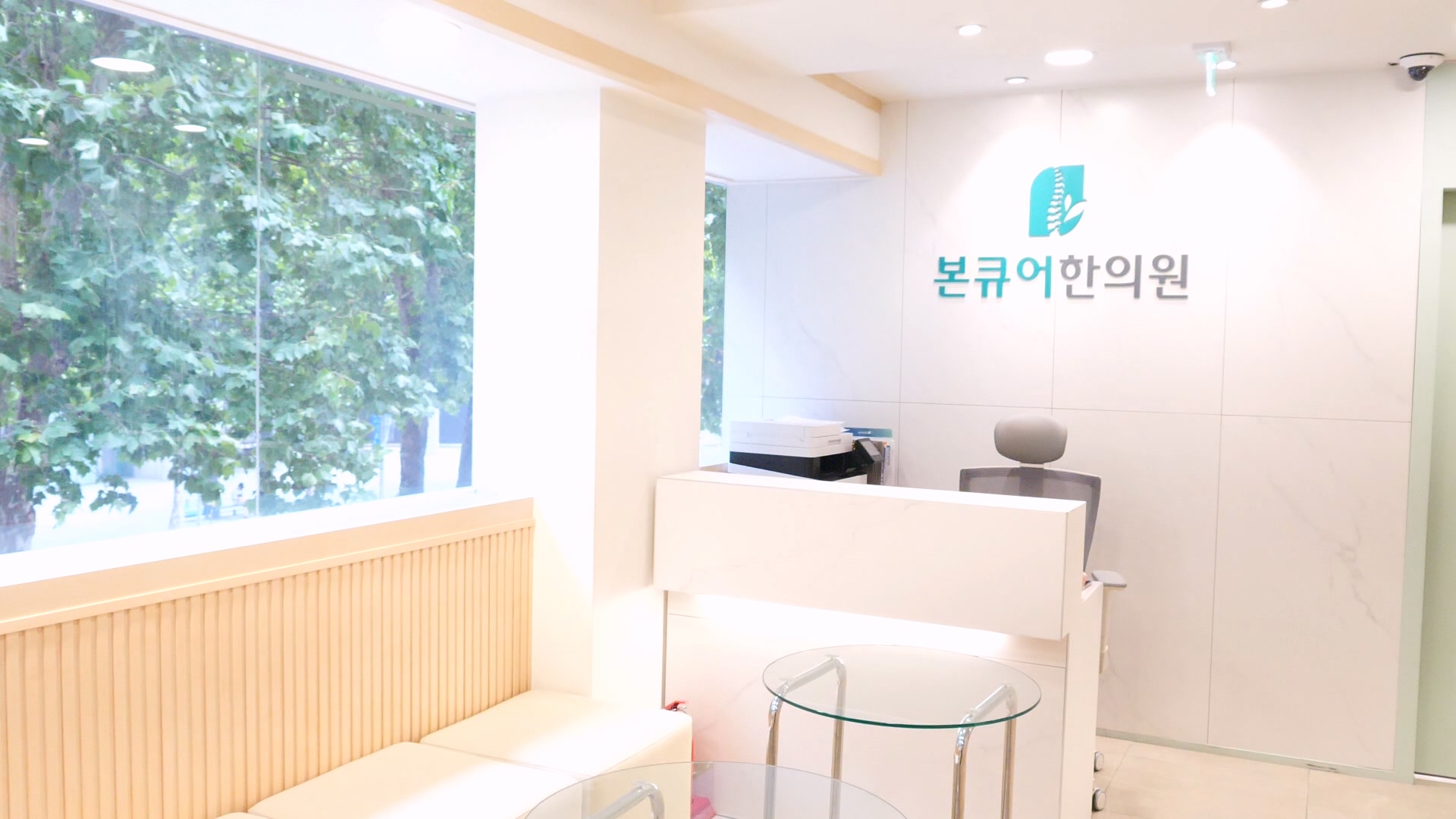
We focus on the fundamental principle that when your skeletal structure is properly aligned, your body can finally find its natural balance and vitality.
Understanding Korean Traditional Medicine at a Cheongdam-dong Acupuncture Clinic
Korean Traditional Medicine is a comprehensive healthcare system that emphasizes the balance of internal energy and physical structure to facilitate the body's self-healing mechanisms. In 2026, this discipline has evolved to incorporate advanced diagnostic tools while maintaining the core philosophy of treating the root causes of pain rather than simply relieving symptoms.
The Role of a Korean Medicine Doctor in Gangnam
A Korean medicine doctor in the prestigious Gangnam district serves as a vital bridge between ancient healing wisdom and modern diagnostic precision. At BonCure, the diagnostic process involves assessing the whole spine's alignment to understand how structure impacts function. Unlike factory-style clinics, we focus on a personalized approach. Our system is designed for high efficiency and impact; we provide intensive, concentrated treatments typically lasting 10 to 20 minutes per session to ensure every minute is dedicated to resolving structural adhesions. A practitioner in this specialized field must balance structural analysis with manual techniques like Chuna therapy and acupotomy to create an effective recovery path. Research indicates that many patients seeking care in Gangnam prioritize specialized treatments for chronic conditions. By integrating evidence-based protocols, we ensure that every patient receives a focused approach for stability.
Defining Traditional Korean Medicine Treatment Standards
Traditional Korean Medicine treatment standards are defined by a holistic framework that addresses the body as an interconnected system. In 2026, these standards emphasize the use of high-quality herbal medicine, sterilized acupuncture needles, and precise diagnostic methods. At BonCure, we do not believe in standard '10-session packages.' Instead, our goal is to provide immediate, perceptible improvement from the very first treatment. We adhere to rigorous hygiene standards to ensure patient safety throughout the recovery journey. The core principle involves restoring balance to the autonomic nervous system while resolving physical adhesions in the soft tissues. Clinical surveys in 2026 show that standardized Korean medicine protocols have high levels of patient satisfaction for musculoskeletal discomfort. These standards also include strict protocols for the documentation of patient progress through objective scales, allowing for a transparent and reliable healthcare experience.
Why Global Patients Seek Acupuncture Clinic Seoul Services
Global patients seeking acupuncture clinic Seoul services often do so to access advanced techniques like acupotomy (Dochim) that are specialized in resolving chronic adhesions. Recent trends show a steady increase in international visitors seeking traditional Korean medicine for chronic pain management and autonomic nervous system disorders. These patients are attracted to the integration of structural correction and traditional needle therapy, which offers a unique path to wellness. Clinics in areas like Cheongdam-dong provide high-level services that cater to international standards, including scientific documentation of results. Many patients report that the combination of herbal therapy and targeted structural adjustment can be a supportive approach for recovery. Furthermore, the efficiency of the Korean healthcare system allows for intensive treatment schedules. By focusing on both the structural alignment and the internal metabolic health, Seoul-based clinics offer a comprehensive solution for a global audience seeking evidence-based care.
Specialized Acupuncture for Back Pain and Chronic Conditions
Specialized acupuncture for back pain refers to targeted needle interventions designed to release muscle tension and correct structural misalignments. This approach is particularly effective for chronic conditions where traditional methods have provided only temporary relief, as it addresses the underlying tissue adhesions that restrict movement.
Acupotomy Techniques for Adhesion Release
Acupotomy is a specialized technique that uses a flat-headed needle to perform micro-release on thickened or adhered soft tissues. At BonCure, we utilize this method to release chronic adhesions around the spine and joints. By physically breaking down these restrictive tissues, we allow for improved circulation and restored range of motion. For instance, in cases of chronic neck stiffness or 'burning back' (Baeyeol-jeung), we focus on the upper cervical area and suboccipital muscles to reduce nerve compression. This procedure requires a high degree of precision to ensure that only the problematic tissue is addressed. While the sensation can be more intense than standard acupuncture, the results are often immediate. It is a cornerstone of structural recovery for those who have struggled with persistent musculoskeletal limitations for many years.
Oriental Medicine for Chronic Pain Management
Oriental medicine for chronic pain management integrates various modalities to address both the physical sensation of pain and the psychological stress of long-term illness. This strategy involves acupotomy, Chuna, and herbal prescriptions to optimize the body's internal environment. For many patients, chronic pain—especially in the shoulder blades or mid-back—is a manifestation of autonomic imbalance or nerve entrapment in the thoracic spine. By addressing the autonomic nervous system through specific structural correction, we help reduce the body's overall pain sensitivity. This comprehensive method ensures that the patient is supported on multiple levels, facilitating a more sustainable recovery process compared to symptom-focused interventions alone. Our treatment is designed to be impactful and efficient, focusing on the specific points where nerve entrapment occurs.
Traditional Medicine Clinical Notes on Cervical and Lumbar Health
Traditional medicine clinical notes emphasize the importance of spinal curvature in maintaining nervous system function. When the cervical or lumbar spine loses its natural alignment, it can lead to a cascade of issues including headaches, numbness, and digestive dysfunction. At BonCure, we record detailed structural observations to track how alignment changes correlate with symptom relief. In 2026, the use of objective imaging alongside traditional palpation has become the standard for documenting these changes. For instance, correcting forward head posture can alleviate pressure on the vagus nerve, improving autonomic stability. Patients often find that Acupuncture for Back Pain: Structural Alignment and Root Cause Recovery is essential for health. Maintaining healthy spinal curves is a fundamental goal for preventing the recurrence of chronic pain conditions.
Comprehensive Wellness through Moxibustion and Cupping Therapy in Seoul
Comprehensive wellness in a clinical setting is defined by the integration of thermal therapies and vacuum-assisted circulation techniques. These methods work in tandem with acupuncture to enhance metabolic waste removal and stimulate the immune system, providing physiological restoration.
Thermal Benefits of Moxibustion Therapy Seoul Programs
Moxibustion therapy Seoul programs utilize the application of heat to stimulate specific points and improve blood flow. This intervention is beneficial for conditions characterized by poor circulation or chronic fatigue. Modern moxibustion equipment allows for precise temperature control, ensuring patient comfort while maximizing the effect. The heat promotes the dilation of blood vessels and accelerates the healing process. Many patients undergoing moxibustion report an improvement in their sense of warmth and energy levels. This therapy is often used to support digestive health and regulate the autonomic nervous system. It is a gentle yet powerful tool for those seeking to restore internal balance and boost resilience against environmental stressors.
Circulatory Support via Cupping Therapy Korean Clinic Methods
Cupping therapy Korean clinic methods involve creating a vacuum on the skin's surface to pull stagnant blood and metabolic waste toward the exterior. This process facilitates the delivery of fresh, oxygenated blood to tight muscle groups and fascia. In 2026, cupping is widely recognized for its ability to reduce muscle soreness and improve lymphatic drainage. Many office workers seek this treatment to alleviate tension caused by static postures. While the therapy can leave temporary marks, these typically fade within a few days. The vacuum effect also helps to stretch connective tissue, providing myofascial release. Combining cupping with acupuncture can enhance the overall effectiveness of pain relief. It remains a popular choice for those seeking immediate physical relief from chronic tension.
Holistic Approaches for Women's Health and Vitality
Holistic approaches for women's health in Korean medicine focus on regulating the body's internal rhythm and supporting hormonal balance. This involves specialized acupuncture, moxibustion, and personalized herbal medicine. In 2026, many women turn to these methods to address issues such as menstrual irregularities or menopausal symptoms by improving pelvic circulation and reducing systemic inflammation. By addressing the root causes of imbalance, such as stress and poor circulation, these methods provide a sustainable path to vitality. Practitioners also emphasize lifestyle factors to complement the clinical treatments, ensuring a well-rounded approach. This focus on wellness allows women to navigate various stages of life with greater physical comfort.
Choosing Your Treatment Path: Traditional vs. Structural Acupuncture
Choosing a treatment path requires an understanding of how different techniques address health concerns, from general wellness to deep structural correction.
| Feature | Standard Acupuncture | Modern Acupotomy | Structural Correction |
|---|---|---|---|
| Primary Tool | Thin filiform needles | Flat-headed micro-blade | Manual & Chuna techniques |
| Main Goal | Energy flow & pain relief | Adhesion release | Bone & joint alignment |
| Intensity | Low | Moderate to High | Moderate |
| Recovery Time | Immediate | 1-2 days (soreness) | Immediate |
| Clinical Focus | Symptom relief | Root cause (adhesion) | Structural symmetry |
Structural Alignment and the BonCure Philosophy
The BonCure philosophy focuses on the belief that the skeletal system is the framework for all bodily functions. When the spine and joints are misaligned, they create tension in the nervous system. Our approach integrates the precision of acupotomy with the principles of structural alignment. In 2026, we emphasize that true healing comes from correcting these structural foundations. By focusing on the 'smile of the bones,' we aim to improve the overall quality of life. This philosophy is supported by clinical observations where structural restoration leads to improvements in areas such as digestion and sleep quality. We believe a balanced body is a resilient body. Our goal is to empower patients with a stable structure. For those interested, an Expert Korean Medicine Doctor Consultation: A 2026 Guide to Integrative Healing can provide deeper insights.
What to Expect During Your Visit to BonCure
A visit to BonCure starts with a concentrated consultation and an analysis of your posture. We identify areas of tension and structural imbalance contributing to your symptoms. Following the assessment, I will implement a treatment plan involving acupotomy and structural correction. Patients should expect the treatment to be efficient and impactful, typically taking 10 to 20 minutes of focused clinical time. We prioritize immediate results and do not require patients to commit to long-term packages upfront; instead, we aim for perceptible change in every session. It is normal to feel some localized tenderness after treatment, as the body adapts to the new alignment. We encourage all patients to share their health goals. This approach ensures the treatment is tailored to your individual condition.
Patient Safety and Evidence Based Practice in Cheongdam
Patient safety in a modern clinic is defined by strict adherence to sterilization, evidence-based guidelines, and transparent reporting of outcomes. These practices ensure every treatment is conducted in a secure environment where therapeutic results are documented through objective measures.
Clinical Evidence and Case Study Reporting Standards
Clinical evidence in 2026 is the bedrock of professional Korean medicine. At BonCure, we maintain rigorous standards for reporting, ensuring all patient data is anonymized. We focus on case reports for various chronic conditions, documenting specific structural adjustments and subsequent changes in health markers. For example, our research includes studies on spinal curvature, tinnitus, and autonomic disorders. While these individual cases show significant results, it is important to remember that they represent specific instances and do not guarantee the same outcome for every patient. By sharing these findings, we contribute to a growing body of knowledge. This evidence-based approach allows us to provide treatments that are scientifically validated for chronic pain management.
Understanding Potential Risks and Individual Variations
Understanding potential risks is essential for any medical procedure. While generally safe when performed by a licensed professional, some patients may experience temporary side effects such as localized soreness, minor bruising from cupping, or small amounts of bleeding at the needle site. In rare cases, more significant risks like infection can occur, which is why we use only single-use, sterile needles. It is also important to recognize that individual variations play a role in response to treatment. Factors such as age and the chronicity of the condition can influence the speed of recovery. Some patients feel immediate relief, while others with long-standing issues may require a short period of adaptation. We provide a disclosure that results vary by individual, ensuring patients have realistic expectations and can participate in their healing process with full knowledge.
Maintaining a Modern and Scientific Clinical Environment
The BonCure clinical environment is designed to reflect the integration of traditional healing and modern science. We maintain the highest levels of hygiene to ensure patient comfort. In 2026, a scientific setting also includes the use of digital records to monitor progress precisely. This allows us to correlate structural changes with improvements in functional scales, such as the Beck Anxiety or Depression Inventories. Our team is committed to continuous education, staying updated on the latest research. This dedication ensures that we provide the most up-to-date treatments for our patient population. By fostering a scientific environment, we uphold the reputation of Cheongdam-dong as a center for high-quality medical care.
Frequently Asked Questions
Q. What makes BonCure in Cheongdam-dong different from other clinics?
We specialize in high-precision acupotomy and structural alignment with an emphasis on immediate results. Our approach is highly efficient, avoiding long consultation times or unnecessary package deals, focusing instead on identifying and treating the root cause of pain within 10-20 minutes of concentrated clinical time.
Q. Is acupuncture for back pain effective for long-term relief?
Acupuncture, particularly acupotomy, is highly effective when it addresses root structural causes like adhesions. While many patients report significant improvement from the first session, results vary based on individual conditions. We focus on perceptible changes rather than long-term session commitments.
Q. What exactly is moxibustion therapy and is it available in Seoul?
Moxibustion involves applying therapeutic heat through dried mugwort to specific points. It is a staple at BonCure in Seoul, used to improve circulation and support the immune system. We use modern, comfortable tools to ensure a pleasant patient experience.
Q. Are there any side effects to treatments at BonCure?
Some patients may experience temporary soreness or minor bruising, particularly after acupotomy or cupping. These effects are usually mild and resolve quickly. We maintain strict sterilization and use single-use needles to minimize any risk of infection.
Q. How many sessions are typically required for structural alignment?
Unlike other clinics that suggest 10 to 20 sessions, we aim for immediate functional improvement. While the number of sessions depends on the severity of the condition, we focus on providing impactful treatment that the patient can feel from the very first visit.
Key Takeaways
- Immediate Results: We prioritize immediate, perceptible improvement and do not use fixed multi-session packages.
- Efficiency: Treatments are highly concentrated and impactful, typically taking 10 to 20 minutes of focused clinical time.
- Structural Focus: Lasting recovery from chronic pain requires correcting the underlying alignment and releasing tissue adhesions.
- Expert Acupotomy: Specialized micro-release techniques are used to resolve chronic stiffness and nerve compression.
- Evidence-Based Care: We utilize objective diagnostic tools and anonymized case reports to ensure therapeutic safety and precision.
BonCure Korean Medicine Clinic / Director Song Jeong-hyeon
FAQ
- What makes an acupuncture clinic in Cheongdam-dong different from others?
- Clinics in this area, such as Bonecure, often specialize in high-precision treatments like acupotomy and structural alignment. They combine traditional wisdom with modern diagnostic insights to cater to both international and local patients who demand a high standard of care.
- Is acupuncture for back pain effective for long-term relief?
- Acupuncture is widely used for back pain management and is particularly effective when it addresses the root structural causes. While many patients report improvements in mobility and pain reduction, results vary based on individual conditions. Chronic cases usually require multiple sessions for sustained relief.
- What exactly is moxibustion therapy and is it available in Seoul?
- Moxibustion involves burning dried mugwort near specific points to provide therapeutic heat to the body. It is a staple of Korean traditional medicine clinics in Seoul, used to improve circulation and support the immune system. Modern clinics use smoke-free or temperature-controlled tools for comfort.
- Are there any side effects to traditional Korean medicine treatments?
- While generally considered safe, some patients may experience temporary soreness, minor bruising from cupping, or localized tenderness after acupotomy. These effects are usually mild and resolve within a few days. We maintain strict sterilization protocols to minimize any risk of infection.
- Can I receive treatment for chronic pain at Bonecure if I am a visitor?
- Yes, we welcome international patients and offer consultations that explain our structural correction and acupotomy methods clearly. We focus on providing a comfortable environment for travelers to receive intensive care during their stay in Seoul.
- How does cupping therapy help with muscle tension?
- Cupping therapy creates a vacuum on the skin to promote blood flow and relax tight fascia. This is often used in conjunction with acupuncture to accelerate recovery from physical fatigue or sports-related tension. It helps remove metabolic waste from the muscles effectively.
- How many sessions are typically required for structural alignment?
- The frequency depends on the severity of the misalignment and how long the condition has persisted. While some patients feel immediate changes in movement, a series of 10 to 20 sessions is often recommended to achieve a stable and lasting structural correction.