
Post
A 2026 Clinical Guide to Korean Medical Care for International Patients: The Bonecure Approach
Hello. I am Song Jung-hyun, a Korean medicine doctor who has focused on acupotomy for a long time. At Bonecure Korean Medicine Clinic, we bridge the gap between traditional wisdom and modern structural analysis to provide international patients with effective, science-backed solutions for chronic pain and neurological conditions.
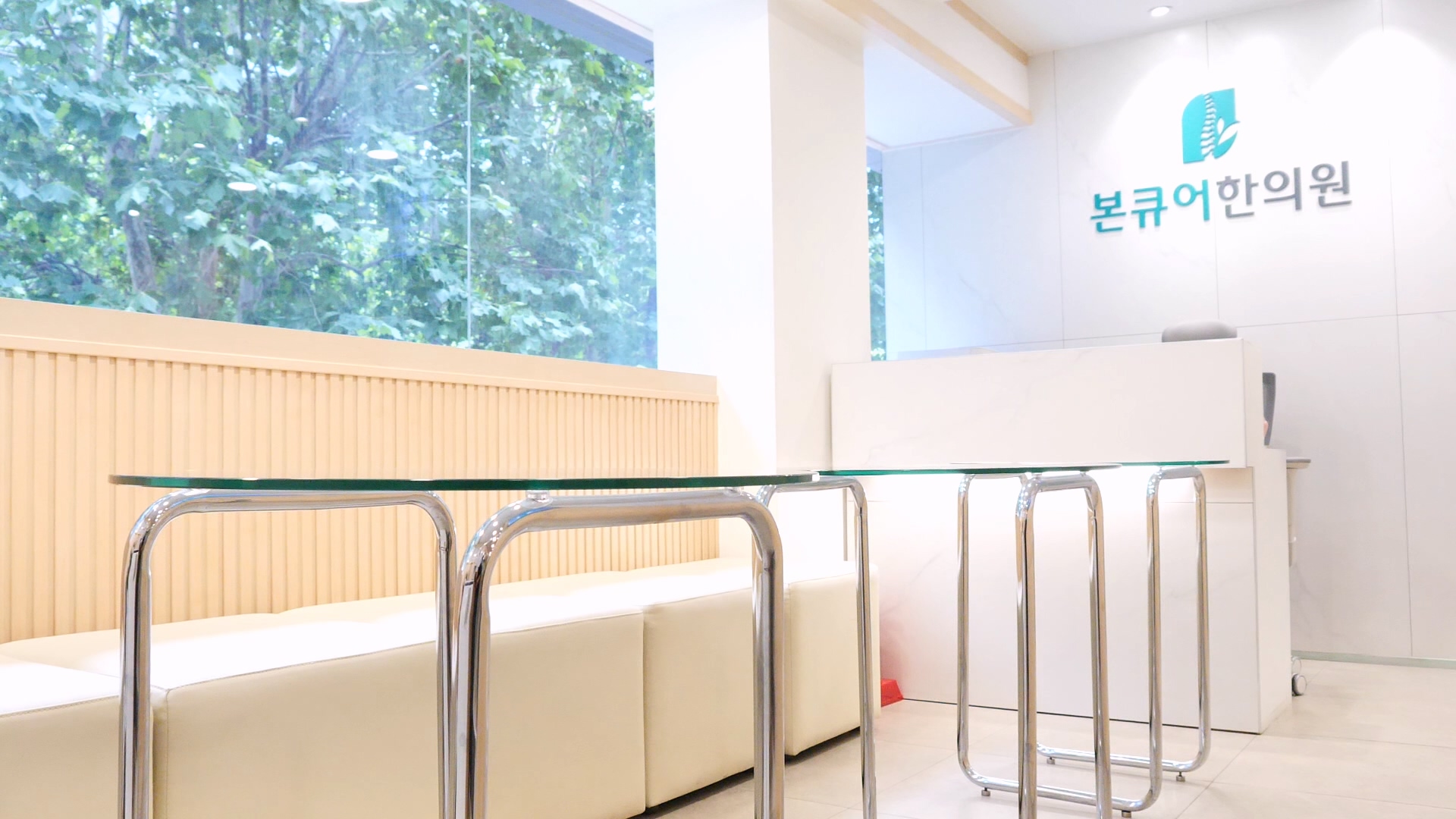
This guide explores our unique approach to restoring your body's natural alignment and vitality through specialized care tailored for the global community.
Comprehensive Care: Korean Medical Clinic for International Patients
Global standards in traditional Korean medicine refer to the integration of ancient therapeutic techniques with modern evidence-based diagnostics to serve a diverse, international population effectively. This approach ensures that patients from various cultural backgrounds receive care that is both familiar in its clinical rigor and innovative in its application of holistic principles.
Defining Global Standards in Traditional Korean Medicine
To meet international expectations, modern Korean medicine must transcend local practices and adopt a framework centered on transparency and measurable outcomes. At Bonecure, we coordinate advanced diagnostic tools, such as Whole Spine X-ray analysis via our affiliated medical centers, to provide a quantitative baseline for structural health. In many clinical settings, traditional methods are often viewed through a purely subjective lens, but our focus remains on objective data. For instance, in our documented clinical cases involving spinal curvature abnormalities, we track specific angular improvements to validate the efficacy of our interventions. By adhering to these rigorous standards, we ensure that international patients feel confident in the safety and predictability of their treatment plans. This commitment to excellence has allowed us to manage complex conditions such as idiopathic scoliosis and autonomic dysfunction with a level of precision that aligns with global orthopedic and neurological care protocols, while still maintaining the fundamental balance-oriented philosophy of East Asian medicine.
Bonecure: A Modern Approach to Structural Recovery
Bonecure represents a paradigm shift in how musculoskeletal and neurological disorders are treated within the framework of Korean medicine. Our facility is designed to provide a contemporary clinical environment where patients can undergo miniscalpel acupuncture and structural realignment in a streamlined, professional setting. We prioritize the 'structural recovery' of the body, which involves restoring the natural alignment of the spine and joints to relieve pressure on the nervous system. Our clinic often handles cases that have been resistant to conventional physiotherapy, such as chronic tinnitus persisting for over 18 years. In such specific instances, a multidisciplinary approach focusing on the cervical spine and soft tissue release has led to significant symptomatic relief. By focusing on the root structural cause rather than just the superficial symptoms, we provide a sustainable path toward healing. Every patient receives a personalized strategy based on their unique biomechanical profile, ensuring that the recovery process is as efficient as it is thorough.
Why International Residents and Travelers Choose Specialized Care
International residents and travelers often seek specialized care at Bonecure because they require rapid, effective results that fit within their busy schedules or limited travel windows. Many of our patients arrive with acute pain or long-standing conditions like post-concussion syndrome that require immediate and intensive intervention. For example, some international patients visiting for a short duration have reported noticeable improvements in mobility after just 1 to 3 sessions of focused acupotomy. We understand that navigating a foreign healthcare system can be daunting, which is why we emphasize clear communication and structured treatment timelines. Our ability to provide same-day diagnostics and immediate treatment starts is a significant advantage for those who cannot afford the long wait times often found in traditional hospital settings. Furthermore, our focus on non-surgical structural restoration offers a valuable alternative for those looking to avoid invasive procedures while still achieving significant functional improvements during their stay in Korea, facilitating a faster return to daily activities.
Core Treatment Modalities: Bonecure Miniscalpel Acupuncture
Miniscalpel acupuncture, or acupotomy, is a specialized micro-surgical technique used to release soft tissue adhesions and stimulate the body's natural regenerative processes through targeted mechanical stimulation. This procedure utilizes a uniquely designed tool that combines the properties of a traditional acupuncture needle with a small scalpel-like tip to treat chronic lesions.
The Science of Adhesion Release and Tissue Regeneration
Chronic pain is often the result of internal scarring or adhesions where muscle, fascia, and nerves become abnormally stuck together, limiting movement and causing persistent discomfort. The miniscalpel acupuncture used at Bonecure is specifically designed to address these 'knots' by mechanically releasing the tension within the affected tissues. This process not only restores mobility but also triggers a localized healing response, increasing blood flow to areas that were previously ischemic. According to clinical observations in case reports involving intractable pain, the release of these adhesions can significantly lower pain markers. For example, in a study involving 8 clinical cases of sudden sensorineural hearing loss, the application of structural correction and soft tissue release contributed to a measurable recovery in hearing thresholds over 20 sessions. This regenerative effect is crucial for long-term health, as it allows the body to repair itself naturally without the ongoing need for pharmacological intervention or more aggressive surgical options.
Addressing Chronic Pain through Structural Realignment
Structural realignment is the process of correcting the mechanical imbalances of the skeletal system to ensure that weight and tension are distributed evenly across the body. When the spine is misaligned, it creates compensatory patterns that lead to chronic strain in the surrounding musculature. At Bonecure, we integrate Chuna manual therapy with acupotomy to address both the hard-frame skeletal issues and the soft-tissue constraints. In cases of chronic fatigue syndrome or persistent back pain, restoring the lumbar and thoracic curves to their optimal state is essential. Clinical data from our structural analysis indicates that even minor deviations in the atlas or axis vertebrae can impact autonomic function. By realigning these structures, we help normalize the nervous system's output, often resulting in systemic benefits such as improved sleep quality and reduced stress levels. This holistic realignment is particularly beneficial for patients who have suffered from traffic accident-related whiplash or long-term postural strain from sedentary professional environments.
What to Expect During Your First Miniscalpel Procedure
Patients undergoing their first miniscalpel procedure at Bonecure can expect a focused and professional experience that prioritizes safety and comfort. After a comprehensive diagnostic session using digital imaging and palpation, the specific areas of adhesion are identified. The procedure itself is relatively quick, often taking only 10 to 15 minutes depending on the complexity of the condition. While the sensation is more intense than traditional acupuncture, it is generally well-tolerated. It is important to note that as with any micro-invasive procedure, there are potential side effects such as temporary soreness, localized bruising, or minor bleeding at the site of insertion. In rare cases, infection could occur if post-care instructions are not followed, although we maintain strict sterilized protocols to minimize this risk. Following the treatment, most patients are encouraged to rest briefly before resuming light activities. We provide detailed aftercare guidance to ensure that the tissue regeneration process proceeds smoothly, with follow-up appointments scheduled to monitor the structural changes and functional recovery progress.
Comparing Bonecure Specialized Care with General Clinics
Comparing specialized clinics with general facilities involves analyzing the depth of structural diagnosis, the specific technology utilized for treatment, and the level of personalized patient support provided to ensure optimal recovery outcomes. Specialized care is characterized by a narrower focus on complex, chronic conditions that require more than just general maintenance.
Infrastructure and Language Support Services
Effective healthcare for international patients requires more than just clinical skill; it demands an infrastructure that supports seamless communication and cultural sensitivity. Bonecure provides a modern facility that utilizes coordinated digital X-ray diagnostics via our medical partners and specialized treatment rooms designed for acupotomy. We provide English-language support to ensure that every patient fully understands their diagnosis and treatment plan, facilitating clear communication for international residents. This clear communication is vital for patient safety, especially when explaining the nuances of structural recovery or the potential risks associated with specialized procedures. Our administrative processes are also tailored for international needs, including the provision of necessary documentation for travel insurance or medical records in English. By removing the stress of communication, we allow our patients to focus entirely on their healing process, creating a supportive environment that respects their time and individual healthcare goals during their visit to Seoul.
Clinical Outcomes and Objective Diagnostic Metrics
At Bonecure, we define success through objective metrics rather than subjective feelings alone. While a patient may feel better, we use tools like the Tinnitus Handicap Inventory (THI) or spinal alignment measurements to track real progress. For example, in a clinical case report involving a patient with severe tinnitus, the individual showed a significant improvement in clinical scales (such as the THI score) after a targeted course of structural and autonomic therapy; however, results for this specific case do not guarantee identical outcomes for all patients. This type of quantitative improvement is a hallmark of our specialized care. While standard care often focuses on symptom management, our approach emphasizes tracking measurable structural changes that are visible on follow-up imaging to monitor long-term progress. We have documented multiple cases where 'bent backs' or scoliosis-affected spines showed visible improvements in alignment following a 20-session protocol. These outcomes are not guaranteed for every individual, as results can vary based on the chronicity of the condition, but they serve as a benchmark for the level of care we strive to provide to every patient.
Treatment Efficiency for Short-Term International Visitors
Efficiency is a critical factor for international visitors who may only be in Korea for a few weeks. Bonecure specializes in high-intensity, short-term treatment protocols that maximize the therapeutic effect in a condensed timeframe. While general clinics might suggest months of twice-weekly visits, we can often design a daily or every-other-day schedule for travelers to address acute issues quickly. This intensive approach is made possible by the powerful nature of miniscalpel acupuncture, which can achieve results in fewer sessions than traditional methods. For instance, an international patient with a severe neck injury might see significant functional improvement within a single week of intensive care. We also offer advice on ergonomics and self-care that patients can take back to their home countries, ensuring that the progress made during their stay in Korea is maintained. This efficiency makes Bonecure a preferred destination for global patients looking for a medical vacation that yields tangible health benefits without requiring a long-term local residency.
Integrated Solutions for Complex Neurological and Structural Issues
Integrated solutions for neurological and structural issues combine spinal alignment correction with autonomic nervous system regulation to address conditions like tinnitus or post-concussion syndrome effectively. This comprehensive approach recognizes that the physical structure of the body and its neurological function are deeply interconnected.
Management of Tinnitus and Autonomic Dysfunction
Tinnitus and autonomic dysfunction are often linked to misalignments in the upper cervical spine and tension in the suboccipital muscles. At Bonecure, we address these conditions by releasing the soft tissue around the C1 and C2 vertebrae, which can alleviate pressure on the vagus nerve and improve cranial blood flow. In our clinical experience, patients with chronic 'ringing in the ears' often show significant autonomic imbalances. By utilizing acupotomy to release deep-seated adhesions in the neck, we help reset the parasympathetic nervous system. Our research into 18-year chronic tinnitus cases suggests that structural restoration is a key component of management. However, it is essential to understand that these conditions are complex; while many patients experience significant relief, others may require a longer course of treatment or may only see partial improvement. We manage expectations by providing a realistic assessment based on our previous case reports and the patient's specific diagnostic findings, ensuring a transparent and honest therapeutic relationship.
Post-Concussion Syndrome and Spinal Alignment Recovery
Post-concussion syndrome can leave patients with lingering headaches, dizziness, and cognitive fog, often stemming from the physical trauma to the neck that occurs during the initial injury. Bonecure treats these symptoms by focusing on spinal alignment recovery, specifically addressing the whiplash-related changes in the cervical and thoracic spine. Our approach involves a combination of Chuna therapy to correct joint positions and miniscalpel acupuncture to repair damaged soft tissue. Clinical observations in our patients have shown that restoring the natural 'C-curve' of the neck can significantly reduce the frequency and intensity of post-traumatic headaches. We also monitor for signs of cranial nerve irritation, which can occur when the spinal structure is compromised. By stabilizing the spine, we provide a foundation for the brain and nervous system to recover from the inflammatory state caused by the concussion. This integrated path is particularly effective for athletes or accident victims who have struggled to find relief through rest and medication alone.
Safety Protocols and Potential Side Effect Management
Safety is the foundation of every treatment provided at Bonecure. We adhere to rigorous medical protocols, including the use of disposable, sterilized miniscalpels for every procedure and maintaining a sterile clinical environment. Before any treatment, we conduct a thorough screening for contraindications, such as blood-clotting disorders or active infections. While miniscalpel acupuncture is highly effective, patients should be aware of potential side effects. These typically include localized soreness, mild swelling, or temporary bruising at the treatment site, which usually resolve within a few days. In some cases, patients might experience a temporary 'healing crisis' where symptoms slightly intensify before improving as the body adjusts to structural changes. We provide clear post-treatment instructions to manage these symptoms and ensure the best possible outcome. For chronic or severe conditions, multiple sessions are usually required, and individual results can vary significantly. Our commitment is to provide a balanced approach that prioritizes patient safety while striving for the highest possible standard of structural recovery.
Key Takeaways
- Structural Focus: Bonecure focuses on the root cause of chronic pain by realigning the spine and releasing deep soft tissue adhesions through acupotomy.
- Objective Metrics: We utilize standardized clinical scales and coordinate spinal diagnostics to track and prove patient progress over time.
- International Support: English-speaking staff and modern infrastructure cater specifically to the needs of international residents and medical tourists.
- Evidence-Based: Treatment protocols are supported by various case reports, including documented success in managing 18-year chronic tinnitus and scoliosis.
- Safety First: Strict sterilization and diagnostic screening ensure that specialized procedures are performed with the highest safety standards.
Structural Restoration: The Patient-Centered Approach of BonCure Korean Medicine Clinic
A 2026 Clinical Guide to Acupotomy and Structural Recovery for Chronic Disorders at Bonecure
A 2026 Clinical Guide to Structural and Functional Recovery: Personalized Care at Bonecure
Dr. Song Jeong-hyeon: Advanced Structural Recovery and Acupotomy at Bonecure 2026
Consultation and Inquiry Bonecure Korean Medicine Clinic Address: 3F, 767 Samseong-ro, Gangnam-gu, Seoul, Republic of Korea Contact: 02-6952-0833 When your bones smile, life smiles.
FAQ
- What makes Bonecure suitable for international patients?
- Bonecure provides a modern clinical environment with English-language support and specialized treatments like miniscalpel acupuncture. Our focus on structural recovery and objective diagnostics such as Whole Spine X-rays ensures that international residents and travelers receive care that meets global medical standards.
- Is English language support available for consultations?
- Yes, our clinic offers English-speaking support to assist international patients throughout the diagnostic and treatment process. This ensures clear communication regarding treatment plans, potential side effects, and expected clinical outcomes, making the experience stress-free for non-Korean speakers.
- What is miniscalpel acupuncture and how does it feel?
- Miniscalpel acupuncture, or acupotomy, is a micro-surgical technique that uses a specialized needle with a small flat tip to release soft tissue adhesions and internal scarring. While the sensation is more intense than standard acupuncture, it is generally quick and well-tolerated by most patients, often resulting in rapid functional improvements.
- Are there any side effects to the treatments at Bonecure?
- Common side effects include temporary localized soreness, minor bruising, or slight swelling at the insertion site, which typically resolve within a few days. We follow strict sterilization protocols and conduct thorough diagnostic screenings to minimize the risk of infection or other complications, ensuring a safe therapeutic environment.
- Can I receive treatment if I am only visiting Korea for a short time?
- Yes, we specialize in high-efficiency treatment protocols designed for short-term visitors, maximizing results within a condensed timeframe. We can often schedule intensive sessions for travelers to address acute pain or structural issues effectively before they return to their home country.
- Do you treat chronic conditions like long-term tinnitus?
- We have extensive experience managing chronic neurological and structural conditions, including cases of tinnitus that have persisted for over 18 years. Our integrated approach focusing on cervical spine alignment and autonomic nervous system balance has shown significant symptomatic relief in multiple documented clinical case reports.
- How do I book an appointment at Bonecure?
- International patients can schedule a consultation by contacting our clinic directly via phone or our official digital channels. We recommend booking in advance to ensure availability, especially for visitors looking for intensive treatment schedules during their stay in Seoul.