
Post
Structural Restoration: The Patient-Centered Approach of BonCure Korean Medicine Clinic
Greetings. I am Dr. Song Jung-hyun, a practitioner who has long focused on Acupotomy as a primary therapeutic intervention. At BonCure Korean Medicine Clinic, we represent an integrative healthcare model that synthesizes centuries of East Asian medical wisdom with modern physiological diagnostics to restore the body's natural homeostasis.
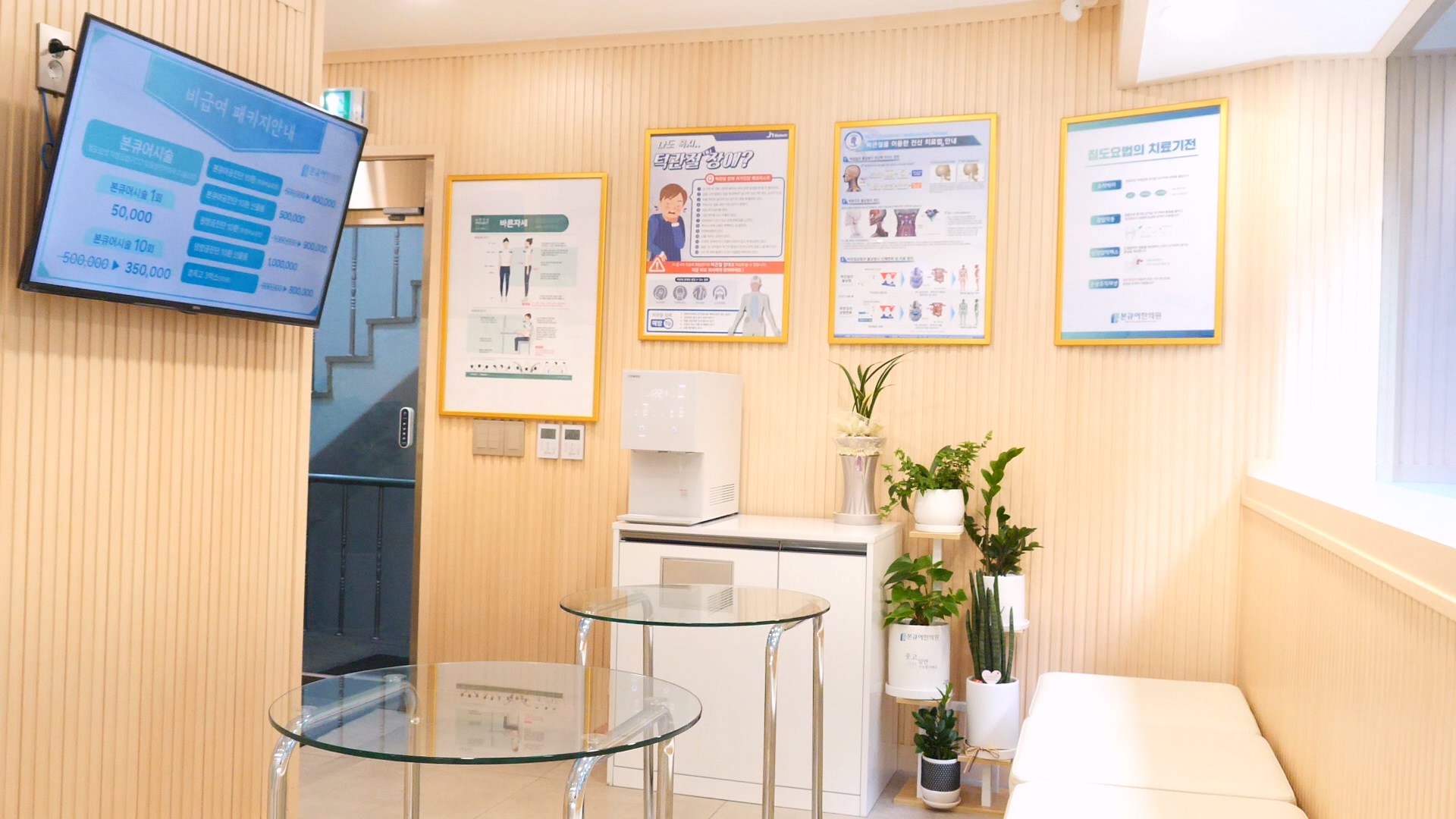
Through specialized structural interventions, we aim to address the root causes of pain and dysfunction rather than merely suppressing temporary symptoms.
Understanding the Fundamentals of a Traditional Korean Wellness Clinic
A Traditional Korean Wellness Clinic is a specialized medical facility that prioritizes the restoration of structural alignment and internal balance through non-surgical, holistic interventions. This approach views the human body as an interconnected system where the skeletal framework, nervous system, and soft tissues must function in harmony to maintain optimal health. By focusing on the fundamental integrity of the spine and joints, these clinics provide a comprehensive path toward recovery and systemic vitality for patients facing diverse health challenges.
Core Philosophy: Restoring Balance and Structural Integrity
The foundational philosophy of this medical tradition is rooted in the belief that true health stems from the perfect alignment of the physical structure and the smooth flow of internal energy. In a modern clinical setting, this translates to correcting spinal misalignments and releasing soft tissue obstructions that hinder neurological communication. We recognize that the body possesses an innate ability to heal itself once these structural barriers are removed. By addressing the underlying tension in the fascia and muscles, we facilitate an environment where the nervous system can function without interference. This holistic perspective ensures that treatment does not just target a localized pain point but rather enhances the overall resilience of the entire organism. Achieving this balance requires a deep understanding of both traditional meridians and modern anatomy, allowing for a precise intervention that respects the complexity of human physiology and its natural healing rhythms.
Modern Interpretation of Ancient Korean Healing Arts
Contemporary medical practice has evolved to integrate traditional techniques with advanced diagnostic tools, creating a hybrid model of care that is both time-tested and scientifically rigorous. While the principles of East Asian medicine remain the core, we now utilize digital imaging and objective assessment scales to verify the efficacy of every procedure. This evolution allows us to apply ancient wisdom to modern lifestyle diseases, such as chronic neck and back issues or autonomic dysregulation. By refining traditional needle therapies and manual manipulations, we offer solutions that are highly relevant to the physiological demands of the 21st century. This modern interpretation ensures that patients receive the benefits of holistic care without sacrificing the precision and safety standards expected in modern medicine. The result is a highly effective therapeutic framework that honors its historical roots while actively participating in the global advancement of integrative healthcare and functional recovery.
The Role of BonCure in Contemporary Musculoskeletal Health
BonCure's role in the current medical landscape is defined by a commitment to structural restoration and the application of specialized Acupotomy techniques. We focus on the principle that when the skeletal framework is aligned, the rest of the body can function with ease. By utilizing advanced diagnostic protocols, BonCure's clinical team identifies subtle misalignments that contribute to chronic pain and autonomic dysfunction. Our approach at BonCure's facility emphasizes the release of stubborn adhesions that often resist conventional treatments. This dedication to structural integrity allows patients to experience a significant improvement in their range of motion and overall physical comfort. Through a combination of precise physical interventions and personalized recovery plans, BonCure's practitioners help individuals reclaim their active lifestyles. We believe that maintaining a healthy spine is the cornerstone of lifelong wellness, and our methodologies are specifically designed to support this goal through every stage of the healing process.
Innovative Restoration Techniques: The Science of Acupotomy
Acupotomy is a specialized therapeutic technique that utilizes a micro-scalpel-tipped needle to perform closed soft-tissue surgery for the release of chronic adhesions and fibrotic tissues. Unlike conventional needle therapies, this method is specifically designed to physically break down internal scarring that restricts movement and compresses nerves. By targeting the exact site of structural obstruction, Acupotomy provides a mechanical solution to chronic pain conditions that have failed to respond to more conservative pharmaceutical or traditional acupuncture interventions.
Acupotomy vs. Traditional Acupuncture: Precision Adhesion Release
While traditional acupuncture focuses primarily on modulating the flow of energy and stimulating the nervous system through fine needles, Acupotomy introduces a structural element to the treatment. The specialized tool features a flat, blade-like tip that allows the practitioner to physically detach adhered tissues and calcified ligaments. This precision adhesion release is crucial for patients suffering from long-term chronic pain where the muscles and fascia have become pathologically fused. Traditional methods may provide temporary relief by stimulating blood flow, but they often cannot address the underlying mechanical blockage that causes persistent discomfort. Acupotomy acts as a bridge between conservative care and invasive surgery, offering a potent alternative for those seeking structural change. By restoring the sliding mechanism between tissue layers, this technique facilitates immediate improvements in mobility. It is a highly specialized skill that requires an intimate knowledge of anatomy to ensure both safety and maximum therapeutic impact.
Clinical Approach to Spinal Realignment and Immediate Improvement
Our clinical approach focuses on the synergy between mechanical realignment of the vertebrae and the stimulation of natural tissue regeneration processes. When the spine is misaligned, it creates uneven pressure on the surrounding muscles, leading to the formation of rigid knots and scar tissue. By performing Acupotomy on these specific areas, we not only release the tension but also trigger a localized healing response. At BonCure, we reject the notion that a fixed number of sessions is required before seeing results. Instead, we aim for immediate changes that the patient can feel right away. This dual action is essential for achieving a stable recovery, as it addresses both the bone structure and the soft tissues that support it. Following the release of adhesions, we often incorporate specialized manual adjustments to guide the spine back into its optimal position. This comprehensive method ensures that the structural changes are supported by a healthier soft tissue environment, reducing the likelihood of recurrence.
Integrating Whole-Spine Diagnostics for Structural Balance
Achieving true structural balance requires a comprehensive analysis of the entire spinal column rather than focusing solely on the area where pain is felt. We utilize whole-spine diagnostics to identify compensatory patterns where a problem in the cervical spine may be causing instability in the lumbar region. This systemic view allows us to create a treatment plan that addresses the body as a single structural unit. By measuring spinal angles and assessing postural alignment, we can pinpoint the exact locations where intervention is most needed. This data-driven approach ensures that our treatments are precise and tailored to the unique physiological needs of each individual. Integrating these advanced diagnostics helps us track progress objectively, providing patients with clear evidence of their structural improvement over time. It is this commitment to thorough assessment that sets our clinic apart, ensuring that every session contributes to a more balanced and resilient physical foundation. For more information, please refer to Dr. Song Jung-hyun Korean Medicine: A Guide to Structural Restoration at Bonecure.
Integrative Approaches to Structural Restoration
Integrative health methodologies combine conventional medical diagnostics with specialized therapeutic interventions to treat the whole person. This approach seeks to address the mechanical and neurological factors contributing to illness. By understanding these methodologies, patients can better appreciate the value of structural restoration in achieving sustainable health outcomes and long-term structural improvement.
Comparative Analysis of Treatment Methodologies
Our clinical approach focuses on identifying and addressing the mechanical factors that contribute to physical dysfunction. By utilizing specialized tools and spinal realignment, we aim to promote structural balance and immediate improvement. This method targets the underlying mechanical issues rather than focusing solely on localized discomfort, helping patients achieve improved mobility and nerve function through an efficient and impactful recovery plan.
BonCure's approach is designed for individuals seeking long-term structural improvement in their physical health. While various medical approaches exist, structural restoration offers a specialized path for those managing chronic issues. Please note that individual results may vary depending on the patient's condition. For a deeper look, see Clinical Insights into Structural Care: Essential Guide to Bonecure Treatments.
Immediate Functional Recovery vs. Long-Term Packaging
Immediate functional recovery focuses on restoring the patient's ability to move and perform daily tasks without restriction. Unlike clinics that demand 10 to 20 sessions before expecting results, BonCure prioritizes immediate feedback and observable changes from the first visit. We provide only the necessary treatments, making the process highly efficient. In our clinic, the release of physical adhesions often results in an instant sensation of lightness and improved range of motion. By prioritizing function, we help patients return to their normal activities faster and with more confidence. This approach also reduces the patient's reliance on masking pain through medication, which does not address the physical tightness that limits quality of life. Our goal is to empower the body to function as it was designed, ensuring that every movement is fluid and balanced.
Long-term Maintenance and Preventive Structural Wellness
Preventive structural wellness involves maintaining the integrity of the spine and joints through regular assessments to prevent the development of chronic conditions. Once the initial structural issues are addressed, we provide patients with the tools needed to maintain their health. This includes guidance on postural awareness and lifestyle adjustments. By catching minor misalignments early, we can prevent the formation of new adhesions and ensure that the nervous system remains unobstructed. Long-term maintenance is about optimizing physical performance throughout the aging process. Patients who commit to this preventive approach often report higher energy levels and a greater sense of overall well-being. We view our relationship with patients as a partnership in health, where the goal is to sustain the structural gains achieved during treatment. Regular follow-ups allow us to monitor spinal health and make necessary interventions before small issues become major problems, ensuring a lifetime of healthy movement.
Evidence-Based Outcomes in Chronic and Complex Conditions
Evidence-based spinal care refers to the use of clinically documented outcomes and objective measurements to guide the treatment of complex and chronic disorders. By analyzing data from case reports, such as the differentiation between Parkinson's disease and Parkinsonism, we can refine our techniques to provide the most effective care. This scientific rigor ensures that our structural interventions are grounded in proven results, offering a specialized path for those with challenging diagnoses.
Managing Autonomic Nervous System Dysregulation Through Spinal Care
The autonomic nervous system is deeply influenced by the health of the spine, as the nerves that control vital organ functions pass through the vertebral column. Misalignments in the neck can lead to dysregulation, manifesting as dizziness or internal discomfort. By restoring proper alignment and releasing tension in these critical areas, we can help stabilize the autonomic system. Our clinical experience shows that patients often experience a significant change in systemic symptoms once the pressure on the spinal nerves is alleviated. This connection between structure and function is a primary focus for complex conditions like 'dorsal burning sensation' (Baeyeol-jeung), where spinal tension leads to sensory anomalies. We use objective neurological assessments to track the recovery of autonomic balance, ensuring that physical adjustments produce desired systemic effects.
Case Study Review: Structural Change and Immediate Relief
In our clinical practice, we have documented numerous cases where structural intervention has led to measurable improvements. For instance, in cases of Parkinsonism or severe muscle adhesions, targeted Acupotomy at the upper cervical spine has resulted in immediate improvements in movement speed and reduced rigidity. Clinical case reports have documented instances where patients with long-standing chronic issues showed a marked reduction in discomfort and an increase in functional capacity shortly after treatment. Based on standardized assessment scales, we observe clinical trends where structural changes correspond with immediate relief. These results demonstrate that physical intervention can produce significant improvements in complex cases, though results are specific to each individual case and not a guarantee of universal outcomes.
Addressing Intractable Tinnitus and Dystonia via Cervical Alignment
Intractable tinnitus and conditions like Torticollis (Spasmodic Dystonia) are often linked to misalignments in the cervical spine and the resulting fibrotic changes in neck muscles. By utilizing precise Acupotomy to release deep muscle adhesions and restore cervical length, we can improve circulation and reduce neurological interference. Our clinical data includes instances where patients with chronic ringing in the ears or abnormal neck postures experienced clinically significant improvements. Unlike conventional approaches that focus on muscle relaxants or temporary symptom relief, we focus on the mechanical release of the fibrosis that maintains the abnormal posture. This approach targets the mechanical factors that are often overlooked in traditional assessments, providing a new path for patients who have found little success elsewhere. It highlights the importance of looking at the body's overall structure to solve localized sensory and motor problems effectively.
Patient-Centered Experience at a Modern Wellness Center
Patient-centered clinical experiences are protocols designed to prioritize the individual's unique health journey. At BonCure, this involves transparent communication and a focus on essential, impactful care. This approach ensures that every patient feels the change in their body, which is essential for achieving the best possible therapeutic outcomes.
Initial Consultation and Objective Assessment Protocols
The journey toward health begins with a thorough initial consultation where we evaluate your medical history and specific symptoms. We employ objective assessment protocols, including posture analysis and 내장기 (internal organ) function evaluation, to establish a clear baseline. This detailed evaluation allows us to identify the underlying causes of your discomfort and explain them to you in a clear, understandable way. We believe that an informed patient is an empowered patient. This phase is critical for developing a safe and effective treatment plan that is tailored to your unique anatomy. By using objective data, we can set realistic expectations and create a roadmap for your recovery. Our goal is to build a foundation of trust, ensuring that you feel confident in the care you receive. This thoroughness is the first step in BonCure's commitment to your long-term physical well-being.
Developing Personalized Recovery Roadmaps
Every body is different, which is why we develop personalized recovery roadmaps that outline the specific steps needed to achieve your health objectives. These roadmaps take into account the severity of your structural issues and your body's individual response to treatment. We do not believe in one-size-fits-all packages; instead, we adjust our frequency based on your immediate progress. Your roadmap will include not only clinical treatments like Acupotomy and Chuna but also guidance on how to maintain those changes. We regularly review your plan to reflect your improvements. This dynamic approach allows us to stay focused on your vitality and adapt to your body's evolving needs. By following a structured yet flexible plan, you can clearly see the path forward and understand how each session contributes to your goal of balanced, pain-free living.
Post-Treatment Care and Lifestyle Integration for Lasting Vitality
The benefits of structural restoration are most effective when integrated into daily life. Following your treatments, we provide specific instructions to help your body adapt and minimize temporary soreness. We also offer guidance on maintaining your new alignment through proper ergonomics. This integration is essential for ensuring that the gains you make in the clinic are sustained. We encourage a return to physical activity that strengthens the muscles supporting your spine. This focus on lasting vitality means that our care extends beyond the treatment room, helping you build a lifestyle that supports continuous health. Our team is always available to provide support and answer questions as you navigate your recovery journey, ensuring that you have the resources needed to stay healthy, active, and vibrant for years to come.
Frequently Asked Questions
Q. What distinguishes BonCure from other traditional clinics?
BonCure focuses on fundamental structural restoration through Acupotomy and spinal alignment. We reject long-term packages and instead prioritize immediate, visible improvement from the very first session. Our goal is to identify and release the root mechanical cause of pain efficiently and effectively.
Q. Is Acupotomy treatment painful for the patient?
Patients may experience temporary pressure or a dull aching sensation during the release of rigid tissues. However, this is often described as a 'productive' sensation because it is followed by an immediate sense of lightness and improved mobility. We prioritize the patient's comfort and adapt the intensity of the treatment to individual tolerance levels.
Q. Are there any side effects associated with these treatments?
Minor side effects such as temporary soreness, localized bruising, or slight bleeding at the site may occur as part of the body's natural healing response. These are typically short-lived. In rare cases, minor infection is possible, so we follow strict sterile protocols. Individual results always vary based on the patient's condition.
Q. How many sessions are typically required for chronic conditions?
We do not mandate a fixed number of sessions like '10 or 20 times.' We treat based on necessity, focusing on immediate results. While complex or chronic issues may require follow-up visits to stabilize the structure, our priority is ensuring the patient feels the benefit of each individual treatment.
Q. Does the clinic treat conditions beyond musculoskeletal pain?
Yes, we address complex autonomic and neurological issues such as Parkinsonism, Tinnitus, and 'dorsal burning sensation' by correcting the structural misalignments that interfere with nerve signaling. Restoring structural integrity allows the body's internal systems to function more harmoniously.
Q. Is there scientific evidence supporting these specialized treatments?
Our methods are supported by clinical case reports documenting objective improvements in spinal angles and neurological assessment scales. Dr. Song Jung-hyun has authored multiple case reports on conditions ranging from spinal curvature issues to intractable tinnitus, ensuring our techniques are data-driven.
Q. Can I receive treatment if I have a busy international schedule?
We accommodate patients with urgent needs, including those traveling from abroad, by providing focused treatments designed for immediate improvement. We can create an efficient treatment schedule that fits your travel requirements while still prioritizing structural restoration.
Key Takeaways
- Immediate Results: BonCure prioritizes immediate functional improvement and observable changes, rejecting long-term treatment packages.
- Acupotomy Expertise: Specialized Acupotomy techniques physically release chronic adhesions and fibrosis to restore mobility where traditional methods may fail.
- Root Cause Treatment: By focusing on the skeletal framework and soft tissue alignment, we address the fundamental causes of both pain and autonomic dysfunction.
- Evidence-Based: Treatments are supported by clinical case reports and objective diagnostic tools to ensure measurable improvements in spinal health.
- Personalized & Efficient: Each patient receives only the necessary treatments tailored to their specific anatomy, ensuring the most efficient path to recovery.
BonCure Korean Medicine Clinic / Dr. Song Jung-hyun
FAQ
- What distinguishes Bonecure from other traditional clinics?
- Bonecure focuses on fundamental structural restoration through Acupotomy and spinal alignment, aiming to release adhesions and restore natural movement rather than just providing temporary pain relief. We utilize objective diagnostic tools like whole-spine X-rays and specialized assessment scales to ensure that every treatment is based on scientific data and produces measurable results in physical alignment and function.
- Is Acupotomy treatment painful for the patient?
- While patients may experience temporary discomfort, pressure, or a dull aching sensation during the release of rigid tissues, many report immediate sensations of lightness and improved mobility following the procedure. The level of discomfort is typically manageable and is often described as a 'productive' sensation as the chronic tension is finally being addressed. We prioritize patient comfort and adjust the intensity of the treatment to suit individual tolerance levels.
- Are there any side effects associated with these treatments?
- Minor side effects such as temporary soreness, localized bruising, or slight bleeding at the site may occur. These are typically short-lived and part of the body's natural healing response to the release of fibrotic tissue. In rare cases, minor infection is possible, so we follow strict sterile protocols to ensure safety. Individual results vary based on the severity of the condition and the patient's overall health status.
- How many sessions are typically required for chronic conditions?
- Chronic or severe structural issues often require multiple sessions to achieve stable and lasting results. While some patients feel improvement after a single visit, a full course of treatment—often ranging from 5 to 20 sessions depending on the complexity—is usually necessary to ensure that the structural changes are maintained. A personalized treatment plan is developed after a thorough initial assessment of your spinal and neurological health.
- Does the clinic treat conditions beyond musculoskeletal pain?
- Yes, we address complex issues related to the autonomic nervous system, such as tinnitus, dizziness, and certain digestive complaints, by correcting cervical and spinal misalignments that affect overall neurological function. By restoring structural integrity, we help the body's internal systems communicate more effectively, which can lead to improvements in a wide range of systemic health issues that are often linked to spinal stress.
- Is there scientific evidence supporting these specialized treatments?
- Our methods are supported by clinical case reports documenting objective improvements in spinal angles via X-ray and standardized neurological assessment scales, ensuring a data-driven approach to wellness. We track subjective distress scores and objective physical markers to verify the efficacy of our structural restoration techniques. This evidence-based approach provides a clear record of progress and helps refine the treatment process for each patient.
- Can I receive treatment if I have a busy international schedule?
- We accommodate patients with urgent needs, including those traveling from abroad, by providing focused treatments designed for immediate functional improvement whenever clinically appropriate. Our team can work with you to create a condensed and intensive treatment schedule that fits your travel requirements while still prioritizing long-term structural restoration. We are committed to making our specialized care accessible to patients from all over the world.