
Post
Dr. Song Jung-hyun Korean Medicine: A Guide to Structural Restoration at Bonecure
Dr. Song Jung-hyun Korean Medicine refers to an evidence-based clinical approach focusing on the restoration of spinal alignment and the release of soft tissue adhesions through Acuknife therapy. This specialized practice aims to address the root causes of chronic pain and autonomic dysregulation by balancing the body’s structural integrity.
Dr. Song Jung-hyun and Structural Healing at Bonecure
Dr. Song Jung-hyun is a dedicated practitioner at Bonecure who specializes in correcting structural imbalances that lead to chronic disorders.
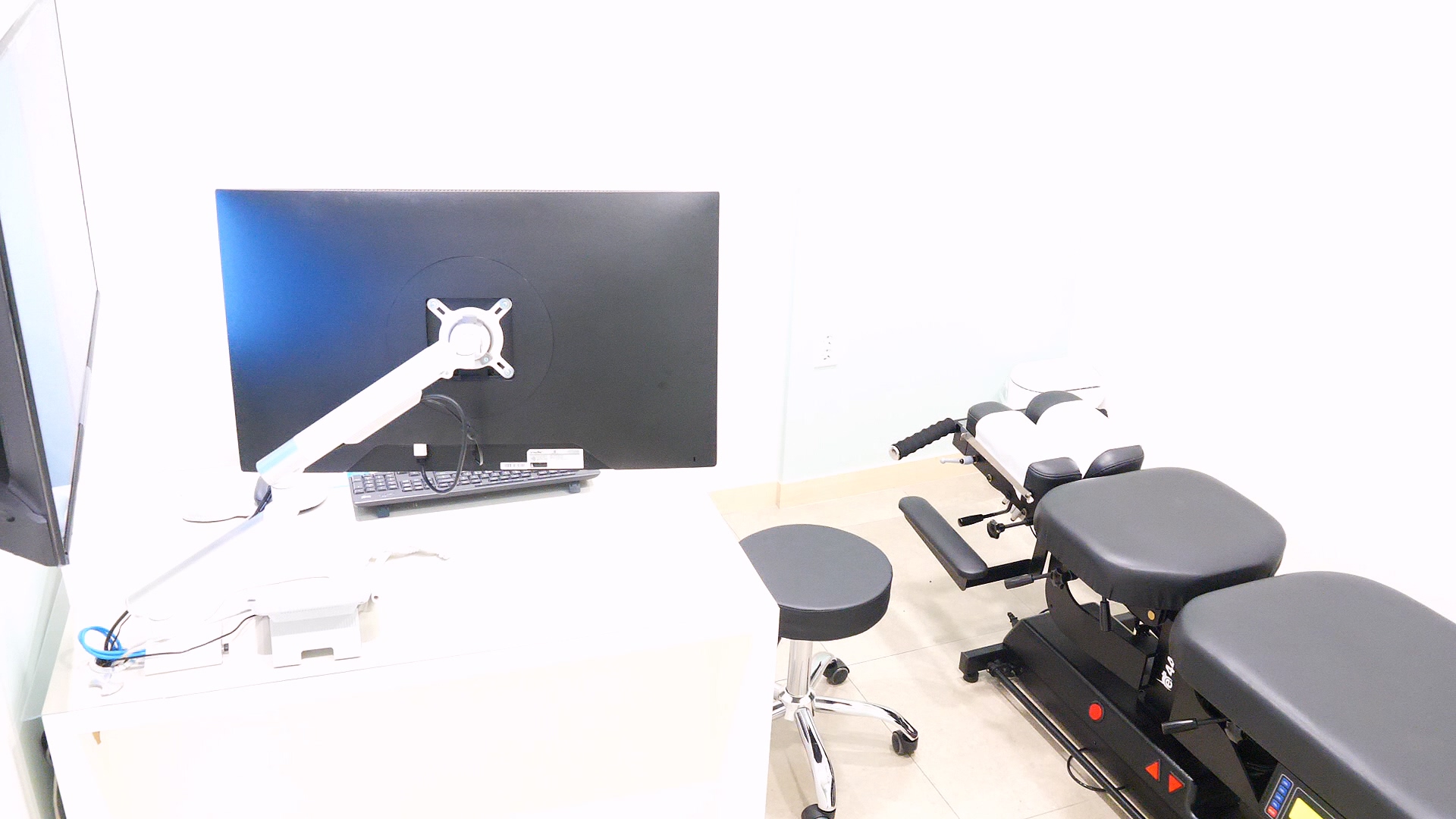
By integrating traditional wisdom with modern diagnostic tools, I focus on helping patients regain their functional vitality through targeted interventions that prioritize the health of the spine and nervous system. My approach is grounded in the belief that when the physical framework of the body is aligned, the body’s natural healing mechanisms can function optimally.
The Clinical Philosophy: When Your Bones Smile, Life Smiles
At the heart of my practice is the philosophy that "When Your Bones Smile, Life Smiles." This guiding principle at Bonecure emphasizes that structural health is the foundation of overall well-being. When the musculoskeletal system, particularly the spine, is under constant stress due to misalignment or tissue adhesion, it manifests as persistent pain and reduced quality of life. My goal is to transition patients from a state of structural distress to one of skeletal harmony. I believe that addressing the bones and their supporting tissues is the most direct path to restoring a patient's smile and their ability to engage with life fully. This holistic perspective ensures that we do not merely chase symptoms but instead cultivate a durable state of health. By focusing on the 206 bones and the intricate network of joints in the human body, we provide a framework for recovery that supports both physical and emotional resilience, allowing for a more active and vibrant lifestyle for every individual we treat.
Pioneering Structural Restoration in Korean Medicine
I have dedicated my career to pioneering structural restoration techniques that go beyond conventional acupuncture. By utilizing advanced diagnostics such as Whole Spine X-ray analysis, I can identify specific vertebral misalignments that contribute to chronic ailments. This scientific approach allows for a precise intervention tailored to each patient's unique anatomical needs. At Bonecure, we prioritize objective data to track progress, ensuring that every adjustment and treatment session is backed by measurable improvements in spinal curvature and joint mobility. I have documented numerous case reports involving conditions like idiopathic scoliosis and post-concussion syndrome, which provide a clinical basis for these methods. My commitment to structural health involves a rigorous understanding of how the cervical spine affects neurological flow and autonomic function. By restoring the natural curves of the spine, we aim to alleviate the internal pressure that often leads to complex, long-standing health issues. This innovative path in Korean Medicine represents a shift toward structural correction as a fundamental necessity for modern healthcare and long-term patient recovery.
The Science of Acuknife Therapy at Bonecure
Acuknife therapy, also known as Dochim, is a specialized clinical procedure that utilizes a flat-headed needle to mechanically release adhesions within stiffened or scarred soft tissues. This technique is designed to normalize tissue function and restore natural movement by resolving structural obstructions that traditional needles cannot reach. By targeting the site of chronic inflammation and adhesion, Acuknife therapy promotes the regeneration of healthy fibers and improves local circulation.
Releasing Adhesion for Fundamental Recovery
Chronic pain is often the result of soft tissues becoming stuck together due to long-term inflammation or injury, a process known as adhesion. My specialized Acuknife therapy at Bonecure is specifically designed to address these stubborn adhesions. The procedure involves using a unique tool with a flat, blade-like tip to gently separate the fused layers of muscle and fascia. This mechanical release is crucial because it allows the affected tissues to receive proper blood flow and nutrients once again. When these tissues are liberated, the range of motion in the joints typically improves, and the mechanical tension on nerves is significantly reduced. While the process may involve temporary discomfort or mild soreness, the objective is to achieve a structural release that provides a foundation for sustainable tissue regeneration and long-term recovery. By focusing on these deep-seated adhesions, we can help patients who have found little relief from standard therapies, offering a pathway to recovery that addresses the physical barriers to healing within the musculoskeletal system.
Scientific Evidence and Objective Clinical Data
My clinical practice is built on a foundation of scientific evidence and objective data collection. I have authored several case reports that document significant improvements in patients with complex conditions. For example, clinical case reports have documented instances where patients with long-standing chronic tinnitus or sudden hearing loss showed significant improvement in self-assessment scores and hearing function following a structured course of integrated structural therapy. These documented cases demonstrate the potential for clinical improvement in complex conditions, though it is important to note that results may vary among different patients and these figures represent individual case findings. These results are tracked using standardized pain scales from 0 to 10 and detailed imaging studies. By utilizing Whole Spine X-ray analysis, we can observe the tangible changes in spinal alignment before and after the intervention. It is important to note that these figures represent individual case findings, and while they demonstrate the potential of structural restoration, results may vary among different patients. My focus remains on using these documented successes to refine our protocols at Bonecure for consistently high-quality care.
Why Structural Alignment is Key to Pain Relief
Many patients suffer from recurring pain because their underlying skeletal structure is out of balance. At Bonecure, I emphasize that lasting pain relief is only possible when the spine and joints are returned to their proper positions. When the spine is misaligned, it creates uneven weight distribution across the body, leading to compensatory strain in other areas. For instance, a tilt in the pelvic region can cause secondary pain in the neck and shoulders. My treatment protocols focus on identifying these primary structural deviations and correcting them through a combination of Acuknife therapy and Chuna manual techniques. By aligning the 24 movable vertebrae, we reduce the abnormal mechanical stress on the surrounding muscles and ligaments. This alignment is also critical for the health of the nervous system, as it prevents the entrapment of nerves that can cause radiating pain and dysfunction. Through this structural lens, we address the architectural flaws of the body to provide a sustainable solution for chronic pain, rather than just masking the discomfort temporarily.
Specialized Treatment Protocols for Complex Conditions
Specialized treatment protocols for complex conditions involve the targeted application of Acuknife therapy and spinal correction to address disorders that do not respond to standard care. These protocols are specifically designed for patients dealing with long-term issues like idiopathic scoliosis, chronic tinnitus, and autonomic nervous system dysregulation. By focusing on the structural relationship between the skull, cervical spine, and the rest of the body, these treatments aim to restore neurological balance and functional harmony.
Correcting Spinal Curvature and Postural Imbalance
Postural imbalances, such as a forward head posture or excessive spinal curvature, are more than just cosmetic concerns; they are significant drivers of chronic health issues. At Bonecure, I utilize specialized protocols to address these structural deviations. Using objective measurements from X-rays, I can identify the degree of scoliosis or kyphosis and track the progress of the correction. My methods involve releasing the tight tissues that pull the spine out of alignment and then reinforcing the correct posture through manual therapy. For instance, I have worked with patients exhibiting idiopathic scoliosis where we aimed to stabilize the curvature and improve overall spinal symmetry. Consistent treatment is often necessary to achieve these results, as the body must be retrained to hold the new, healthier alignment. By addressing the physical imbalances in the 3 major curves of the spine—the cervical, thoracic, and lumbar regions—we help patients regain their height, improve their breathing capacity, and reduce the chronic fatigue often associated with poor posture and structural misalignment.
Addressing Tinnitus and Autonomic Dysregulation
Conditions like chronic tinnitus and autonomic nervous system (ANS) dysregulation are frequently linked to issues in the upper cervical spine. My research and clinical experience suggest that misalignments in the neck can interfere with blood flow and nerve signaling to the head. At Bonecure, I apply Acuknife therapy to the tissues surrounding the C1 and C2 vertebrae to release pressure on the vertebral artery and the vagus nerve. This approach has shown potential in reducing the intensity of ear ringing and stabilizing symptoms of ANS imbalance, such as dizziness or palpitations. In one documented case, a patient with a long history of Meniere's-like symptoms saw a significant reduction in vertigo episodes after structural restoration. It is vital to understand that these conditions are complex and often require multiple sessions to achieve stability. By focusing on the structural health of the neck, we address a common but overlooked cause of these distressing symptoms, providing a specialized option for those who have not found success with traditional ENT or neurological approaches alone.
| Treatment Approach | Focus Area | Goal | Expected Outcome |
|---|---|---|---|
| General Management | Symptom management | Pain relief | Functional comfort |
| Structural Restoration | Spinal alignment | Structural correction | Long-term functional recovery |
| Acuknife Therapy | Tissue adhesions | Releasing fused muscles | Improved mobility and regeneration |
| Chuna Manual Therapy | Joint mechanics | Balancing skeletal frame | Enhanced posture and nerve flow |
The Patient Experience and Safety at Bonecure
The patient experience at Bonecure is defined by a thorough diagnostic process and a commitment to clinical safety. Every journey begins with a comprehensive structural assessment to ensure that each treatment is appropriate for the individual's current health status. While our procedures are designed for maximum efficacy, we also prioritize the minimization of risks and the clear communication of potential side effects to every patient.
Objective Assessment and X-ray Analysis
Before any treatment begins, I conduct a rigorous objective assessment to understand the patient's structural baseline. This process includes a detailed consultation and the use of Whole Spine X-ray analysis to visualize the internal state of the musculoskeletal system. By measuring specific angles and identifying areas of significant adhesion, I can develop a highly personalized recovery plan. We also use pain scales, ranging from 0 to 10, to allow patients to quantify their progress throughout the course of treatment. This data-driven approach ensures that we are not relying on guesswork; instead, we have a clear map of where the structural issues lie and how they are responding to intervention. At Bonecure, I believe that transparency in the diagnostic phase builds trust and helps patients understand the "why" behind their symptoms. This objective foundation is essential for tracking long-term improvements and making necessary adjustments to the treatment protocol as the body begins its natural process of healing and realignment.
Safe Treatment Practices and Risks
Safety is a paramount concern in every clinical procedure I perform. While Acuknife therapy is a highly effective tool for structural restoration, like any medical intervention, it carries certain risks and limitations. Patients may experience temporary side effects such as localized soreness at the insertion site, minor bruising, or slight bleeding. These are typically self-limiting and resolve within a few days. In very rare cases, there is a risk of infection, which is why we maintain strict sterile protocols for all equipment and procedures at Bonecure. It is also important to note that the effectiveness of the treatment can vary significantly based on the individual's age, the chronicity of their condition, and their overall health status. Chronic or severe conditions, such as long-standing scoliosis or 18-year chronic tinnitus, usually require a series of treatments rather than a single session. I always ensure that patients are fully informed of these factors before proceeding, fostering a safe and realistic environment for their recovery journey. My priority is to provide high-impact care while maintaining the highest standards of clinical safety and patient well-being.
Advanced Structural Recovery and Acupotomy at Bonecure 2026 Chuna Manual Therapy for Structural Balance at Bonecure Structural Alignment of the Skull and Spine
Frequently Asked Questions
Q. Who is Dr. Song Jung-hyun and what is his specialty?
Dr. Song Jung-hyun is a Korean Medicine physician at Bonecure, specializing in Acuknife therapy (Dochim) and structural restoration. His focus is on correcting spinal misalignments and releasing tissue adhesions to treat chronic pain and internal disorders. By addressing the physical framework of the body, he aims to restore functional vitality to patients suffering from long-term ailments.
Q. What exactly is Acuknife therapy, and how does it work?
Acuknife therapy, also known as Dochim, utilizes a specialized flat-headed needle to release adhesions in stiffened tissues. This process promotes the regeneration of normal tissue and restores natural movement by resolving structural obstructions. It is particularly effective for tissues that have become fused due to chronic inflammation or past injuries.
Q. Can Dr. Song Jung-hyun's methods help with non-musculoskeletal issues like tinnitus?
Yes, Dr. Song has published case reports on the management of chronic tinnitus, sudden hearing loss, and autonomic nervous system disorders. These treatments focus on restoring the structural balance of the cervical spine and improving neurological flow, though results vary by individual case. By releasing pressure on the upper neck, the body can often resolve these complex symptoms.
Q. Are the treatments at Bonecure backed by scientific research?
Dr. Song Jung-hyun utilizes objective data, including Whole Spine X-ray analysis and standardized pain scales. He has authored several clinical case reports on spinal curvature correction and concussion syndrome, providing a documented basis for his structural treatment protocols. These case studies serve as the evidence-based foundation for the personalized care plans developed at the clinic.
Q. What should I expect during my first visit to Bonecure?
The process begins with a comprehensive consultation and objective structural assessment. Dr. Song evaluates spinal alignment and tissue health using tools like X-ray analysis to create a personalized recovery plan. While the Acuknife procedure may involve temporary discomfort, the goal is immediate structural release and long-term functional improvement.
Q. Are there any side effects or risks associated with Acuknife therapy?
As with any clinical procedure, minor side effects such as temporary soreness, bruising, or slight bleeding at the site of insertion may occur. Rare risks include infection, which is why all treatments are performed under strict sterile conditions. Dr. Song ensures all procedures are performed under strict safety standards to minimize any potential adverse effects.
Q. How many sessions are typically required to see significant improvement?
Treatment duration depends on the severity and chronicity of the condition. While some patients experience immediate relief after a few sessions, chronic or severe cases like scoliosis or long-term tinnitus may require more extensive, consistent care. A specific timeline and the number of sessions needed are determined during the initial consultation based on individual diagnostic findings.
Key Takeaways
- Dr. Song Jung-hyun focuses on structural restoration through Acuknife therapy and spinal alignment.
- Bonecure utilizes objective data like Whole Spine X-rays and pain scales to track patient progress.
- Acuknife therapy (Dochim) is used to release deep-seated tissue adhesions that cause chronic pain.
- Treatment plans are personalized for complex conditions, including scoliosis, tinnitus, and autonomic dysregulation.
- Patient safety is maintained through sterile protocols and clear communication regarding risks and individual results.
Hello, I am Dr. Song Jung-hyun, a Korean Medicine practitioner who has specialized in Acuknife therapy for a long time. At Bonecure, we are doing our utmost to help your bones and structural alignment smile again. I hope you can find the root cause of your pain and reclaim a healthy daily life.
Bonecure / Director Song Jung-hyun
FAQ
- Who is Dr. Song Jung-hyun and what is his specialty?
- Dr. Song Jung-hyun is a Korean Medicine physician at Bonecure, specializing in Acuknife therapy (Dochim) and structural restoration. His focus is on correcting spinal misalignments and releasing tissue adhesions to treat chronic pain and internal disorders. By addressing the physical framework of the body, he aims to restore functional vitality to patients suffering from long-term ailments.
- What exactly is Acuknife therapy, and how does it work?
- Acuknife therapy, also known as Dochim, utilizes a specialized flat-headed needle to release adhesions in stiffened tissues. This process promotes the regeneration of normal tissue and restores natural movement by resolving structural obstructions. It is particularly effective for tissues that have become fused due to chronic inflammation or past injuries.
- Can Dr. Song Jung-hyun's methods help with non-musculoskeletal issues like tinnitus?
- Yes, Dr. Song has published case reports on the management of chronic tinnitus, sudden hearing loss, and autonomic nervous system disorders. These treatments focus on restoring the structural balance of the cervical spine and improving neurological flow, though results vary by individual case. By releasing pressure on the upper neck, the body can often resolve these complex symptoms.
- Are the treatments at Bonecure backed by scientific research?
- Dr. Song Jung-hyun utilizes objective data, including Whole Spine X-ray analysis and standardized pain scales. He has authored several clinical case reports on spinal curvature correction and concussion syndrome, providing a documented basis for his structural treatment protocols. These case studies serve as the evidence-based foundation for the personalized care plans developed at the clinic.
- What should I expect during my first visit to Bonecure?
- The process begins with a comprehensive consultation and objective structural assessment. Dr. Song evaluates spinal alignment and tissue health using tools like X-ray analysis to create a personalized recovery plan. While the Acuknife procedure may involve temporary discomfort, the goal is immediate structural release and long-term functional improvement.
- Are there any side effects or risks associated with Acuknife therapy?
- As with any clinical procedure, minor side effects such as temporary soreness, bruising, or slight bleeding at the site of insertion may occur. Rare risks include infection, which is why all treatments are performed under strict sterile conditions. Dr. Song ensures all procedures are performed under strict safety standards to minimize any potential adverse effects.
- How many sessions are typically required to see significant improvement?
- Treatment duration depends on the severity and chronicity of the condition. While some patients experience immediate relief after a few sessions, chronic or severe cases like scoliosis or long-term tinnitus may require more extensive, consistent care. A specific timeline and the number of sessions needed are determined during the initial consultation based on individual diagnostic findings.