
Post
A 2026 Clinical Guide to Chuna Manual Therapy for Structural Balance at Bonecure
Hello. I am Dr. Song Jeong-hyun, a Korean medical doctor who has focused on acupotomy and structural realignment for many years. Chuna Manual Therapy is a specialized treatment modality designed to restore the natural alignment of the body and improve structural function by manually manipulating the skeletal and soft tissue structures.
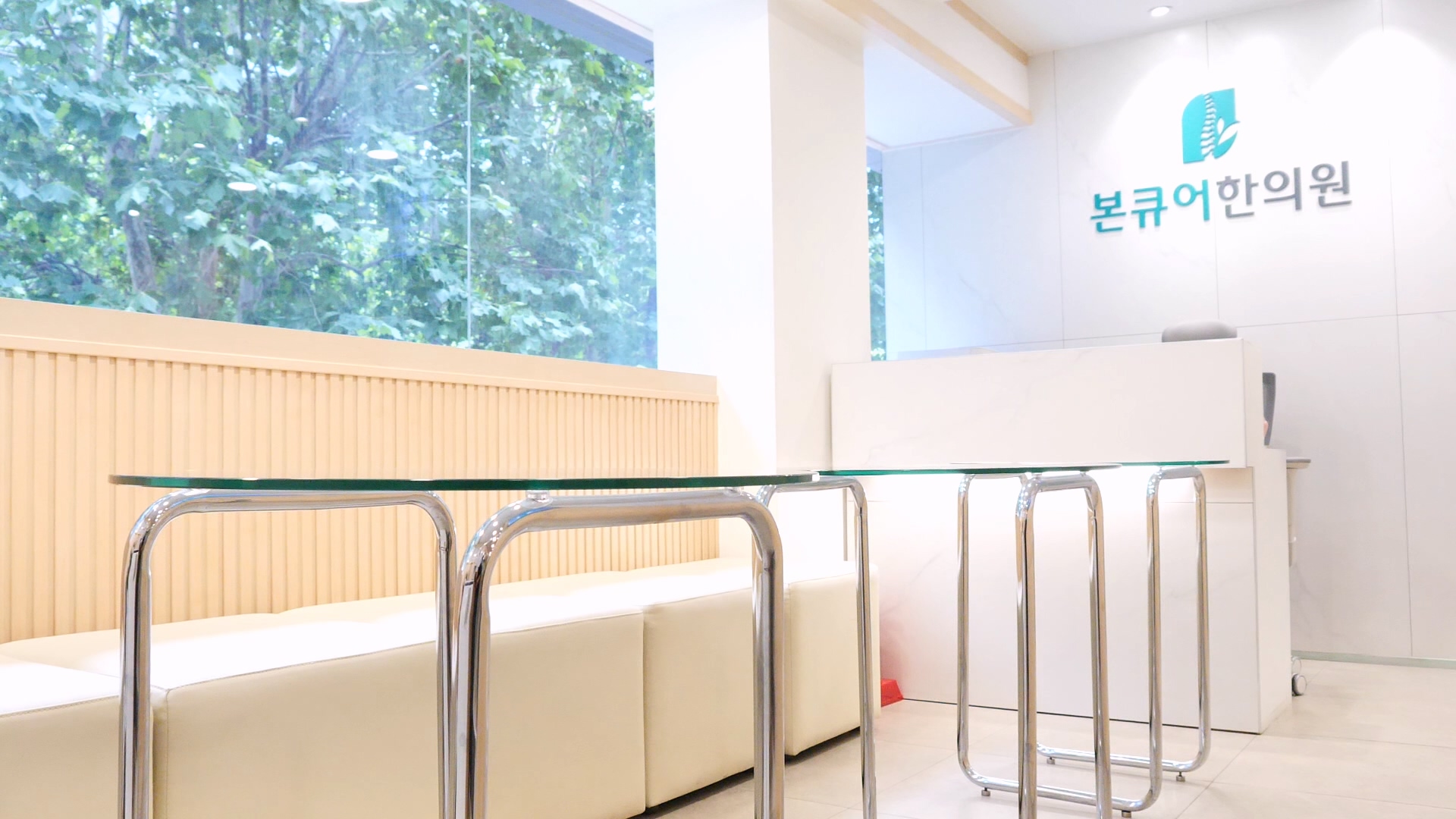
Understanding Chuna Manual Therapy: Definition and Fundamental Principles
Chuna Manual Therapy is a specialized branch of Korean traditional medicine that involves manual manipulation of the musculoskeletal system to restore structural harmony. At Bonecure, we define this practice as more than just simple massage; it is a precise medical act performed by a licensed Korean medical doctor. The practitioner uses their hands, limbs, or specialized equipment to apply gentle pressure or high-velocity, low-amplitude thrusts to specific joints and soft tissues. This method aims to correct subluxations, improve joint mobility, and relieve muscular tension that often leads to chronic discomfort. By focusing on the relationship between the spine and the nervous system, Chuna provides a pathway for the body to activate its natural healing mechanisms. This therapy is grounded in traditional anatomical knowledge and has evolved into a sophisticated clinical discipline. It serves as a non-invasive alternative for individuals seeking to manage structural imbalances, emphasizing the restoration of normal physiological functions through intensive, focused intervention.
The Core Philosophy of Bonecure: Structural Balance and Recovery
The driving philosophy at Bonecure is encapsulated in the phrase, 'When your bones smile, life smiles.' This belief stems from the observation that a correctly aligned spine is the foundation of overall wellness and mental vitality. We view the human body as an interconnected system where a misalignment in the cervical spine can lead to issues as far-reaching as digestive dysfunction or chronic fatigue. Our clinical approach focuses on 'Bone Smiles,' which means achieving a state of physical ease where the structure no longer hinders movement or organ function. In our practice, we emphasize that true recovery is the restoration of full range of motion and structural integrity. Each session is designed to be highly compressed and efficient, focusing on impactful clinical results rather than prolonged consultation. By prioritizing the structural foundation through time-effective procedures, we aim to enhance the quality of life for every individual who enters our clinic in Seoul.
Scientific Mechanisms of Spinal Realignment
Spinal realignment works through several physiological pathways, primarily by reducing mechanical pressure on spinal nerves and improving local blood circulation. When vertebrae are misaligned, they can create inflammatory responses that irritate nerve roots, leading to the sensation of pain or numbness. Research suggests that manual manipulation can lower inflammatory markers and improve the flow of cerebrospinal fluid, which is essential for central nervous system health. In our clinic, we utilize Whole Spine X-ray analysis to objectively assess the degree of curvature and identify specific areas requiring correction. Scientific evidence indicates that restoring the natural lordotic curve of the neck can improve autonomic nervous system regulation. This is why patients often report improvements in sleep and stress levels after their spinal alignment is corrected. While the immediate effect of a session can be a reduction in tension, the long-term goal is to stabilize the ligaments and muscles to maintain a stable structural configuration over time.
Clinical Applications and Efficacy in Chronic Pain Management
Chronic pain management requires a multi-faceted approach that addresses both the symptomatic discomfort and the underlying structural cause of the ailment. By integrating manual techniques with specialized needle therapies, we can offer patients a comprehensive path toward lasting relief and improved mobility.
Acupotomy for Back Pain and Synergistic Chuna Effects
Combining Acupotomy (knife-needle therapy) with Chuna Manual Therapy creates a synergistic effect that accelerates the recovery process for chronic back pain. While Chuna addresses the structural misalignments, Acupotomy focuses on releasing deep adhesions and fibrotic soft tissue. At Bonecure, we find that releasing these deep-seated adhesions via Acupotomy before or during manual manipulation makes the adjustment significantly more effective and impactful. This dual approach is particularly useful for those suffering from herniated discs or spinal stenosis, where tissues have become chronically tightened. Once the structural obstructions are released by the specialized needle, the doctor can more precisely guide the vertebrae back into their optimal positions. Clinical observations show that patients receiving both therapies often achieve faster results than those receiving standard treatment alone. This integrative strategy ensures that both the structural and functional aspects of back pain are addressed simultaneously for optimized outcomes.
Treatment for Cervical Alignment and Autonomic Nervous System Regulation
The alignment of the cervical spine, particularly the upper neck area, plays a critical role in regulating the autonomic nervous system. A misalignment in this region can interfere with the signals sent between the brain and the rest of the body, potentially leading to symptoms like dizziness, headaches, or even anxiety. By applying Chuna techniques to the neck, we aim to release tension and improve blood flow to the brain. Many patients visiting Bonecure for neck pain also report a significant reduction in their 'allostatic load' or their body's overall stress level. For instance, in cases of cervicogenic headaches, adjusting the C1 and C2 vertebrae can help facilitate a reduction in pain intensity and support the recovery process. We often monitor improvements using objective assessments to track how structural changes influence mental well-being. This specialized, efficient care helps to stabilize the internal environment of the body, allowing the patient to feel more grounded and physically resilient.
The Unique Characteristics of Chuna Manual Therapy
Chuna Manual Therapy at Bonecure is a specialized medical act performed by a licensed Korean medical doctor. It integrates structural realignment with the release of soft tissue adhesions to address both biomechanical and functional aspects of health. Unlike standard exercise-based modalities, Chuna at our clinic focuses on compressed, high-impact manual manipulation to correct subluxations, guided by comprehensive postural evaluations and Whole Spine X-ray data.
Understanding and Treating Burning Back (Baeyeoljeung) Through Structural Alignment
Advanced Integrative Approaches at Bonecure Wellness Clinic
At Bonecure, we go beyond standard treatments by incorporating advanced techniques like Acupotomy to address complex, chronic conditions that have not responded to conventional care. This integrative approach allows us to treat stubborn cases of structural adhesion and nerve entrapment efficiently.
Combining Acupotomy (Knife-needle) with Chuna for Adhesion Release
Acupotomy, or knife-needle therapy, is a powerful tool for breaking down chronic adhesions in the ligaments and tendons. When these tissues become scarred or thickened due to long-term inflammation, they can pull the spine out of alignment and make standard Chuna adjustments less effective. By using the specialized flat-headed needle, I can precisely release these tight bands of tissue, a process known as 'dissection' (박리). This creates the necessary space for the bones to return to their natural positions. At Bonecure, this combination is our signature approach for difficult cases like frozen shoulder or severe spinal stiffness. While the procedure may involve minor temporary soreness, it often provides the 'breakthrough' needed for patients who have felt stuck. Freeing the deep tissues allows for more profound and stable structural change, ensuring the spine is not hindered by old, restrictive patterns.
Clinical Notes: Individual Case Studies on Spinal Curvature Correction
In my clinical experience at Bonecure, I have observed that many patients with long-standing spinal curvature issues experience significant improvements in their quality of life. By applying a structured course of integrative treatment, we aim to help patients manage chronic discomfort and related functional symptoms. These clinical observations highlight the potential of combining structural realignment with specialized needle techniques to support the body's recovery. It is important to note that every patient's condition is unique, and clinical outcomes may vary significantly based on individual anatomy and severity. We use Whole Spine X-ray data to track these changes, allowing us to see the literal improvement of the skeletal frame over time. These cases reinforce our commitment to evidence-based practice for those suffering from structural problems. Please note that for some chronic conditions, multiple sessions may be required, and results can differ depending on the individual.
The Role of Physical Evaluation and Herbal Medicine Consultation
Comprehensive physical evaluation—including posture, movement, and internal function assessments—is the cornerstone of our diagnostic process. By evaluating the body's structural alignment and functional movement, I can determine if a patient's pain is being exacerbated by internal imbalances or systemic inflammation. This information guides us in recommending specific herbal medicines that support the healing of musculoskeletal tissues. At Bonecure, we believe that internal support is just as important as external manipulation. For example, if a patient has weak ligaments, certain herbal formulas can help nourish those tissues, making the Chuna treatments more effective and stable. This holistic view ensures that we are treating the person as a whole, focusing on long-term vitality and health through an efficient, results-oriented consultation process.
The Clinical Philosophy of Dr. Song Jeong-hyun at BonCure Clinic
Patient Journey and What to Expect at a Seoul Wellness Clinic
Visiting a clinic in a foreign country can be daunting, so we have streamlined our process to ensure that international patients receive the most efficient care possible. Our goal is to provide high-impact results, especially for those with limited time in Seoul.
Personalized Treatment Protocols for International Patients
International patients often come to Bonecure with complex issues and a tight schedule, requiring a highly efficient and concentrated treatment plan. We offer specialized consultations that prioritize the most effective interventions, such as the combination of Acupotomy and Chuna. For someone traveling to Cheongdam-dong for a short period, we might recommend an intensive program to maximize structural changes during their stay. We provide English-speaking support to ensure clear communication. Our team understands the unique needs of travelers, from flight-induced pain to long-term chronic issues. By focusing on high-impact treatments, we aim to provide relief that patients may notice early in their plan, although the number of sessions required for stable recovery will vary by individual. Our personalized approach ensures a premium, evidence-based experience tailored to specific health goals.
Safety Guidelines and Potential Side Effects
While Chuna Manual Therapy and Acupotomy are generally safe when performed by a qualified professional, it is important for patients to be aware of potential side effects. After a session, some individuals may experience temporary muscle soreness as the body adjusts to its new alignment. In cases where Acupotomy is used, there may be minor localized bruising or temporary bleeding (일시적 출혈) at the site of the procedure, and in rare cases, infection can occur if post-care is neglected. We conduct a thorough examination, including a Whole Spine X-ray and a review of medical history, to identify any contraindications such as severe osteoporosis. At Bonecure, patient safety is our highest priority, and we modify our techniques to suit the physical condition of each individual. We encourage patients to communicate openly to ensure a safe and positive environment.
Post-Treatment Care for Long-term Vitality and Mobility
Maintaining new alignment requires mindful post-treatment care. We provide specific stretches and posture advice to help 'set' the adjustments made during Chuna sessions. Avoiding heavy lifting for 24 to 48 hours after a significant adjustment allows the ligaments to stabilize. Long-term vitality is achieved when the patient adopts better ergonomic habits. At Bonecure, we also suggest periodic 'maintenance' visits for those with demanding lifestyles. This proactive approach helps to catch minor misalignments before they turn into major painful episodes. By following these guidelines, our patients can enjoy the long-term benefits of their treatment, leading to a life characterized by free movement. Our goal is to empower you with the tools needed to maintain your health long after you leave our clinic.
Restoring the Natural Curve of the Neck Without Surgery: A Clinical Guide to Cervical Alignment
Frequently Asked Questions
Q. What is the primary difference between Chuna and Chiropractic care?
While both involve manual manipulation, Chuna Manual Therapy is a comprehensive Korean traditional medicine approach that incorporates soft tissue release, structural realignment, and functional assessment. At Bonecure, we specifically integrate Acupotomy to address deep tissue adhesions that may hinder bone realignment.
Q. Is Chuna manual therapy effective for chronic back pain?
Yes, it is widely used for chronic pain management. By addressing structural imbalances and improving circulation, it helps alleviate pressure on nerves. Results may vary based on individual spinal conditions, and it is particularly effective when combined with Acupotomy to release scarred tissues.
Q. How many sessions are typically required for noticeable improvement?
For acute cases, relief may be felt within a few sessions. For chronic or severe spinal misalignments, a structured, high-efficiency program is often recommended to achieve stable structural improvement. The specific number of sessions depends entirely on the severity of the condition and the patient's individual rate of healing.
Q. Are there any side effects or risks associated with Chuna?
Patients may experience temporary soreness or fatigue. When combined with Acupotomy, minor bruising or temporary localized pain may occur, which usually subsides quickly. We perform a full assessment, including X-rays, to ensure the treatment is safe for your specific condition.
Q. Can international patients receive Chuna therapy in Cheongdam, Seoul?
Yes, Bonecure provides specialized, high-impact consultations for international patients. We focus on efficient protocols like Chuna and Acupotomy for those with limited schedules. Our clinic offers support for English speakers.
Q. Is Chuna manual therapy covered by insurance in Korea?
Chuna therapy is partially covered by Korean National Health Insurance for specific musculoskeletal disorders for enrolled residents. For international patients or non-residents, we provide clear information on costs during the initial consultation to ensure an efficient process.
Q. Who should avoid Chuna manual therapy?
Individuals with severe osteoporosis, acute fractures, or certain inflammatory conditions should consult a specialist first. A thorough examination via Whole Spine X-ray is conducted at Bonecure to ensure safety and to rule out any contraindications.
Key Takeaways
- Structural Alignment: Chuna Manual Therapy focuses on restoring skeletal structure to treat the root cause of pain and functional issues.
- Synergistic Power: Combining Chuna with Acupotomy (knife-needle) allows for the release of deep adhesions, making structural correction more efficient and impactful.
- Objective Assessment: We use Whole Spine X-rays and postural/functional evaluations to create personalized, evidence-based treatment plans.
- Efficiency for International Patients: Bonecure provides high-impact, time-efficient protocols tailored for international patients visiting Seoul.
- Safety and Transparency: While generally safe, temporary soreness or minor bruising can occur. We prioritize thorough screening to ensure patient safety.
For more information or to schedule a consultation, please contact us. When your bones smile, life smiles.
Bonecure / Dr. Song Jeong-hyun
FAQ
- What is the primary difference between Chuna and Chiropractic care?
- While both involve manual manipulation, Chuna Manual Therapy is a comprehensive Korean traditional medicine approach that incorporates soft tissue release, meridian stimulation, and structural realignment based on individual pulse diagnosis. Chuna often focuses on the balance of the whole body's energy in addition to the mechanical alignment of the bones.
- Is Chuna manual therapy effective for chronic back pain?
- Yes, it is widely used for chronic pain management. By addressing structural imbalances and improving circulation, it helps alleviate pressure on nerves, though results may vary based on individual spinal conditions. It is particularly effective when combined with other modalities like acupuncture.
- How many sessions are typically required for noticeable improvement?
- For acute cases, relief may be felt within a few sessions. However, chronic or severe spinal misalignments typically require a structured program of 10 to 20 sessions for stable structural recovery. The frequency depends on the severity of the condition and the patient's rate of healing.
- Are there any side effects or risks associated with Chuna?
- Patients may experience temporary soreness or fatigue as the body adjusts to realignment. While rare, those receiving combined acupotomy may experience minor bruising or localized pain, which usually subsides quickly. We always perform a full assessment to ensure the treatment is safe for your specific condition.
- Can international patients receive Chuna therapy in Cheongdam, Seoul?
- Yes, Bonecure provides specialized consultations for international patients. We focus on efficient, high-impact treatments such as Chuna and acupotomy for those with limited schedules. Our clinic is conveniently located and offers support for non-Korean speakers.
- Is Chuna manual therapy covered by insurance in Korea?
- Chuna therapy is partially covered by Korean National Health Insurance for specific musculoskeletal disorders for those enrolled in the national system. For international insurance or detailed pricing for non-residents, a personalized consultation is recommended to understand the costs involved.
- Who should avoid Chuna manual therapy?
- Individuals with severe osteoporosis, acute fractures, or advanced inflammatory malignancies should consult a specialist first. A thorough examination via Whole Spine X-ray is conducted at Bonecure to ensure safety and to rule out any conditions where manual manipulation might be harmful.