
Post
Understanding and Treating Burning Back (Baeyeoljeung) Through Structural Alignment
Burning Back, or Baeyeoljeung, is a condition where a patient feels an intense burning, heat, or electric sensation in the back, even though the skin appears normal. This recurring discomfort often stems from structural imbalances and nerve entrapment that extend beyond the local area, requiring a comprehensive look at the body's alignment. Hello, I am Director Song Jung-hyun, a practitioner at BonCure Korean Medicine Clinic who has long focused on acupotomy and structural restoration.
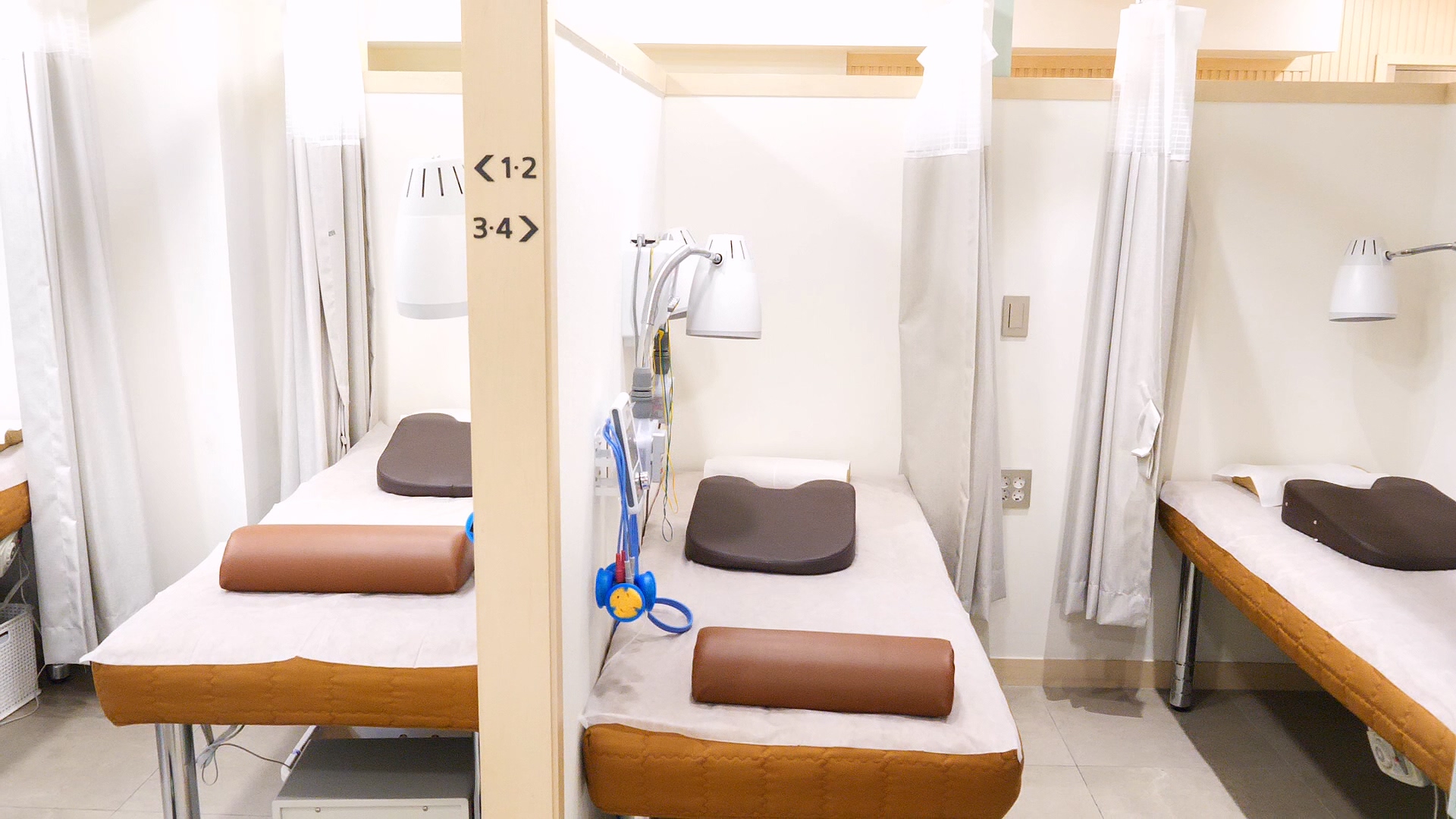
My goal is to help you understand how restoring the natural alignment of your spine and nervous system can provide the foundation for long-term recovery and help resolve chronic abnormal sensations.
Understanding Burning Back (Baeyeoljeung) from a Structural Perspective
Baeyeoljeung is defined by persistent heat or burning sensations (dysesthesia) often caused by the compression or irritation of nerves as they pass through tight muscles or misaligned spinal structures. When the thoracic spine or surrounding fascia becomes rigid, the sensory nerves lose their ability to transmit signals correctly to the brain. This creates a cycle where the patient feels constant distress, often accompanied by sleep issues or anxiety. At BonCure, we view this not just as a local skin or muscle issue, but as a failure of the body to maintain proper structural balance. Without addressing underlying structural shifts, the nervous system remains in a state of hyper-arousal, keeping the burning sensation active.
Defining Baeyeoljeung and Its Autonomic Connections
Baeyeoljeung involves a multifaceted breakdown of the relationship between the musculoskeletal structure and the autonomic nervous system. While many patients view back heat as a minor symptom, it is often a sign of Autonomic Dysfunction. This condition is characterized by a persistent feeling of the back 'burning' or 'crawling.' The sensation is often the result of two main factors: mechanical nerve entrapment (such as the dorsal scapular nerve or thoracic dorsal rami) and functional imbalance of the autonomic system. Patients frequently report localized tenderness, indigestion, or heart palpitations alongside the heat. Because the body is an interconnected system, these structural deficits eventually lead to broader systemic issues, creating a feedback loop where the sensation persists despite localized skin treatments.
The Limit of Localized Treatments: Why Symptom-Only Focus Often Fails
Traditional approaches to back pain often focus exclusively on the site of heat, utilizing topical creams or simple relaxation. While these methods may provide temporary relief for surface discomfort, they frequently fail because they ignore the global alignment of the spine. Clinical observations suggest that localized therapy alone cannot resolve deep-seated adhesions within the thoracic fascia that have formed over years of poor posture. Furthermore, relying on medication may mask the symptom but does nothing to restore the mechanical integrity of the nerve pathways. For lasting relief, one must look at how the entire skeletal structure—from the suboccipital region to the pelvis—influences the pressure placed on the spinal nerves.
Bonecure Perspective: The Link Between Spinal Alignment and Nerve Health
At BonCure, we believe that the sensation of a burning back is inextricably linked to the alignment of the thoracic and cervical spine. When the body's vertical axis is shifted, it places an unnatural load on the spinal nerves, causing them to fire incorrectly. We utilize a comprehensive diagnostic approach that includes Whole Spine X-ray analysis to identify these hidden misalignments. By correcting the structural foundation, we can reduce the mechanical stress that leads to nerve entrapment. Our clinical experience shows that patients who undergo structural realignment often report an immediate change in the intensity of their symptoms. This integrated strategy is the cornerstone of our philosophy: "When your bones smile, your life smiles."
The Chain Reaction: How Thoracic Alignment Impacts Systemic Recovery
The kinetic chain involves the transmission of force from the skull through the spine and down to the pelvis. If there is a blockage or misalignment in the thoracic spine, the surrounding nerves and autonomic ganglions are affected. Understanding this chain reaction is crucial for resolving chronic sensory issues and restoring overall health.
Kinetic Chain Disruption: From the Suboccipital Region to the Thoracic Spine
Disruptions in the structural chain often begin at the upper cervical spine or the suboccipital region. If the skull is not properly aligned with the first vertebra (C1), it can create tension that cascades down to the thoracic area. This misalignment forces the thoracic muscles, such as the rhomboids and multifidus, to remain in a state of chronic contraction. As these muscles thicken and undergo fibrosis, they can entrap the dorsal scapular nerve, leading to the characteristic burning sensation between the shoulder blades. By realigning the pelvic and spinal structure, we can restore the proper environment for these nerves to function. This systemic correction is vital because it removes the primary driver of nerve irritation, allowing the sensitized tissue to finally return to a normal state.
Why Acupotomy is Essential for Releasing Adhesions in Chronic Cases
Acupotomy (Docheom) is a specialized form of treatment that uses a micro-blade to physically release internal adhesions and fibrous scar tissue within the muscles and fascia. In cases of chronic Baeyeoljeung, repeated tension often leaves the tissue rigid and poorly vascularized. Through the precise application of acupotomy, we can perform a micro-dissection of these restrictive tissues, particularly around the thoracic dorsal rami and suboccipital muscles. This triggers a localized healing response and restores the normal length of the muscles. While the procedure may cause brief discomfort, it is designed to offer functional improvements that are often impossible to achieve through non-invasive means. By loosening these rigid structures, we pave the way for a more flexible spine and a calmer nervous system.
Comparing Conventional Therapy vs. Bonecure Structural Restoration
| Feature | Conventional Therapy | Bonecure Structural Restoration |
|---|---|---|
| Primary Objective | Symptom relief (creams/massage) | Whole-body kinetic chain alignment |
| Diagnostic Focus | Localized skin/muscle assessment | Whole Spine X-ray and nerve entrapment analysis |
| Treatment Depth | Surface level work | Deep-tissue acupotomy (adhesion release) |
| Durability | Focuses on temporary management | Aims for foundational, structural change |
| Integration | Often treats symptoms in isolation | Treats the body as a single connected system |
Understanding the Differences Between Structural Realignment and Symptom-Based Management
Clinical Evidence and the Bonecure Approach to Lasting Stability
Clinical evidence in structural medicine highlights the correlation between spinal curvature and the mechanical efficiency of the nervous system. We rely on objective data and case-based evidence to guide our treatment protocols, ensuring that every patient receives care based on proven principles. By monitoring changes in alignment, we can track the progress of each individual toward a life free from abnormal sensations.
Scientific Substantiation: Case Reports on Spinal Alignment and Dysesthesia
Case reports document how structural changes lead to functional outcomes in complex conditions like Baeyeoljeung. In clinical reports involving patients with postural deviations and burning back, we have seen that correcting thoracic alignment can significantly reduce sensory discomfort. Clinical experience suggests that targeted alignments help improve autonomic balance by addressing the body's mechanical foundation. While individual results vary, these reports suggest that the body's ability to process sensory information is tied to the symmetry of the skeletal frame. By improving vertical alignment, we reduce the "noise" in the nervous system, which in turn reduces the likelihood of the brain perceiving heat where there is none.
Acupotomy and Chuna: Realigning the Bone Structure for Natural Recovery
The combination of acupotomy and Chuna manual therapy represents a powerful synergy. While acupotomy releases the soft tissue adhesions holding bones in a maladapted position, Chuna therapy involves the manual manipulation of the vertebrae to encourage natural alignment. At BonCure, we use these techniques to restore the natural curvature of the spine. This is not a passive process; it involves identifying the exact points of entrapment—such as the middle scalene or rhomboid fascia—and freeing them. By realigning the structure, we create an environment where the body's natural regenerative processes can take over, providing a sustainable path toward recovery without unnecessary drugs.
Objective Measurement: Evaluating Improvement through Whole Spine X-ray Analysis
To ensure treatments are effective, we rely on objective measurement tools. Whole Spine X-ray analysis allows us to visualize the exact degree of spinal curvature and pelvic tilt. By comparing X-rays taken before and after treatment, we provide concrete evidence of structural improvement. We also track changes in the Visual Analog Scale (VAS) for pain and evaluate autonomic stability. In specific cases, patients who exhibited severe autonomic symptoms alongside their musculoskeletal issues show significant improvement as their structure stabilizes. These objective metrics provide a roadmap for the healing journey and give patients confidence that their recovery is based on tangible physical changes.
Acupotomy: A 2026 Guide to Specialized Acupuncture-Knife Therapy for Chronic Pain
Holistic Integration: Traditional Korean Medicine for Systemic Relief
Holistic integration involves combining structural treatments with supportive therapies to enhance healing capacity. Traditional Korean Medicine offers tools like herbal support and moxibustion to manage inflammation and promote tissue regeneration from the inside out.
Beyond the Needle: The Role of Moxibustion and Herbal Support
Moxibustion and herbal medicine play a vital role in supporting recovery. Moxibustion uses heat therapy to stimulate blood flow, which is useful for chronic conditions where circulation has become sluggish. Herbal prescriptions are tailored to the individual to help reduce systemic inflammation and nourish the nervous system. We have found that when these internal supports are combined with acupotomy, the speed of recovery can be enhanced. This multi-layered strategy ensures we are treating the patient as a whole, addressing both the physical structure and the internal vitality.
Patient-Centered Care at Bonecure: Navigating Potential Risks and Side Effects
At BonCure, patient safety and informed consent are top priorities. While our structural treatments are highly effective, every medical procedure carries some degree of risk. Acupotomy involves a micro-blade, which can result in localized pain, minor bruising, or temporary swelling. In rare cases, infection or nerve irritation may occur, which is why we maintain strict sterile protocols and perform thorough evaluations. Chronic or severe cases often require multiple sessions to achieve desired realignment, and results can vary between individuals. We encourage open communication throughout the treatment journey to ensure each patient feels supported and empowered to achieve their health goals.
Addressing the Root Cause of Sciatica Through Structural Realignment and Acupotomy
Key Takeaways
- Root Cause Focus: Burning Back (Baeyeoljeung) is often caused by nerve entrapment related to spinal misalignment.
- Acupotomy Benefits: Releases deep fibrous adhesions in the back and neck to restore nerve function.
- Objective Evidence: Whole Spine X-ray analysis tracks physical changes in spinal alignment and pelvic tilt.
- Integrated Care: Combining structural Chuna and acupotomy with traditional herbal support leads to lasting results.
- Safety Disclosure: Side effects like bruising or localized pain may occur; treatment results vary by individual.
Frequently Asked Questions
Q. What exactly is Burning Back (Baeyeoljeung)?
Baeyeoljeung is a condition where the patient feels intense heat or burning sensations in the back, often without an obvious skin rash or injury. It is frequently linked to nerve entrapment in the thoracic region and imbalances in the autonomic nervous system.
Q. Why does Bonecure focus on the whole body rather than just the burning spot?
The body is a single kinetic chain. A burning sensation in the back is often the result of misalignments in the neck or pelvis that force the thoracic muscles to tighten, trapping nerves. Addressing the entire structure is the only way to provide a foundation for lasting relief.
Q. Is Acupotomy painful for treating chronic back sensations?
Acupotomy uses a specialized micro-blade to release adhesions, which involves some brief discomfort during the procedure. Most patients describe it as a localized pressure or sharp sensation followed by immediate relief and increased mobility.
Q. How many sessions are typically required for Baeyeoljeung?
The number of sessions varies depending on how long the symptoms have persisted and the extent of the structural misalignment. While some feel immediate changes, chronic cases usually require a series of treatments to stabilize the spine and nervous system.
Q. Are there any side effects to these treatments?
Possible side effects include localized pain, minor bruising, or temporary swelling at the treatment site. Rare side effects include infection or temporary nerve irritation. We follow strict safety protocols to minimize these risks.
Q. Can this treatment help with autonomic symptoms like anxiety or palpitations?
Yes. Because the autonomic nervous system runs along the spine, correcting spinal misalignments can help calm the nervous system, often improving related symptoms like anxiety, insomnia, or indigestion alongside the physical pain.
Q. How do you verify the results of the treatment?
We use Whole Spine X-ray analysis to measure physical changes in bone alignment and track functional improvements using pain scales. This data-driven approach allows us to scientifically confirm structural restoration.
For professional consultation regarding your structural health, please contact our clinic.
BonCure Korean Medicine Clinic / Director Song Jung-hyun
FAQ
- What exactly is chronic ankle instability?
- Chronic ankle instability is a condition where the ankle repeatedly rolls or 'gives way,' usually following an initial sprain that did not heal correctly. This leads to weakened ligaments and a loss of proprioception, making the joint feel insecure even during normal walking. At our clinic, we look beyond the ankle to see how the rest of the body’s alignment contributes to this recurring vulnerability.
- Why does Bonecure focus on the whole body rather than just my ankle?
- The body functions as a single kinetic chain, meaning a problem in one area often stems from an imbalance elsewhere. If your pelvis or spine is misaligned, it changes how your weight is distributed, putting excessive pressure on your ankle joints. By addressing the entire structure, we can fix the root cause and provide a foundation for lasting stability that localized treatments often miss.
- Is Acupotomy painful for treating chronic sprains?
- Acupotomy uses a specialized, blade-like needle to release internal adhesions and scar tissue, which can involve some brief discomfort during the procedure. Most patients describe it as a sharp, localized sensation that is quickly followed by a feeling of release and increased mobility. We take every precaution to ensure the procedure is as comfortable as possible while achieving the necessary structural changes.
- How many sessions are typically required for recovery?
- The number of sessions required varies significantly depending on the chronicity of the condition and the extent of the structural misalignment. While some patients notice a difference after just one or two treatments, chronic cases typically require a series of sessions to achieve lasting structural change. We develop a personalized plan for each patient based on their initial X-ray results and functional assessments.
- Are there any side effects to these traditional treatments?
- Possible side effects of treatments like acupotomy include localized pain, minor bruising, or temporary swelling at the injection site. In very rare instances, minor bleeding or infection could occur, which is why we follow strict clinical safety protocols. Most side effects are temporary and resolve within a few days as the body begins the healing process.
- Can this treatment help with other types of chronic pain like back pain?
- Yes, our structural alignment approach is designed to treat the body as a whole, making it effective for a wide range of musculoskeletal issues, including chronic back and neck pain. By correcting the vertical axis of the spine, we can relieve pressure on various joints and nerves throughout the body. Many patients who come in for ankle issues find that their overall posture and back health also improve.
- How do you verify the results of the treatment?
- We use objective diagnostic tools like Whole Spine X-ray analysis to measure physical changes in bone alignment and pelvic tilt. Additionally, we track functional improvements and pain levels using scales like the Visual Analog Scale (VAS). This data-driven approach allows us to scientifically confirm that the treatments are producing the intended structural results and providing the patient with lasting relief.