
Post
Acupotomy: A 2026 Guide to Specialized Acupuncture-Knife Therapy for Chronic Pain
Greetings. I am Song Jung-hyun, a Korean medicine doctor who has specialized in acupotomy for many years.
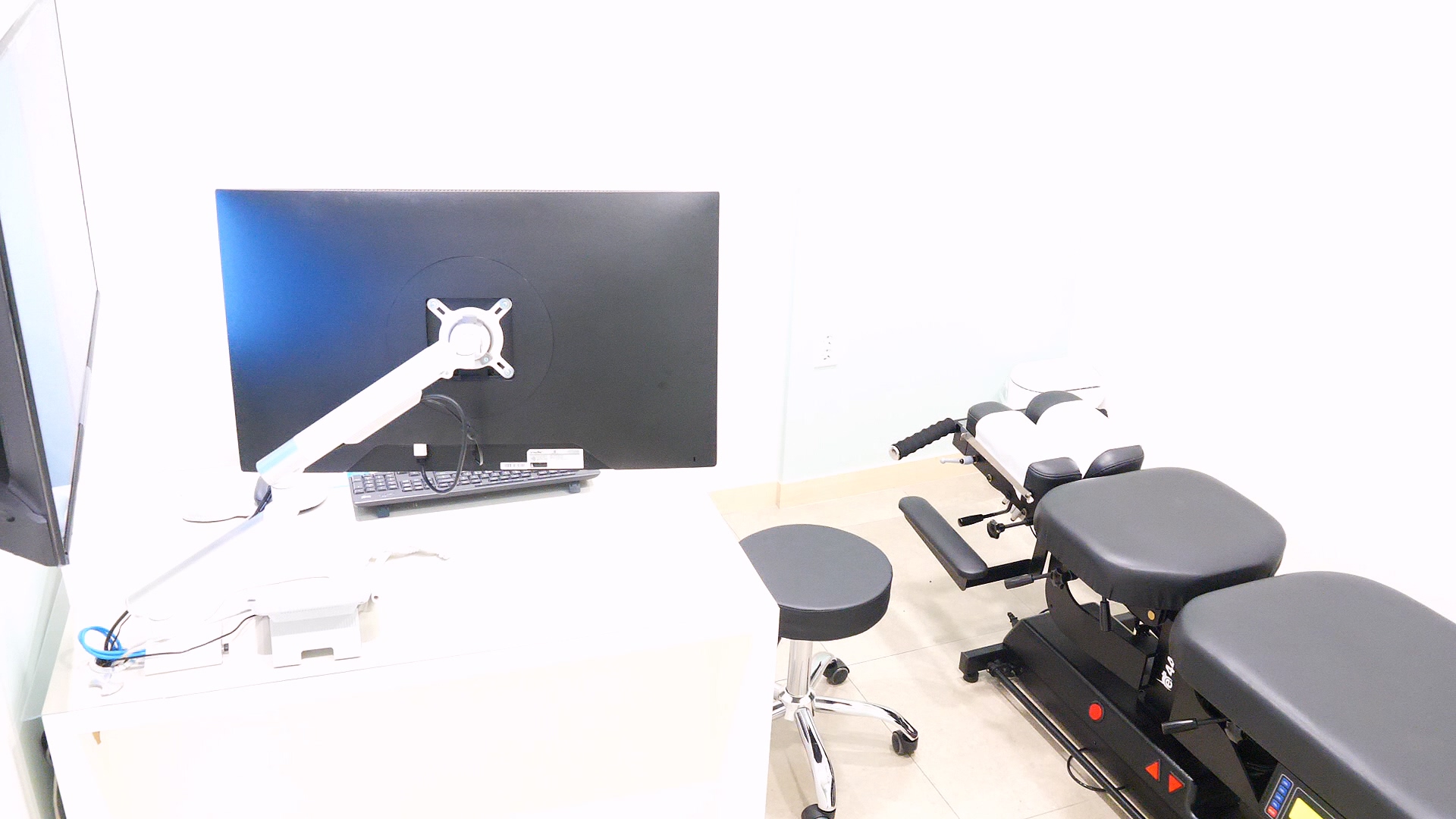
Acupotomy, which involves deep tissue micro-dissection using specialized acupuncture-knife techniques, is a structural medical intervention designed to physically release pathological adhesions within the soft tissues. At Bonecure, we utilize this evidence-based approach to address the root causes of chronic pain that often resist traditional conservative treatments.
What is Acupotomy Using Specialized Acupuncture-Knife Techniques?
Acupotomy is a specialized medical procedure that uses a flat-tipped, blade-like needle to mechanically detach fibrotic adhesions and scar tissue from muscles, fascia, and nerves. This technique is not merely about stimulation; it is a physical intervention aimed at restoring the structural integrity and mobility of internal tissues that have become abnormally bound due to chronic inflammation or injury.
The Science Behind Adhesion Release and Tissue Regeneration
Acupotomy, or acupuncture-knife therapy, operates on the fundamental principle of mechanical release. Over time, chronic inflammation or repetitive strain leads to the formation of pathological adhesions—fibrotic bands where muscle fibers, fascia, and nerves become abnormally stuck together. These adhesions restrict blood flow and oxygen, leading to persistent pain and reduced mobility. At Bonecure, we utilize specialized acupuncture knives with a flat, blade-like tip to perform precise micro-dissections. This process physically detaches the bound tissues, creating a controlled stimulus that triggers the body's natural regenerative response. By breaking down these internal obstructions, the treatment facilitates the influx of nutrients and promotes the remodeling of healthy soft tissue. While individual responses differ, clinical observations show that resolving these deep structural barriers is essential for recovery in chronic musculoskeletal conditions where standard topical therapies may not reach the underlying scar tissue effectively.
Distinguishing the Acupuncture-Knife from Traditional Needling
Traditional acupuncture primarily utilizes slender, rounded needles designed to stimulate specific points to regulate bodily functions and blood flow. In contrast, the acupuncture-knife used at Bonecure is a specialized instrument that combines the properties of a needle and a scalpel. The tip is flat and approximately 0.4mm to 1.2mm wide, allowing the practitioner to perform microscopic dissections of hardened fascia. While traditional needling is excellent for managing acute inflammation or stress, it lacks the mechanical leverage required to physically separate dense, leathery scar tissue that has formed over years. The acupuncture-knife specifically targets 'trigger points' associated with structural adhesion, providing a dual effect of bio-electrical stimulation and mechanical release. This distinction is critical for patients who have found limited success with standard methods, as it addresses the physical architecture of the pain rather than just the neurological signal, although individual results always depend on the patient's specific tissue density.
When Chronic Pain Signals Structural Soft Tissue Adhesion
Identifying when chronic pain has transitioned into a structural adhesion is key to selecting the right intervention. Symptoms often include a persistent 'dragging' sensation, localized stiffness that does not respond to stretching, and a palpable thickness in the muscle belly. At Bonecure, we observe that these adhesions often compress peripheral nerves, leading to numbness or radiating discomfort. For instance, in cases involving long-standing neck pain or chronic tinnitus, structural factors such as the physical binding of deep cervical tissues may play a significant role. While every case is unique, addressing these structural components is often a key part of the recovery process. When these tissues lose their elasticity, they create a 'structural trap' that prevents normal joint mechanics. Utilizing acupotomy allows us to target these specific nodes of entrapment. While the procedure involves a sensation of pressure that some find intense, the goal is to liberate the trapped structures. Unlike clinics that mandate long-term sessions, Bonecure focuses on providing immediate, palpable improvement that the patient can feel from the very first treatment.
Clinical Applications of Acupuncture-Knife Therapy for Chronic Pain
Clinical applications of acupuncture-knife therapy involve the targeted release of fibrotic tissue in the spine, joints, and extremities to alleviate entrapment and restore functional movement. By addressing the physical barriers within the musculoskeletal system, this therapy provides a structural solution for patients suffering from long-term pain syndromes that have not responded to superficial interventions.
Acupotomy for Back Pain: Resolving Deep Muscle Entrapment
Chronic back pain is frequently more than just muscle fatigue; it is often the result of deep muscle entrapment where the multifidus or erector spinae muscles become adhered to the spinal fascia. Bonecure’s specialized acupotomy technique focuses on these deep layers that are often unreachable by surface-level massages or standard acupuncture. By releasing these deep-seated adhesions, we can alleviate the mechanical pressure on the spinal nerves. Clinical observations indicate that patients who have suffered for years often see immediate changes in their mobility once these structural barriers are physically addressed. For example, in complex cases involving spinal curvature imbalances, releasing the soft tissue tension is a prerequisite for successful spinal alignment. While this method can be an effective approach to address entrapment, patients should be aware that temporary soreness, minor localized bruising, or a small amount of bleeding at the insertion site may occur. These are common side effects, and individual recovery timelines will vary based on the initial severity of the condition.
Oriental Medicine for Chronic Pain: A Structural Approach to Recovery
Modern structural medicine within the Korean tradition emphasizes the relationship between form and function. At Bonecure, we believe that chronic pain is a signal that the body's internal architecture is out of alignment due to soft tissue imbalances. Our approach integrates acupotomy with scientific assessment to restore this balance. By focusing on the structural integrity of the fascia, we address the root cause of chronic syndromes like autonomic dysfunction or persistent fatigue, which are often linked to spinal tension. We utilize whole-spine X-ray analysis and body type/movement assessments to verify these structural shifts, ensuring that the treatment is guided by objective data. In clinical practice, we have observed instances where patients experienced a significant reduction in discomfort following these structural releases. While these individual cases show promising results, it is important to note that clinical outcomes can vary significantly between patients depending on their specific condition and tissue density. This method offers a sustainable alternative for those seeking to avoid surgery, although it requires a comprehensive diagnostic check to ensure the symptoms are not caused by underlying pathologies that require different medical interventions.
Traditional Korean Medicine Treatment for Persistent Joint Stiffness
Joint stiffness in the shoulders, hips, and knees is often caused by the thickening of the joint capsule and surrounding ligaments. Bonecure applies acupuncture-knife techniques to perform 'capsular release' without the need for large incisions. By targeting the specific points of adhesion within the joint complex, we can restore the natural range of motion that has been lost to years of inactivity or injury. This structural restoration is particularly beneficial for conditions like frozen shoulder, where the 'thawing' process can be significantly accelerated through mechanical dissection of the adhered fibers. In our experience, the treatment plan is determined through a detailed consultation with our medical team, focusing on efficient results rather than unnecessary repeat visits. As with all procedures, results are not guaranteed and vary by individual. As with all structural treatments, there is a risk of temporary inflammation or localized tenderness. We prioritize a balanced approach, combining these releases with rehabilitative exercises to ensure the restored joint mobility is maintained by the supporting musculature for long-term functional health.
Comparing Traditional Methods and Acupotomy Techniques
The comparison between traditional methods and acupotomy highlights the evolution from systemic stimulation to localized structural intervention. While standard methods are excellent for general wellness and early-stage pain, acupotomy provides the mechanical force necessary to resolve chronic pathological changes in tissue density.
| Feature | Traditional Acupuncture | Acupotomy (Acupuncture-Knife) |
|---|---|---|
| Tool Geometry | Rounded, tapered needle tip | Flat, blade-like needle tip |
| Primary Mechanism | Neurological/Qi stimulation | Mechanical adhesion release |
| Tissue Target | Superficial and mid-level muscle | Deep fascia and dense scar tissue |
| Clinical Focus | Acute pain, stress, and systemic balance | Chronic fibrosis and nerve entrapment |
| Recovery Focus | General wellness and symptom management | Targeted structural release and tissue remodeling |
Integration with Chuna Manual Therapy and Spinal Alignment
Acupotomy is rarely a standalone solution at Bonecure; it is most effective when integrated with Chuna manual therapy and spinal alignment. While the acupuncture-knife releases the 'soft' barriers like adhesions and scar tissue, Chuna therapy addresses the 'hard' barriers involving bone displacement and joint subluxation. When the muscles are no longer pulling the skeleton out of place due to fibrotic tension, the spinal adjustments become much easier to perform and significantly more stable. This synergy prevents the recurrence of pain by ensuring both the structural frame and the supporting tissues are in harmony. For instance, in treating idiopathic scoliosis or significant spinal curvature, we first release the tight convex side tissues before performing realignment. Patients should understand that while this integrated approach is powerful, results depend heavily on the patient’s commitment to post-treatment care and postural maintenance protocols.
Acupotomy vs. Traditional Acupuncture for Chronic Scar Tissue: A 2026 Clinical Guide by Bonecure
Determining the Right Treatment Protocol for Complex Cases
Every patient at Bonecure receives a customized protocol based on a thorough initial consultation that includes scientific structural assessment. For complex cases involving multiple pain sites or neurological symptoms, we must determine if the primary issue is mechanical adhesion or an inflammatory condition. If a patient presents with numbness caused by peripheral nerve compression, acupotomy is often the priority. We have observed that for patients traveling from abroad—such as those needing immediate relief before a long flight—a single intensive session can provide meaningful reduction in stiffness. We always disclose potential risks, such as rare infections or temporary nerve irritation, and ensure that the treatment intensity matches the patient's physiological tolerance. Success in these complex scenarios is measured not just by pain reduction, but by the restoration of objective mobility and the correction of postural imbalances identified via X-ray and movement evaluations.
How Chuna Therapy Facilitates Immediate and Sustainable Posture Change: A 2026 Guide
Patient Journey and What to Expect at a Korean Medicine Clinic in Cheongdam
The patient journey involves a systematic progression from comprehensive diagnostic evaluation to targeted structural release and long-term maintenance. At Bonecure, we prioritize transparency and scientific rigor at every stage to ensure patients understand the mechanisms of their recovery and the necessity of structural balance.
Post-Treatment Care: Managing Sensation and Promoting Healing
The period immediately following acupotomy is crucial for ensuring the released tissues heal without re-adhering. At Bonecure, we advise patients that a 'dull ache' or localized soreness for 24 to 48 hours is a normal sign that the body is clearing the debris from the broken-down scar tissue. We recommend avoiding strenuous activity during this initial window to allow the micro-circulation to stabilize. Applying warmth to the area can help soothe the muscles, while staying hydrated facilitates the removal of metabolic waste released during the procedure. It is essential to follow the specific movement protocols provided by our clinicians to guide the remodeling of the new tissue fibers along functional lines. While the risk of complications is low when performed by trained professionals, patients should monitor for unusual swelling or redness.
Non-Surgical Treatment for Deep Fascia Adhesion in the Spine: A 2026 Clinical Guide
Long-term Structural Maintenance for Restored Mobility
Sustainable health is the ultimate goal of the structural medicine practiced at Bonecure. Once the primary adhesions are released and the spine is aligned, maintaining that mobility requires a shift in daily habits and ergonomics. We provide patients with personalized stretching and strengthening routines designed to support their specific structural profile. Chronic conditions that took years to develop will not remain resolved without ongoing maintenance. We often suggest periodic check-ups to address any new micro-adhesions before they become symptomatic. This proactive approach ensures that the 'bones stay smiling' and that the patient retains the freedom of movement achieved through their treatment. Although no procedure can guarantee permanent results without lifestyle integration, the structural foundation provided by acupotomy offers a stable starting point. Ultimately, recovery is a collaborative journey between the doctor’s technical precision and the patient’s commitment to their long-term structural health.
Frequently Asked Questions
Q. What exactly is an acupuncture-knife and how does it function?
An acupuncture-knife, or acupotomy tool, is a specialized medical instrument with a flat, blade-like tip. It functions by performing micro-dissections of adhered soft tissues that have become fibrotic due to chronic injury. Unlike traditional needles that stimulate, the acupuncture-knife physically releases these internal obstructions to restore circulation and movement.
Q. Does this procedure provide immediate relief for chronic back pain?
Bonecure focuses on providing immediate, palpable changes that patients can feel during the first session. While long-term stability for chronic conditions depends on the individual's tissue density, many patients experience a significant reduction in deep-seated stiffness right after the mechanical adhesions are released.
Q. Are there any side effects or risks associated with acupotomy?
Common side effects include temporary localized soreness, minor bruising, or a small amount of bleeding at the insertion site. Rare risks include infection or temporary nerve irritation, which we mitigate through strict sterilization and anatomical precision. It is essential to have this performed by a licensed professional trained in structural anatomy.
Q. How does this therapy differ from standard cupping or moxibustion?
While cupping and moxibustion focus on external blood flow and thermal stimulation of the skin and superficial muscles, acupotomy targets the internal structural architecture. It physically breaks down deep scar tissue and fascia adhesions that topical treatments cannot penetrate. Bonecure often uses these therapies in combination for comprehensive care.
Q. Is the treatment painful compared to regular acupuncture?
Because the tool is designed to work through hardened, fibrotic tissue, patients typically feel a unique sensation described as localized pressure or a 'dull ache.' We prioritize patient comfort and adjust the technique's intensity based on individual tolerance. Most find the temporary discomfort worthwhile for the subsequent release of chronic tension.
Q. Can this technique help with numbness or neurological symptoms?
Yes, if the numbness is caused by soft tissue adhesions or thickened fascia compressing peripheral nerves. By performing acupotomy at the entrapment site, we can relieve the mechanical pressure on the nerve. A thorough diagnostic check, including movement and X-ray analysis, is required first.
Q. How many sessions are typically required for results?
We do not mandate a fixed number of sessions (like 10 times). Instead, our goal is for patients to experience immediate improvement from the very first treatment. The total number of sessions is customized based on the patient's immediate response and the complexity of their structural misalignment.
Key Takeaways
- Immediate Results: Bonecure prioritizes immediate, palpable symptom relief from the first session rather than long-term packages.
- Mechanical Release: Acupotomy physically breaks down fibrotic adhesions that cause chronic pain.
- Structural Integration: We combine acupotomy with Chuna therapy to ensure both soft tissue and bone alignment.
- Scientific Approach: Treatments are guided by whole-spine X-ray analysis and body type/movement evaluations.
- Safety First: Potential side effects like temporary soreness are disclosed, and protocols are tailored to individual needs.
For personalized consultation and structural assessment, please contact us directly.
Bonecure / Song Jung-hyun
FAQ
- What exactly is an acupuncture-knife and how does it function?
- An acupuncture-knife, or acupotomy tool, is a specialized medical instrument with a flat, blade-like tip. It functions by performing micro-dissections of adhered soft tissues that have become fibrotic due to chronic injury. Unlike traditional needles that stimulate, the acupuncture-knife physically releases these internal obstructions to restore circulation and movement.
- Does this procedure provide immediate relief for chronic back pain?
- Many patients experience an immediate reduction in deep-seated stiffness once the mechanical adhesions are released. However, chronic conditions usually require multiple sessions to achieve lasting structural stability. Immediate relief is often a 'thawing' sensation, but individual results vary based on the chronicity of the pain.
- Are there any side effects or risks associated with deep tissue micro-dissection?
- Common side effects include temporary localized soreness, minor bruising, or a small amount of bleeding at the insertion site. Rare risks include infection or temporary nerve irritation, which we mitigate through strict sterilization and anatomical precision. It is essential to have this performed by a licensed professional trained in structural anatomy.
- How does this therapy differ from standard cupping or moxibustion?
- While cupping and moxibustion focus on external blood flow and thermal stimulation of the skin and superficial muscles, micro-dissection targets the internal structural architecture. It physically breaks down deep scar tissue and fascia adhesions that topical treatments cannot penetrate. Bonecure often uses these therapies in combination for comprehensive care.
- Is the treatment painful compared to regular acupuncture?
- Because the tool is designed to work through hardened, fibrotic tissue, patients typically feel a unique sensation described as localized pressure or a 'dull ache.' We prioritize patient comfort and adjust the technique's intensity based on individual tolerance. Most find the temporary discomfort worthwhile for the subsequent release of chronic tension.
- Can this technique help with numbness or neurological symptoms?
- Yes, if the numbness is caused by soft tissue adhesions or thickened fascia compressing peripheral nerves. By performing micro-dissection at the entrapment site, we can relieve the mechanical pressure on the nerve. A thorough diagnostic check is required first to ensure the symptoms are not originating from other serious pathologies.
- How many sessions are typically required for long-term results?
- Acute issues may resolve in 1 to 3 sessions, but chronic structural misalignments or severe fibrotic adhesions typically require 5 to 10 sessions. Complex cases involving significant spinal curvature may need an extended protocol combined with alignment therapy to prevent the tissue from re-adhering and ensure lasting structural recovery.