
Post
How Chuna Therapy Facilitates Immediate and Sustainable Posture Change: A 2026 Guide
Hello, I am Dr. Song Jung-hyun, a specialist in Korean Medicine who has focused on structural restoration through advanced manual therapies.
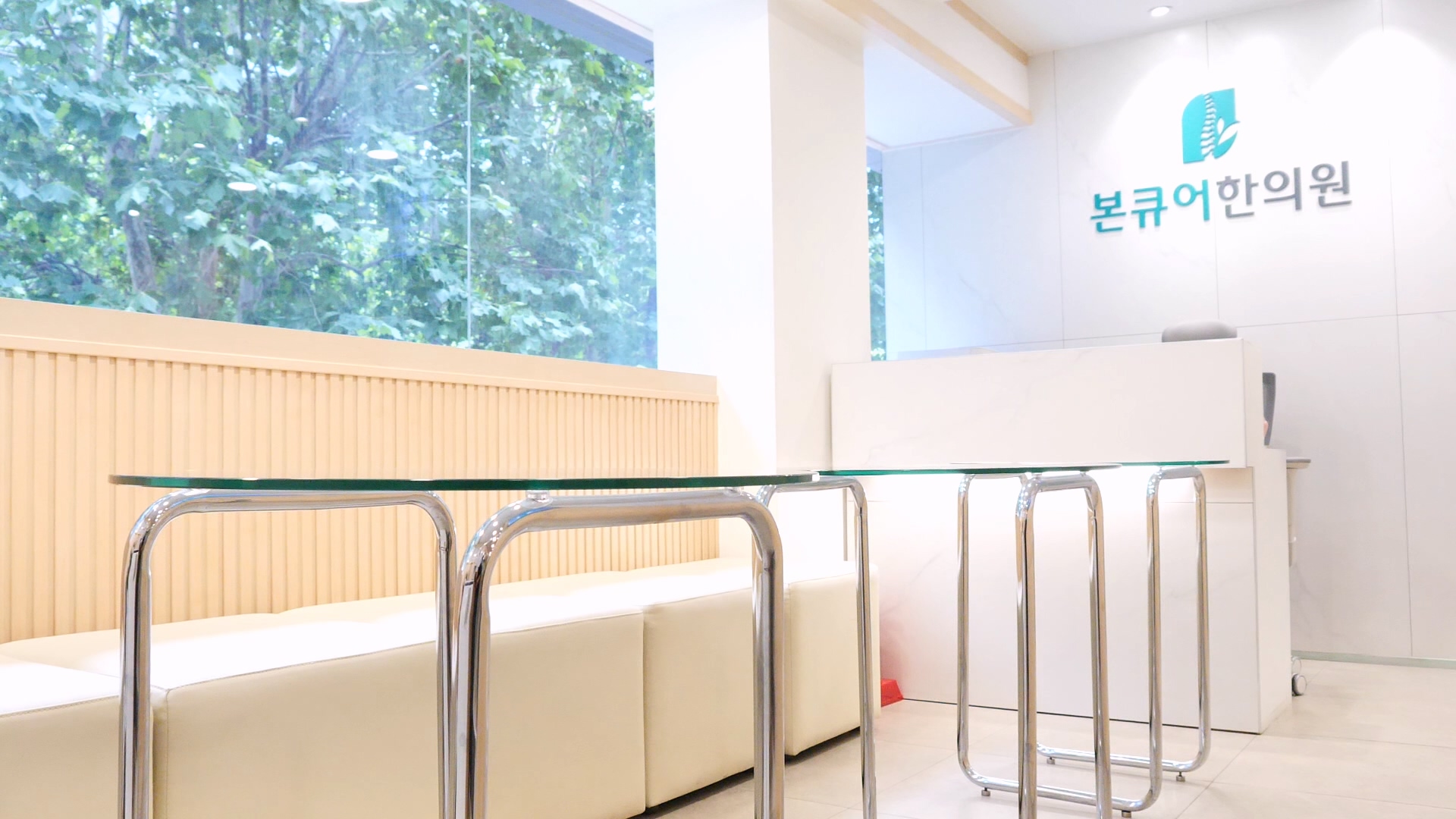
Achieving a lasting change in posture is not merely about a single adjustment but involves a comprehensive recalibration of the body's structural foundation. At Bonecure, we focus on identifying the root cause of misalignment to ensure that your recovery is both sustainable and measurable. This guide explains the clinical timeline and physiological requirements for sustainable structural health in 2026.
Understanding Chuna Therapy for Lasting Posture Change
Chuna Manual Therapy is a specialized Korean medical treatment where a doctor uses their hands, limbs, or assistive tools to apply controlled pressure and traction to the patient's musculoskeletal system. The primary goal is to correct structural imbalances, restore joint mobility, and alleviate pressure on the nervous system. By realigning the spine and surrounding soft tissues, this therapy addresses the functional disturbances that often lead to chronic pain and reduced range of motion.
What is Chuna Manual Therapy?
Chuna Manual Therapy is defined as a holistic manipulative technique that integrates traditional wisdom with modern biomechanical principles to restore the body’s natural symmetry. Unlike simple massage, Chuna involves high-velocity, low-amplitude thrusts or gentle mobilizations tailored to the specific curvature of the spine. At Bonecure, we utilize Whole Spine X-rays to visualize these misalignments before beginning treatment, ensuring that every adjustment is precise and evidence-based. This structural approach is essential because even a minor deviation in the atlas or sacrum can create a cascade of compensatory patterns throughout the entire kinetic chain. By applying therapeutic force to specific segments, we can release joint restrictions and improve the flow of neuromuscular signals. It is important to note that while the treatment aims for structural correction, individual responses can vary depending on the chronicity of the condition. Each session builds upon the last to gradually move the body back toward its optimal anatomical center.
How Structural Alignment Impacts Overall Health
Structural alignment serves as the blueprint for the central nervous system’s efficiency and the body's overall metabolic performance. When the spine is properly aligned, the spinal cord and exiting nerve roots are free from mechanical compression, allowing for unobstructed communication between the brain and internal organs. Chronic misalignment, however, can lead to diverse issues such as autonomic dysfunction, digestive inefficiencies, and even cognitive fatigue. Understanding the Differences Between Structural Realignment and Symptom-Based Management is crucial for patients seeking more than just temporary relief. In my clinical observations at Bonecure, I have seen how correcting a thoracic kyphosis or a cervical tilt can improve respiratory capacity and cardiovascular stability. The body functions as a single unit; therefore, a pelvic tilt can often be observed in connection with imbalances in the neck and upper cervical region. Restoring this balance is vital for long-term health and preventing the premature degeneration of intervertebral discs. Proper alignment ensures that gravitational loads are distributed evenly across the joints, significantly reducing the risk of chronic inflammatory states.
The Science Behind Long-term Postural Correction
The science of lasting posture change is rooted in neuromuscular re-education and the concept of proprioceptive neuroplasticity. The brain maintains a 'body map' that dictates how we stand and move, often defaulting to a slouched or twisted position if it has been held for years. To change this, we must not only move the bones but also retrain the muscles and fascia that support them. At Bonecure, we prioritize immediate results—I aim for patients to feel a distinct, immediate change in their symptoms and structure during the very first visit. While the remodeling of connective tissues ensures that the changes achieved during the Chuna sessions are supported by the body’s own physiological architecture, we avoid unnecessary long-term packages, focusing instead on the most impactful and efficient interventions needed to see a stable shift in the baseline posture.
Personalized Recovery Paths and Immediate Results
Postural correction at Bonecure is not about a fixed number of sessions; it is a phased process where structural changes are felt instantly and then stabilized over time. The recovery path is influenced by the severity of the misalignment and how quickly the body responds to the release of adhesions. While some patients may benefit from a series of stabilization visits, I do not adhere to a rule that a patient must visit 10 or 20 times to see results. Symptoms should improve immediately upon treatment.
Typical Treatment Phases: Immediate Change, Stabilization, and Maintenance
The recovery journey begins with the Immediate Change Phase, where the focus is on utilizing Chuna and Acupotomy to release deep adhesions and restore joint mobility. Patients often experience relief right away. Following this is the Stabilization Phase, which is focused on maintaining the new alignment as the muscles adapt. During this phase, we ensure the spine retains its new position between visits. Finally, the Maintenance Phase involves periodic check-ups to ensure that lifestyle stresses do not cause a relapse into old habits. A 2026 Clinical Guide to Chuna Manual Therapy in Seoul: Science of Structural Recovery highlights how these phases provide a foundation for sustainable health. Consistency during the stabilization period is what prevents the 'yo-yo' effect of posture, where the body reverts to its previous misaligned state. Completing the personalized plan as discussed is recommended for achieving optimal clinical stability.
Comparison Table: Structural Goals by Condition
| Condition Category | Immediate Clinical Goal | Stabilization Focus | Long-term Management |
|---|---|---|---|
| Acute (Stiff Neck) | Immediate pain relief | Restoring full range of motion | Periodic check-ups |
| Moderate (Forward Head) | Correcting cervical tilt | Retraining postural muscles | Lifestyle adjustment |
| Severe (Chronic Scoliosis) | Releasing deep adhesions | Structural remodeling | Consistent monitoring |
| Maintenance | Relieving daily tension | Preventing functional relapse | Monthly stabilization |
Why Clinical Impact Matters for Neuromuscular Re-education
Impactful, efficient treatment is the cornerstone of structural medicine because the body needs clear signals to override old patterns. At Bonecure, my treatments are concentrated and direct. We target the specific areas where the structure is blocked, using Acupotomy to release adhesions that keep the skeleton in an unhealthy position. This clinical impact provides the rhythmic stimulus needed to lengthen shortened ligaments and strengthen weakened antagonistic muscles. For instance, in clinical cases involving chronic issues like tinnitus or dizziness, I have observed that precise release of the upper cervical area can lead to immediate functional improvements. The goal is to reach a 'tipping point' where the new, correct posture becomes the brain's new default. Regular visits during the stabilization period allow the doctor to make micro-adjustments as the body shifts, ensuring that the recovery path remains optimal. Without this consistency, the neurological feedback loop may return to the old pattern, making it harder to achieve a sustainable, smiling spine that supports a vibrant life.
Synergy with Specialized Acupotomy for Chronic Stiffness
Combining Chuna with other traditional Korean medical modalities often yields superior results. At Bonecure, we integrate acupuncture and Acupotomy to address both the hard structural components and the soft tissue adhesions that frequently hinder recovery. This multimodal strategy ensures that the muscles are relaxed enough to allow for deep structural changes, which may lead to more effective and sustainable outcomes.
Combining Chuna with Traditional Korean Medicine Treatment
Integrating acupuncture with Chuna manual therapy creates a synergistic effect that addresses both the 'hardware' and 'software' of the body. Acupuncture for back pain helps to modulate the nervous system and increase blood flow, which prepares the muscles for the structural adjustments of Chuna. When the muscles are less guarded, the manual realignment can be performed more effectively. A 2026 Clinical Guide to Non-surgical Spinal Treatment in Korean Medicine at Bonecure provides deeper insight into how these combined therapies support the body's self-healing mechanisms. This holistic approach ensures that we are not just moving bones, but also treating the neuro-muscular tension that caused the misalignment in the first place.
Addressing Soft Tissue Adhesion through specialized Acupotomy
Chronic posture issues are often complicated by soft tissue adhesions—tough, scar-like tissue that binds muscles and fascia together. To solve this, Bonecure utilizes Acupotomy, a specialized treatment using a blade-shaped needle to precisely release these deep adhesions. By physically breaking down these restrictive bands, we create the necessary space for the spine to move freely. While this procedure is highly effective and aims for immediate relief, it may cause temporary soreness, localized swelling, or mild bruising, and results can vary based on individual scar tissue density. In one case report of a patient with chronic structural issues, a consistent plan involving Acupotomy led to measurable improvement in X-ray alignment. This targeted release is often the 'missing piece' for patients who have not found success elsewhere, allowing for structural freedom that standard massage cannot reach.
Role of Supportive Modalities in Enhancing Stability
Supportive therapies enhance the structural work performed during Chuna. For example, modalities that improve local circulation speed up the repair of connective tissues. At Bonecure, we ensure that the internal environment of the body is conducive to healing by focusing on efficient, necessary treatments. By improving the flexibility of the fascia, we make the structural changes from Chuna more stable. This care model addresses physiological markers of health, such as improving cellular oxygenation and reducing localized tension. While these treatments are generally safe, they are always tailored to the individual’s constitution, ensuring a balanced and comfortable recovery process.
Clinical Observations and Safety Considerations
Every individual carries a unique structural history shaped by their genetics and past injuries. At Bonecure, we prioritize personalized diagnostics to create a recovery path that matches your specific physiological needs, ensuring high standards of safety.
Factors Influencing Individual Progress and Outcomes
Several factors dictate how a patient will respond to structural therapy. Age and the duration of the postural problem are significant; a habit developed over decades requires a focused stabilization period. In my clinical experience at Bonecure, I have documented cases where focused structural treatment led to a significant reduction in chronic symptoms—for example, a patient's evaluation score for a chronic condition dropping significantly after a targeted intervention. However, it is essential to understand that these results are individual and results may vary. We monitor progress through functional testing to adjust the treatment plan as the body evolves.
Potential Side Effects and Safety Considerations
While Chuna and associated Korean medical treatments are non-surgical and generally safe, they are medical procedures. Some patients may experience temporary muscle soreness, similar to the feeling after a new workout, for 24 to 48 hours following a session. Minor bruising or localized swelling may occur after Acupotomy. Bonecure ensures safety by conducting a thorough physical examination and reviewing Whole Spine X-rays to rule out contraindications like severe osteoporosis. I emphasize a balanced approach, focusing only on the treatments necessary for your recovery. We encourage open communication about any discomfort, allowing us to modify our techniques for your comfort. Your health and safety are our primary concerns as we work together to restore your structural integrity.
Key Takeaways
- Immediate Improvement: Symptoms and structure should show noticeable change starting from the first session.
- No Mandatory Counts: We do not enforce a fixed '10-session' rule; treatment plans are personalized and efficient.
- Clinical Impact: Chuna and Acupotomy are used to physically release adhesions for sustainable alignment.
- Stabilization Matters: Once immediate relief is achieved, a stabilization period helps prevent the return of old habits.
- Scientific Monitoring: Progress is tracked through functional assessments and imaging to ensure accuracy.
Frequently Asked Questions
Q. How many sessions of Chuna therapy are needed to see a difference?
At Bonecure, I aim for immediate results. You should notice a subjective sense of relief or structural change during your first visit. While long-term stabilization may involve a series of visits to retrain the muscles, we do not require a fixed number of sessions to begin the healing process. The body needs consistent reinforcement to solidify these new, healthy habits, but improvement starts now.
Q. Is Chuna therapy safe for someone with chronic back pain?
Yes, when performed by a licensed doctor, Chuna is a safe, non-surgical option. However, because our treatments are impactful and involve releasing deep adhesions, temporary soreness or mild bruising can occur. We perform a comprehensive physical assessment, including imaging, to ensure the techniques are appropriate for your specific spinal health.
Q. Can I combine Chuna with acupuncture for better results?
Absolutely. Integrating acupuncture with Chuna helps to release deep muscle tension, making structural adjustments more effective. My clinical experience shows that patients receiving combined treatments often report higher satisfaction and more durable results than those receiving a single modality.
Q. Will my insurance cover Chuna therapy in Seoul?
In South Korea, Chuna therapy is covered by National Health Insurance for specific musculoskeletal conditions. For international patients, coverage depends on your private policy. We recommend checking your policy details; our staff at Bonecure can assist you with the necessary documentation during your visit.
Q. What happens if I stop therapy after the symptoms go away?
If you stop before the stabilization phase is complete, there is a risk that old postural habits will return. The body has a strong 'memory' for its previous misaligned state. Completing the personalized stabilization plan ensures that the structural changes become sustainable long-term.
Q. Are there any risks associated with Acupotomy or Chuna?
Minor risks include temporary localized pain, swelling, or mild bruising. We mitigate these risks by using sterile, single-use equipment and guiding treatments with precise diagnostics like Whole Spine X-rays. Following post-treatment instructions is key to a smooth recovery.
Q. Do I need to perform exercises at home?
Yes, supplemental stretching and strengthening are essential. While Chuna realigns the structure, your daily habits and muscle strength maintain that alignment. We provide personalized lifestyle guides to help your bones stay 'smiling' long after your clinical treatment is finished.
If you are struggling with chronic pain or poor posture, professional intervention can help you regain your balance. Visit Bonecure for a comprehensive structural assessment and a personalized recovery plan tailored to your unique needs.
Bonecure / Dr. Song Jung-hyun
FAQ
- How many sessions of Chuna therapy are usually needed to see a difference in posture?
- While some patients notice a subjective sense of lightness or relief after just a few visits, lasting postural change typically requires 10 to 20 sessions to effectively retrain the muscles and stabilize the spinal column. In my clinical experience, a consistent 3-month plan is often necessary to document significant alignment changes on X-rays, although results vary per individual. The body needs this time to overcome old muscle memory and solidify new, healthy structural habits.
- Is Chuna therapy safe for someone with chronic back pain?
- Yes, when performed by a licensed Korean medicine doctor, Chuna is a safe, non-surgical option for managing chronic back pain. However, it is common to experience temporary soreness or mild bruising as the body adjusts to new alignments. We always perform a comprehensive physical assessment, including imaging when necessary, to ensure the techniques used are appropriate for your specific spinal health and bone density.
- Can I combine Chuna with acupuncture for better results?
- Absolutely, and this is often the recommended approach at our clinic. Integrating acupuncture for back pain with Chuna helps to release deep muscle tension and reduce inflammation, which makes the structural adjustments more effective and easier for the body to maintain. Many clinical notes indicate that patients receiving combined traditional medicine treatments report higher satisfaction and more durable results than those receiving a single modality.
- Will my insurance cover Chuna therapy in Seoul?
- In South Korea, Chuna therapy is covered by the National Health Insurance for specific musculoskeletal conditions, making it an accessible option for many. For international patients or those with private insurance plans, the level of coverage can vary significantly. We recommend checking your specific policy details or bringing your documents during your consultation at Bonecure so we can assist you in understanding your benefits.
- What happens if I stop Chuna therapy before the recommended sessions are finished?
- Stopping treatment prematurely, especially before the stabilization phase is complete, often leads to a relapse of poor postural habits and the return of symptoms. The body has a strong 'muscle memory' for its previous misaligned state, and without enough consistent reinforcement, the soft tissues will pull the spine back into its old pattern. Completing the full course is vital for ensuring the correction becomes permanent.
- Are there any risks or side effects associated with Acupotomy or Chuna?
- Minor risks include temporary localized pain at the treatment site, swelling, or, in very rare instances, infection or nerve irritation. We mitigate these risks at Bonecure by using sterile, single-use equipment and guiding our treatments with precise diagnostic tools like Whole Spine X-rays. It is important to follow all post-treatment care instructions to ensure the best recovery and minimize any potential side effects.
- Do I need to perform specific exercises at home alongside the clinic sessions?
- Yes, supplemental stretching and strengthening exercises are essential components of a successful postural recovery plan. The work we do in the clinic realigns the structure, but your daily habits and muscle strength maintain that alignment. We provide personalized lifestyle guides and exercise routines to ensure your bones stay 'smiling' and supported long after your treatment course is completed.